

Bronze Bird Ornament
A bronze bird ornament brings natural form into a room, capturing feathered subjects in durable metal from the nineteenth and early twentieth centuries.
Bronze Bird Ornament
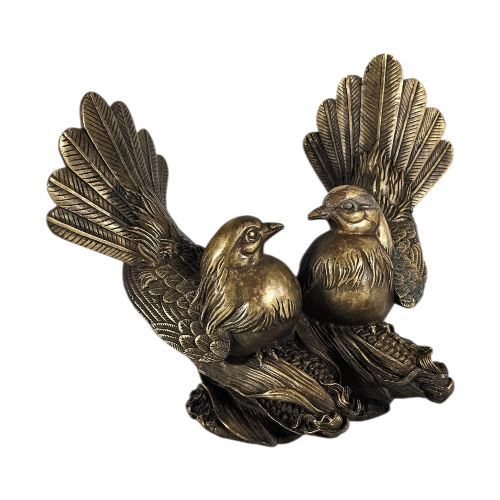
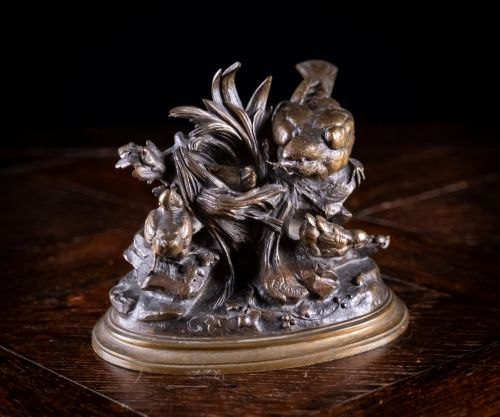
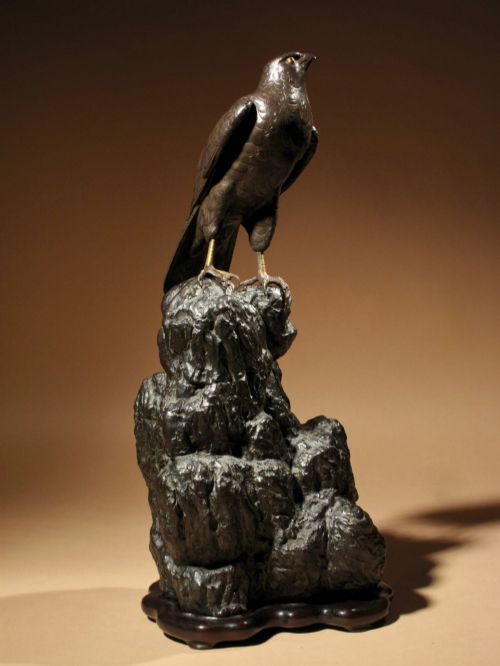
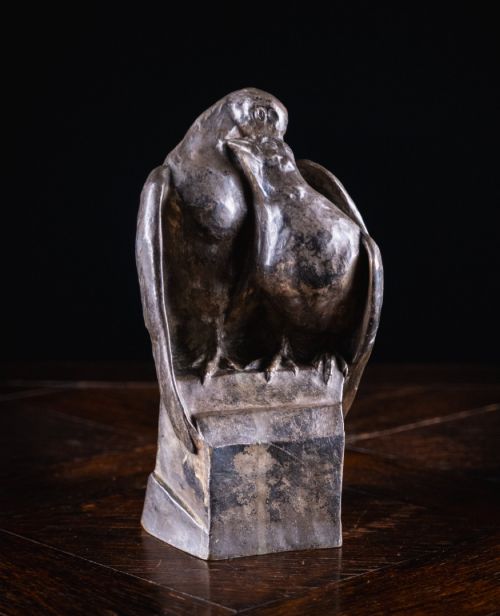
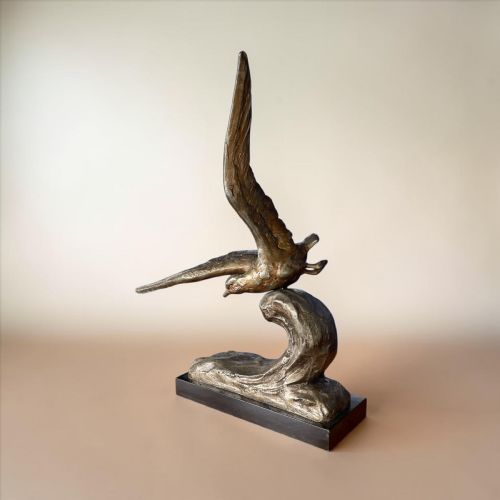
A bronze bird ornament encompasses sculptural studies, desk accessories, and vessels created across the nineteenth and early twentieth centuries. These figures range from naturalistic wildlife depictions to stylised creations influenced by Art Deco and Japanese Meiji aesthetics.
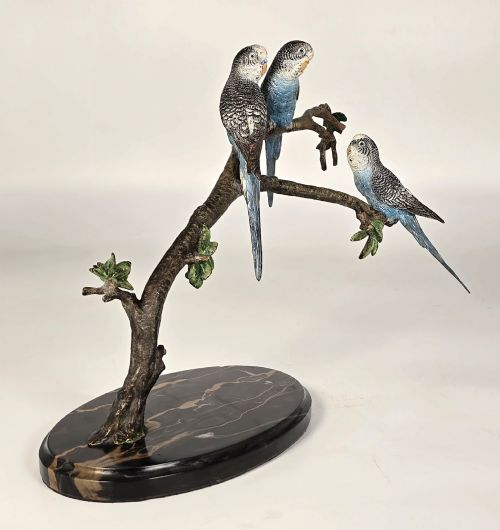
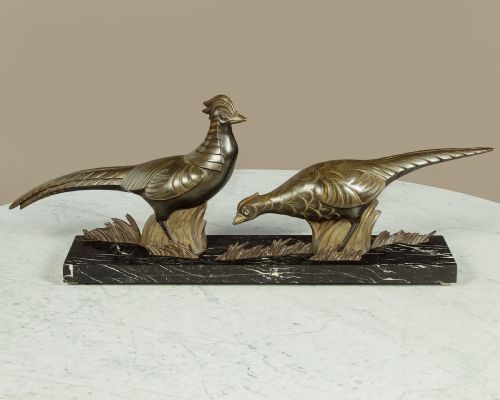
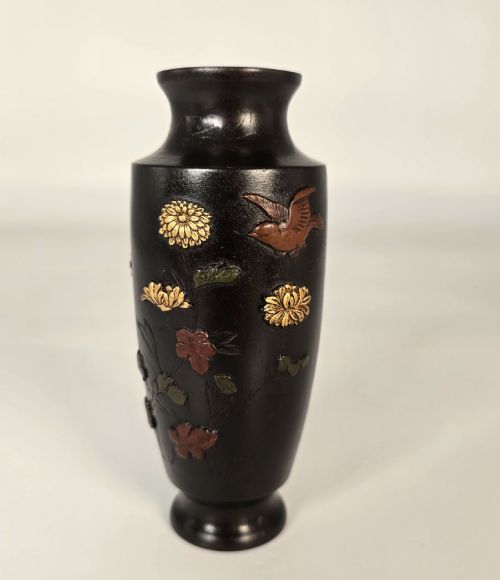
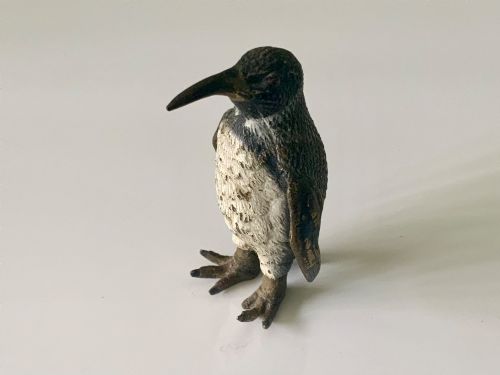
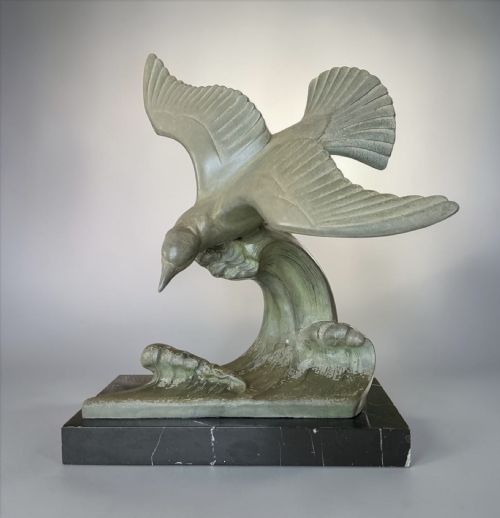
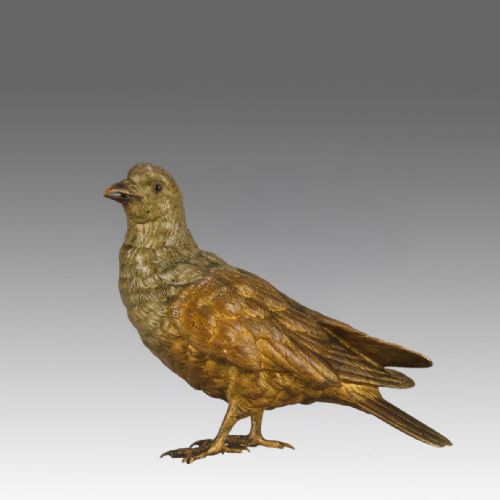
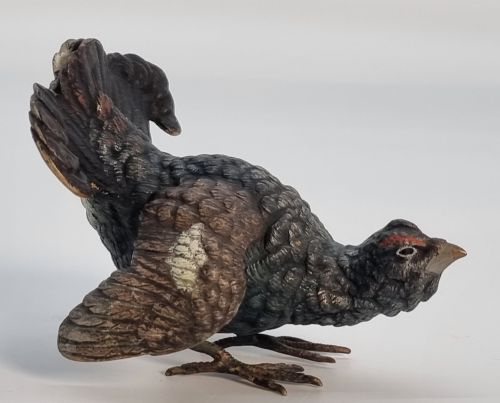
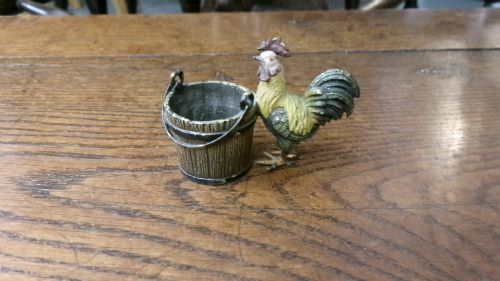
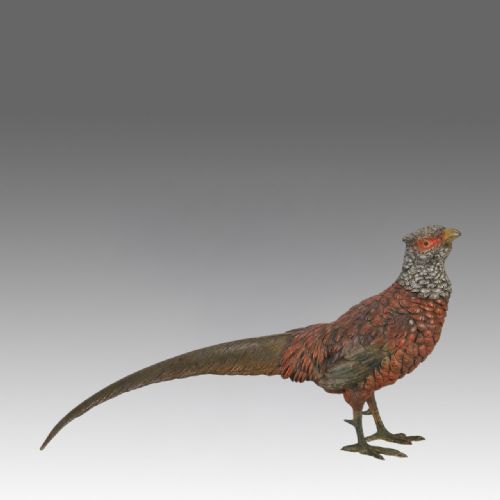
The most common examples on this page are cold painted Austrian bronzes depicting songbirds, game birds, and raptors. Other frequent forms include French animalier figures mounted on marble plinths and Japanese bronze vases featuring avian motifs.
How they were made
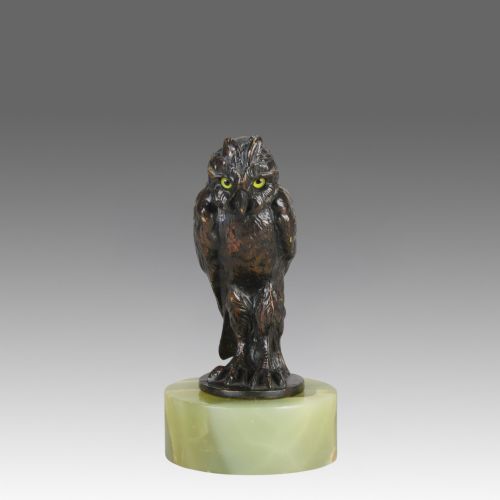
Many of these objects utilise the lost-wax casting technique to capture intricate feather detail and lifelike postures in bronze. Artisans frequently applied polychrome enamel paint by hand to cold painted pieces, creating vibrant plumage on subjects such as pheasants and owls.
Mounts and bases incorporate contrasting natural materials like black marble, onyx, wood, and copper. Some Japanese works employ mixed metal techniques to highlight specific details within the bronze surface.
Object forms range from desk accessories and bookends to freestanding animalier sculptures and Japanese vases.
What varies in quality
The precision of the initial casting dictates the clarity of fine details such as individual feathers and facial expressions. Superior pieces display crisp anatomical accuracy and dynamic posture, whereas inferior examples appear static and lack definition.
The preservation of original cold painted enamel finishes heavily influences the overall standard of a piece. Hand-painted surfaces that retain their original colour without extensive flaking represent higher quality craftsmanship.
Franz Bergman·Antoine Louis Barye·Barbedienne·P J Mêne
The Bronze Bird Ornament Glossary
- Cold painted
- A method where enamel paint is applied to cold bronze without subsequent firing. This delicate finish requires careful handling to prevent loss of colour over time.
- Animalier
- A nineteenth-century artistic movement focused on the realistic portrayal of animals. Sculptors in this tradition studied anatomy closely to create lifelike bird and wildlife figures.
- Meiji Period
- A Japanese era lasting from 1868 to 1912 noted for exceptional metalwork and decorative arts. Bronze vases and okimono from this time frequently incorporate traditional avian themes.
- Vienna Bronze
- Small, highly detailed metal sculptures produced in Austrian workshops during the late nineteenth and early twentieth centuries. These ornaments often depict birds and animals with painted surfaces.
Bronze Bird Ornament: Frequently Asked Questions
How do I clean a cold painted bronze bird?
Dust the surface gently with a soft, dry brush to remove particles without disturbing the delicate paint layer.
Avoid using water, chemical solvents, or abrasive cloths, as these substances will strip the original polychrome finish.
Where should I place a bronze bird ornament?
Display these sculptures on flat surfaces such as mantelpieces, desks, or wooden cabinets where they can be viewed closely.
Keep them away from direct sunlight and damp areas to protect the bronze patina and any painted or marble elements.
What is an animalier bronze?
An animalier bronze is a nineteenth-century sculpture focused specifically on accurate representations of animals in natural poses.
These pieces capture birds and other wildlife with anatomical precision, often highlighting movement or behaviour.
How do I identify a Vienna bronze?
Vienna bronzes are typically small, solid cast figures distinguished by their vibrant cold painted enamel surfaces.
Many bear manufacturer stamps or foundry marks on the underside, often associated with workshops like that of Franz Bergman.