



Bronze Athletic Sculpture
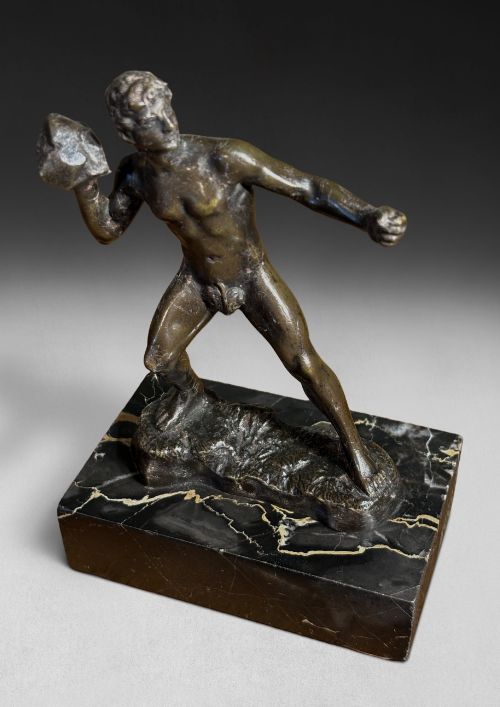
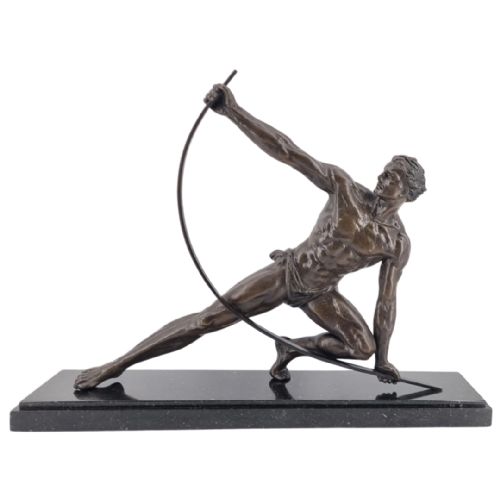
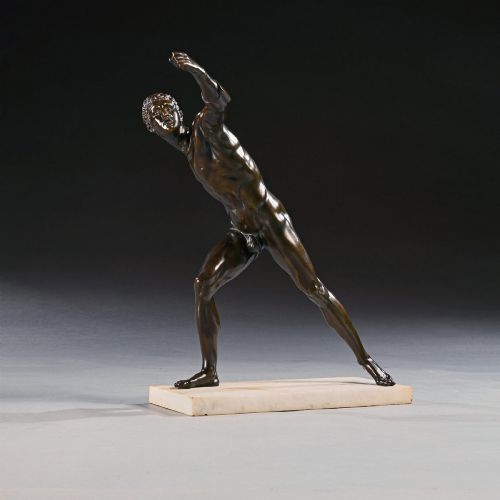
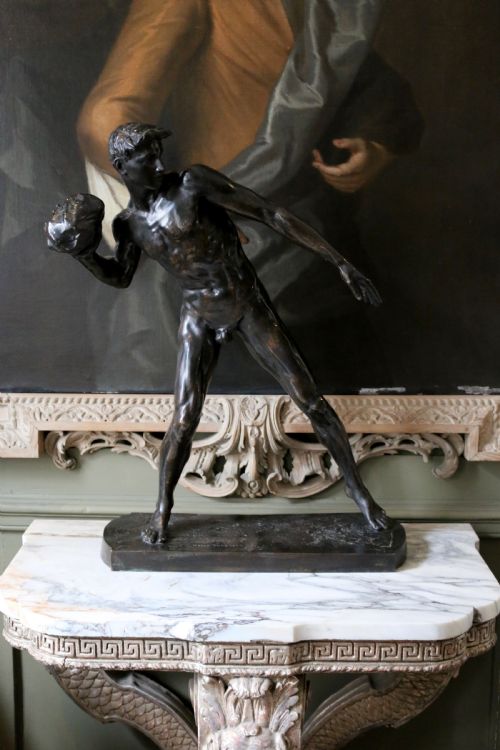
These bronze athletic sculpture pieces capture muscular exertion and classical form, offering a physical vitality that defines the best figurative metalwork.
Bronze Athletic Sculpture
A bronze athletic sculpture represents human physical prowess, ranging from classical gladiators and wrestlers to modern tennis players, ice skaters, and power lifters. These works span the nineteenth century through the Art Deco period, capturing the shifting ideals of the human body across different artistic movements.
Buyers frequently encounter French examples from the nineteen-thirties alongside nineteenth-century Grand Tour reductions and Victorian New Sculpture. Forms vary from small desk figures to large-scale gallery pieces mounted on marble or wooden bases.
The aesthetic shifts noticeably from the idealised classical restraint of the nineteenth century to the stylised, dynamic vigor of Art Deco creations. Figures engage in specific sports or combat, reflecting the popular pastimes and heroic archetypes of their respective eras.
Materials and Casting Techniques
The primary medium is cast bronze, frequently enhanced with patinated, silvered, or gilt surfaces to accentuate musculature and costume detail. Bases incorporate contrasting materials such as marble, metal, and wood to provide physical stability and visual weight.
Foundries utilised traditional lost-wax or sand-casting methods to achieve fine anatomical definition and smooth transitions across the metal. Surface finishes were applied manually using chemical patination, cold-painting, or metal gilding to create distinct tonal variations.
Bronze Athletic Sculpture Retail Price Guide 2026
Typical asking prices for bronze athletic sculpture among the pieces listed under this phrase on Sellingantiques today, from the lower quarter to the upper quarter. They describe what is for sale here now, not the wider market.
Some Victorian athletes appear remarkably serious while balancing precariously on unexpectedly small marble plinths.
Markers of Quality and Execution
Superior execution is evident in the anatomical accuracy of the musculature and the crispness of the chasing work after casting. Lesser examples suffer from softened details, obscured facial expressions, and poorly finished seams where individual elements join.
The sophistication of the surface patination and the quality of the mounting base distinguish exceptional works from standard foundry production. Well-defined signatures from known sculptors and rigorous attention to dynamic movement elevate the artistic merit of the piece.
Jean de Roncourt·Hamo Thornycroft·L. Gerfaux·Desire Grisard·Rudolf Küchler·Claire Colinet·Bruno Zach·Eden Antony Paul Noel
The Bronze Athletic Sculpture Glossary
- Patinated Bronze
- Bronze treated with chemical solutions to produce a specific surface colour or tone. This process protects the metal and highlights sculptural details.
- Lost-Wax Casting
- A method of metal casting where a molten metal is poured into a mould that has been created by means of a wax model. It allows for intricate detail and undercut forms.
- Grand Tour
- The nineteenth-century practice of cultural travel through Europe, generating demand for small bronze reductions of classical antiquities. These pieces served as scholarly souvenirs for wealthy collectors.
- Art Deco
- A design style prevalent in the nineteen-twenties and nineteen-thirties characterised by streamlined geometric forms and stylised depictions of movement. Sculptures from this period often celebrate modern athleticism and speed.
- Victorian New Sculpture
- A late-nineteenth-century British artistic movement that revitalised bronze sculpture through naturalistic observation and heightened narrative drama. Works from this circle emphasise physical tension and anatomical realism.
Bronze Athletic Sculpture: Frequently Asked Questions
How do I identify an Art Deco piece?
Art Deco athletic sculptures typically display stylised, geometric muscle structures and modern sporting subjects like tennis players or ice skaters. The patination often favours sleek silvered or dark patinated finishes.
Foundry marks and artist signatures from the nineteen-twenties and thirties further confirm the period origin of the casting.
What is a Grand Tour bronze?
Grand Tour bronzes are nineteenth-century reductions of famous classical sculptures collected by travellers touring European historical sites. They represent ancient athletes, gladiators, and mythological figures.
These pieces were valued for their educational and decorative role in nineteenth-century domestic interiors.
Are these sculptures solid bronze?
Many figures are cast using the hollow method to conserve metal and reduce overall weight while maintaining structural integrity. Bases are frequently solid marble, wood, or metal to anchor the composition securely.
Heavier pieces often indicate solid casting or dense internal weighting within the primary figure.
How should I clean my bronze?
Dust the surface regularly with a soft, dry cloth to prevent particulate buildup on the patinated metal. Avoid abrasive cleaners or commercial polishes that can strip the chemical patination.
Occasional application of microcrystalline wax helps protect the bronze surface from atmospheric moisture.