


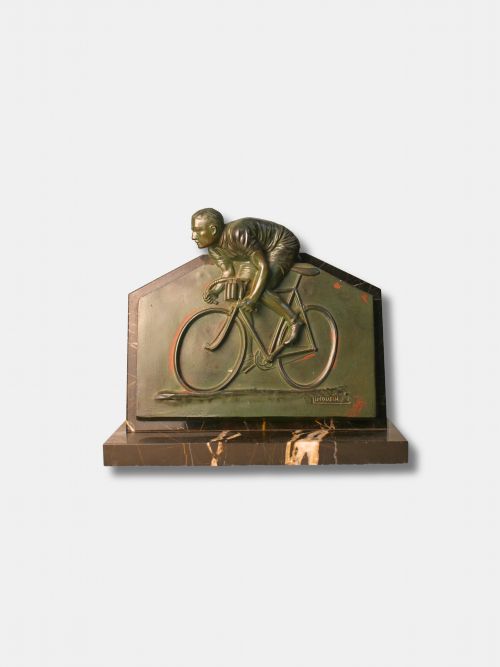

Bronze Art Desk Ornament
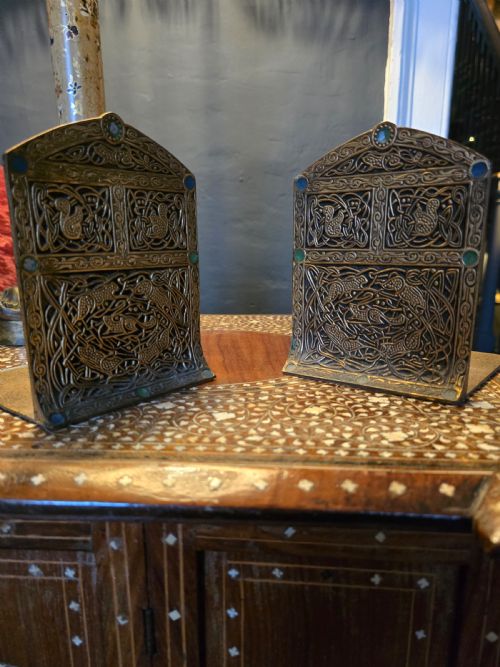
These pieces for a bronze art desk ornament bring sculptural character to a workspace through periods ranging from the nineteenth century to later than nineteen sixty.
Bronze Art Desk Ornament
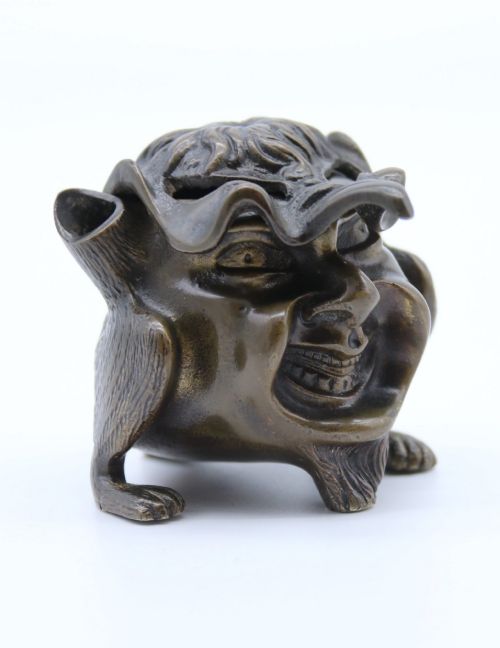
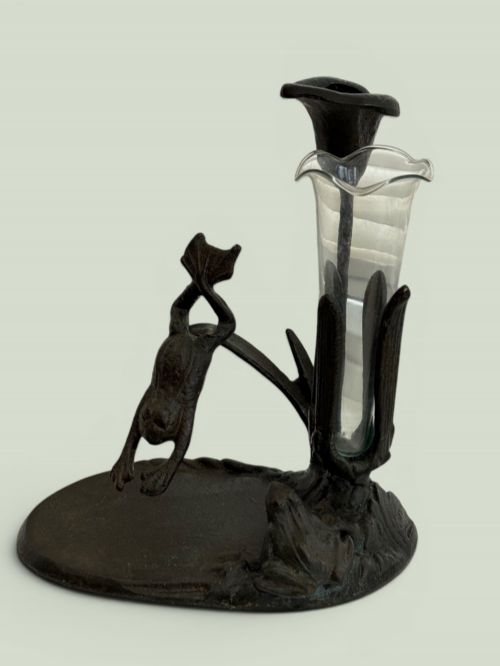
A bronze art desk ornament serves as a functional or decorative fixture on a surface, taking forms such as inkwells, bookends, letter openers, flower holders, and small sculptures. The selection draws heavily from French, Austrian, and American workshops spanning the late nineteenth century through the art deco and art nouveau movements.
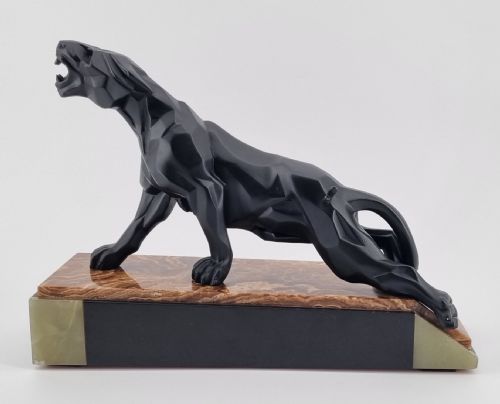
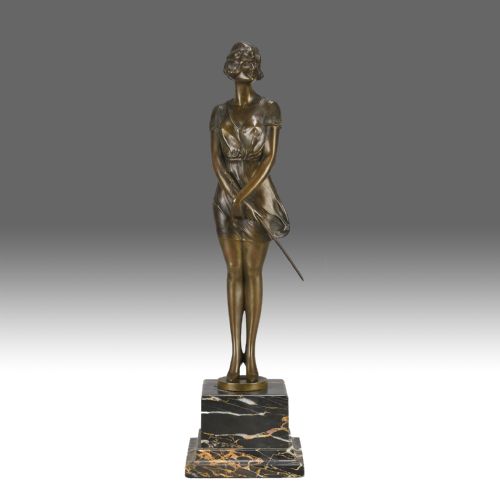
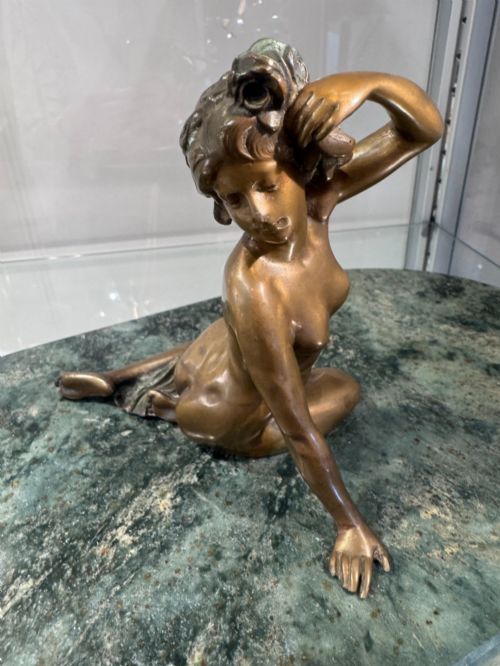
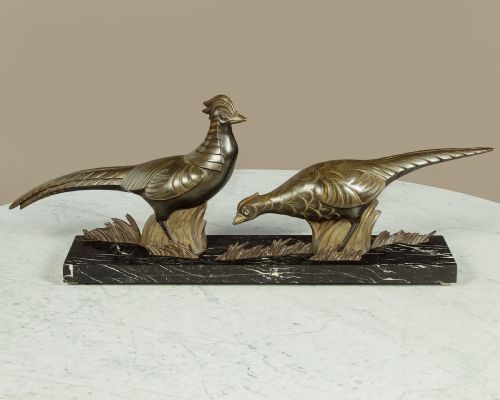
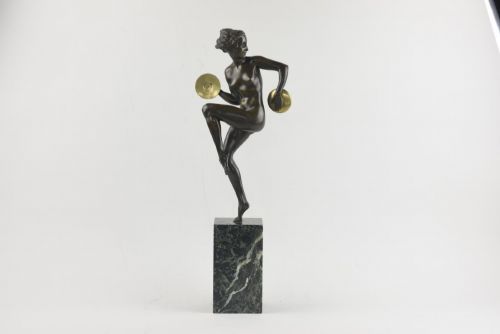
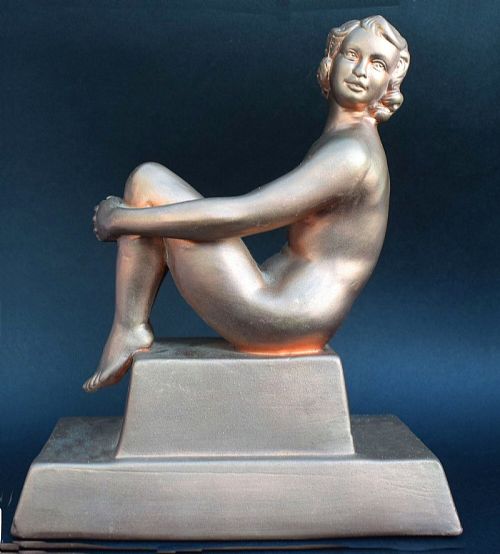
Buyers frequently encounter figures of dancers, athletes, animals like albatrosses and pheasants, and mythological subjects cast in bronze, gilt bronze, or silvered bronze. Many examples incorporate heavy stone bases made of marble or onyx to anchor the metalwork firmly to a desk or table.
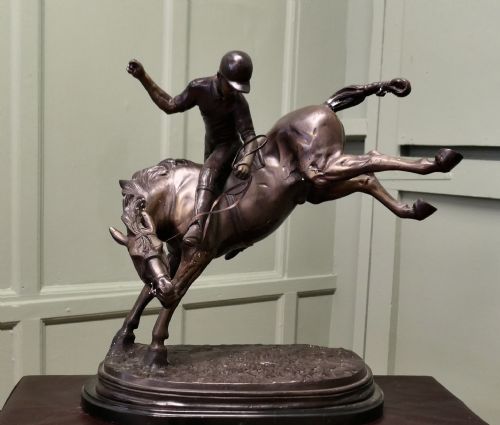
Origins stretch across European schools, including Viennese cold-painted items and French animalier or human studies, alongside contemporary equestrian works. The variety spans functional writing implements to pure statuary intended to sit among papers and books.
How they were made
Foundries cast these objects using traditional methods, utilising bronze, patinated metal, and spelter for the primary figures. Cold-painted techniques add vibrant enamel colours to Austrian bronzes, while others receive a rich gilt or silvered finish.
Sculptors mounted the metal figures directly onto contrasting natural plinths of black marble or polished onyx. Glass and other materials occasionally complement the metal casting in pieces such as flower holders and inkwells.
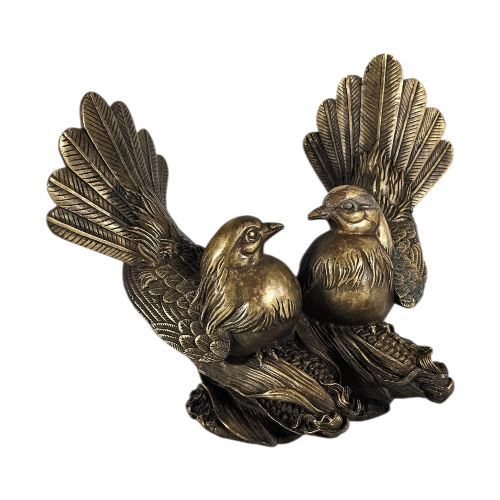
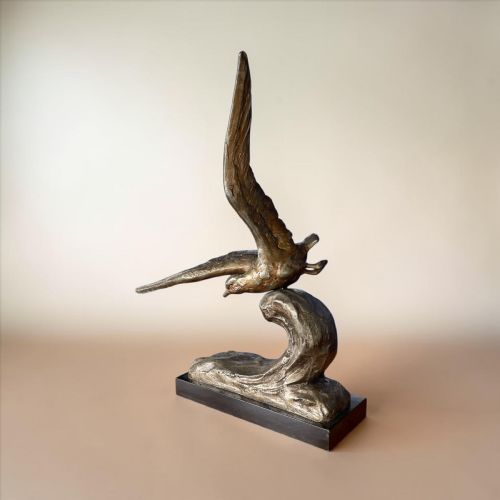
A bronze albatross catches a wave while a metal pigeon duo watches from nineteen hundred.
What varies in quality
The definition of the cast and the crispness of the chasing separate standard items from superior works. Finer examples retain sharp details in hair, drapery, and feathers that weaker casts lose during replication.
The quality of the patination and the density of the supporting marble or onyx plinth dictate the overall presence of the piece. Master founders achieved subtle tonal shifts in the metal surface that lesser workshops failed to replicate.
Bruno Zach·Aurore Onu·Tiffany Studios·Josef Lorenzl·Franz Bergman·Jennings Brothers·Carl Kauba
The Bronze Art Desk Ornament Glossary
- Spelter
- A zinc alloy frequently utilised as a less expensive alternative to bronze for figural sculptures. It accepts patination and metallic paint finishes well, often mounted on marble bases.
- Cold-painted bronze
- A method where the bronze receives paint applied directly to the cold metal surface rather than being fired in a kiln. This technique is particularly associated with Austrian workshops producing small figures and animals.
- Patination
- The chemical or natural surface colouring applied to metal sculptures to create depth and highlight details. It ranges from deep brown and black tones to green verdigris.
- Gilt bronze
- Bronze that has been coated with a thin layer of gold or gold amalgam to give a bright metallic sheen. It appears frequently on decorative items and bookends from the late nineteenth and early twentieth centuries.
- Chasing
- The manual refinement of a metal casting using punches and chisels to sharpen details and remove surface flaws. This step occurs after the piece leaves the foundry.
Bronze Art Desk Ornament: Frequently Asked Questions
How do I identify art deco bronze figures?
Art deco pieces display clean geometric lines, stylised human forms such as dancers and athletes, and often incorporate sleek materials like black marble and onyx.
Subjects frequently capture movement, from racing greyhounds to golfers and figures caught mid-stride.
What is cold-painted bronze?
Cold-painting involves applying unfired paint directly onto the surface of a cast bronze object.
This technique was favoured by Viennese workshops to render small animal studies and human figures with bright colours.
Why are some figures mounted on marble?
Heavy stone plinths made of marble or onyx provide a stable anchor for metal sculptures used on desks and tables.
The contrasting stone texture also frames the patinated or silvered metalwork effectively.
How do I care for antique bronze ornaments?
Dust the metal and stone gently with a soft cloth and avoid chemical cleaning agents that can strip the original patination.
Keep the pieces away from direct moisture and extreme temperature shifts to protect the surface finish.