

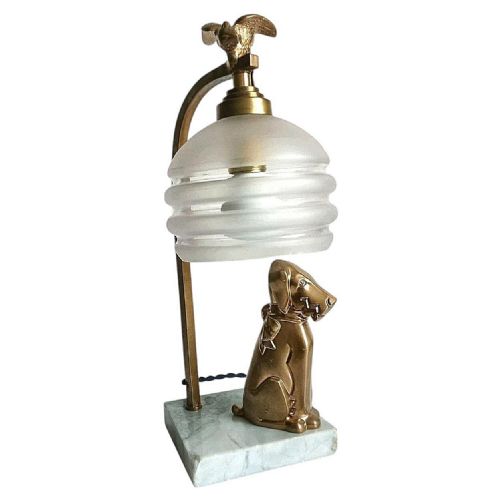

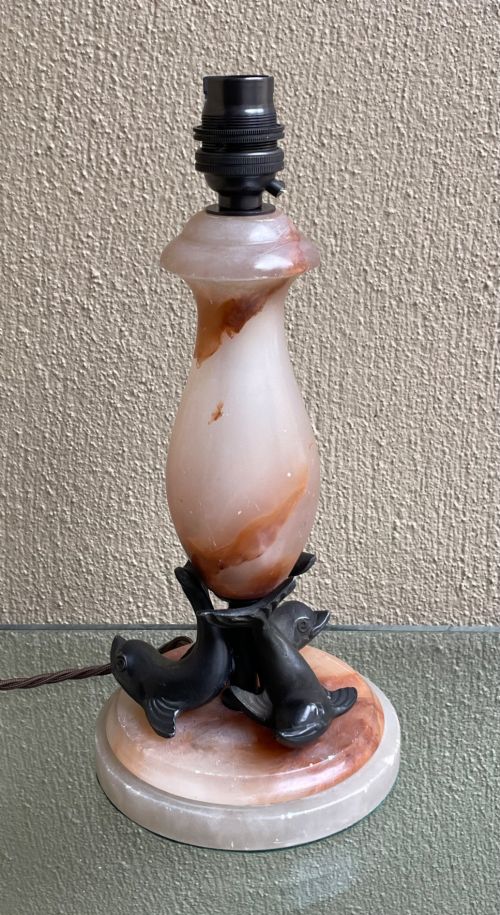


Bronze Art Deco Lamp
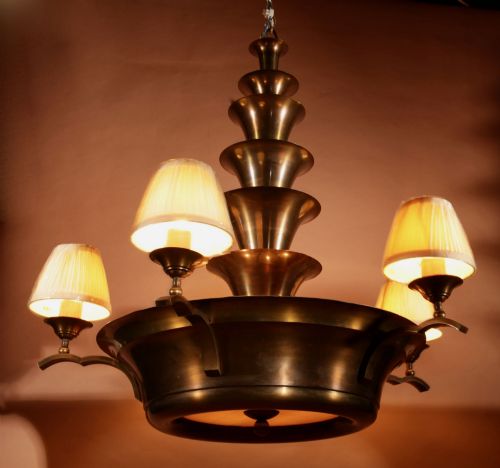
These pieces combine cast metal and glass into striking geometric or figural lighting.
Bronze Art Deco Lamp
A bronze art deco lamp brings distinct period lighting into an interior, drawing on designs originating from the nineteen-tens through to the nineteen-forties. The selections here range from substantial figural pieces depicting ladies, dancers, and animals to functional desk and table lighting.
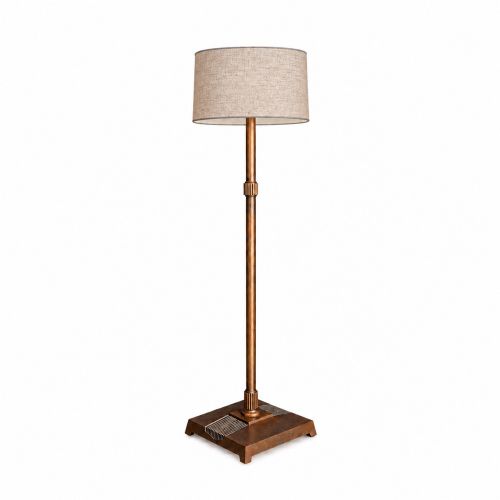
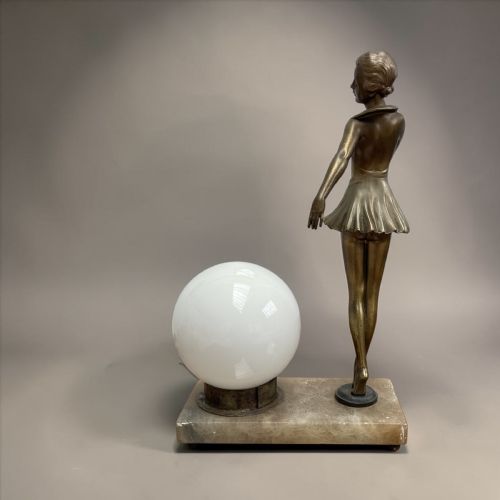
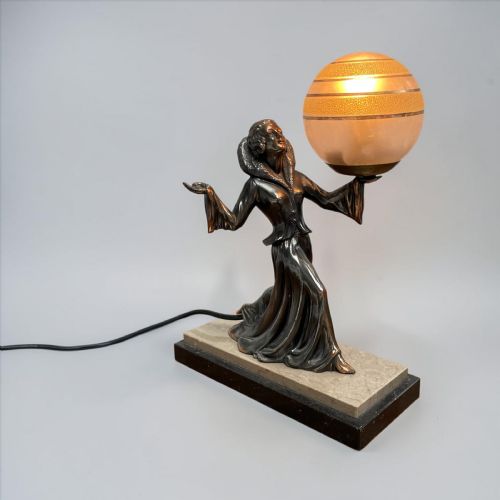
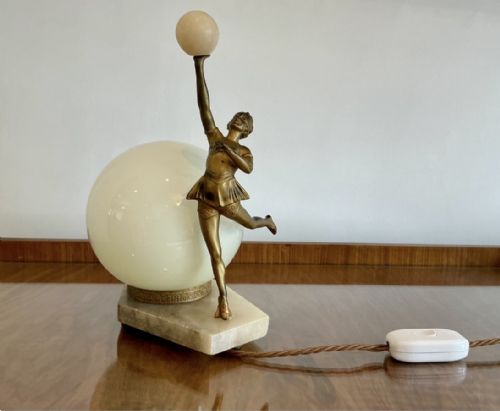
Figural table lamps depicting human figures or animals mounted on marble bases appear frequently. Alongside these, geometric and industrial forms utilising bronze, brass, and patinated metal reflect the broader styles of the period.
Materials and construction
Makers utilised cast bronze, spelter, and brass for the structural bodies, frequently mounting them upon marble or alabaster bases for stability and contrast. Metal components received patination, gilding, or cold-painted finishes.
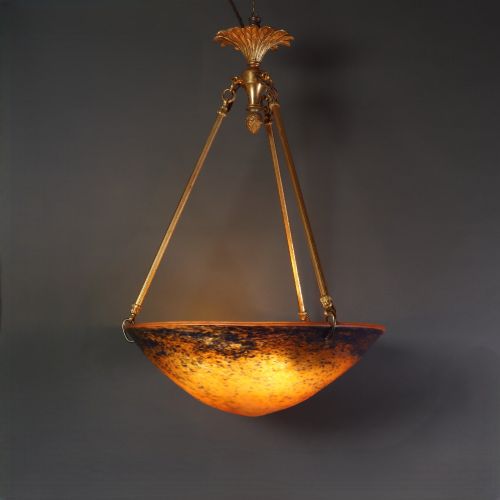
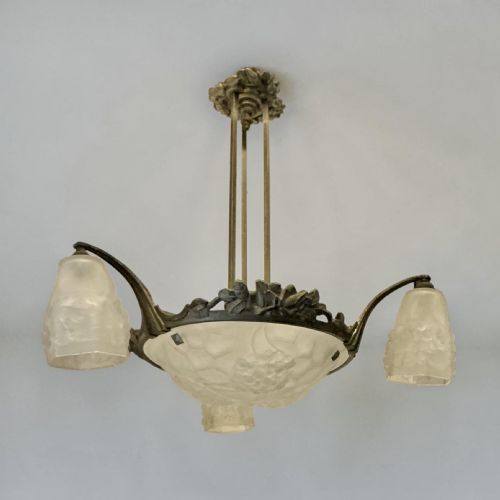
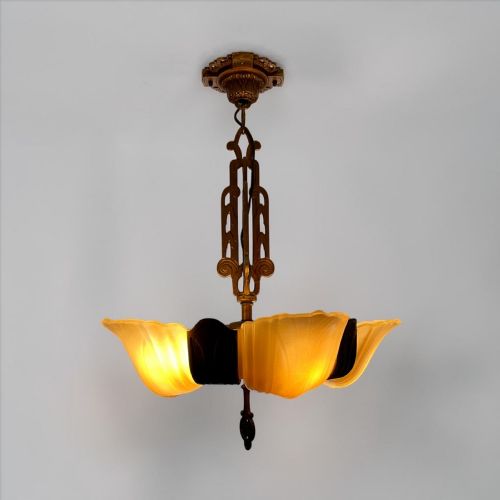
Shades incorporated frosted glass, amber glass, opaline glass, or cut glass to diffuse the light. Some examples paired metalwork with alternate materials such as macassar or toleware.
Bronze Art Deco Lamp Retail Price Guide 2026
Typical asking prices for bronze art deco lamp among the pieces listed under this phrase on Sellingantiques today, from the lower quarter to the upper quarter. They describe what is for sale here now, not the wider market.
The archive reveals French workshops favoured monumental figural table lamps matched with opaline and art glass shades.
Distinctions in standard and execution
The integration between the metal base and the glass shade determines the structural coherence of the piece. Matching original glass components, such as specialised slip shades or moulded bowls, elevate the integrity of the object.
Bruno Zach·P.Sega·Muller Bros·Emile Galle·Decoux·Ezan·Hawkins
The Bronze Art Deco Lamp Glossary
- Spelter
- A zinc alloy utilised as a substitute for bronze in decorative metalwork. It accepts patination and cold-painted finishes to simulate heavier metals.
- Patina
- The surface sheen or colour achieved through oxidation or chemical treatment on bronze and metal elements. It develops naturally over time or is applied during manufacture.
- Slip shade
- A moulded piece of glass inserted directly into a metal frame or fixture, typical of American lighting design from the period.
- Alabaster
- A fine-grained stone used for lamp bases and sculptural elements. It allows light to diffuse softly when illuminated from within.
Bronze Art Deco Lamp: Frequently Asked Questions
How do I identify a bronze art deco lamp?
Examine the materials for cast bronze, patinated metal, or spelter combined with marble bases and moulded glass shades. Stylistic markers include geometric motifs, stylised figures, and clean architectural lines characteristic of the period.
Check for signatures or foundry marks on the base or metal body. The weight and method of construction help distinguish period pieces from later reproductions.
Where should I place a bronze art deco lamp?
These lamps function effectively on side tables, desks, and sideboards where their sculptural forms remain visible. Figural and night light variants suit ambient placement in reception rooms and bedrooms.
Ensure the scale of the lamp matches the surrounding furniture. Positioning them away from high-traffic edges protects delicate glass shades and marble bases.
Are these lamps wired for modern use?
Many examples retain older wiring or have undergone rewiring to meet contemporary safety standards. Inspection by a qualified electrician ensures the internal components function correctly.
Retaining original lampholders is desirable, but modern cords and plugs are typically fitted for safe domestic operation.
What is the difference between bronze and spelter?
Bronze is an alloy of copper and tin offering durability and fine casting detail. Spelter is a softer, zinc-based alloy commonly used for economical figural castings during the period.
Spelter pieces are lighter and require careful handling to prevent surface damage. Magnification or examining the underside often reveals the lighter grey metal beneath a painted finish.