

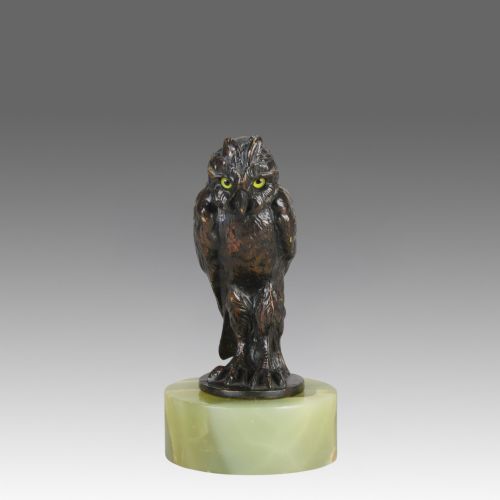


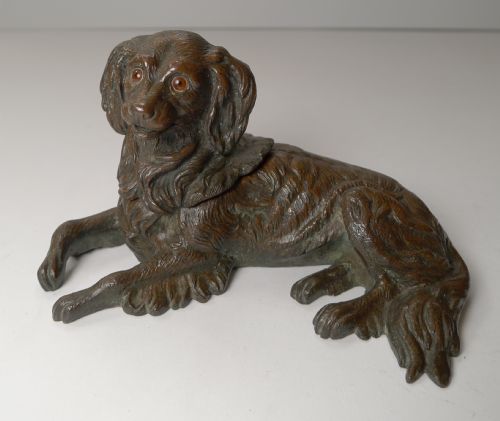


Bronze Animal Desk Accessory
These bronze animal desk accessory pieces combine utility with character, offering collectors practical desktop items cast in the form of birds, dogs and wild animals.
Bronze Animal Desk Accessory
A bronze animal desk accessory takes the form of functional desktop items such as inkwells, bookends, pen trays and desk ornaments. These objects served the writing desks of the nineteenth and early twentieth centuries, turning mundane stationery equipment into sculptural displays.
The pieces on this page span the Victorian era, the Art Deco period and the early twentieth century, incorporating Austrian cold painted works, English figural pieces and French animalier designs. Common subjects include dogs, birds, farm animals and wild beasts rendered in cast metal.
Most items combine a cast metal figure with a functional element, such as a glass inkwell insert, a marble base or a set of bookends. They reflect a period when desk accessories were designed with high artistic ambition and sculptural detail.
How they were made
The foundation of these pieces is metal casting, utilising traditional techniques in bronze, gilded bronze, cast iron and spelter. Molten metal was poured into moulds to capture fine textures like fur, feathers and facial expressions.
Many items feature cold painting, where enamel or polychrome paint was applied to the cured bronze surface rather than fired in a kiln. Details such as glass eyes and fitted crystal inserts were integrated into the metal housings to complete the functional designs.
Bronze Animal Desk Accessory Retail Price Guide 2026
Typical asking prices for bronze animal desk accessory among the pieces listed under this phrase on Sellingantiques today, from the lower quarter to the upper quarter. They describe what is for sale here now, not the wider market.
Mr Fox enjoys his writing hours dressed in a comfortable nightgown.
What varies in quality
The standard of a bronze animal desk accessory depends heavily on the crispness of the casting and the preservation of any cold painted or gilded surface decoration. Finer pieces retain intricate surface tooling and hand-painted details that remain vibrant after decades of handling.
Quality also rests on the integration of materials, such as the clarity of cut crystal inkwells, the stability of marble or onyx bases, and the presence of original glass eyes. Superior examples show thoughtful proportion between the animal figure and its functional base.
Asprey Of London·C Omin
The Bronze Animal Desk Accessory Glossary
- Cold painted bronze
- A method where bronze sculptures are painted with polychrome paints after casting, without being subjected to kiln firing. This technique is particularly associated with Austrian workshops producing small animal figures.
- Animalier
- A nineteenth-century artistic movement focused on the realistic depiction of animals, often rendered in bronze. Sculptors in this tradition studied animal anatomy closely to capture natural movement.
- Inkwell
- A small jar or container used to hold writing ink, typically set into a desk stand or fitted with a hinged lid. Many antique examples incorporate figural metal animals into the lid or surround.
- Spelter
- An alloy of zinc and copper used as a less expensive substitute for bronze in decorative metalwork. It was commonly utilised for Art Deco bookends and figures.
- Patina
- The surface sheen and coloration developed on metal through age, wear, or chemical treatment. A well-preserved patina adds depth to the sculptural details of a desk accessory.
Bronze Animal Desk Accessory: Frequently Asked Questions
What is a cold painted bronze?
Cold painted bronze refers to metal sculptures that have been hand-painted with cold enamel colours rather than fired in a kiln. This method was widely used in Austria to create brightly coloured animal figures.
Over time, handling can cause these delicate paint layers to show wear, making pieces with preserved original paint particularly sought after by collectors.
How were figural inkwells used?
Figural inkwells served as both practical containers for writing ink and decorative ornaments for executive desks. The animal figure often functioned as the hinged lid or sat atop a marble or metal tray.
Users would dip their quill or pen into the central well, while the surrounding metalwork protected the desk from spills and held pens.
How do I distinguish bronze from spelter?
Bronze is a heavier, copper-based alloy that develops a warm patina and accepts fine chiselling easily. Spelter is a softer zinc alloy that feels lighter and often shows a distinct greyish metal beneath worn paint finishes.
Art Deco bookends frequently utilised spelter as a cost-effective alternative to solid bronze while maintaining sculptural form.
How should I care for an antique desk accessory?
Care for these pieces involves gentle dusting with a soft brush and avoiding harsh chemical cleaners that might strip the original patina or cold painted finish. Glass inserts should be washed separately if removable.
Keeping the items away from direct sunlight and damp environments helps preserve the integrity of the metal, paint and stone bases.