

Bronze and Porcelain Table
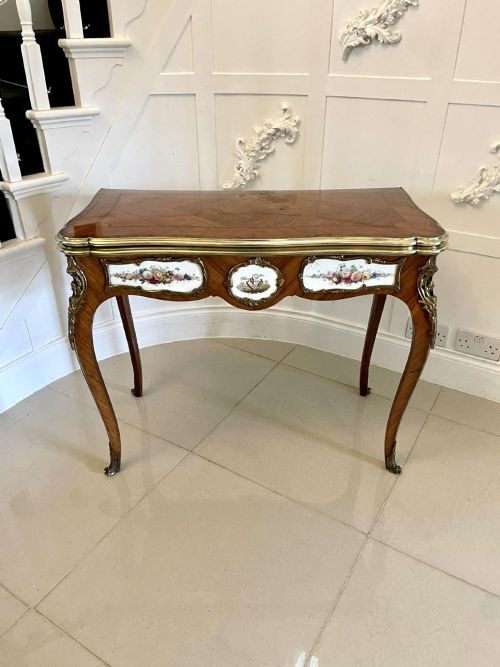
A bronze and porcelain table or clock unites refined metal mounts with decorated ceramic bodies in nineteenth-century French interiors.
Bronze and Porcelain Table
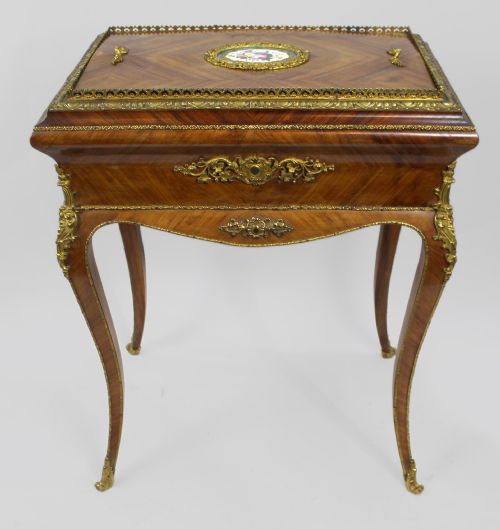
When searching for a bronze and porcelain table or related furnishings, buyers encounter nineteenth-century French decorative arts that combine metalwork and ceramics.
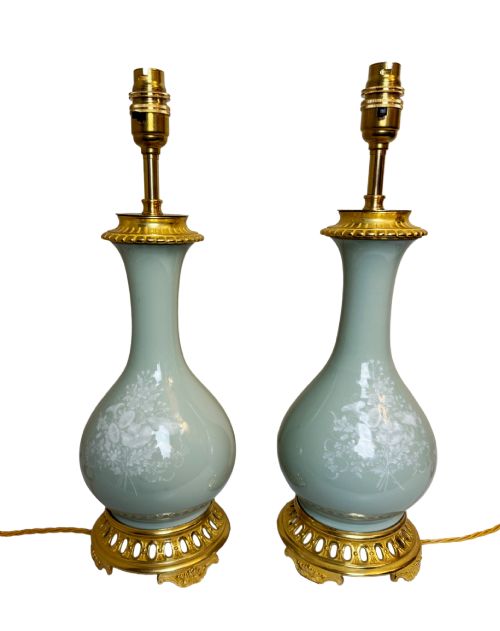
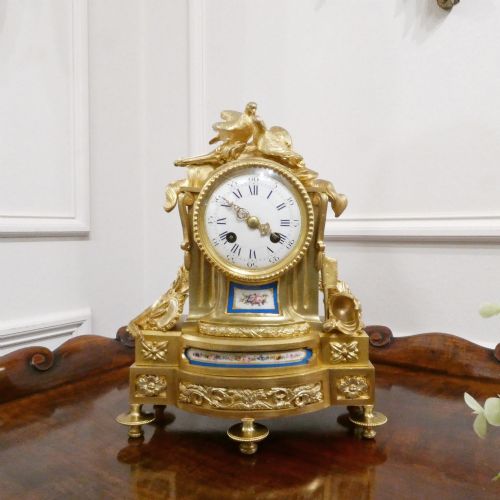
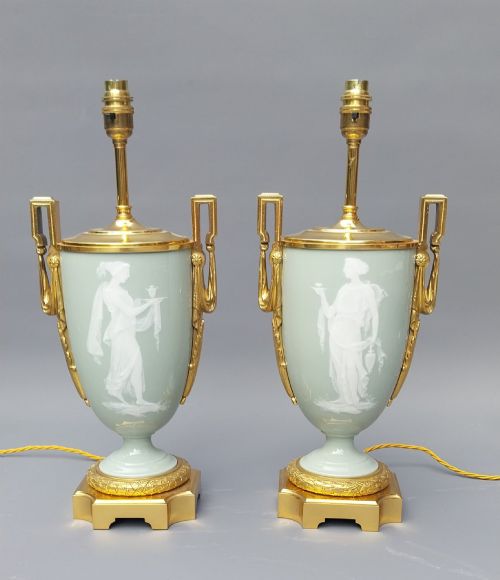
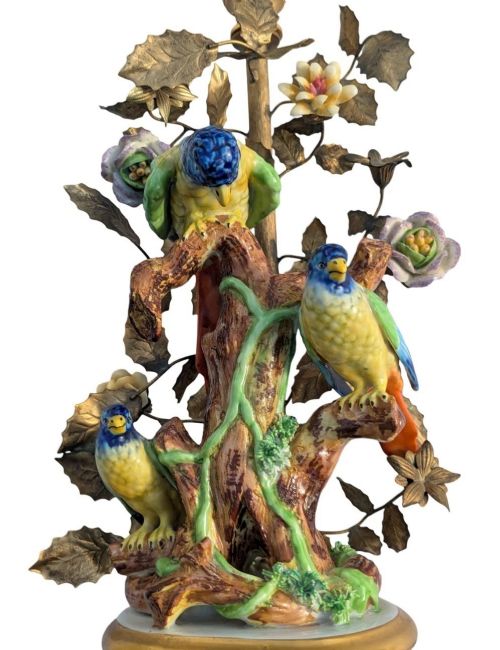
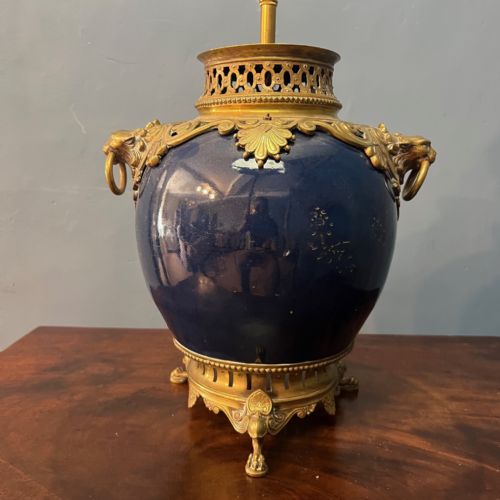
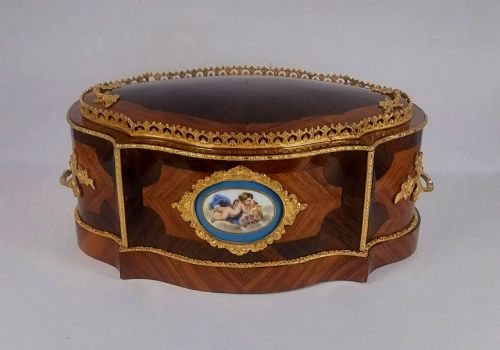
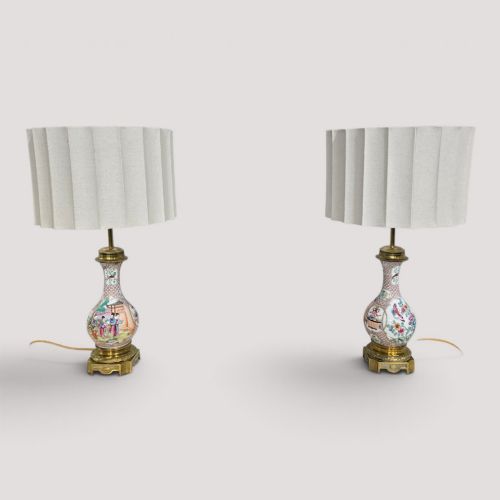
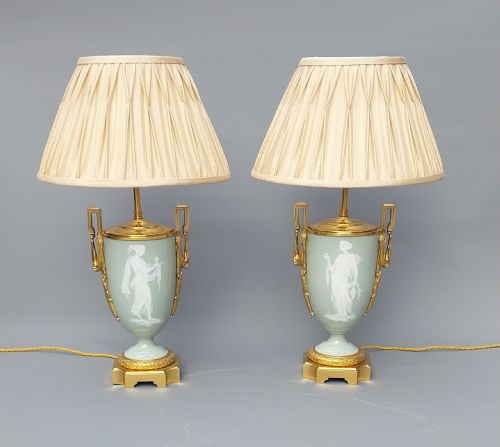
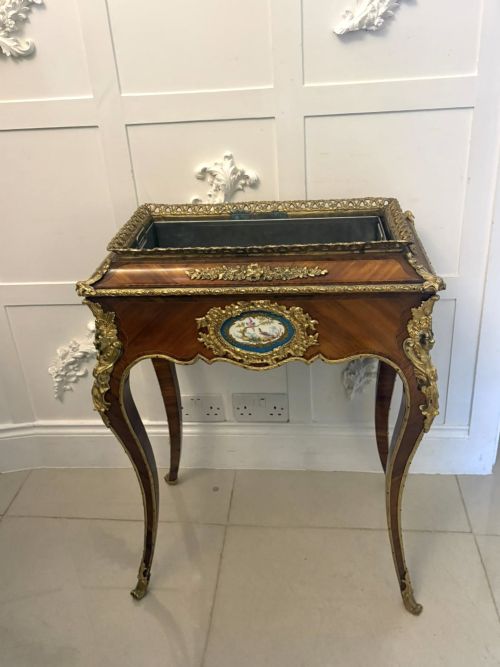
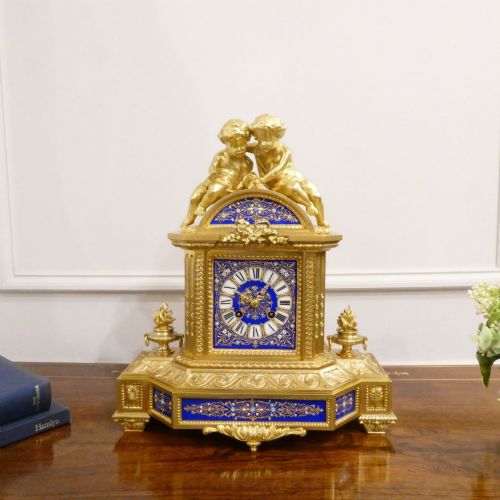
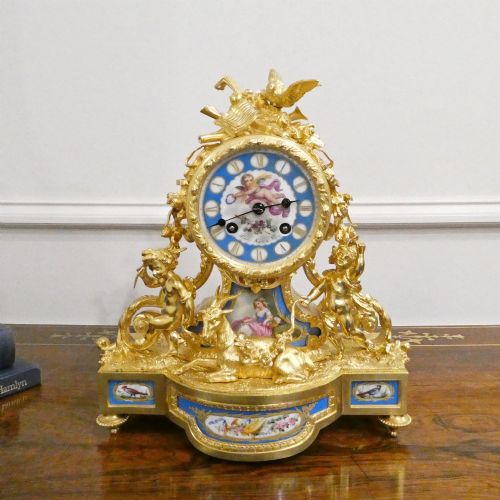
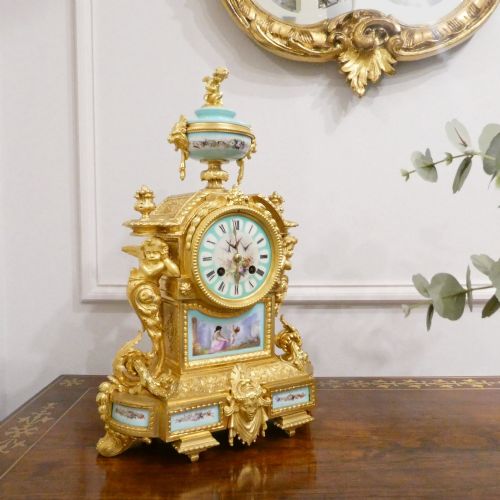
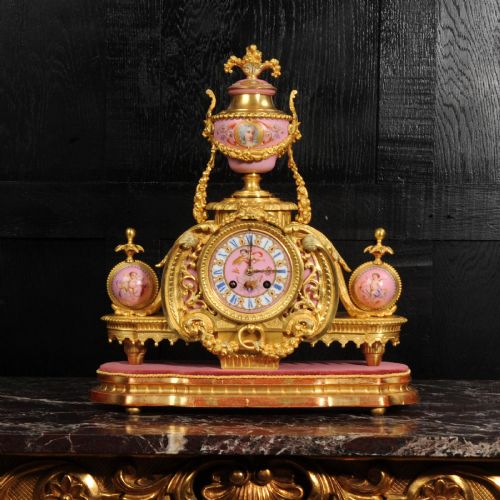
The selections on this page most frequently include mantel clocks, table lamps, and jardinieres featuring porcelain plaques or bodies mounted in gilt bronze and ormolu.
These items span periods such as the Victorian era, the Edwardian period, and specific decades from 1860 to 1900, reflecting revival styles like Louis XV and Louis XVI.
Materials and construction methods
Craftsmen utilised kiln-fired ceramic bodies, including Sèvres-style porcelain and celadon, often decorated with enamel, glaze, or pâte-sur-pâte techniques.
Foundry workers cast gilt bronze and ormolu mounts to frame the porcelain, while cabinetmakers incorporated kingwood, tulipwood, and rosewood for structural sections.
Bronze and Porcelain Table Retail Price Guide 2026
Typical asking prices for bronze and porcelain table among the pieces listed under this phrase on Sellingantiques today, from the lower quarter to the upper quarter. They describe what is for sale here now, not the wider market.
Listings feature nineteenth-century French pieces predominantly, including Sèvres-style porcelain, gilt bronze, and kingwood across clocks, lamps, and jardinieres.
Quality distinctions in mounted pieces
Superior examples display crisp chasing in the gilt bronze mounts and finely painted ceramic plaques with detailed figural or floral motifs.
The harmony between the ceramic body and the metal armature determines the aesthetic success of each piece, distinguishing workshop output.
Japy Freres·Jean-Baptiste Delettrez·Achille Brocot·Henry Marc·Etienne Lenoir
The Bronze and Porcelain Table Glossary
- Ormolu
- Gilt bronze mounted on decorative objects, created through an amalgam of mercury and gold applied to cast brass or bronze. This technique produced a rich golden finish characteristic of nineteenth-century French luxury items.
- Pâte-sur-pâte
- A method of ceramic decoration where wet white porcelain slip is built up in successive layers on a coloured clay body. It creates a low-relief cameo effect with translucent qualities.
- Jardiniere
- An ornamental stand or container designed to hold plants or flowers, frequently constructed from inlaid woods with ceramic plaques and metal mounts.
- Cartonnier
- A desktop filing cabinet or paper rack, often embellished with ormolu mounts and integrated with leather or wood surfaces.
- Bureau plat
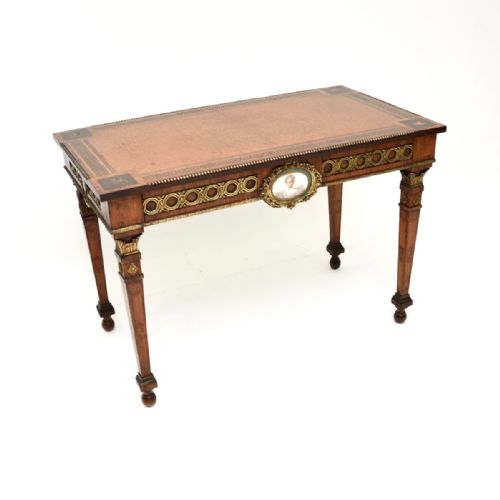
- A flat-topped writing table with drawers, typically decorated with gilt bronze mounts and wood veneers.
Bronze and Porcelain Table: Frequently Asked Questions
What is a bronze and porcelain table?
These items are nineteenth-century French furnishings and decorative objects that combine ceramic elements with cast metal mounts.
They appear as occasional tables, jardinieres, and desks enriched with porcelain plaques and gilt bronze trim.
How were these pieces used originally?
Wealthy households placed mantel clocks, lamps, and planters in principal reception rooms to display taste and status.
Writing desks and small tables served functional roles in boudoirs and parlours while doubling as decorative showpieces.
How do I identify Louis XVI style?
This style relies on neoclassical symmetry, straight tapered legs, and restrained floral or architectural mounts.
It contrasts with the asymmetrical curves and exuberant foliage found in earlier Rococo revival pieces.
How should I care for ormolu and porcelain?
Dust surfaces gently with a soft dry cloth and avoid harsh chemical cleaners that can strip the mercury gilding.
Keep wooden structures and ceramic glazes away from direct sunlight and excessive humidity changes.