




Bronze and Marble Columns
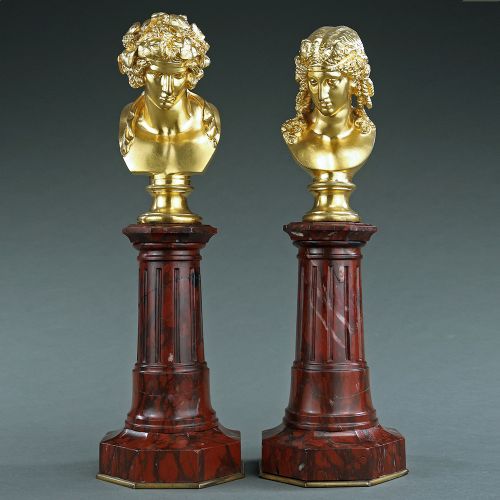
These bronze and marble columns combine architectural dignity with decorative display, serving as substantial supports or focal lighting.
Bronze and Marble Columns
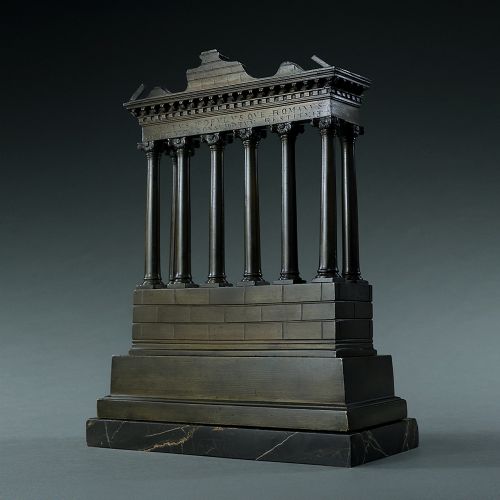
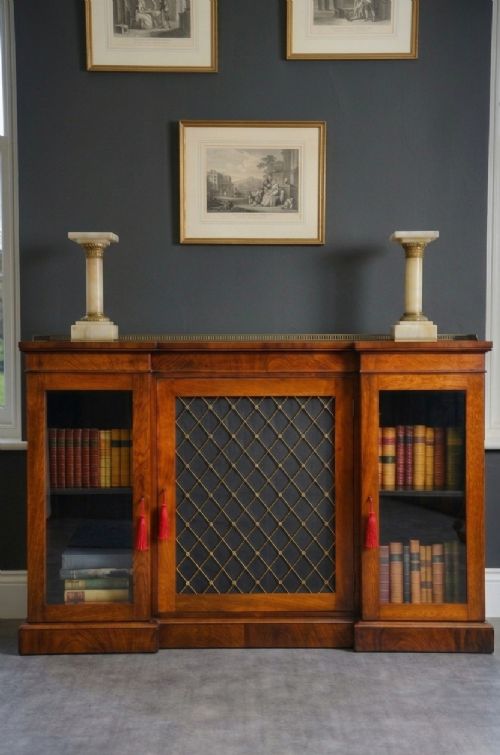
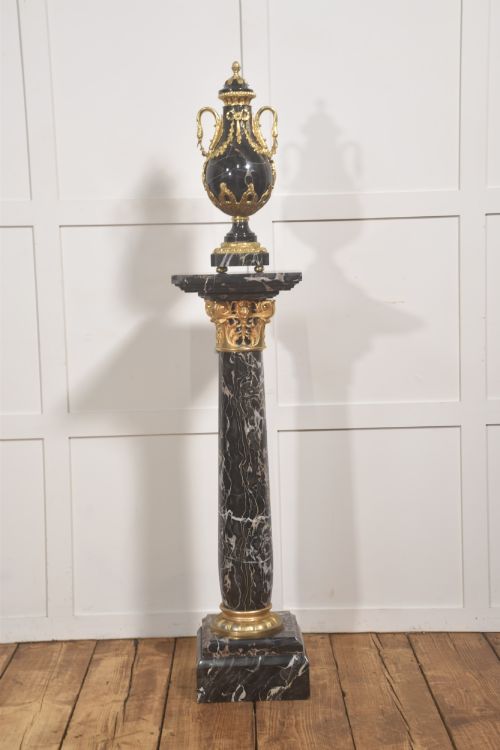
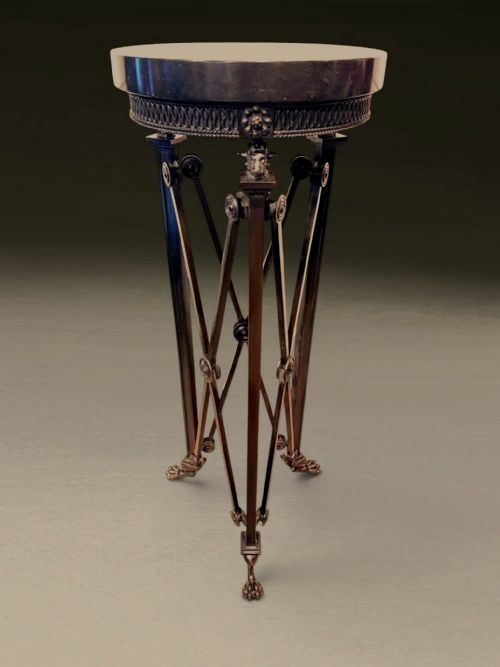
These pieces encompass architectural models, torchere columns, pedestals, and portico clocks that integrate stone and metalwork. When searching for bronze and marble columns, a buyer encounters items designed for classical interior display and elevated support.
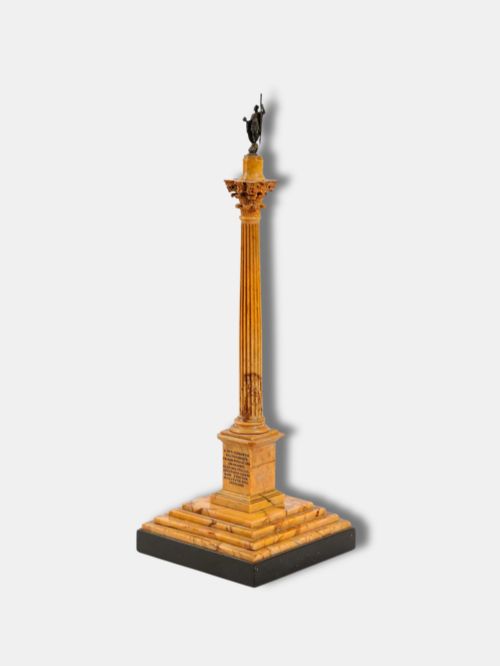
The objects stem predominantly from the nineteenth century, reflecting periods such as the Regency, Victorian, and French Empire eras. Examples range from Grand Tour architectural souvenirs to substantial architectural pedestals and mounted mantel clocks.
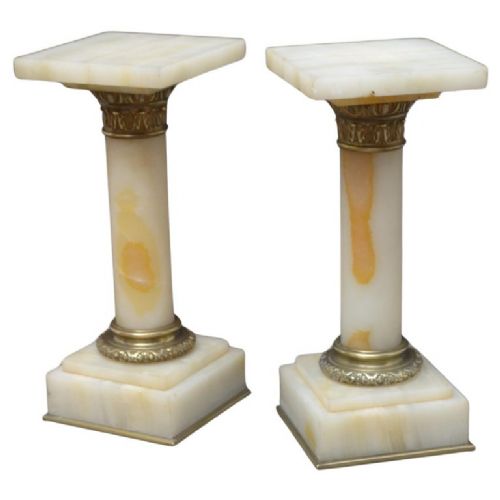
French workshops and Italian makers produced many of the surviving examples found in this category, often utilising classical motifs like Corinthian capitals. These forms serve as display stands for busts, lamps, or urns within traditional interiors.
Materials and Construction
Craftsmen utilised natural stone including marble, onyx, alabaster, and Giallo Antico for the structural shafts and bases, turning and polishing the material to a smooth finish. These stony elements provide significant weight and stability to the objects.
Metal components involve cast bronze, patinated bronze, ormolu, and gilt-metal, which are applied as collars, mounts, capitals, and bases. Gilding and fire-gilding techniques impart a bright metallic contrast to the dark or variegated stone surfaces.
Bronze and Marble Columns Retail Price Guide 2026
Typical asking prices for bronze and marble columns among the pieces listed under this phrase on Sellingantiques today, from the lower quarter to the upper quarter. They describe what is for sale here now, not the wider market.
Listings feature nineteenth-century manufacturing dates alongside French Empire, Regency, and Victorian stylistic influences.
Assessing Quality and Execution
The refinement of the cast bronze mounts and the precision of the chiselling separate superior examples from standard production pieces. Crisp definition in acanthus leaves and classical figures indicates skilled foundry work.
The selection and matching of the marble or onyx sections determine the visual impact of the piece. Uniform veining and carefully chosen stone blocks demonstrate higher craftsmanship than fragmented or heavily repaired sections.
The Bronze and Marble Columns Glossary
- Ormolu
- Gilt bronze produced by applying a mercury and gold amalgam to a bronze casting and heating it. This technique creates a durable, golden finish characteristic of French decorative arts.
- Portico clock
- A mantel clock built into a classical architectural frame supported by columns. These timepieces often feature a pendulum suspended within the central opening between the pillars.
- Grand Tour
- A traditional trip through Europe undertaken by upper-class scholars and collectors during the eighteenth and nineteenth centuries. Travellers purchased small bronzes and architectural models as souvenirs of antiquity.
- Torchere column
- A tall, slender stand or pedestal designed to support a light fixture or decorative ornament. These supports elevate lamps or candelabra above floor level.
Bronze and Marble Columns: Frequently Asked Questions
How do I place a column in a modern room?
These columns function effectively as standalone architectural accents or as functional display plinths for sculpture and lighting. Their vertical lines draw the eye upward and anchor empty corners.
Ensure the weight of the piece rests on a level surface, as the combination of heavy stone and metal requires stable placement. Pair them with contemporary furnishings to create a deliberate contrast between classical design and modern minimalism.
Were these columns used for lighting originally?
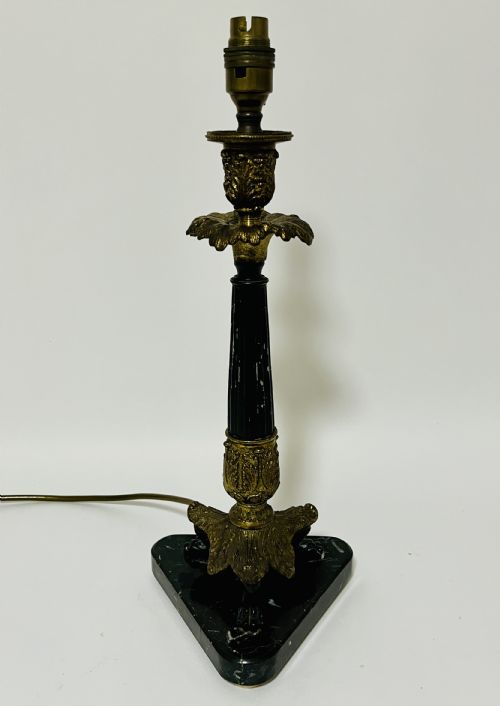
Many examples, particularly those wired as table lamps or designed as torchere columns, incorporated lighting or were adapted from candlesticks. The integration of bronze wiring channels often occurred during later nineteenth-century updates.
Examine the mounting points to determine if electrical fittings are modern additions to older architectural fragments. Original oil or candle configurations frequently preceded conversion to electricity.
How do I distinguish French Empire from Victorian pieces?
French Empire pieces, dating from the early nineteenth century, typically display strict neoclassical geometry, stark patinated bronze, and precise fire-gilt mounts. Their motifs draw directly from Roman and Greek antiquity.
Victorian interpretations often introduce heavier proportions, ornate onyx shafts, and florid Corinthian detailing. These later nineteenth-century works frequently reflect a revivalist approach that blends multiple historical styles.
What is the significance of Grand Tour models?
Grand Tour models represent miniature or reduced-scale replicas of famous ancient monuments, such as the Phocas or Vendome columns. Nineteenth-century travellers bought them to document their educational travels across Europe.
These pieces are valued for their precise historical detailing and the quality of their patination. They encapsulate the nineteenth-century obsession with classical archaeology and Mediterranean history.