



British Wood Carving
British wood carving brings solid presence and historic character into a room through centuries of timber craftsmanship.
British Wood Carving
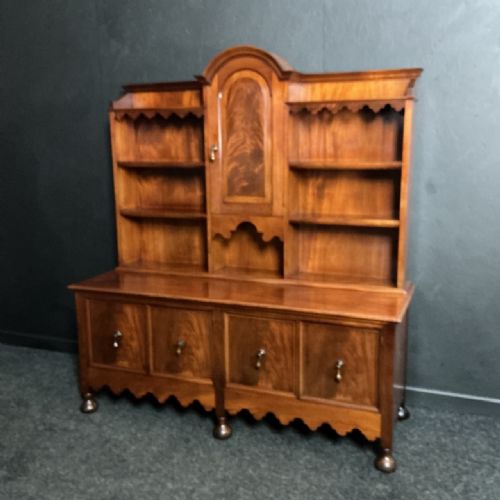
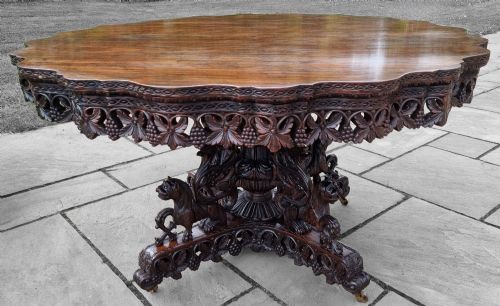
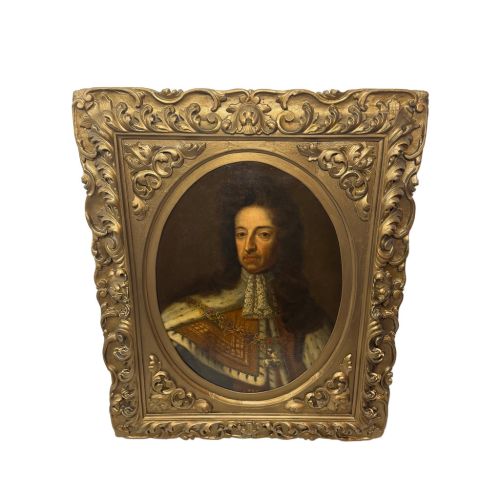
When you search for british wood carving, you find an assortment of objects ranging from functional furniture to decorative panels and treen. The pieces on this page span the seventeenth, eighteenth, and nineteenth centuries, along with Edwardian examples.
You are most likely to encounter items fashioned from oak, mahogany, and padauk across various periods. These works include mirrors, decorative boxes, wall mirrors, and figures shaped by hand traditions.
Materials and construction
Makers utilised hardwoods such as oak, mahogany, and padauk to build pieces that would endure centuries of handling. Hand tools shaped the timber directly, leaving tool marks that reveal the rhythm of the maker's hand.
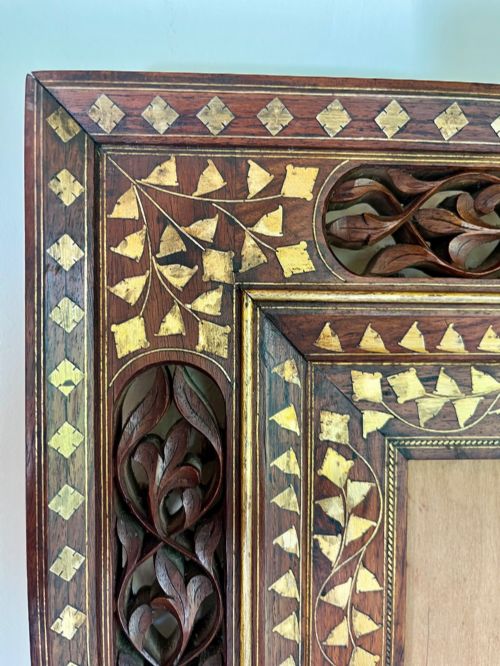
Surface treatments included polychrome paint, gilding, and wax finishes applied over the bare grain. Joinery methods varied from pegged mortise and tenon to simple folding frames for campaign use.
British Wood Carving Retail Price Guide 2026
Typical asking prices for british wood carving among the pieces listed under this phrase on Sellingantiques today, from the lower quarter to the upper quarter. They describe what is for sale here now, not the wider market.
Durham knitting sheaths kept fingers busy while sitting by the fire in rural nineteenth-century homes.
Judging quality in carved works
The depth and crispness of the chisel work distinguish superior carvings from routine production. Sharp undercut details and confident proportions show the hand of a skilled artisan rather than a hurried workshop.
The choice of timber grain and the preservation of the original surface finish dictate the visual strength of the piece. Conservation of early patination adds integrity to surviving historical items.
The British Wood Carving Glossary
- Treen
- Small handmade wooden domestic objects. These items range from knitting sheaths to decorative boxes.
- Caryatid
- A carved human figure serving as an architectural support. They appear on seventeenth-century oak furnishings.
- Padauk
- A dense tropical hardwood with a rich reddish brown hue. Colonial furniture makers frequently selected this timber.
- Polychrome
- Painted in several colours. This surface treatment adorns armorial crests and early carved panels.
- Campaign
- Portable furniture designed for military officers on the move. These pieces often feature folding frames or fitted compartments.
British Wood Carving: Frequently Asked Questions
How do I date antique carved wood?
Dating relies on the style of the carving, the choice of timber, and the construction methods visible on the reverse or underside. Tool marks and joinery provide strong clues to the period of origin.
Comparing known regional styles and dated pieces helps narrow down the decade of manufacture. Wear patterns also indicate the age of the object.
How should I clean carved wooden pieces?
Dust gently with a dry, soft bristle brush to reach into the recesses of the carving without damaging the surface. Avoid modern liquid polishes that can build up in the carved details.
Apply a microcrystalline wax sparingly if the timber appears dry. Buff lightly with a clean cloth to maintain the natural sheen.
What is colonial furniture?
Colonial furniture refers to pieces made by British makers or local craftsmen in territories overseas during the eighteenth and nineteenth centuries. These items often combined traditional British forms with exotic timbers like padauk.
They were built to withstand distant climates while maintaining familiar domestic styles. Their construction reflects the movement of people and design across the empire.
Are truncheons considered treen?
Truncheons belong to a distinct category of utilitarian wooden objects rather than domestic treen. They were carved for law enforcement and official duties.
Many retain painted regimental arms, ribbed grips, and leather wrist ties. Their forms reflect specific institutional requirements of the nineteenth and twentieth centuries.