



British Pastoral Wall Art
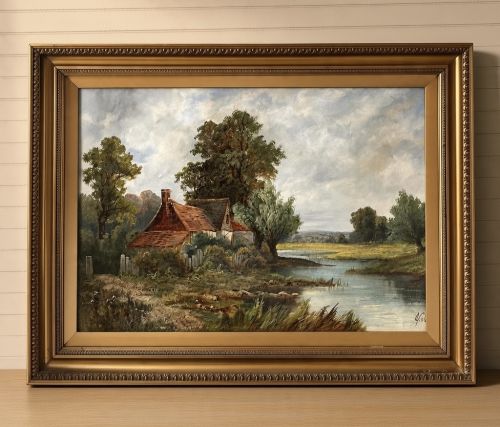
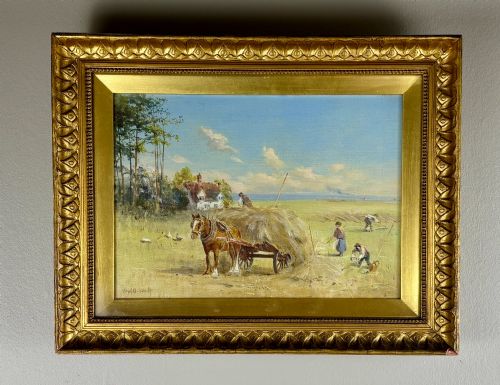
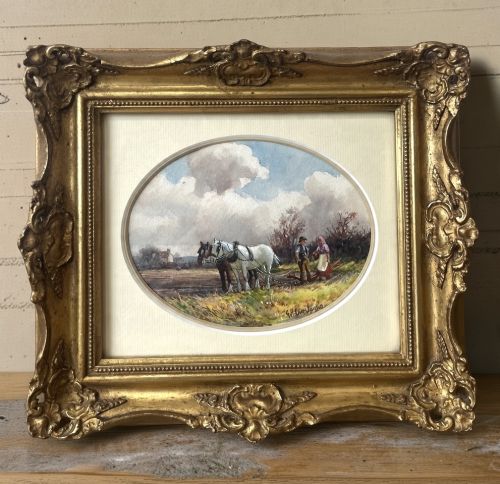
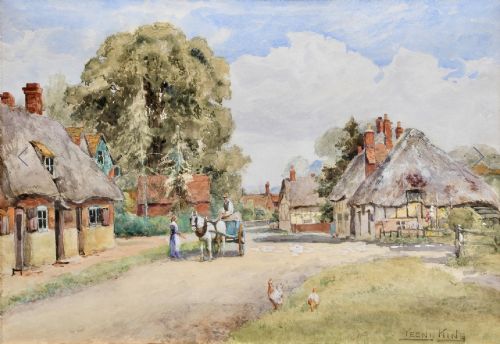
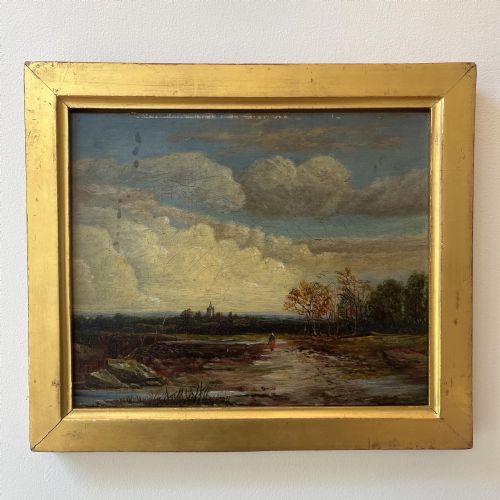
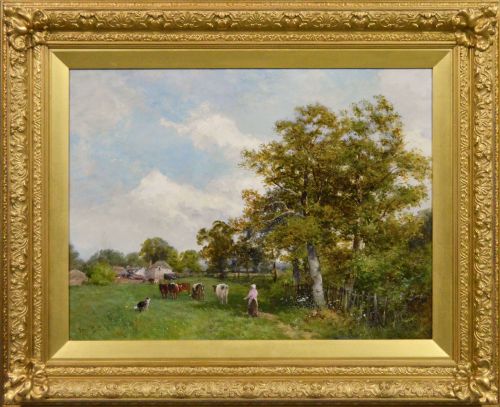
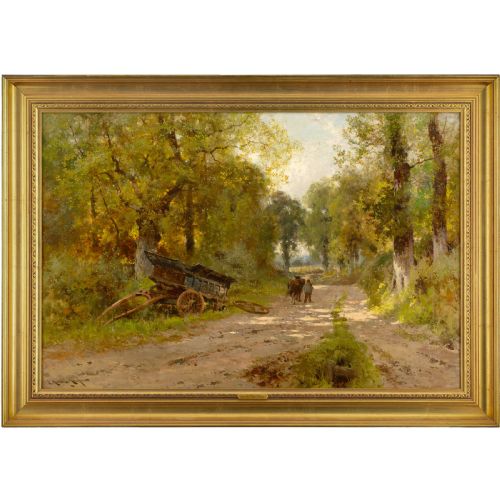
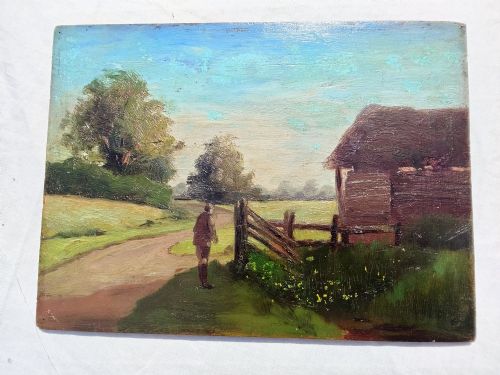
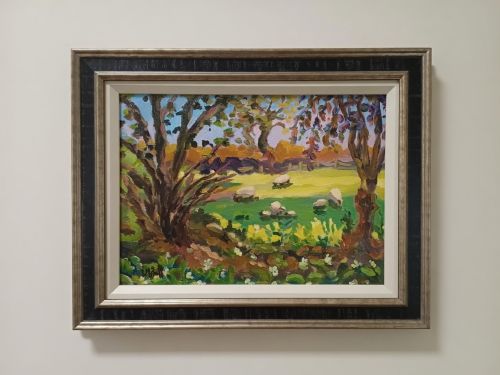
British pastoral wall art brings nineteenth and early twentieth-century rural scenes, figures, and livestock directly into the room through oil and watercolour.
British Pastoral Wall Art
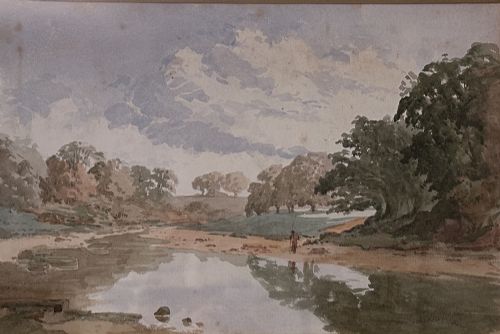
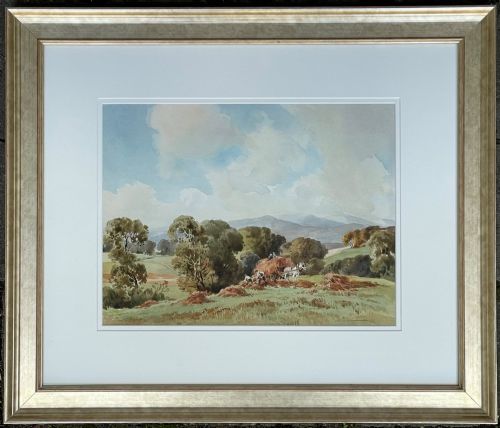
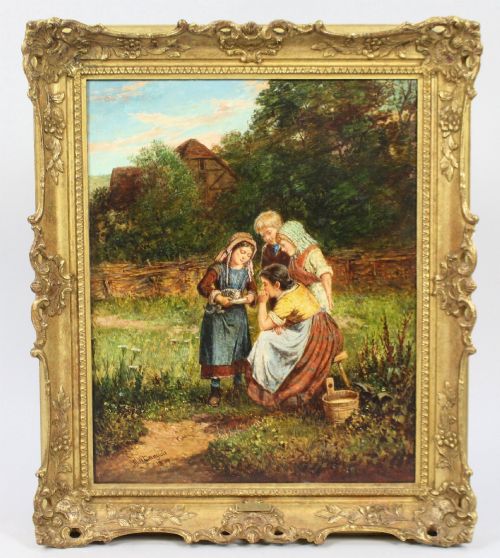
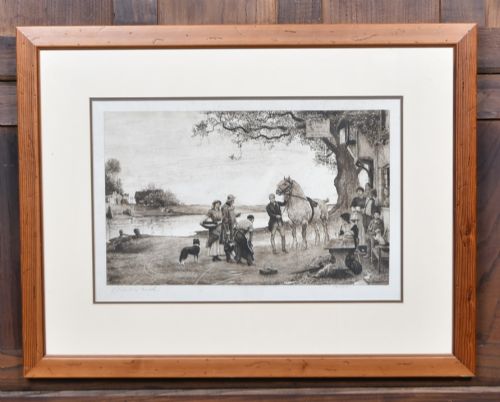
British pastoral wall art encompasses framed paintings, watercolours, and etchings depicting rural life, agricultural labour, and countryside landscapes across the nineteenth and early twentieth centuries.
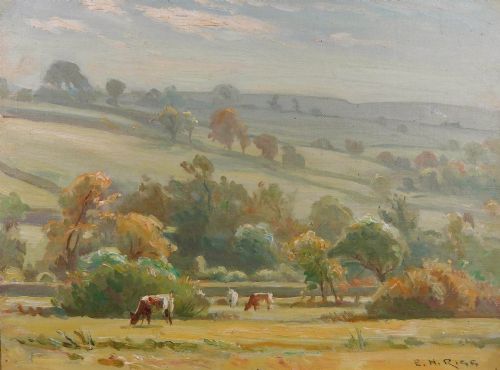
The most common examples on this page are oil paintings on canvas or wood panel and watercolours on paper, capturing scenes of sheep, cattle, harvest fields, and rivers.
These works bridge Victorian realism and British Impressionism, documenting agricultural settings through the eyes of regional English, Scottish, and Welsh artists.
How they were made
Makers applied oil paint to stretched canvas or wooden board, and watercolour to paper, often framing the finished works in timber.
Techniques range from detailed Victorian brushwork to looser, Barbizon-influenced impressionism and early twentieth-century plein-air sketching.
British Pastoral Wall Art Retail Price Guide 2026
Typical asking prices for british pastoral wall art among the pieces listed under this phrase on Sellingantiques today, from the lower quarter to the upper quarter. They describe what is for sale here now, not the wider market.
Listings span the nineteenth century through the 1950s, utilising oil on canvas, wood panel, watercolour, and paper.
What varies in quality
Quality rests in the handling of light and atmosphere, where skilled brushwork creates depth in skies and foliage rather than flat or formulaic reproduction.
The precision of animal and figure drawing distinguishes accomplished hands from routine topographical production.
Hugh Barry-Scott·George Hamilton Constantine·Yeend King·William H Myers·Tom Campbell·Percy Lancaster·John Horace Hooper·Mark William Langlois·David Bates·Walter Heath Williams·Robert W Macbeth·Lucy Pratt·Ernest Higgins Rigg·Frederick James Kerr·T C Hofland·Henry H Parker·Charles Edward Wilson·Owen Bowen·Henry Charles Fox·William Henry Mander·Thomas Baker·John Sanderson Wells·Ernest Pile Bucknall·Alfred Augustus Glendening Jnr·William Sydney Cooper
The British Pastoral Wall Art Glossary
- Watercolour
- A painting method where fine pigment is suspended in a water-soluble binder, applied to paper. This medium was favoured for portable landscape studies and finished rural scenes.
- Oil on Canvas
- Pigment bound in drying oil applied to a woven fabric stretched across a wooden frame. It allowed artists to build rich textures across large pastoral compositions.
- Wood Panel
- A rigid wooden support used instead of canvas for oil painting. Panels provided a smooth, stable surface for smaller landscape and animal studies.
- Etching
- A printmaking process where acid cuts lines into a metal plate to hold ink. Artists used this method to produce detailed monochromatic views of countryside scenes.
- British Impressionism
- A late nineteenth and early twentieth-century movement focusing on light, colour, and brushstroke over rigid academic finish. Practitioners captured transient effects in rural fields and riverbanks.
British Pastoral Wall Art: Frequently Asked Questions
What subjects appear in these works?
The compositions focus primarily on agricultural labour, livestock, and rural waterways across Britain. Scenes frequently include figures gathering hay, herding sheep, or fishing by rivers.
Artists drew inspiration from specific regional landscapes in England, Scotland, and Wales, recording changing seasons from harvest time to winter frost.
How do oil and watercolour differ here?
Oil paintings on canvas or wood panel offer rich texture, deep colour saturation, and visible brushwork that captures heavy skies and shadowed woodlands. These works were typically intended as major framed pieces for domestic display.
Watercolours on paper rely on translucent washes of pigment, providing a lighter and more immediate record of coastal and river views. They require protective glass framing to prevent moisture damage.
How can I date these pieces?
Dating relies on stylistic clues, artist signatures, and framing materials. Victorian works often show tighter brushwork and narrative focus, whereas early twentieth-century examples lean towards impressionistic light effects.
Recorded birth and death dates of painters such as William Sydney Cooper or David Bates provide a firm window for production.
How should I care for antique watercolours?
Works on paper demand protection from direct sunlight to prevent fading of the pigments and yellowing of the paper mount. Maintaining a stable indoor humidity prevents foxing and mould growth.
Ensuring the framing is sealed properly keeps airborne dust and pollutants away from the delicate painted surface.