


British Pastoral Landscape Artwork
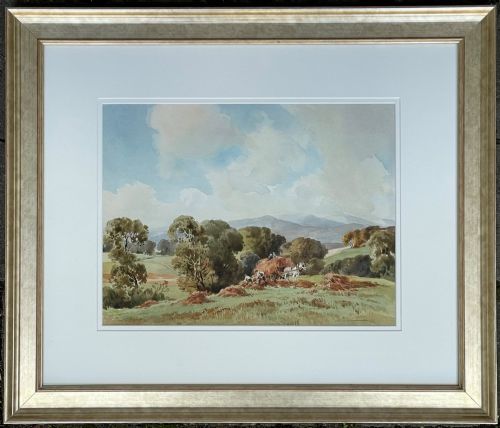
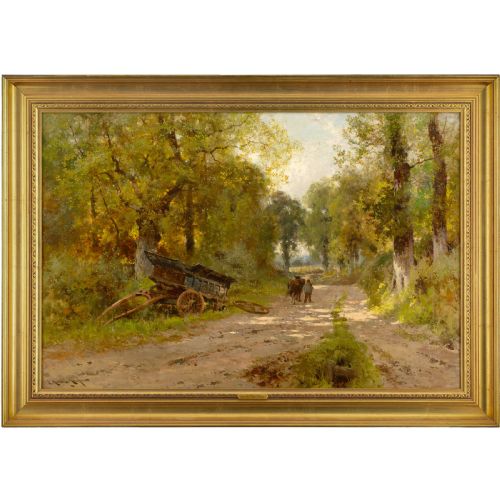
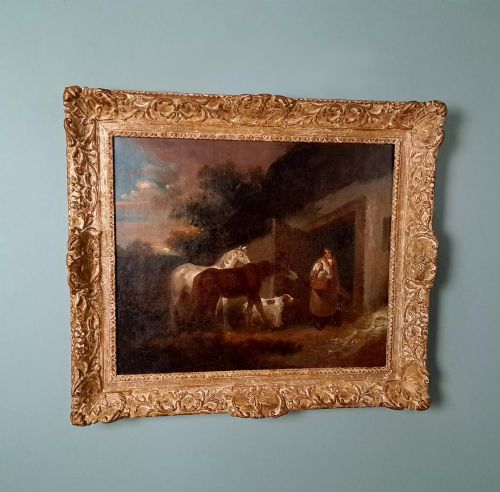
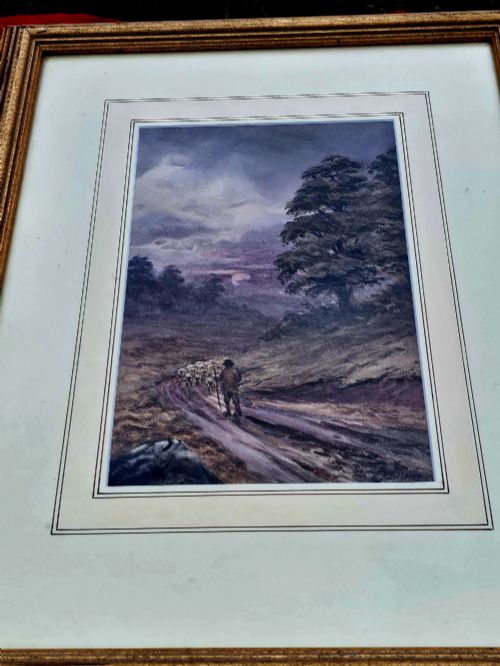
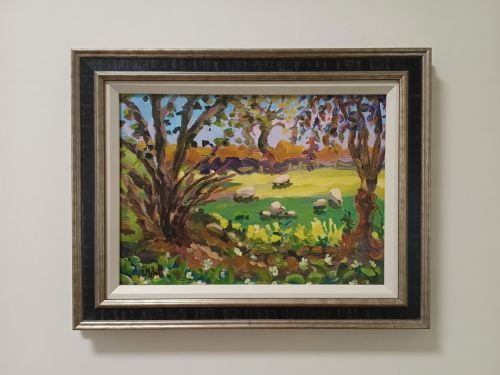
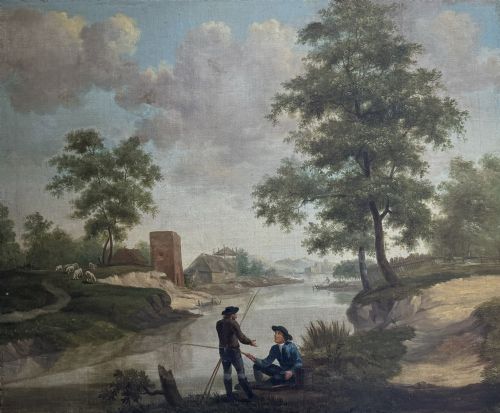
British pastoral landscape artwork captures the quiet rhythm of rural life through oil and watercolour, offering a tangible connection to the countryside of past centuries.
British Pastoral Landscape Artwork
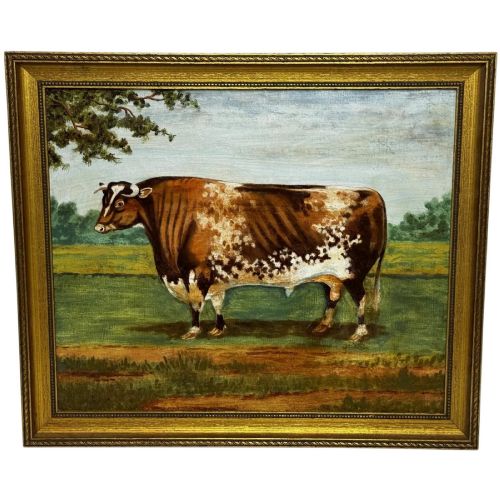
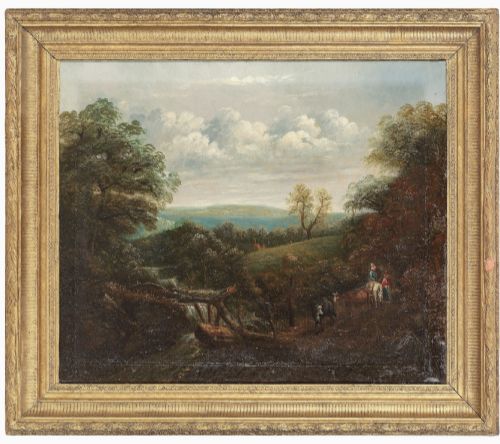
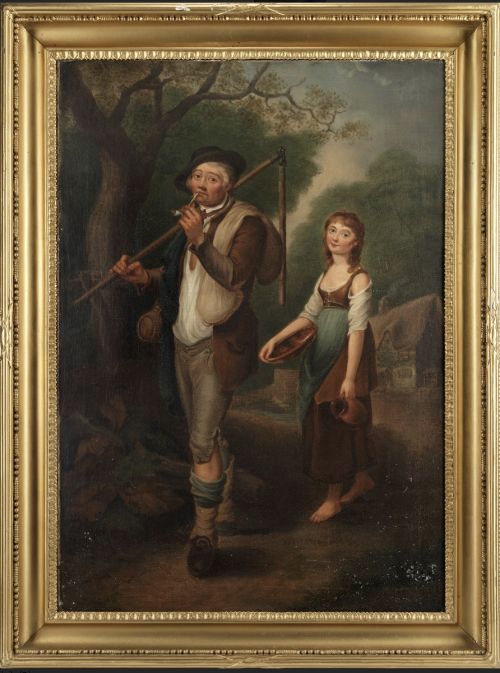
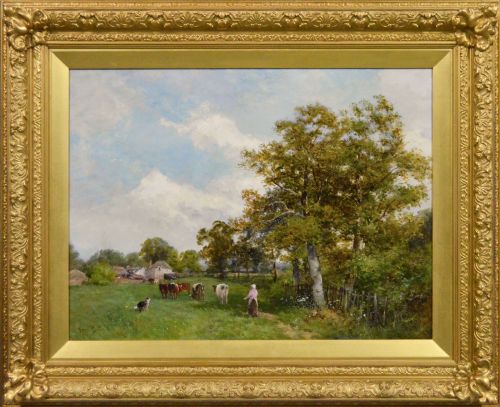
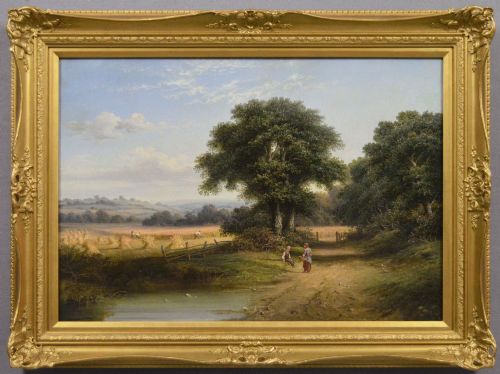
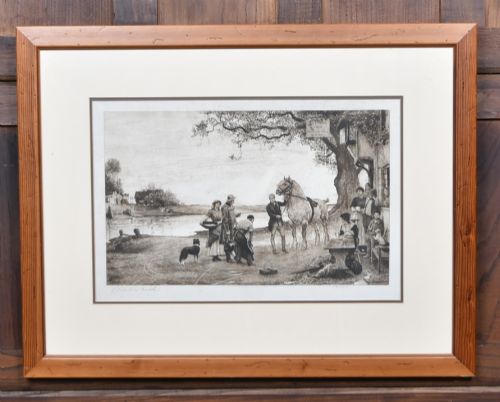
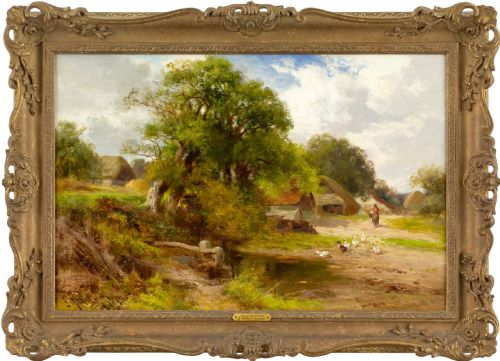
When examining British pastoral landscape artwork, a buyer encounters depictions of rural life, agricultural scenes, and tranquil countryside views created primarily during the nineteenth and early twentieth centuries. These pieces typically feature agricultural workers, livestock such as cattle and sheep, and rural riversides rendered with careful observation.
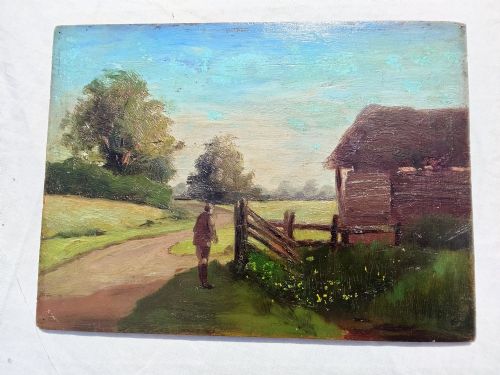
The selections available range from detailed watercolours on paper to substantial oil paintings on canvas and wood panel. Victorian and Edwardian examples dominate the offerings, reflecting a period of intense artistic interest in the domestic countryside and traditional farming methods.
Materials and Methods
Artists working within this tradition relied on oil paint applied to canvas, wood panels, or wooden boards, allowing for rich textures and deep colour blending. Watercolours on paper provide a lighter, more translucent interpretation of river valleys and harvest fields.
Support materials such as canvas and paper were frequently mounted in period frames of carved and gilded wood, which often retain their original character and complement the painted surface.
Materials recorded include oil on canvas, wood panels, paper, and watercolour, framed in period wood.
Distinctions in Quality
Quality in these rural paintings rests upon the artist's command of light, atmosphere, and anatomical accuracy in depicting both human figures and livestock. Superior examples display confident brushwork and a coherent sense of space that draws the viewer into the scene, whereas lesser works can appear stiff or formulaic in composition.
The preservation of the paint surface and the absence of extensive restoration or discoloured varnish also distinguish finer pieces. Original framing and clear provenance further elevate the standing of a work within this genre.
William H Myers·Tom Campbell·Percy Lancaster·John Horace Hooper·William Joseph Shayer Senior·David Bates·Walter Heath Williams·Robert W Macbeth·Richard Redgrave·Ernest Higgins Rigg·George Oyston·Frederick James Kerr·Russell Sidney Reeves·T C Hofland·Henry H Parker·Charles Edward Wilson·Frederick Hines·John Emms·A M Gauci·Oswald Garside·Margaret Maitland Howard·Cornelius Pearson·Henry Charles Fox·William Henry Mander·Thomas Baker of Leamington
The British Pastoral Landscape Artwork Glossary
- Oil on Canvas
- Pigment mixed with drying oil applied to a stretched woven fabric support. This medium allowed artists to build up rich layers of colour and texture.
- Watercolour
- A paint consisting of colour suspended in a water-soluble binder, typically applied to paper. It creates luminous washes that capture atmospheric sky and water effects.
- Wood Panel
- A rigid wooden support used by painters before canvas became standard. It provides a stable surface that often survives in remarkably solid condition.
- British School
- A designation for artists trained or working within Britain whose specific identities may be unrecorded or indistinctly signed. It groups works sharing regional stylistic traits.
- Pastoral
- Pertaining to the countryside, rural life, and agriculture. In art, it denotes idealized or realistic scenes of farming, livestock, and open fields.
British Pastoral Landscape Artwork: Frequently Asked Questions
What subjects appear in these paintings?
These works frequently show agricultural labourers at harvest, shepherds tending flocks, and cattle resting near rivers. Rural cottages and woodland paths also feature prominently.
Artists focused on recording the traditional rhythms of country life before rapid industrialisation altered the landscape.
How should I hang and light them?
Display these works away from direct sunlight to protect delicate watercolours and oil pigments from fading. Consistent indoor humidity prevents wood panels and canvas from warping.
Warm, low-intensity picture lights highlight the fine brushwork without generating damaging heat.
How can I tell the period?
Framing styles, canvas stamps, and handwritten notes on the reverse often point to a specific decade. Victorian and Edwardian works display distinct palettes and clothing styles worn by the figures.
Signature styles and recorded exhibition histories help narrow down the exact year of creation.
Are watercolours as durable as oils?
Watercolours on paper require glass protection and acid-free mounting to prevent foxing and fading over time. They are inherently more sensitive to light than oil paintings on canvas.
When properly framed and glazed, watercolours remain stable for centuries.