




British Oil on Canvas
British oil on canvas works capture centuries of portraiture and landscape traditions, offering buyers tangible pieces of historical artistry for domestic display.
British Oil on Canvas
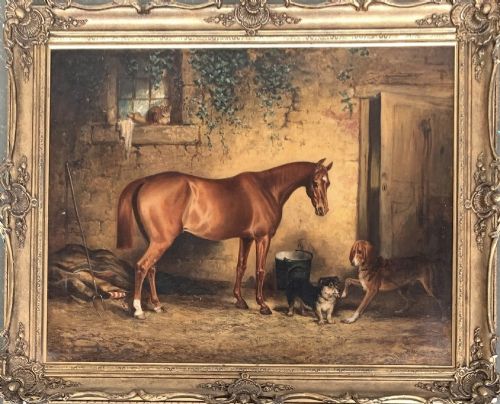
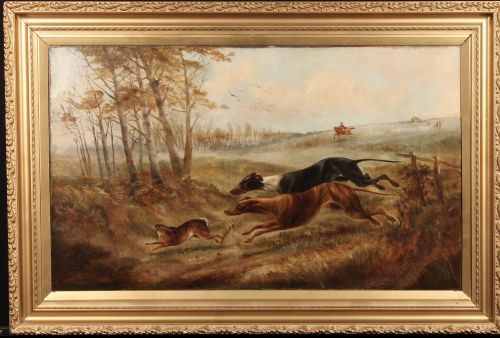
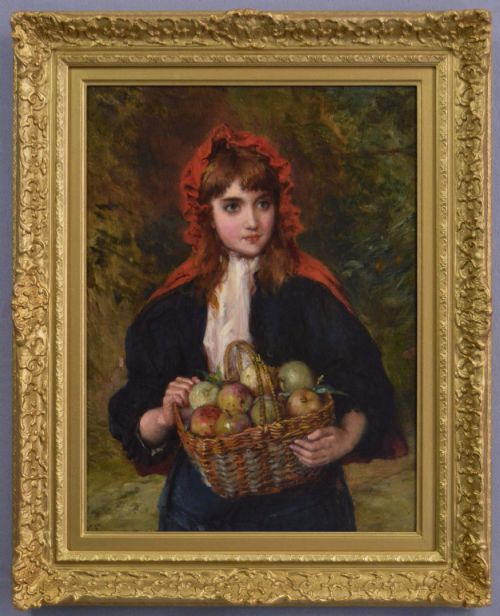
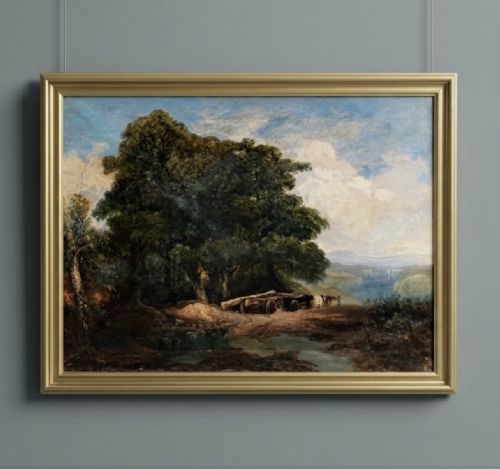
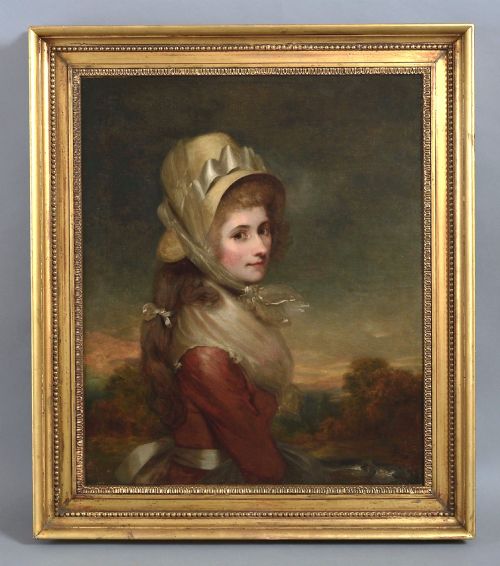
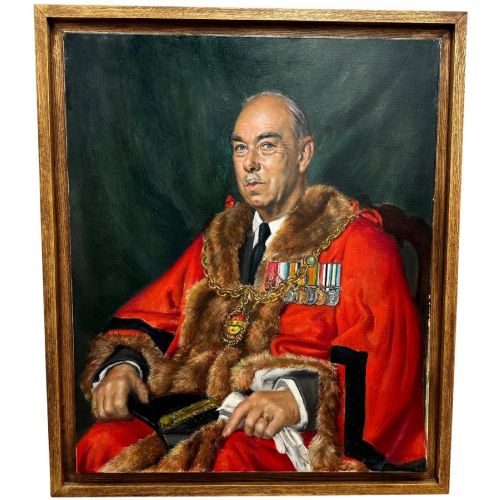
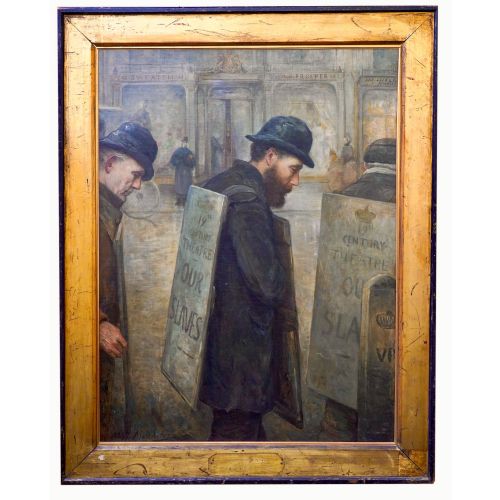
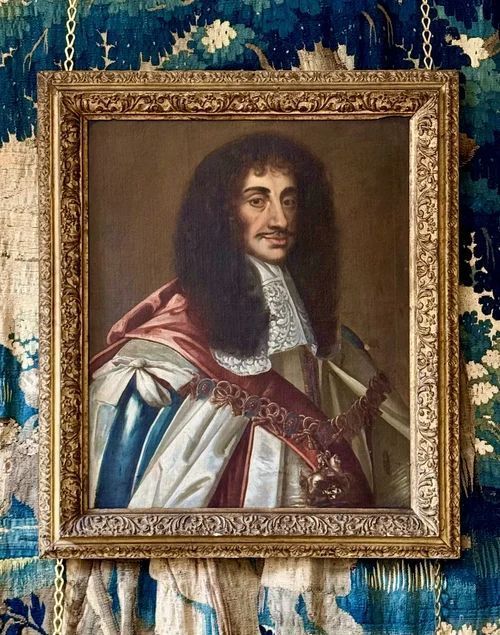
Buyers exploring british oil on canvas pieces encounter a rich variety of historic paintings spanning from the seventeenth century through to the mid-twentieth century. The selection ranges widely across traditional genres, including pastoral landscapes, coastal seascapes, domestic animal studies, and formal portraiture.
Most examples available on this page originate from the nineteenth and early twentieth centuries, reflecting the prolific output of British schools during those periods. These canvases vary from grand aristocratic portraits to intimate depictions of rural cottages and river scenes.
Works attributed to named regional artists appear alongside unsigned pieces from the broader British school, providing collectors with options at different levels of attribution. Formats range from large monumental canvases down to smaller framed studies.
How They Were Made
These works rely upon traditional applications of oil paint stretched manually across woven canvas supports, which were frequently secured to wooden stretcher frames. Artists utilised ground pigments mixed with oil binders to build up layers of colour, occasionally employing gold leaf for decorative accents.
Over time, support techniques evolved, with some nineteenth and twentieth-century paintings laid onto rigid board rather than traditional fabric. Surviving canvases are frequently housed within period giltwood frames that complement the painting style.
Listings feature works spanning from the seventeenth century through to the mid-twentieth century, utilising oil paint on canvas and board.
What Varies in Quality
The distinction between standard works and exceptional pieces rests upon the confidence of the brushwork and the anatomical or spatial accuracy achieved by the painter. Superior compositions display a sophisticated handling of light and shadow, particularly in complex landscape lighting or subtle facial modeling.
Provenance and attribution strongly influence distinction, with securely documented works by known historic practitioners commanding greater scholarly interest. The integrity of the original canvas surface and the harmony of the framing also contribute significantly to the standing of any individual piece.
The British Oil on Canvas Glossary
- Canvas
- A closely woven fabric, typically linen or cotton, used as the primary support surface for oil paintings. It is stretched tightly over a wooden frame before painting begins.
- Giltwood
- Wood that has been covered with a thin layer of gold leaf or gold paint. This finish is commonly found on traditional antique picture frames.
- Impasto
- A technique where oil paint is laid thickly on the canvas, standing out noticeably from the surface. This method creates visible brush or knife texture.
- Provenance
- The documented history of ownership of an antique object from its creation to the present day. Clear records help establish authenticity and attribution.
- School
- A group of artists working in a similar style or region during a shared period, often under the influence of a prominent master. Many historic paintings are attributed to a British school rather than a specific individual.
British Oil on Canvas: Frequently Asked Questions
How do I date a British oil painting?
Dating relies heavily on stylistic clues, costume details in portraits, and framing materials. Signatures, exhibition labels on the reverse, and stretcher construction also provide chronological markers.
Comparison with documented works by similar regional artists helps narrow the period of creation. Expert examination of canvas ageing offers further confirmation.
What is the difference between canvas and board?
Traditional oil paintings utilise woven fabric stretched over wooden frames, which offers subtle give under pressure. Canvases laid onto board utilise a rigid secondary support for added stability.
Board supports became increasingly common in the late nineteenth and twentieth centuries for smaller outdoor studies. Both mediums require careful environmental control to prevent pigment degradation.
How should I care for an oil painting?
Display canvases away from direct sunlight and fluctuating heat sources to prevent cracking in the oil paint layer. Gentle dusting with a soft, dry brush is sufficient for routine maintenance.
Avoid using water or chemical cleaners on the paint surface. Professional conservation should be sought for any structural repairs to the canvas or frame.
What subjects are common in British landscapes?
Common subjects include pastoral river scenes, coastal harbours, and mountainous terrain reflecting regional topography. Pastoral depictions often incorporate livestock, agricultural workers, or historic cottages.
Artists frequently recorded specific rural locations across England, Scotland, and Wales. These topographical works capture the changing industrial and agricultural landscape of the nineteenth century.