







British Modern Art Drawing
A british modern art drawing captures the spirit of twentieth-century vision through ink, pastel, and paper.
British Modern Art Drawing
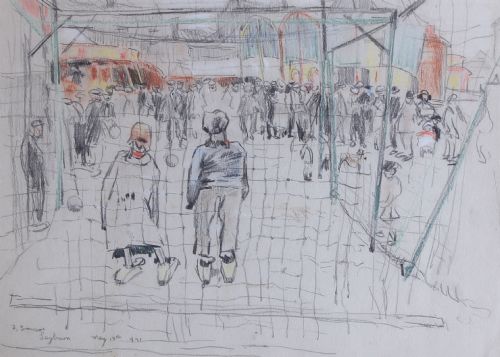
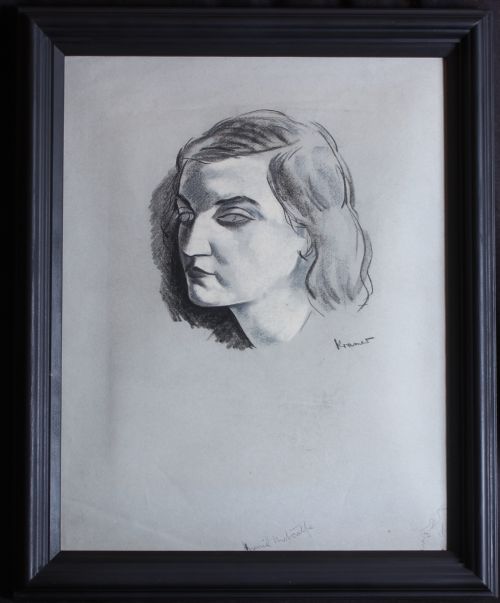
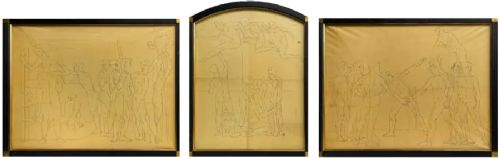
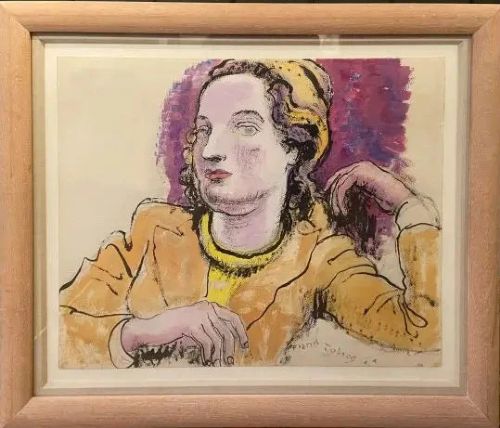
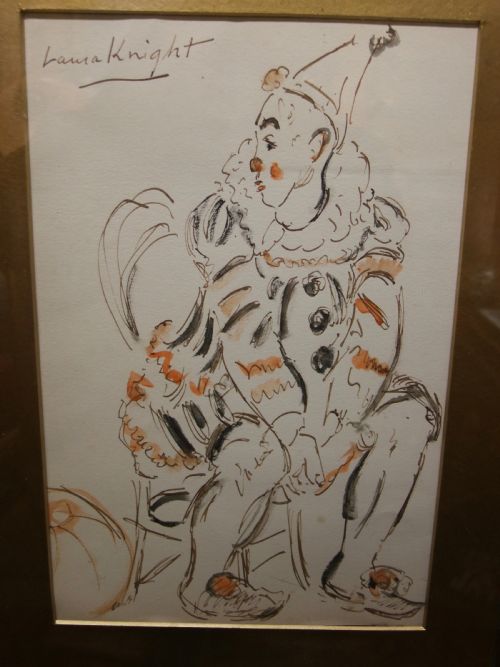
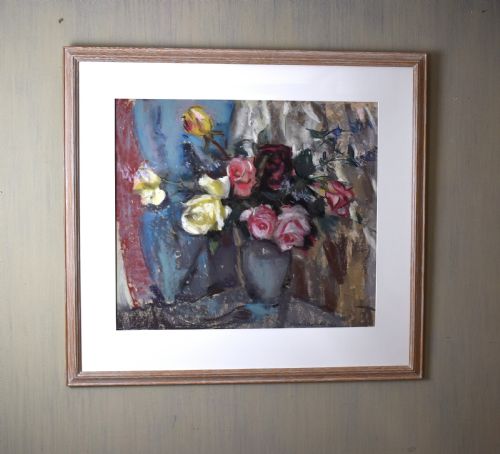
A british modern art drawing brings together works on paper from the early twentieth century through to the nineteen-sixties. Buyers encounter original artwork including portraits, landscapes, and figure studies spanning early twentieth-century and mid-century modern british movements.
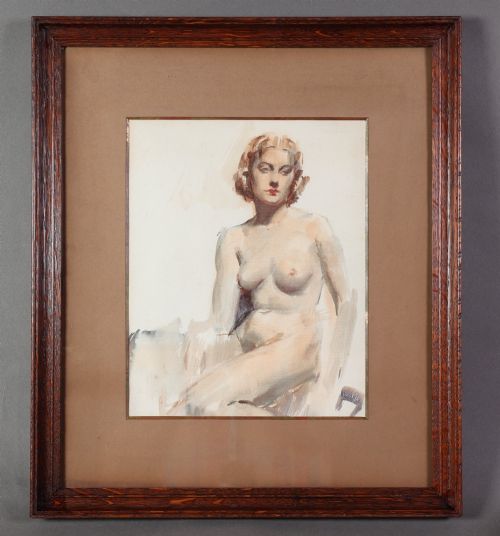
The selection ranges from pencil and ink studies to framed watercolours and gouache. Pieces originate from periods such as the nineteen-twenties, nineteen-thirties, wartime nineteen-forties, and the nineteen-fifties.
Works appear in various formats including works on paper, framed artwork, and fine art prints. These creations reflect the distinct artistic shifts of the twentieth century in Britain.
How they were made
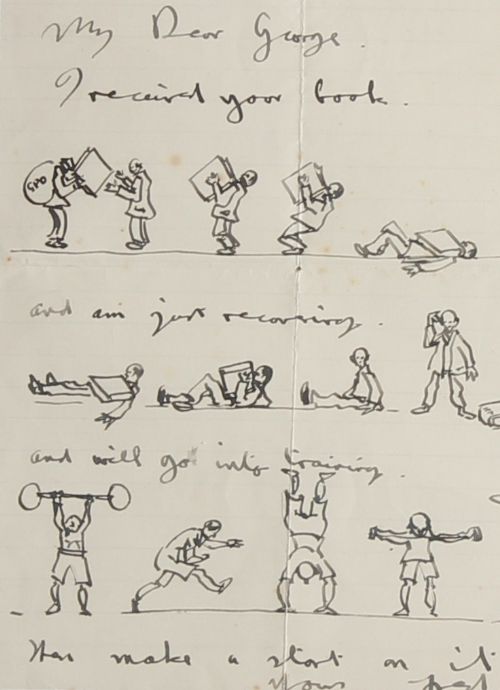
Artists utilise paper as the primary support, applying media such as ink, watercolour, pastel, charcoal, and gouache. Some works combine pencil underdrawing with wet media or lithographic bases.
Framing often incorporates wood and glass to protect delicate works on paper. Technique relies on direct draughtsmanship and fluid application, evident in pen strokes and pigment washes.
British Modern Art Drawing Retail Price Guide 2026
Typical asking prices for british modern art drawing among the pieces listed under this phrase on Sellingantiques today, from the lower quarter to the upper quarter. They describe what is for sale here now, not the wider market.
Listings feature works created across five decades, spanning from nineteen-twenty to nineteen-sixty.
What varies in quality
Quality rests upon the strength of the draughtsmanship and the decisiveness of the line. The directness of a study by a named hand differs significantly from anonymous works.
The condition of the paper and the preservation of fugitive watercolours or pastels influence the overall standard. Materials handled with confidence retain greater visual impact.
Fred Lawson·Frank Dobson·James Stroudley·Samuel Rabin·Dame Elisabeth Frink·James Tower·John Merrifield·Arthur Todd·Lucien Freud·Lawrence Stephen Lowry·Lena M Alexander·Dame Laura Knight·Sonia Lawson
The British Modern Art Drawing Glossary
- Gouache
- An opaque water-based pigment that provides solid areas of colour. It is often layered over pencil or watercolour in twentieth-century works.
- Watercolour
- A transparent medium applied to paper using water-soluble pigments. It allows for luminous washes and delicate tonal shifts.
- Pastel
- A dry drawing medium composed of powdered pigment and a binder. It produces rich, velvety colour surfaces that require glass protection.
- Charcoal
- A form of dry carbonised organic material used for sketching and finished drawings. It creates deep blacks and expressive, smearable lines.
- Lithograph
- A printmaking process based on the antipathy of oil and water. Artists sometimes draw pastels directly over these printed bases.
British Modern Art Drawing: Frequently Asked Questions
What periods do these drawings cover?
The listings span the early twentieth century through to the nineteen-sixties. This covers distinct phases including wartime production and mid-century modern output.
Pieces reflect shifts in British art across several decades.
How should I frame works on paper?
Works on paper require glass and framing materials that protect delicate pigments from light damage. Professional mounting prevents the paper from touching the glass.
This preservation keeps watercolours and pastels stable over time.
What materials are typically used?
Artists employ paper supports with ink, watercolour, pastel, charcoal, and gouache. Wood and glass frequently make up the accompanying frames.
Combination mediums such as pastel over lithograph also appear.
How do I identify a study?
Studies often show the preparatory working out of a subject, such as figure poses or portraits. They display visible draughtsmanship and immediate artistic intent.
These pieces offer insight into an artist's working process.