
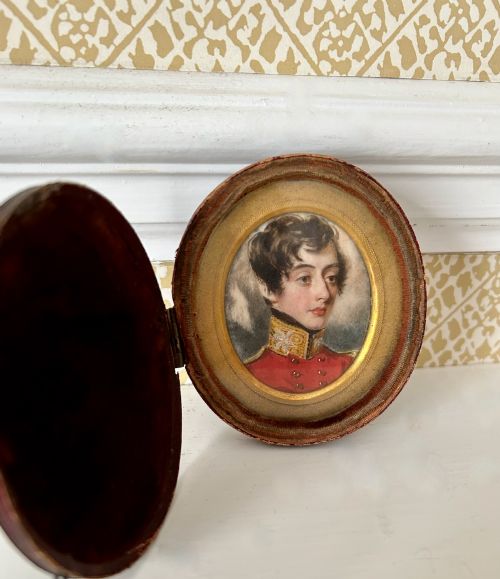
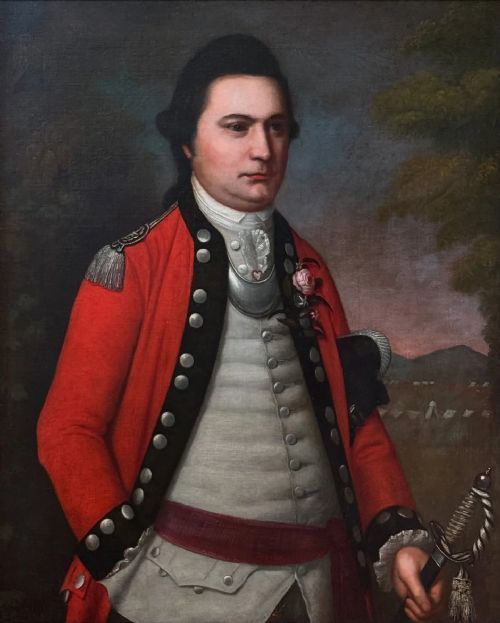
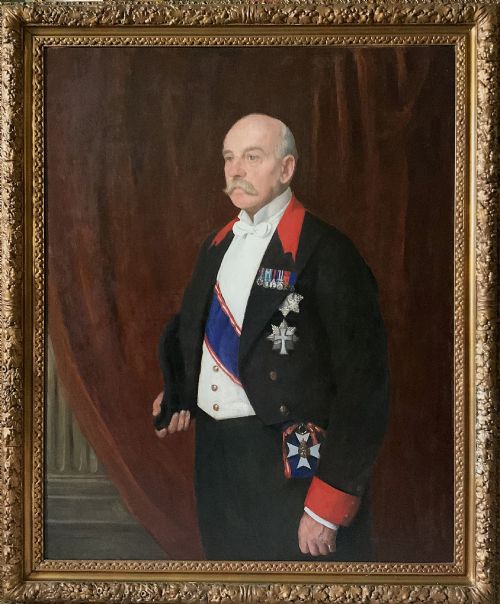
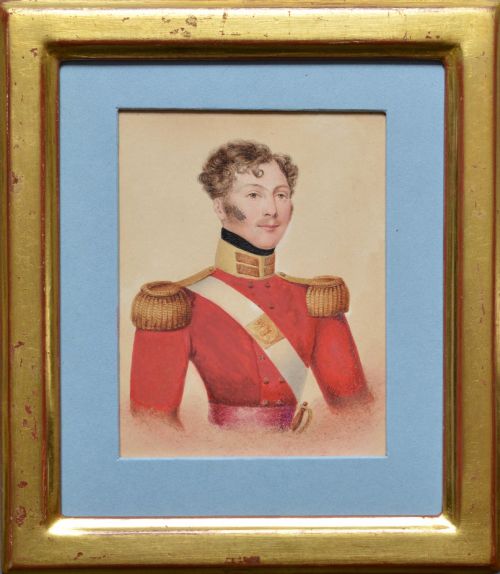

British Military Officer Painting
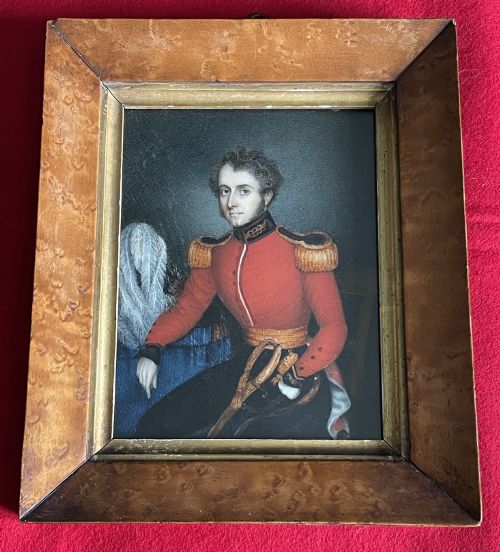
When you examine a british military officer painting, you connect directly with centuries of regimental history through the likenesses of commanders, captains, and admirals.
British Military Officer Painting
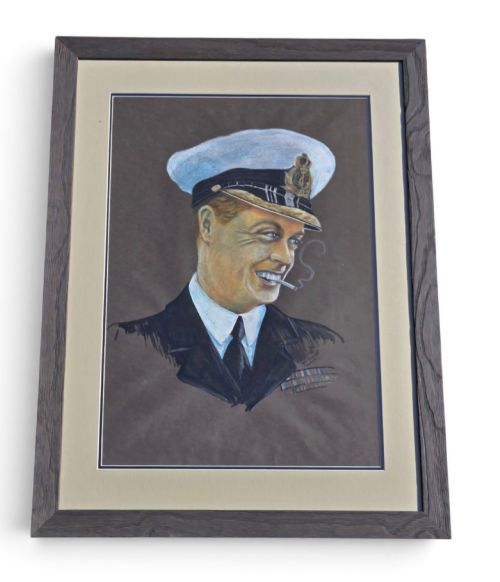
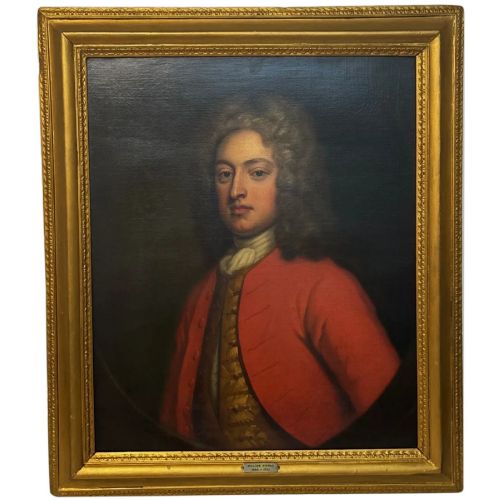
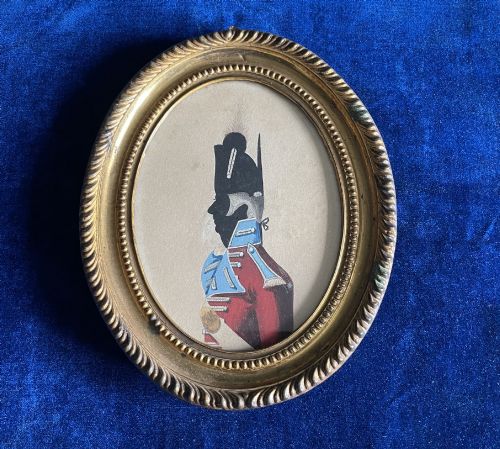
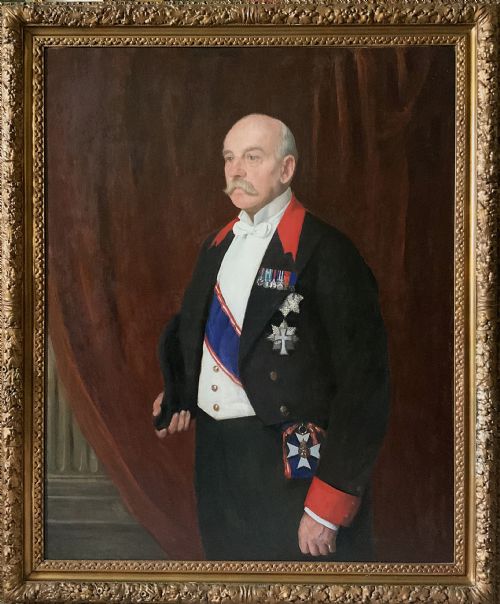
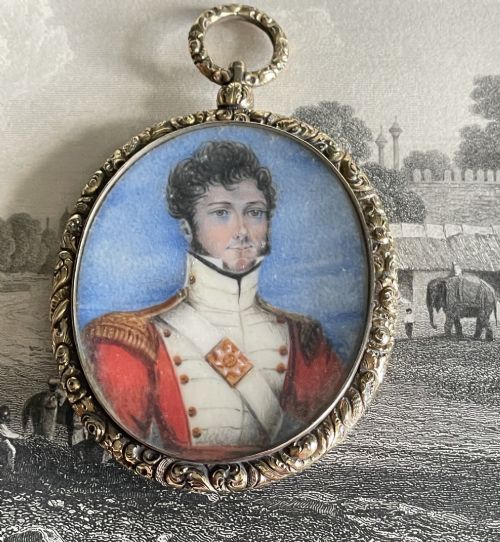
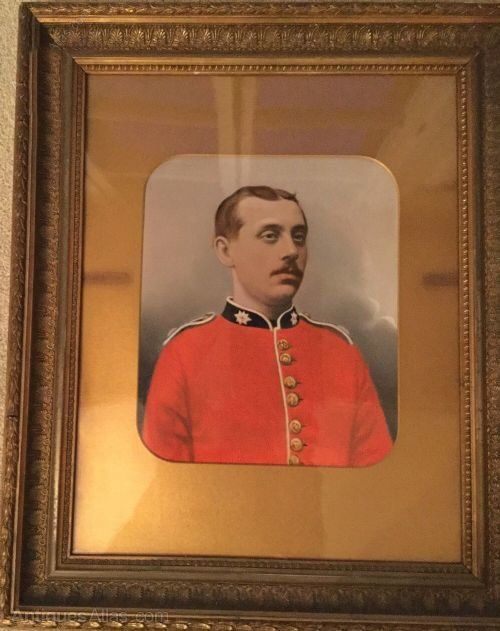
A british military officer painting captures the likeness of historical figures from the army, navy, and royal forces across multiple centuries. Buyers searching for this subject encounter formal portraits, intimate sketches, and detailed miniatures depicting named commanders, generals, and regiment members.
The selections span from early works of the eighteenth century through the Victorian and Edwardian eras into the mid-twentieth century. Works range from monumental canvas oils to delicate watercolours and pastels executed on paper or canvas.
Subjects include officers from specific divisions such as the Royal Engineers, Scots Greys, and various infantry and dragoon regiments. These pieces serve as historical records of service in Britain, the Madras Presidency, and international postings.
Materials and Techniques
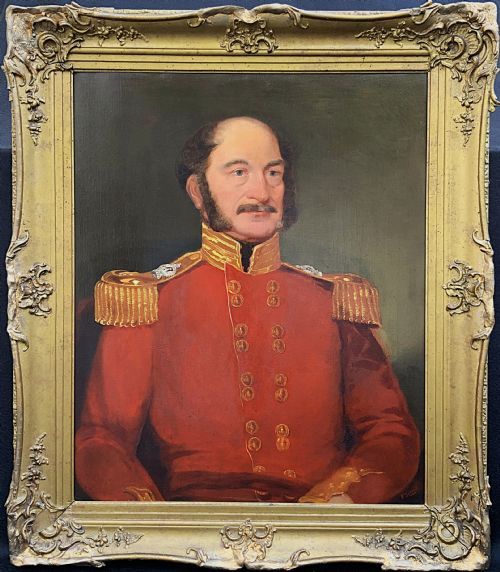
Artists commonly applied oil paint to canvas or wood panels, utilising rich pigments to render red coats, naval uniforms, and gold braiding with striking fidelity. Many works incorporate giltwood frames that complement the grandeur of the painted subjects.
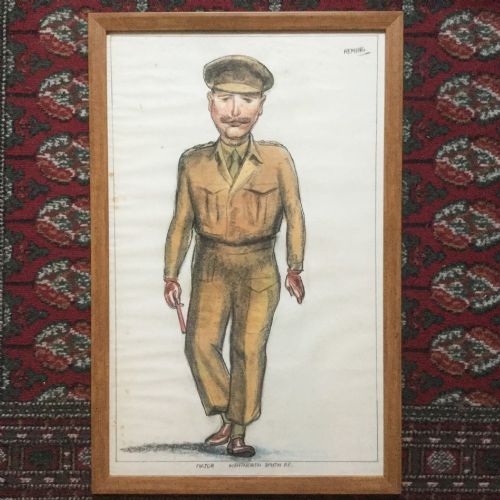
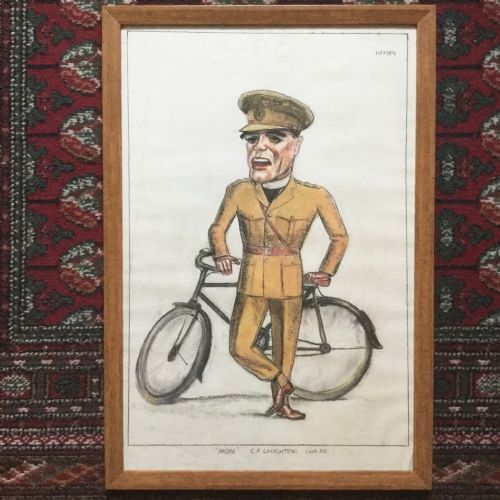
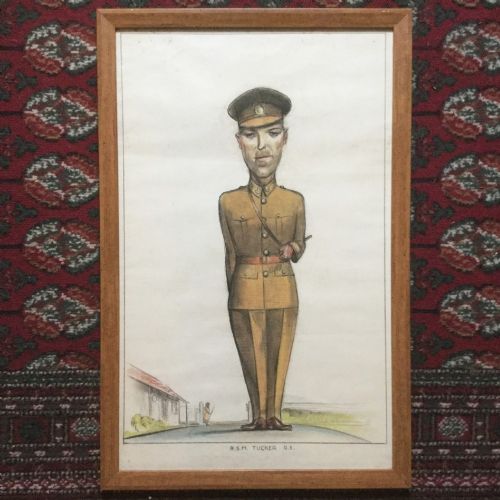
Watercolour and pastel on paper appear frequently in military portraiture, particularly for wartime sketches and portable studies. Some miniature portraits utilise specialised supports such as glass or agate panels housed within gold enclosures.
Several officers appear permanently frozen in time with remarkably stern expressions, despite likely posing for hours in heavy wool uniforms.
Factors of Quality
The distinction between standard works and exceptional examples rests upon the skill of the brushwork and the precision of the uniform details. Masterful handling of facial expression and textiles elevates a portrait beyond a mere record of rank.
Provenance and documentation significantly influence the standing of a piece, especially when the sitter and the artist are definitively identified. The survival of original framing, such as period giltwood or gold mountings, adds considerable integrity to the artwork.
Stickland Lowry·Sir Thomas Lawrence·George Frederic Watts·Henry Hoppner Meyer·Aubrey Sykes
The British Military Officer Painting Glossary
- Oil on Canvas
- A traditional painting medium where pigment suspended in drying oil is applied to a stretched cloth surface. This combination allows for deep colour blending and long-term durability.
- Portrait Miniature
- A small, highly detailed painting designed for intimate viewing or personal carriage. These works often feature delicate stippling and fine brush techniques.
- Giltwood
- Wood carved and covered with a thin layer of gold leaf or gold paint. It frequently appears on traditional frames surrounding formal military portraits.
- Regiment
- A permanent unit of an army commanded by a colonel. Identifying the specific regiment helps date the uniform and the sitter.
- Pastel
- A dry drawing medium composed of powdered pigment and a binder. Artists utilise it for rapid sketches and finished portraits alike.
British Military Officer Painting: Frequently Asked Questions
How do I identify the rank of the officer?
Uniform details such as lace, epaulettes, and cap badges provide clear indicators of the sitter's military standing.
Contemporary inscriptions or archival records accompanying the artwork often confirm the exact rank and regiment.
Were these portraits painted from life?
Many formal commissions involved direct sittings where the officer posed in uniform for the artist over several sessions.
Smaller sketches and wartime drawings were frequently executed in the field or completed shortly after campaigns.
How should I display a canvas painting?
Hang the artwork away from direct sunlight and fluctuating heat sources to protect the oil paint and canvas substrate.
Ensure the piece is supported by a stable wall hook using its original or appropriately matched period frame.
What is the difference between an oil and a pastel?
Oil paintings utilise fluid paint on canvas offering rich textures and durable surfaces that withstand traditional cleaning.
Pastels employ dry chalk-like pigments on paper requiring protective glass glazing to prevent smudging and surface degradation.