






British Industrial Painting
A british industrial painting captures the grit and momentum of working towns, docks, and railways through the sharp lens of twentieth-century and Victorian observers.
British Industrial Painting
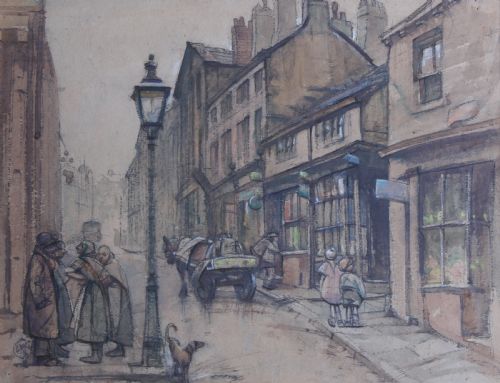
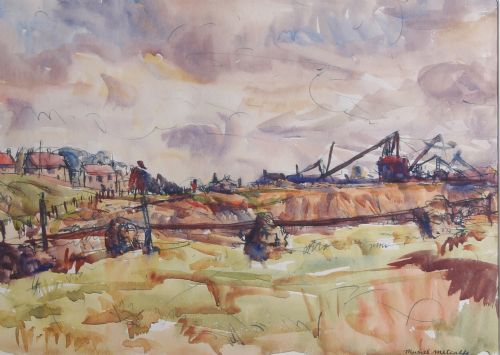
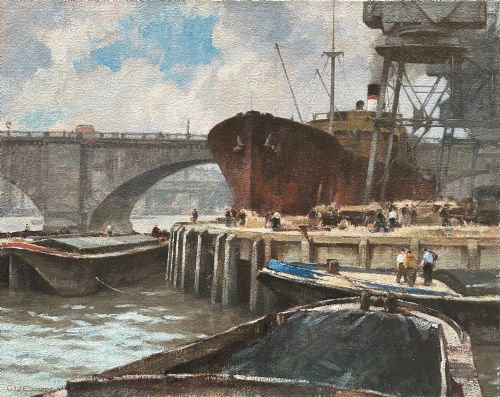
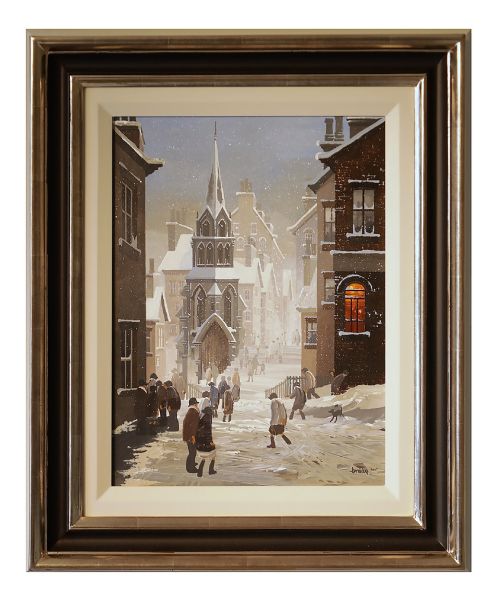
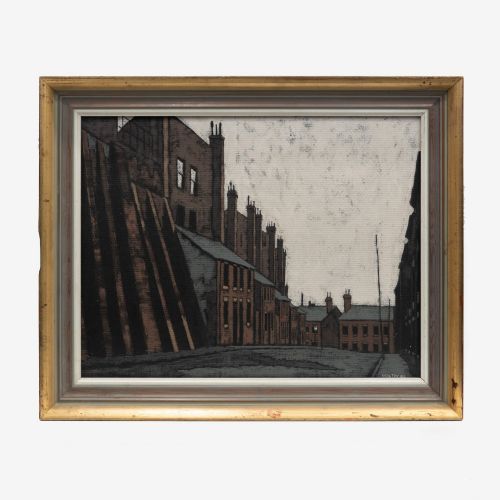
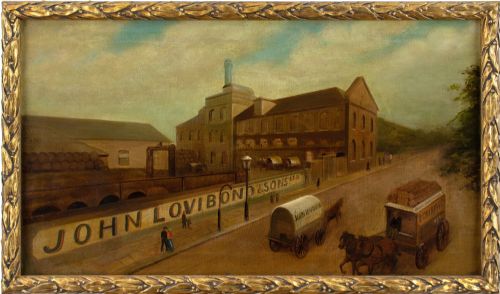
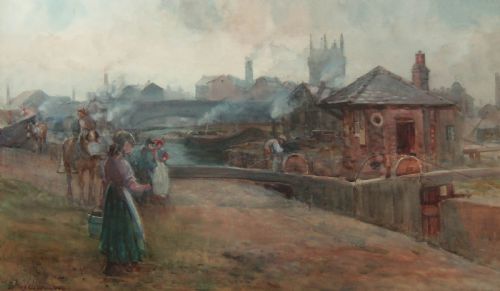
When you search for british industrial painting, you encounter works that document factories, shipyards, breweries, quarries, and urban docks. These canvases and watercolours range from nineteenth-century views of railway construction to mid-century constructivist factory scenes.
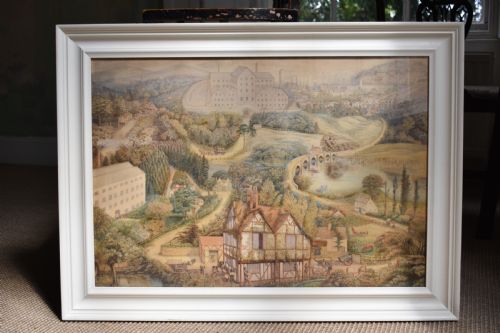
The most common formats on this page include framed watercolours on paper and oils on canvas or board. Makers frequently depict northern townscapes, London docklands, and railway infrastructure with direct observation.
Works span from the nineteenth century through the 1960s, encompassing styles such as Northern Realism, British Impressionism, and the Staithes Group. Pieces vary from topographical watercolours to heavy impasto oils.
Materials and Technique
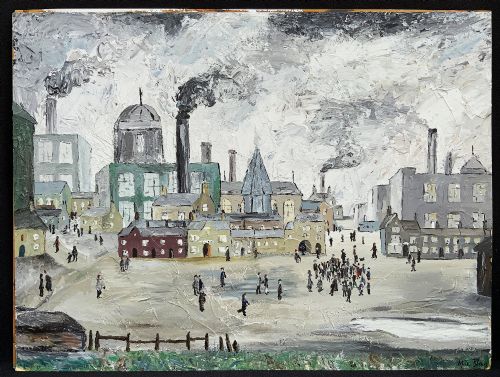
Artists record these heavy subjects using oil on canvas, oil on board, and watercolour on paper, sometimes building thick impasto layers to convey the texture of soot, water, and iron. Support materials include timber boards and traditional woven canvas stretched over wooden frames.
Some works incorporate mixed media or pen alongside watercolour, while related items on this page utilise cast iron for painted railway signs and pub tables.
Brushwork ranges from the detailed, precise lines of early topographical watercolours to the robust, expressive strokes found in Northern School and constructivist compositions.
Cast iron railway signs command silence with the simple administrative instruction: 'Shut This Gate'.
Assessing Quality and Execution
Quality rests upon the artist's handling of light, atmosphere, and industrial scale, distinguishing casual topographical records from masterly works of social and architectural observation. Stronger paintings capture the heavy atmosphere of docks, foundries, and railway termini with conviction.
The sophistication of the palette and the confidence of the brushwork separate routine townscapes from striking examples of twentieth-century British painting.
Condition matters greatly, particularly for watercolours on paper which are susceptible to fading and foxing, whereas robust oils on canvas and board retain their pigment strength.
Brian Shields Braaq·Stuart Walton·Fred Lawson·Arthur Netherwood·Herbert John Finn·James W Booth·Walter J Hall·Henry J Neave
The British Industrial Painting Glossary
- Impasto
- Paint applied thickly to a canvas or board, standing out in relief from the surface. This technique allows artists to build physical texture into smoke, water, and masonry.
- Constructivist
- An artistic style focused on abstract structural forms and industrial geometry. Such paintings emphasise the mechanical framework of factories and urban infrastructure.
- Topographical
- Representing a specific locality with geographic accuracy and detail. These watercolours and oils serve as historical records of docks, breweries, and townscapes.
- Northern School
- A regional tradition of painting working-class life and industrial towns in northern England. Artists in this tradition often employ muted, soot-toned palettes.
- Watercolour
- Pigment ground in a water-soluble binder and applied to paper. It permits swift, translucent washes that define early twentieth-century townscapes.
British Industrial Painting: Frequently Asked Questions
What periods do these industrial paintings cover?
The selections span from the nineteenth century through to the 1960s, capturing shifting attitudes toward labour, architecture, and urban expansion.
Early pieces lean into Victorian and Edwardian topographical views, while later works embrace mid-century constructivist and Northern School idioms.
How do oils and watercolours differ in these works?
Oils on canvas or board provide heavy pigment depth and permit thick impasto application, suiting the dense smoke and heavy machinery of industrial sites.
Watercolours on paper offer transparent washes and swift execution, frequently utilised for detailed topographical scenes of docks and townscapes.
Where were these industrial scenes usually painted?
Artists focused on the active manufacturing hubs, ports, and transport networks of Britain, including northern towns, London docks, and railway yards.
Locations range from Yorkshire quarries and Bradford mills to Southampton docks and London bridges.
How do I care for a vintage paper watercolour?
Watercolours on paper require protection from direct sunlight to prevent the fading of pigments and yellowing of the support.
Framing with acid-free mounts and UV-filtering glass ensures the preservation of these delicate works over time.