




British History Painting
British history painting captures centuries of national events, military campaigns and notable figures in oils and watercolours, offering a direct window into the past.
British History Painting
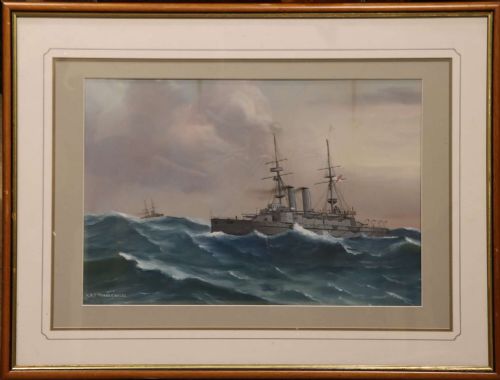
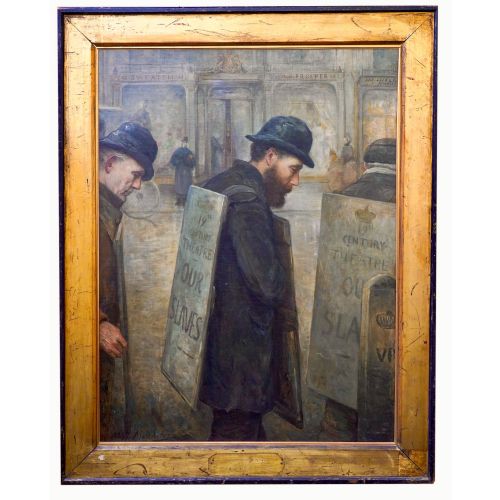
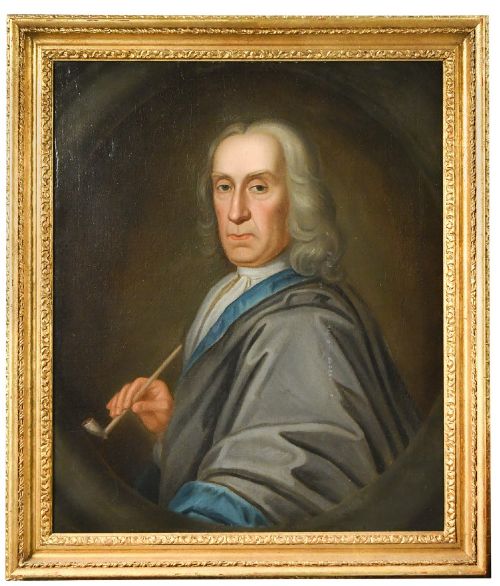
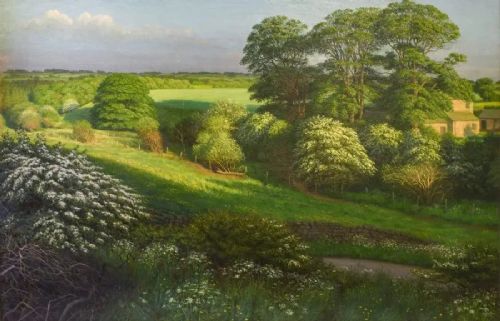
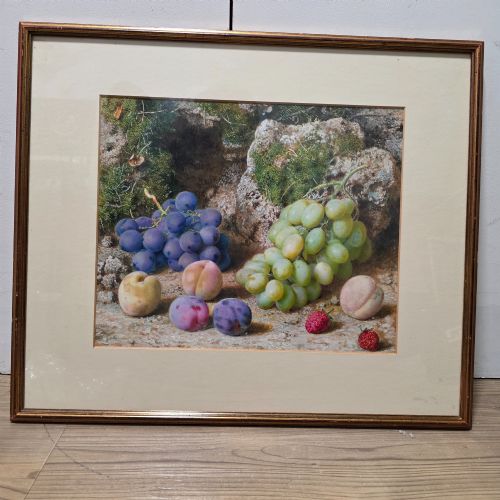
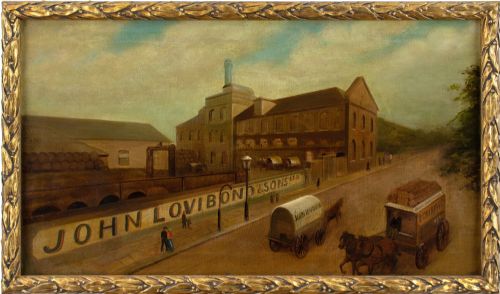
When you search for british history painting, you encounter works spanning from the Georgian period through the 19th century and into the mid-20th century. These artworks record naval battles, military portraits, royal studies and significant societal moments.
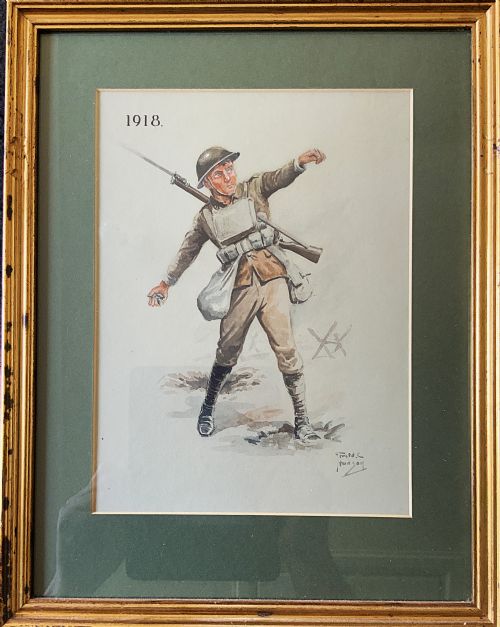
The selections on this page lean heavily towards framed paintings, fine art and wall art. Portraits of officers, maritime scenes of frigates and depictions of historic processions dominate the physical forms available.
Materials and construction
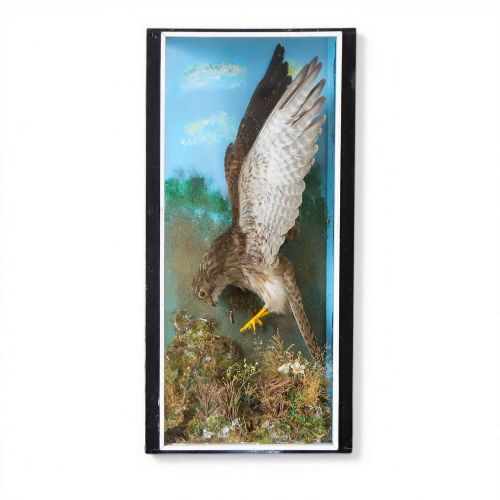
Framing often involves traditional giltwood, which complements the period aesthetic and protects the painted surfaces. Painted wooden cases also house associated items such as taxidermy dioramas.
Materials documented in these works include oil paint, watercolour, gouache, canvas, paper, giltwood and glass.
Judging quality and execution
Quality rests upon the artist's ability to render accurate anatomy, period costume and atmospheric depth. Works by named painters or established circles display superior brushwork and compositional confidence compared to anonymous school pieces.
Condition of the canvas, paper stability and the integrity of the original medium dictate the long-term visual impact. Untouched surfaces and clear provenance elevate individual works significantly.
Felix Stone Moscheles·Carl Whitfield·John Sherrin·Charles F Tunnicliffe·Allan Gwynne Jones·Francis Holman
The British History Painting Glossary
- Oil on canvas
- Pigments bound in a drying oil applied to a stretched woven fabric support. This combination provides rich colour depth and durability over centuries.
- Gouache
- An opaque water-based paint that dries to a matte finish. It allows for sharp highlights and solid areas of colour on paper.
- Giltwood
- Timber carved and coated with gold leaf or a gold-coloured finish. It provides a traditional decorative border for historical artworks.
- English School
- A designation for artists trained or working in England whose specific individual identity remains unrecorded. These works reflect the prevailing stylistic standards of their era.
British History Painting: Frequently Asked Questions
What subjects do these paintings cover?
The works depict naval engagements, military officers, royal figures and significant societal moments. They serve as visual records of national events and notable individuals from past centuries.
Subjects range from sea battles off the English coast to detailed portraits of admirals and everyday historical figures.
How should I care for these watercolours?
Watercolours and works on paper require protection from direct sunlight to prevent fading. Keep them in rooms with stable humidity and temperature.
Ensure framing uses acid-free mounts and glass that blocks ultraviolet light to preserve the pigments.
Are these works signed by the artists?
Many pieces bear the artist's signature or initials, while others are attributed to specific historical schools. Attribution relies on stylistic analysis and documented provenance.
Unsigned works are frequently identified through subject matter, technique and period framing.
How do I date a historical painting?
Dating involves examining the clothing style, military uniforms, painting materials and framing methods. Written records on the reverse of the canvas also provide clues.
Comparative analysis with documented works from the same period helps narrow down the production decade.