
British Art Painting
British art painting brings centuries of domestic portraiture, pastoral landscape and maritime history directly onto canvas and paper.
British Art Painting
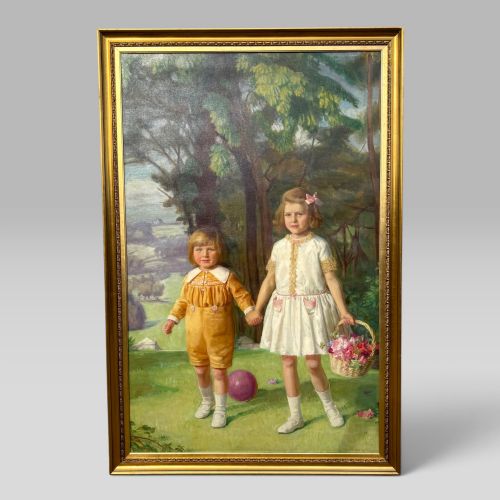
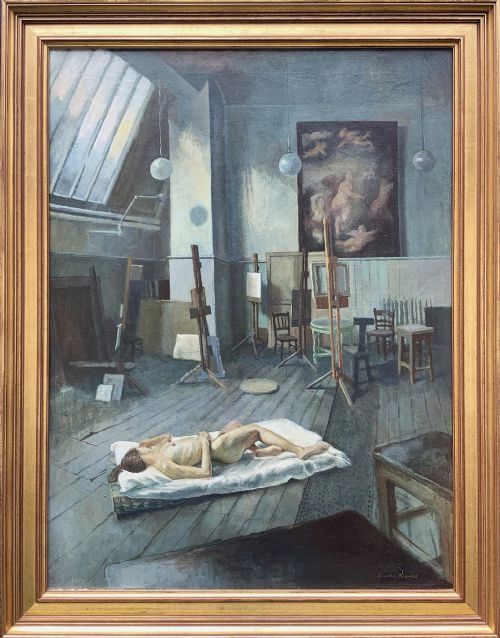
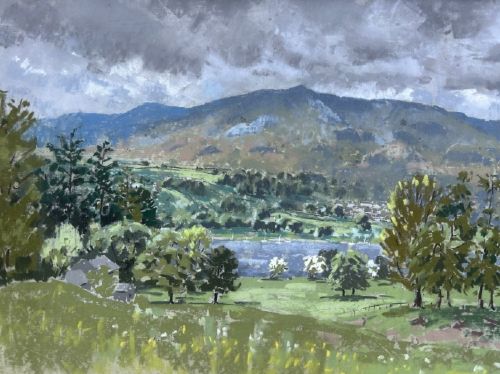
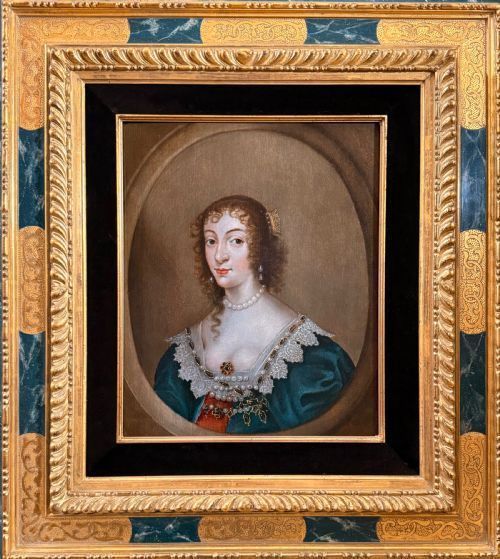
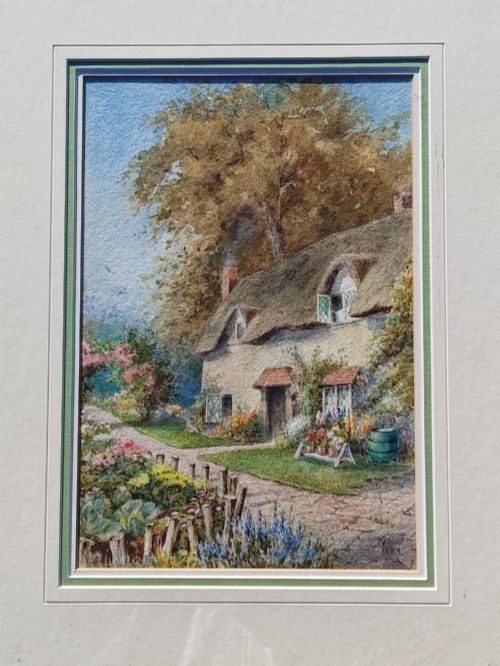
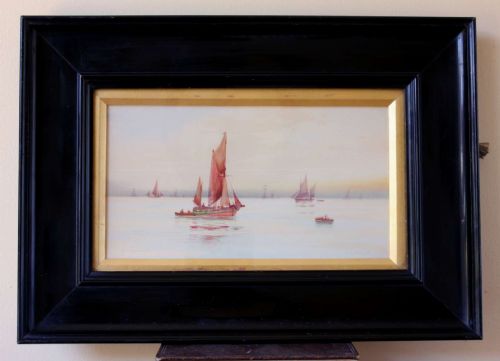
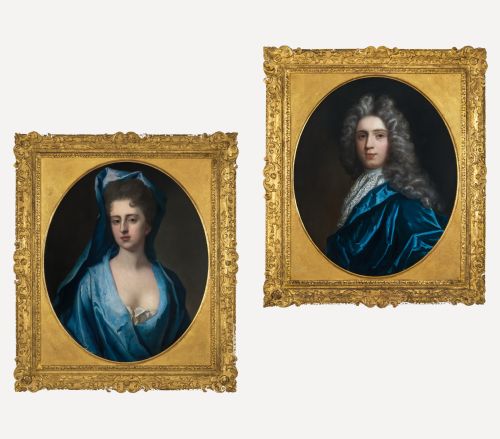
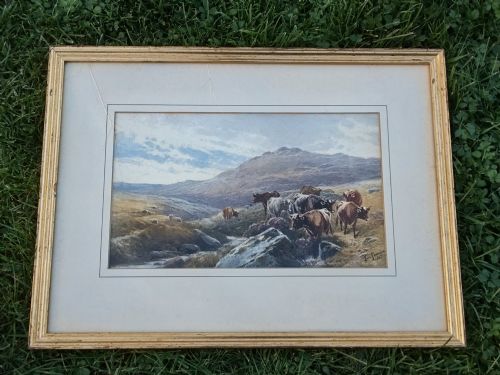
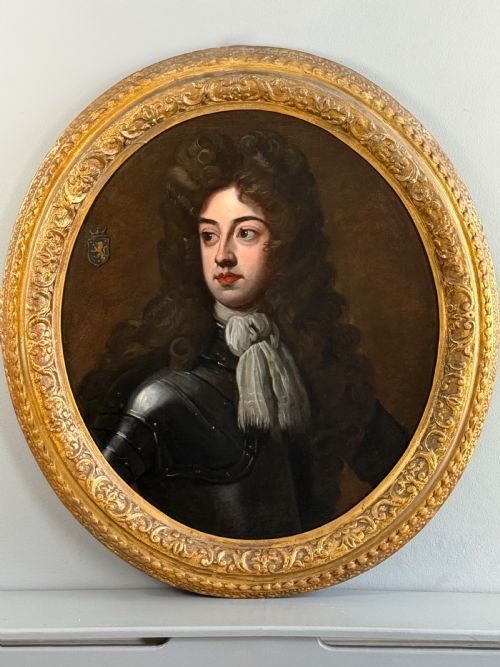
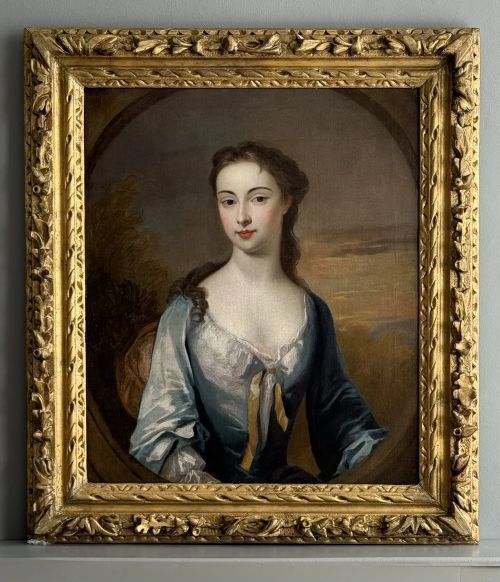
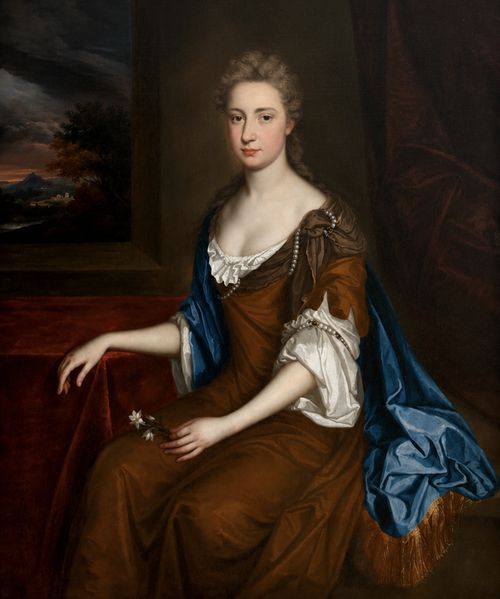
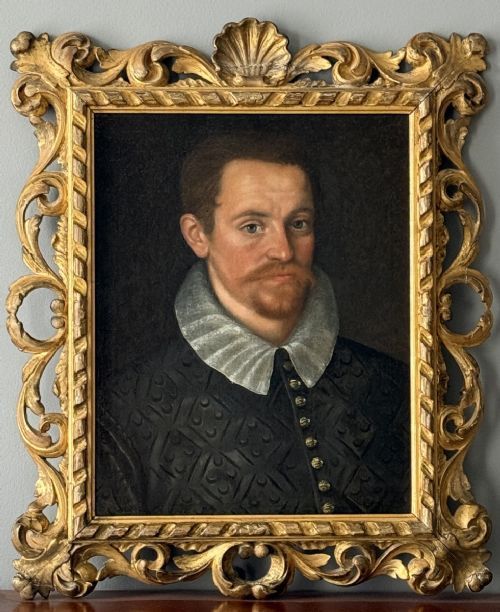
A search for british art painting reveals works stretching from the seventeenth century through to the mid-twentieth century. Buyers encounter formal aristocratic portraiture alongside informal genre scenes, rural watercolours and coastal views.
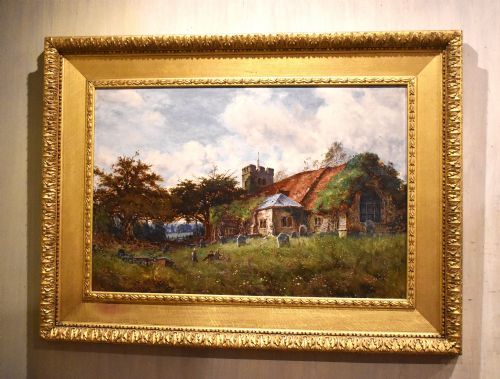
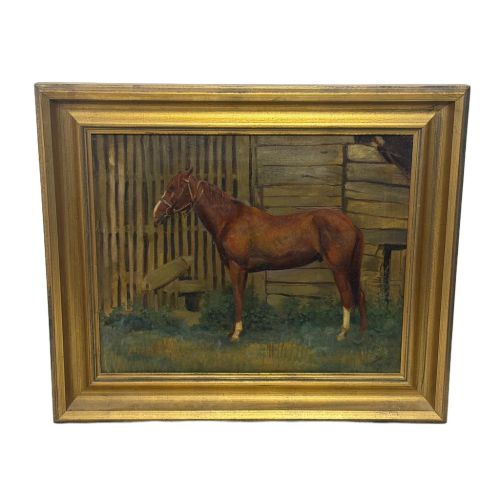
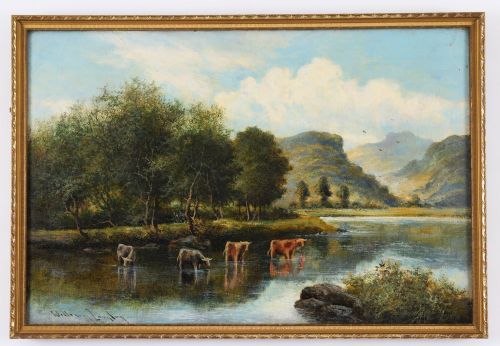
The nineteenth-century Victorian output dominates, offering detailed landscapes, animal studies and narrative domestic scenes. Oil on canvas and delicate watercolours form the core of the items encountered here.
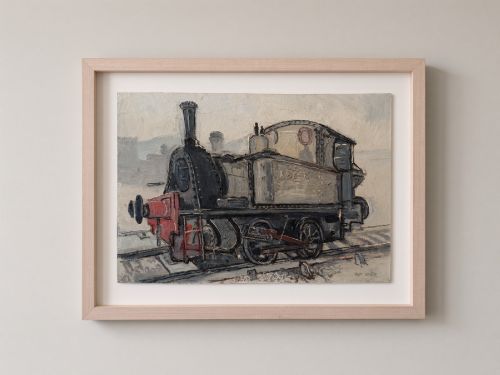
The selection ranges from grand studio oils down to intimate regional watercolours by lesser-known artists. These pieces reflect the shifting tastes of British collectors across successive centuries.
Materials and technique
Artists relied primarily on oil on canvas, wood panels and paper for watercolours, supported by traditional framing in gilt and giltwood. Canvases were prepared with gesso grounds before application of pigment, while watercolours utilised washes built across heavy rag paper.
Framing played an integral part in presentation, often utilising ornate moulded frames finished in gold leaf. These materials dictated the durability and visual weight of each piece over time.
Materials represented across the inventory include oil on canvas, wood panels, paper, giltwood frames and watercolour.
Judging the standard
Quality rests upon the sureness of the brushwork, the handling of natural light and the anatomical accuracy within portraits and animal subjects. Master painters achieved depth and texture through layered glazes, whereas weaker hands produced flat, formulaic surfaces.
The integrity of the original support also dictates value, with untouched canvases showing superior condition compared to heavily lined or over-restored examples. Compositional balance and the expressiveness of the subject separate ordinary decorative works from notable artistic achievements.
George F Bird·Deidre Daines·Angus Rands·James Elliot·Fred Yates·Lionel Ellis·William Langley·K Howitt·GM Avondale·Michael Dahl·Thomas Murray·Thomas Rowden·Sir Godfrey Kneller·Charles Jervas·Edward Holmes RBA·Henry Barraud·William Mellor·Hugh Barry-Scott·William Manners·F Staple·Philip H Rideout·Donald McIntyre·Sir Thomas Lawrence·Thomas Beach·Sir Allan Ramsay
The British Art Painting Glossary
- Oil on canvas
- Pigments suspended in a drying oil, typically linseed, applied to stretched woven fabric. This medium allowed artists to work slowly and build rich textures.
- Giltwood
- Timber carved and coated with a thin layer of gold leaf or metallic powder. It provides the characteristic bright border found on formal period frames.
- Genre painting
- The pictorial representation of scenes from everyday life, involving ordinary people engaged in common activities. These works offer social history alongside artistic merit.
- Watercolour
- Pigments ground in a water-soluble binder, painted onto paper to create translucent washes of colour. It became a prominent medium in British landscape art.
- Portraiture
- The representation of a particular person, capturing likeness, personality and social status through painted form. Such works often recorded family lineages and civic prominence.
British Art Painting: Frequently Asked Questions
How do I date an old painting?
Dating relies upon examining the canvas preparation, stretcher construction, framing style and the sitter's costume. Pigment analysis and artist signatures also help establish a reliable timeframe.
Comparison with documented works by the same school or studio narrows the period further. Conservation marks left on the reverse during past repairs often provide additional chronological clues.
What is the difference between oil and watercolour?
Oils use pigment suspended in drying oil on canvas or panel, allowing rich layering and deep tones. Watercolours employ water-soluble pigments on paper, producing lighter, translucent effects.
Oils generally require sturdy wooden or gilt frames without glass protection. Watercolours need framing behind glass to shield the paper from moisture and atmospheric dust.
How were these paintings displayed originally?
Period works hung primarily in private drawing rooms, galleries and dining halls of country houses and town residences. They served to project family lineage, wealth and cultural taste to visitors.
Lighting came from natural daylight supplemented by candles or oil lamps, which influenced how artists balanced tone and colour intensity. Heavy gilt frames helped reflect this ambient light back into the room.
How should I care for a canvas painting?
Keep the artwork away from direct sunlight, high humidity and sudden temperature fluctuations that cause canvas slackening. Dust the surface gently with a soft, dry brush without applying pressure.
Avoid using water or chemical cleaners on the paint surface or the gilt frame. Professional conservators should handle any structural repairs or cleaning of aged varnish layers.