
British Art Deco
British art deco brings together streamlined forms and striking woods, offering functional elegance for modern interiors.
British Art Deco
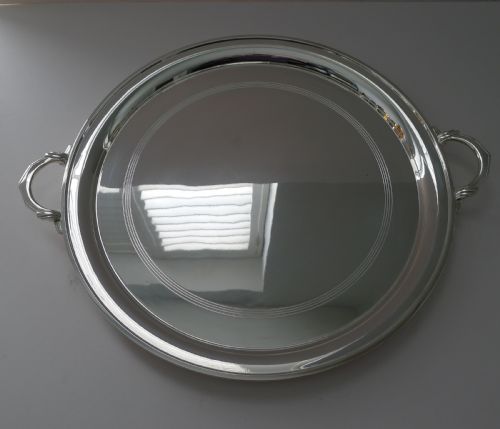
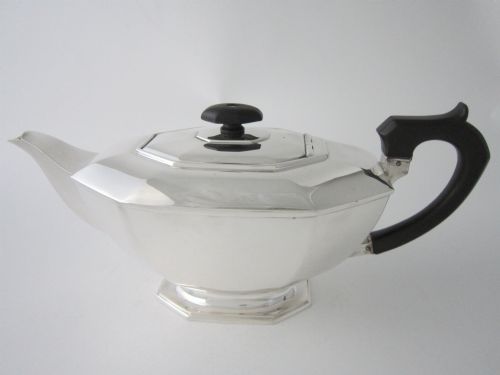
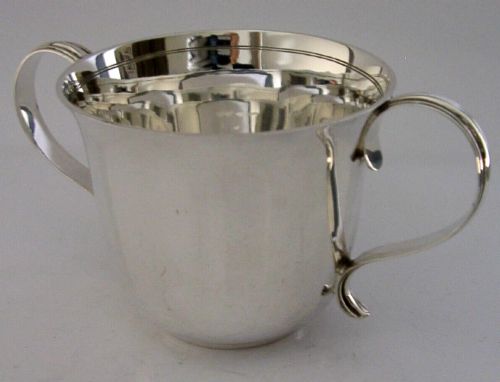
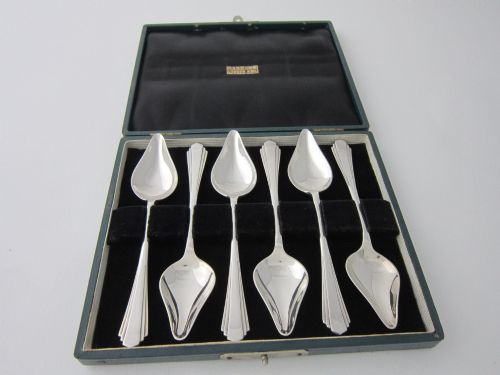
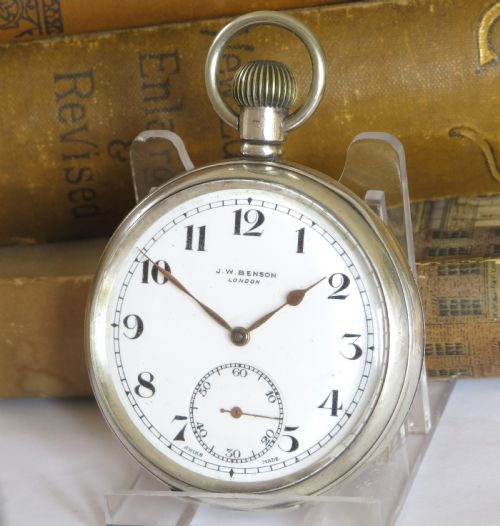
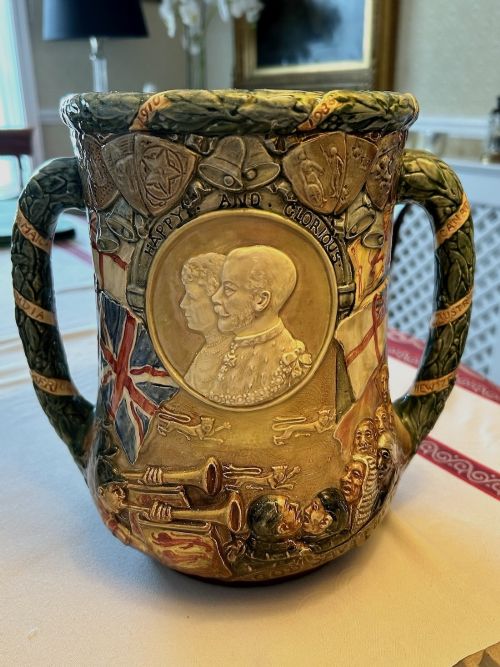
British art deco encompasses a diverse range of furniture, silverware, ceramics, and clocks produced primarily across the interwar decades. Buyers searching for british art deco encounter everything from substantial sideboards and nests of tables to pocket watches and cocktail trays.
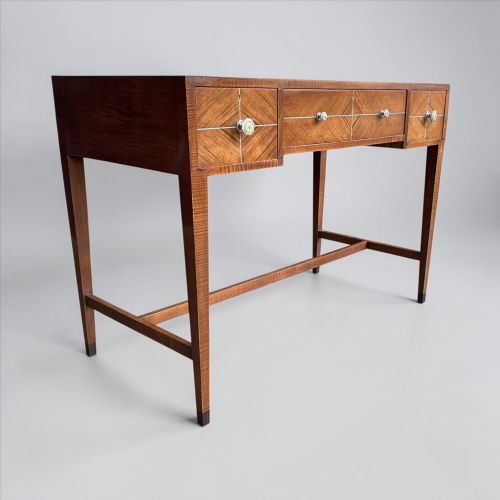
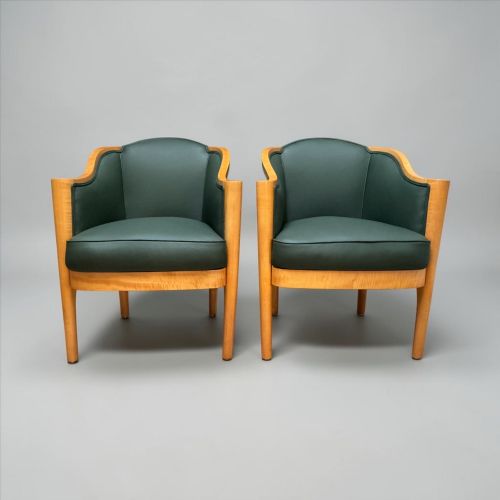
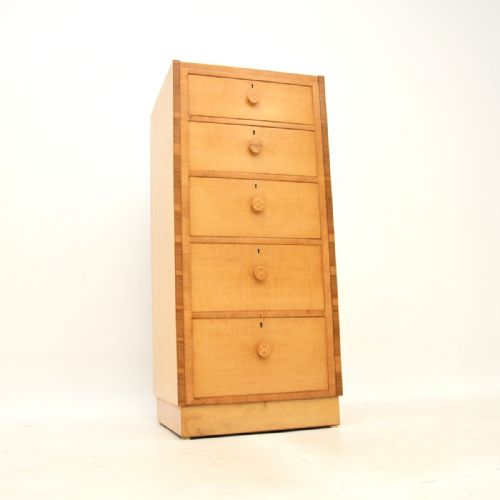
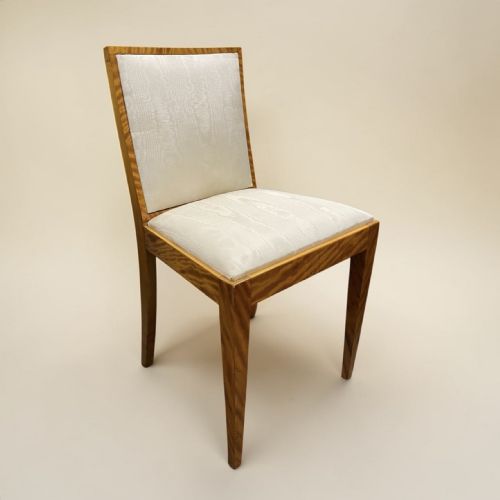
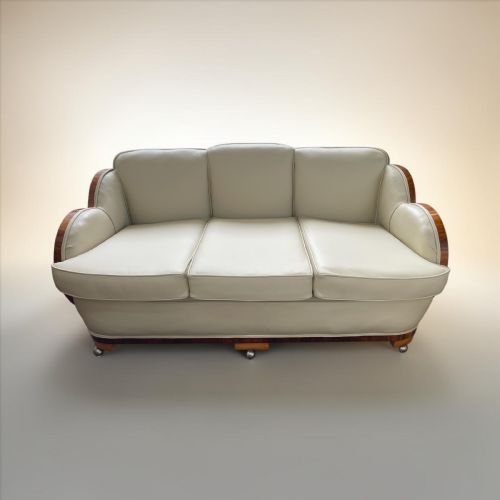
Seating forms such as occasional chairs, armchairs, and three-seater sofas demonstrate the period's focus on comfort and geometric shaping. Case furniture like bookcases, desks, and chests of drawers utilise distinct architectural lines typical of the era.
The objects originate from major London retailers and notable cabinet makers operating during the 1920s, 1930s, and 1940s. These pieces reflect a distinct domestic response to international modernist trends, combining utility with decorative presence.
How they were made
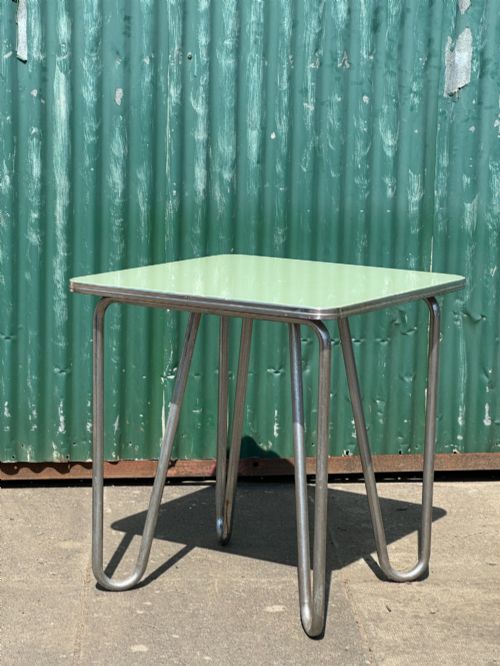
Makers utilised rich native and exotic timbers, frequently applying burr walnut, satinwood, sycamore, and limed oak as veneers over sturdy carcases. Chrome and tubular steel also appear in structural frameworks, particularly for modernist tables and seating.
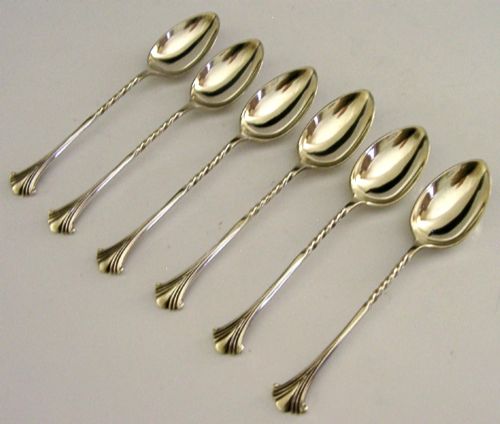
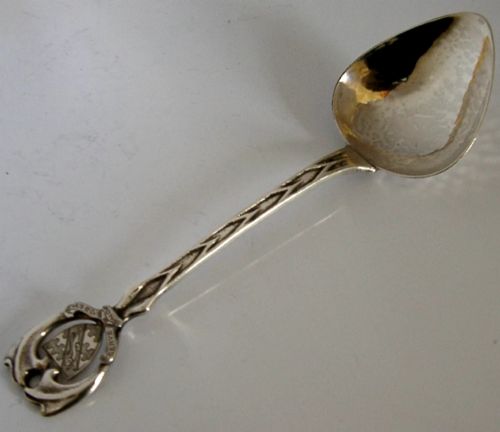
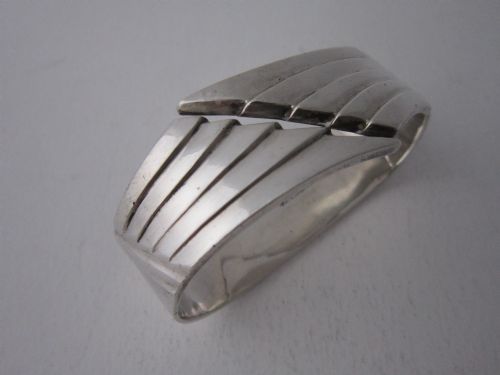
Sterling silver items rely on traditional silversmithing techniques, often paired with enamel or bakelite details for contrast. Glass production employed specialised moulding and pedestal forming methods seen in large decorative bowls.
Listings feature items spanning the 1910s to the 1960s, executed in glass, walnut, sterling silver, bakelite, and chrome.
What varies in quality
Quality separates objects by the calibre of timber selection and the precision of veneer matching across visible surfaces. Master workshops executed complex curves and geometric patterns with meticulous grain alignment.
Attribution to documented designers and retailers elevates the standing of an individual piece, alongside robust internal construction and well-preserved original hardware. Pieces bearing maker stamps or signatures demonstrate higher craftsmanship standards.
Maurice Adams·Keith Murray·Hille·J W Benson·Oliver Percy Bernard·Bath Cabinet Makers·Harry and Lou Epstein·Betty Joel·Heals of London·Smiths Clockmakers·Hamptons of Pall Mall London·Bowman Brothers
The British Art Deco Glossary
- Sterling silver
- A silver alloy containing 92.5 percent pure silver by mass, widely used for British tableware and accessories. It carries hallmark stamps indicating assay office and date.
- Bakelite
- An early plastic made from phenol and formaldehyde, valued for its durability and rich dark tones. It frequently forms handles, clock surrounds, and decorative accents.
- Veneer
- A thin slice of superior wood applied over a secondary timber base to create decorative patterns. Burr walnut veneers provide complex, swirling grain textures.
- Limed oak
- Timber treated with a white pigment or lime finish to highlight the open grain structure. This technique produced a lighter, contemporary surface texture favoured by interwar retailers.
British Art Deco: Frequently Asked Questions
What defines British art deco furniture?
British art deco furniture is characterised by clean geometric lines, stepped profiles, and the use of striking decorative veneers like walnut and sycamore. These pieces balance practical domestic utility with a forward-looking aesthetic.
Unlike more ornate earlier styles, the focus rests on smooth surfaces and functional silhouettes designed for modern living spaces.
How do I identify maker marks?
Makers often applied paper labels, metal tags, or direct stamps to the interior of drawers or the underside of furniture and silver objects. Retailers such as Heals or prominent cabinet makers like the Epstein brothers occasionally signed their work.
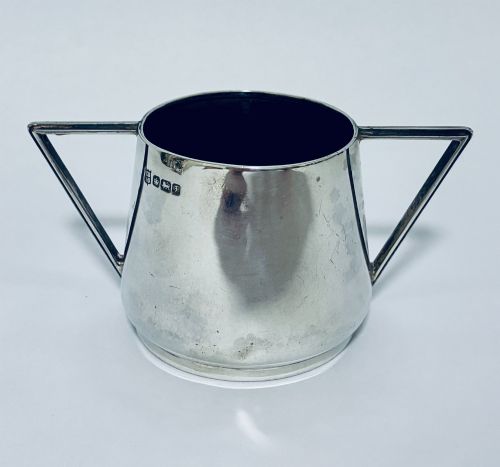
Silver items feature official hallmarks that include date letters, maker initials, and assay office symbols to confirm origin and age.
Where were these pieces used?
These items populated sophisticated interwar urban homes, suburban drawing rooms, and executive offices across Britain. Silverware and cocktail trays served social functions during evening gatherings.
Larger case pieces and seating provided both storage and comfort in sitting rooms, studies, and dedicated dressing rooms.
How do I care for walnut veneer?
Protect walnut veneer surfaces by keeping them away from direct sunlight and maintaining stable room humidity levels to prevent timber movement. Dust regularly with a soft, dry cloth rather than applying silicone-based polishes.
Occasional waxing helps maintain the lustre of the polished wood finish without sealing the grain permanently.