



British Architectural Art
British architectural art captures buildings, streets and landscapes through paintings, watercolours and prints.
British Architectural Art
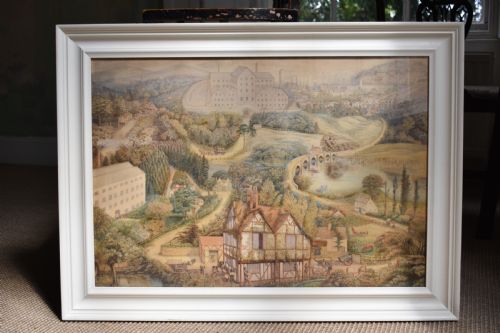
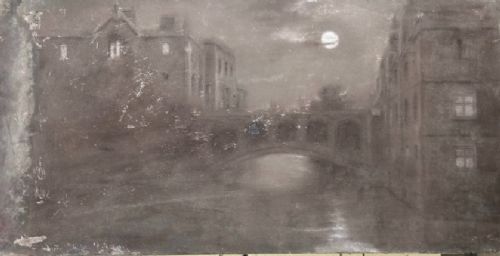
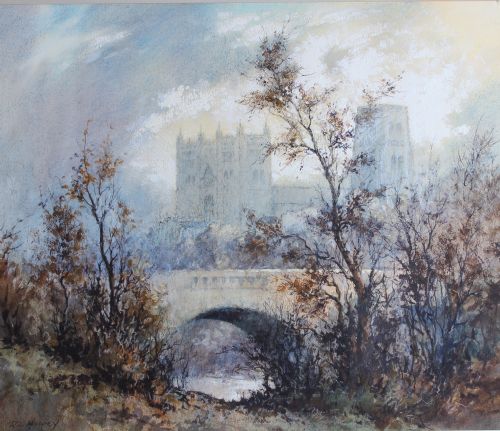
British architectural art brings together paintings, watercolours, sketches and prints that focus on buildings, streets, bridges and historical landmarks. When exploring british architectural art, buyers encounter depictions of cathedrals, abbeys, castles, town halls and domestic properties recorded across various periods.
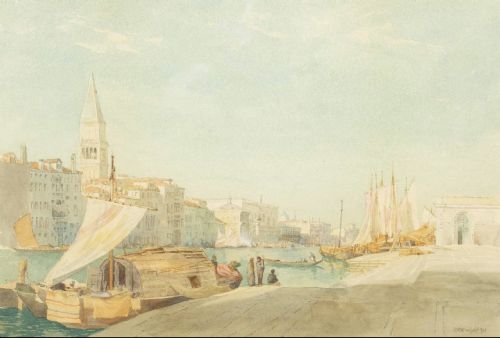
The selections available lean heavily towards watercolours and oil paintings created from the nineteenth century through to the mid-twentieth century. Works frequently document specific locations such as London street scenes, Northern abbeys, bridges and European travels undertaken by British artists.
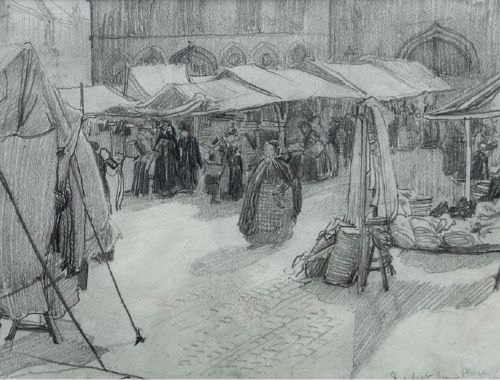
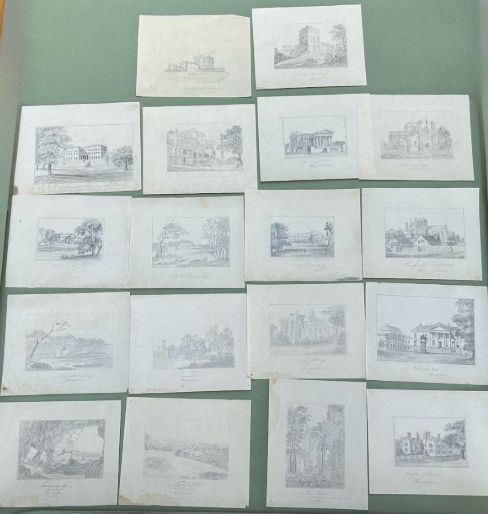
Pieces range from intimate pencil drawings and ink studies to finished oil paintings on canvas or board. Subject matter extends from grand urban monuments and industrial structures to quiet rural cottages and market squares.
Materials and technique
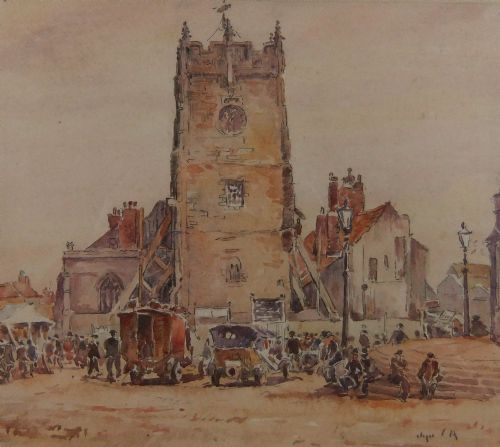
Artists producing british architectural art utilised watercolour pigment, oil paint, ink, charcoal and graphite pencil on paper, card or canvas supports. Watercolours often involve delicate washes combined with ink line work to define masonry and perspective.
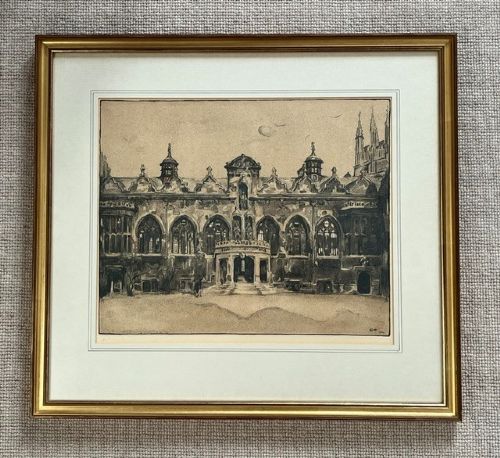
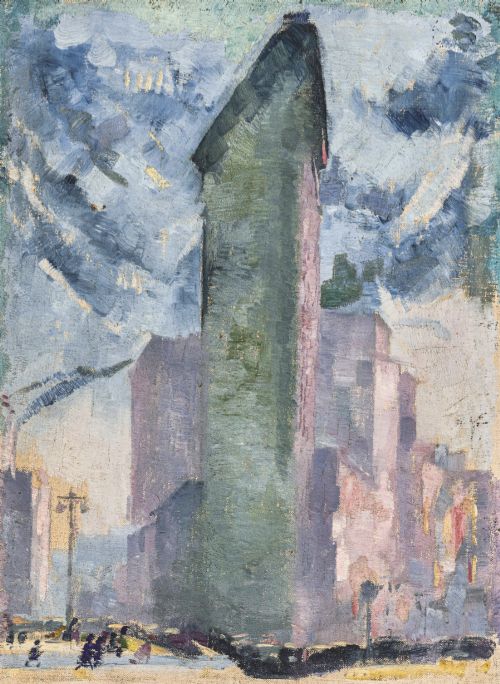
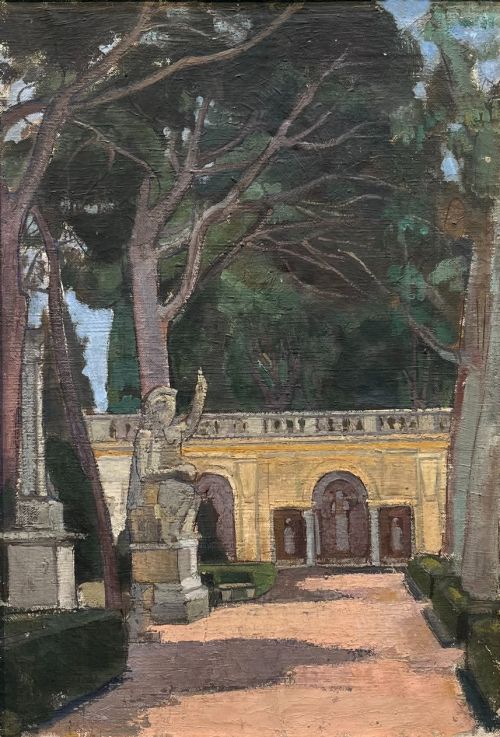
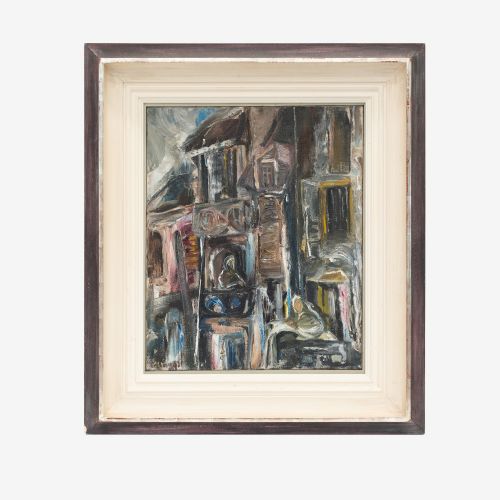
Oil paintings employ heavier pigments on canvas or board, allowing for textured brushwork that captures the weathering of stone and historic facades. Etchings and lithographs provide printed interpretations of architectural subjects using inked plates or stones.
One unexpected sketch records a Victorian funfair helter-skelter, proving artists looked past formal architecture to seaside thrills.
Distinctions in quality
Quality within british architectural art rests upon the surety of the draughtsmanship, the precision of perspective and the artist's ability to render light upon stone and timber. Superior pieces demonstrate confident handling of scale and atmosphere rather than mechanical exactness.
The strength of the composition and the immediacy of the observation separate accomplished works from routine topographical recording. Context, such as a known exhibiting artist or a documented location, further distinguishes the standing of individual pieces.
Sir William Nicholson·Hercules Brabazon Brabazon·Fred Lawson·Jack Merriott·Rowland Henry Hill
The British Architectural Art Glossary
- Watercolour
- A painting method where fine pigment is suspended in a water-soluble binder, applied in translucent washes to paper. It allows for rapid sketching on location.
- Etchings
- Prints produced by biting lines into a metal plate with acid before applying ink and pressing onto paper. This technique yields sharp architectural details.
- Lithography
- A planographic printing process based on the repulsion of oil and water, enabling artists to draw directly onto a stone or metal plate. It captures painterly textures.
- Topographical
- Pertaining to the accurate depiction of particular places, buildings or landscapes. Such works serve as visual records of historic locations.
British Architectural Art: Frequently Asked Questions
What periods do these artworks cover?
The pieces span from the early nineteenth century through to the mid-twentieth century. Edwardian and Victorian works sit alongside 1930s and 1950s modernist interpretations.
This broad timeline shows how architectural subjects evolved from detailed topographical records into more expressive treatments.
Are these works original paintings or prints?
The selection includes both unique original works and historical prints. Original paintings feature hand-applied oil, watercolour, pencil or ink.
Printed items consist of period etchings and lithographs pulled from plates or stones created by the artist.
How should I frame historic watercolours?
Historic watercolours require conservation framing with acid-free mounts to prevent paper degradation. Direct sunlight causes pigments to fade over time.
Glazing with UV-filtering glass protects delicate watercolours and drawings from environmental damage in domestic settings.
What subjects are most common?
Cathedrals, abbeys, castles, bridges and urban street scenes dominate the subject matter. Artists frequently recorded landmarks in London, Yorkshire, and European cities.
Industrial structures, quiet village cottages and market crosses also appear across the painted and drawn works.