


British Table
A british antique table brings solid mahogany, walnut, and cast iron into a room through forms ranging from Georgian breakfast tables to Victorian pub tables.
British Table
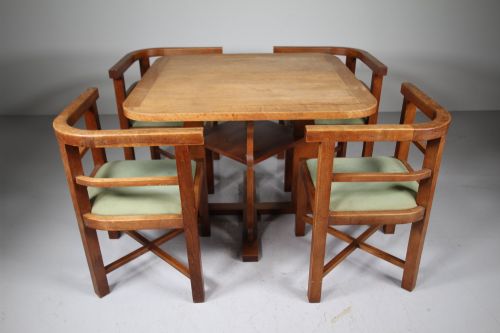
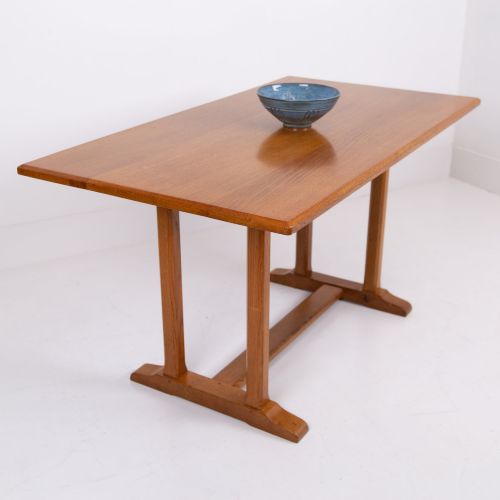
When you search for a british antique table, you encounter pieces spanning from the Georgian period through to the mid-century modern era. The selection includes centre tables, pub tables, desks, coffee tables, and dressing tables.
Mahogany and walnut form the backbone of these pieces, while cast iron appears alongside wood in utilitarian designs such as pub tables. Origins range from domestic English workshops to regional variations.
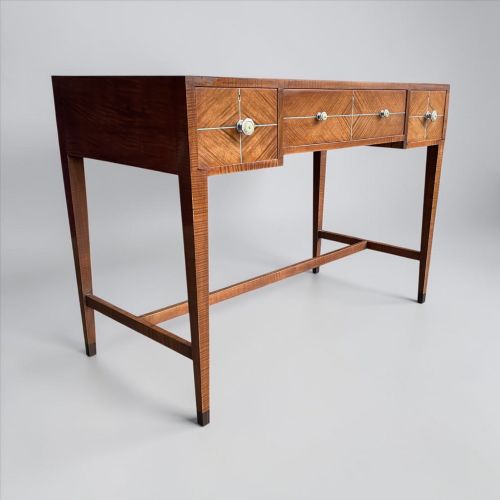
Buyers frequently meet pedestal breakfast tables, side cupboards, and coffee tables adapted from earlier periods or built during the art deco years. Each form reflects the domestic habits and interior tastes of its specific decade.
Materials and Construction
Cabinet makers utilised dense hardwoods like figured mahogany and walnut, shaping timber to highlight natural grain patterns across circular breakfast tops and pedestal bases. Joinery relied on traditional housing and tenoning methods.
Cast iron provided sturdy supports for heavy public house furniture, paired with original solid wood surfaces to withstand daily trade. Metal components were cast in moulds and bolted directly to timber frames.
Satinwood and specialised veneers appeared on later art deco desks and dressing tables, applied with animal glues over solid secondary woods. Surface finishing involved shellac polishes and hand-rubbed oils.
British Table Retail Price Guide 2026
Typical asking prices for british table among the pieces listed under this phrase on Sellingantiques today, from the lower quarter to the upper quarter. They describe what is for sale here now, not the wider market.
Pub tables carry the silent history of countless spilled ales and local gossip within their cast iron frames.
Distinctions in Execution
Superior examples display careful timber selection, where figured mahogany or walnut grain is matched symmetrically across large table surfaces. Inferior pieces rely on plain, unselected planks with minimal attention to visual continuity.
The precision of structural joins and the weight of supporting pillars dictate the stability of a table over centuries of use. Heavy octagonal pillars and solid pedestals indicate higher manufacturing standards than thin, braced legs.
Attribution to known designers or documented workshops elevates a piece through superior carving execution and thoughtful proportion. Anonymous items depend entirely on the baseline competence of local joiners.
Holland & Sons·Betty Joel·Maurice Adams·Harry and Lou Epstein
The British Table Glossary
- Centre table
- A freestanding piece designed to be viewed from all sides, placed in the middle of a room rather than against a wall.
- Pub table
- A heavy, utilitarian table featuring a cast iron base and a durable wooden top, built for commercial tavern use.
- Breakfast table
- A small dining table on a central pillar, popular during the Georgian and Regency periods for morning meals.
- Pedestal
- A central vertical column supporting a table top, often resting on three or four splayed feet.
- Figured mahogany
- Timber cut from specific sections of a mahogany tree to reveal dramatic, rippled grain patterns.
British Table: Frequently Asked Questions
How do I date a wooden table?
Dating relies on examining construction methods, tool marks on secondary timbers, and the specific species of wood utilised in the frame. Secondary elements often retain older manufacturing traits long after exterior styles shift.
Hardware such as screws and hinges also provide reliable chronological clues, as production techniques changed significantly between the Georgian and Victorian eras.
Are pub tables suitable for homes?
Cast iron pub tables provide exceptionally sturdy surfaces and compact footprints that fit well into modern kitchens and dining areas. Their industrial foundations add robust character to domestic spaces.
Original wooden tops paired with heavy metal bases require basic wax maintenance to protect against daily moisture and heat.
What is a breakfast table?
A breakfast table is a versatile dining piece supported by a single central pillar and splayed feet, allowing chairs to tuck neatly underneath. They were traditionally used for informal morning meals before large dining suites were set.
Many examples feature tilt-top mechanisms, enabling the surface to stand vertically against a wall when not in use.