





Brass Work Furniture
Brass work furniture combines utilitarian frames with decorative metal mounts, offering both functional storage and striking nineteenth-century display pieces for the home.
Brass Work Furniture
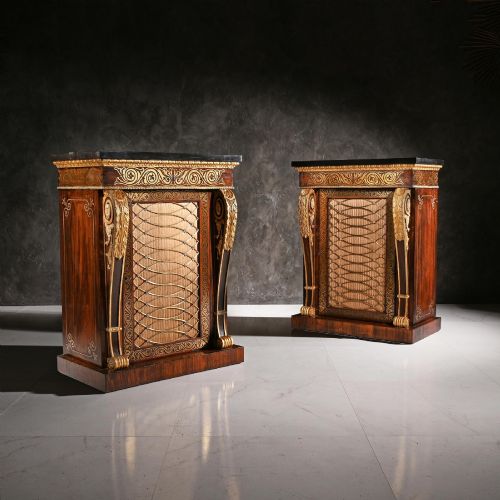
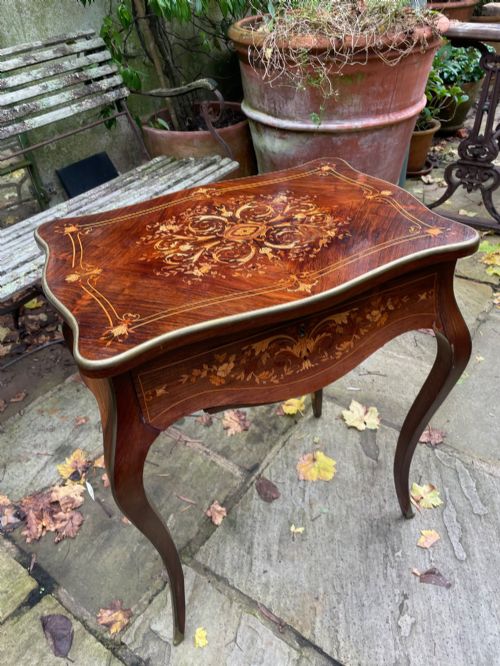
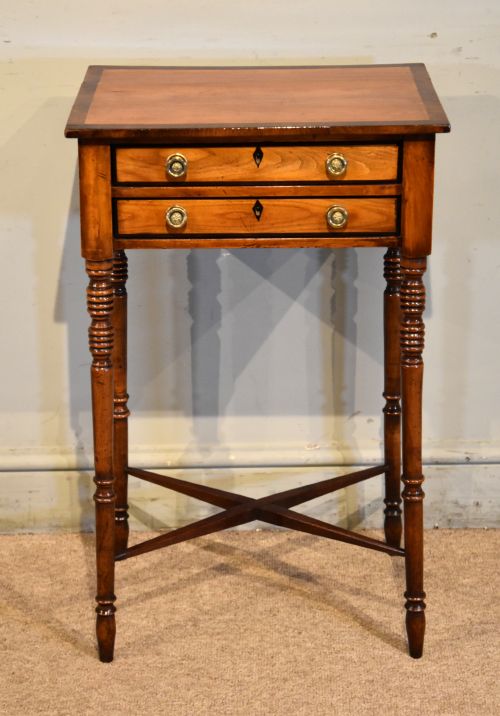
Brass work furniture encompasses various tables, cabinets, and storage units defined by their metallic mounts, inlays, or structural frames. Pieces matching this description range from Regency rosewood work tables and French Napoleon III pier cabinets to large Parisian baker's racks and occasional tables.
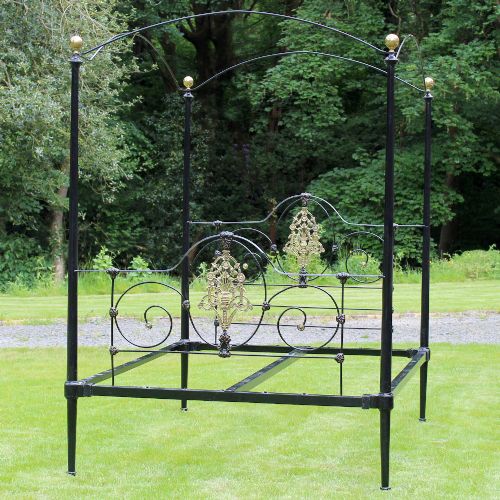
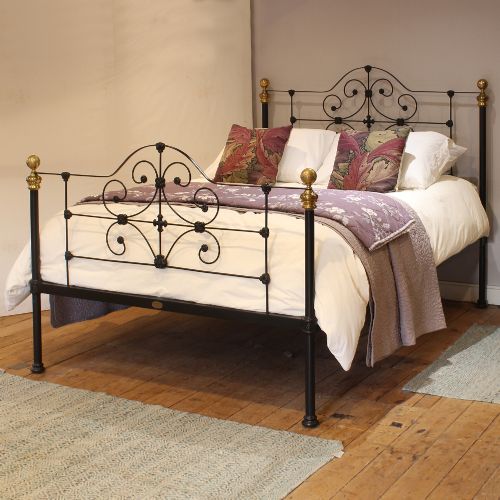
Buyers seeking brass work furniture will most frequently encounter nineteenth-century French and British examples utilising mixed woods like rosewood and ebonized timber alongside brass inlay, or utilitarian wrought iron and brass structures designed for bakeries and verandas.
How they were made
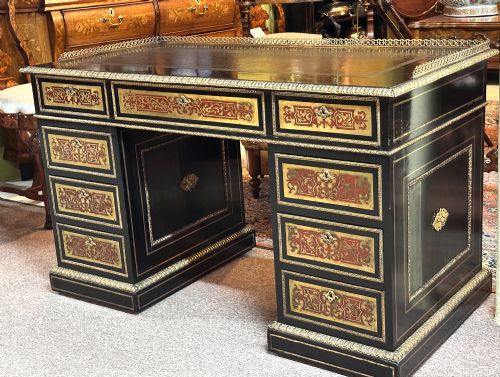
Cabinet makers utilised dense timbers such as mahogany, rosewood, oak, and fruitwood as foundations for intricate brass inlays, marquetry, and ormolu mounts. Techniques like Boulle work combined tortoiseshell and brass to create ornate surfaces on desks, cabinets, and side tables.
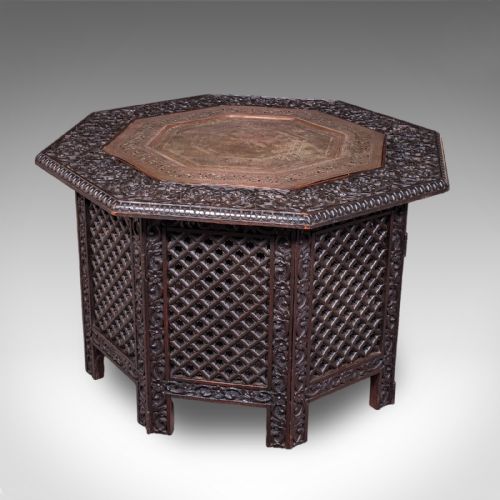
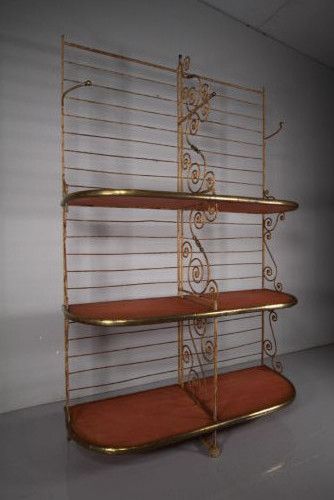
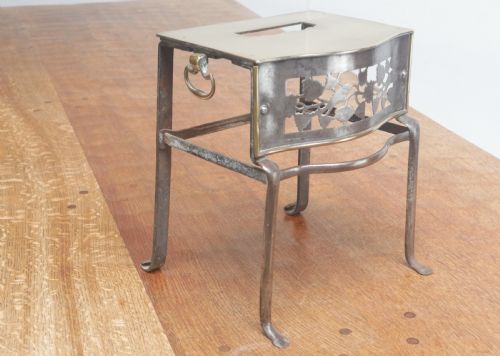
Structural pieces relied on combinations of wrought iron, steel, and brass, particularly in bakers racks and shelving units built for durability. Copper inserts and hand-beaten brass details also appear on tables originating from Indian workshops.
Brass Work Furniture Retail Price Guide 2026
Typical asking prices for brass work furniture among the pieces listed under this phrase on Sellingantiques today, from the lower quarter to the upper quarter. They describe what is for sale here now, not the wider market.
Listings feature 19th Century, Georgian, Victorian, and Edwardian pieces constructed from rosewood, mahogany, brass, wrought iron, and tortoiseshell.
What varies in quality
The precision of the metal inlay and the crispness of ormolu mounts distinguish finer cabinets and work tables from standard production. Superior examples display tightly fitted brass stringing and well-preserved tortoiseshell or marquetry panels.
Structural integrity in larger pieces like baker's racks depends on the weight and stability of the wrought iron or steel frames, alongside the original condition of the attached brass fittings and shelving.
Dubois of Lyon·Gillows of Lancaster·Maison Millet·Jenners
The Brass Work Furniture Glossary
- Boulle work
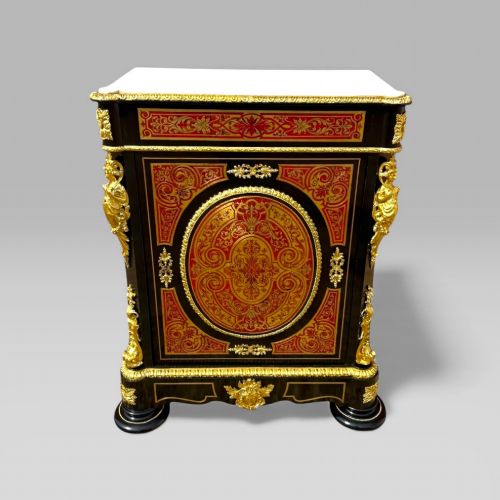
- An elaborate form of marquetry consisting of tortoiseshell and brass inlay developed in France. It frequently decorates nineteenth-century pier cabinets and desks.
- Ormolu
- Gilt-bronze mounts applied to furniture for decorative effect. Makers used these metallic elements to accentuate the corners and feet of occasional tables.
- Work table
- A small specialised table fitted with drawers or fabric bags for sewing and needlework. These often date from the Regency and Victorian periods and feature intricate wood and brass details.
- Baker's rack
- A tall iron and brass shelving unit originally used in French patisseries for cooling bread. These utilitarian structures now serve as display cabinets in domestic interiors.
- Marquetry
- Decorative veneer patterns applied to furniture surfaces using various wood types. It appears alongside brass work on nineteenth-century French revival pieces.
Brass Work Furniture: Frequently Asked Questions
How are baker's racks used today?
Originally designed for commercial French patisseries to cool bread, baker's racks now function as open shelving units in kitchens, dining rooms, or living spaces.
Their robust wrought iron and brass frames provide sturdy platforms for displaying dishware, books, or plants.
What is a Regency work table?
A Regency work table is a compact piece of furniture designed for needlework, letter writing, and light hobbies, usually featuring small drawers or compartments.
Cabinet makers constructed these tables from rosewood or mahogany, frequently incorporating brass inlay and delicate leg supports.
How do I identify French Napoleon III furniture?
Napoleon III furniture dates from the mid-nineteenth century and is characterised by ebonized wood finishes, heavy ormolu mounts, and elaborate Boulle marquetry.
These decorative side cabinets and tables draw inspiration from earlier royal styles while utilising industrial manufacturing techniques of the period.