


Brass Walking Stick
A brass walking stick brings together functional metalwork and personal support, holding a distinct place among antique canes and hall stands.
Brass Walking Stick
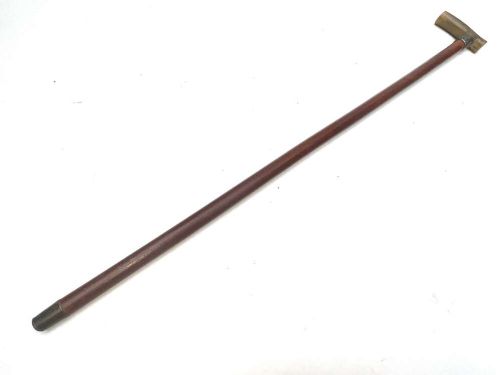
A search for a brass walking stick reveals items ranging from sturdy hall stands designed to hold umbrellas and canes to the actual shafts and handles mounted in metal. The selection covers Victorian and Edwardian periods, stretching back through the nineteenth century into the early decades of the twentieth. Many pieces combine brass mounts with wood, bamboo, oak, or cast iron.
Materials and construction methods
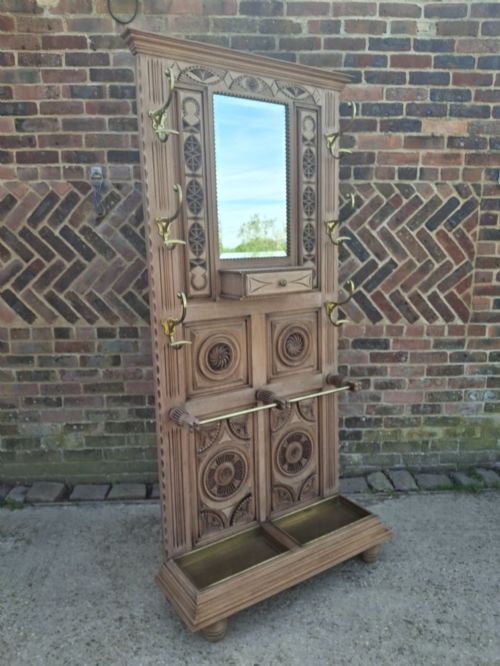
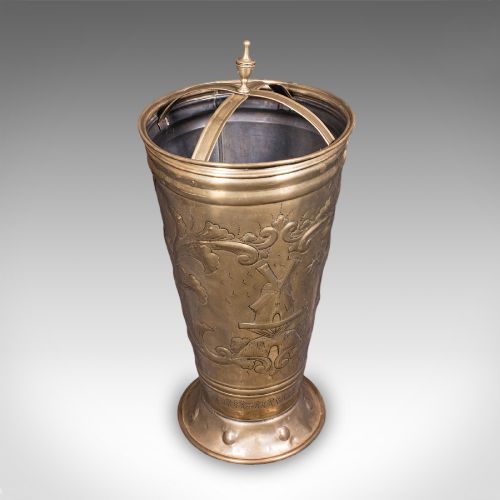
Construction relies heavily on combining metals with timber, utilising brass for bindings, handles, and cast stands while employing oak, mahogany, bamboo, and wood for bodies and barrels. Cast iron frequently forms the weighted bases of umbrella and stick stands to ensure stability in hallways.
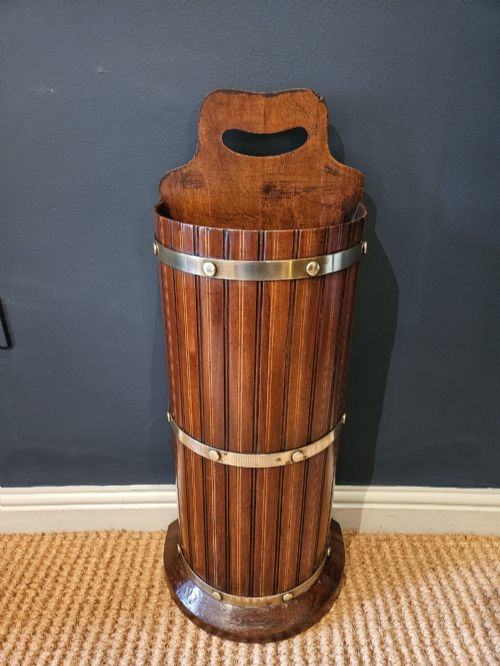
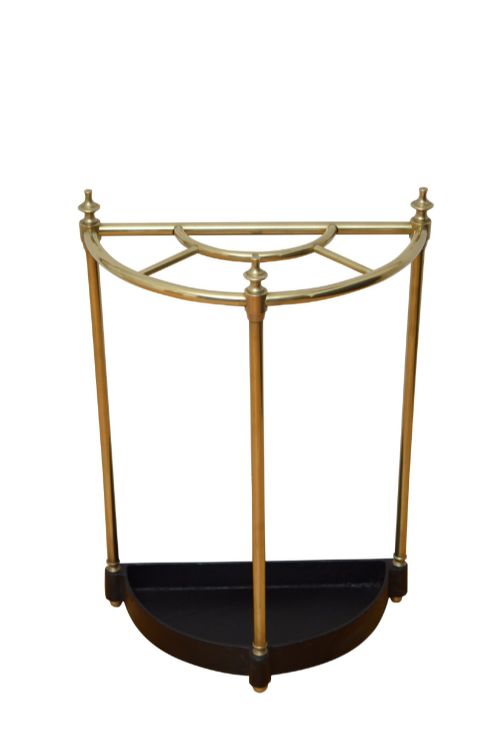
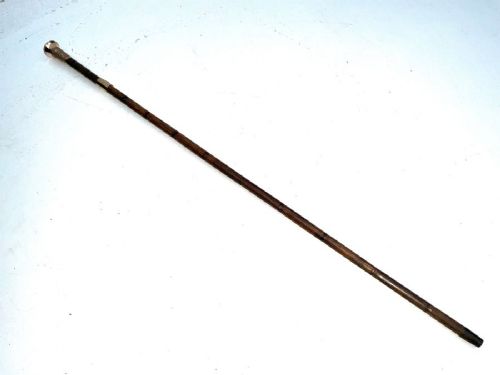
Techniques involve coopered barrel construction for wooden stands, metal casting for demi-lune frames, and detailed hand assembly for canes housing hidden blades or telescopes. Gold plating, Sevres porcelain mounts, and carved horn or bone elements appear on specific walking sticks from the nineteenth century.
Brass Walking Stick Retail Price Guide 2026
Typical asking prices for brass walking stick among the pieces listed under this phrase on Sellingantiques today, from the lower quarter to the upper quarter. They describe what is for sale here now, not the wider market.
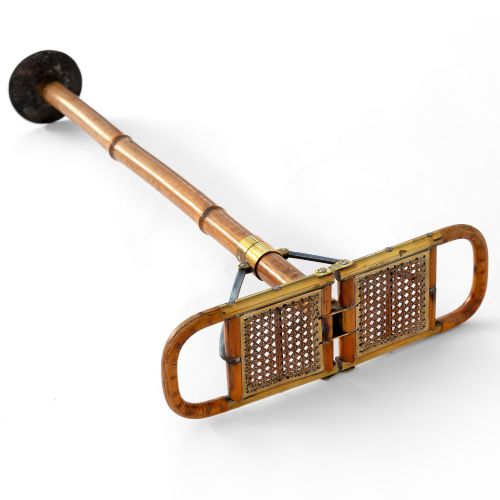
Object forms span umbrella stands, stick stands, walking sticks, swords sticks, shooting sticks, and hall furniture.
Factors that define the grade
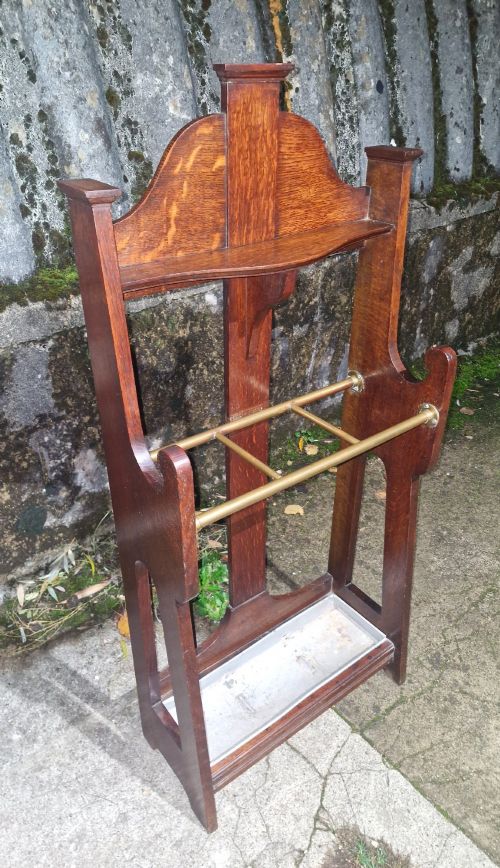
Quality rests in the weight and thickness of the brass, the crispness of cast iron details, and the integrity of joints in both stands and canes. Solid brass bindings and substantial cast bases indicate superior manufacture compared to lighter, pressed metal alternatives.
The sophistication of the materials used for handles, such as Sevres porcelain, carved bone, or horn, separates standard utility pieces from high-status gentleman's items. Original patination and the survival of integrated components like drip pans in stick stands dictate the standing of a piece.
Thomas Jeckyll·Shoolbred
The Brass Walking Stick Glossary
- Demi-lune
- A half-moon shape common in hall stands designed to sit flush against a wall.
- Cast iron
- A heavy, durable metal alloy used to form the sturdy bases of umbrella and stick stands.
- Sevres porcelain
- A fine ceramic type produced in France, sometimes utilised for decorative handles on walking sticks.
- Coopered
- Built from wooden staves bound together with metal hoops, typical of barrel-form umbrella stands.
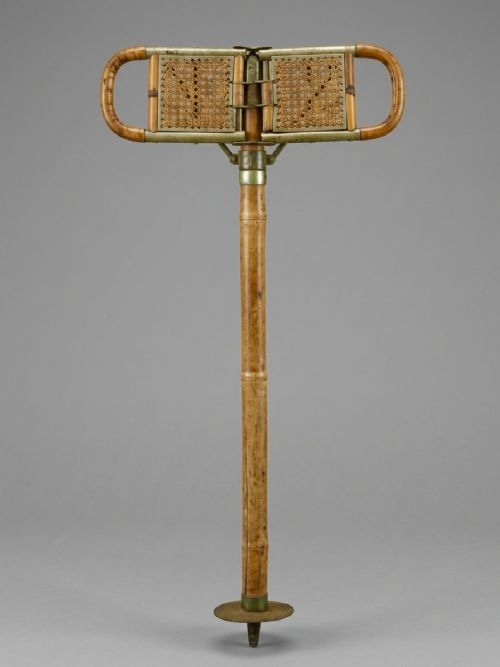
- Shooting stick
- A walking cane that unfolds into a small seat for outdoor sporting events.
Brass Walking Stick: Frequently Asked Questions
What is a brass walking stick stand?
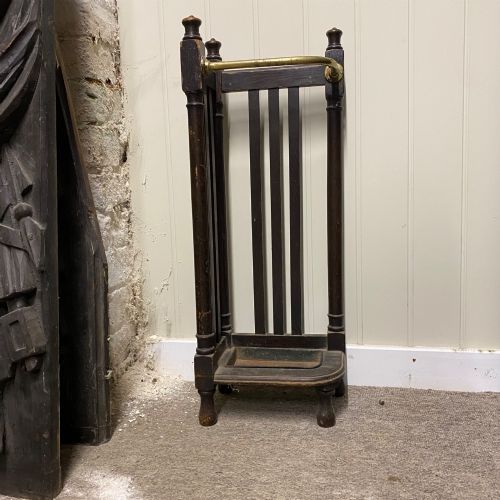
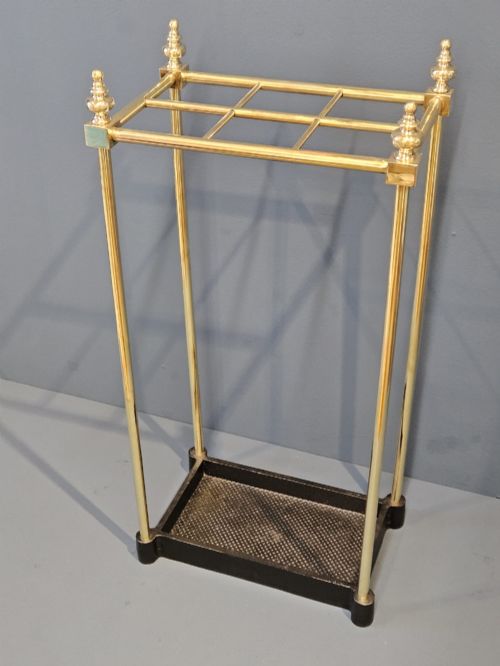
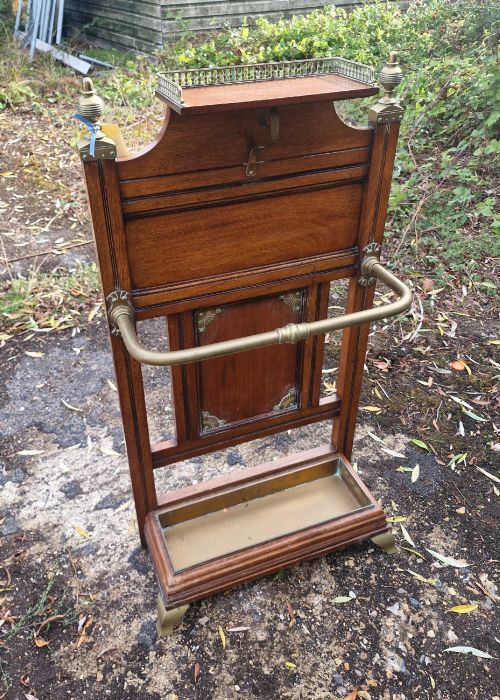
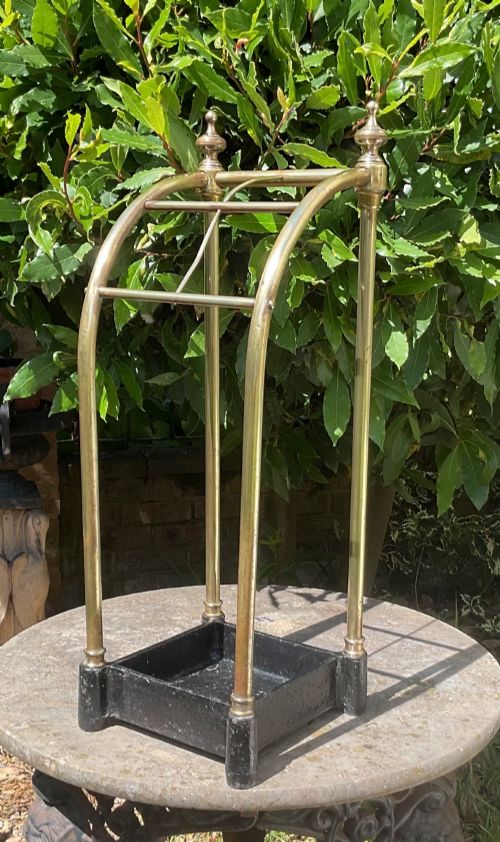
A brass walking stick stand is a hallway piece designed to hold canes, umbrellas, and shooting sticks upright. These stands often feature cast iron bases and demi-lune shapes to fit against entryways.
Materials such as oak, mahogany, and cast iron frequently accompany the brass components. They date primarily from the Victorian and Edwardian eras.
How do I identify a Victorian stick stand?
Victorian stick stands typically display heavy brass frames, cast iron elements, or coopered oak barrels with metal bindings. They date from the mid-to-late nineteenth century and often feature Gothic Revival or Arts and Crafts styling.
Checking for original drip pans at the base and substantial metal thickness helps confirm the period manufacture.
Were walking sticks used as weapons?
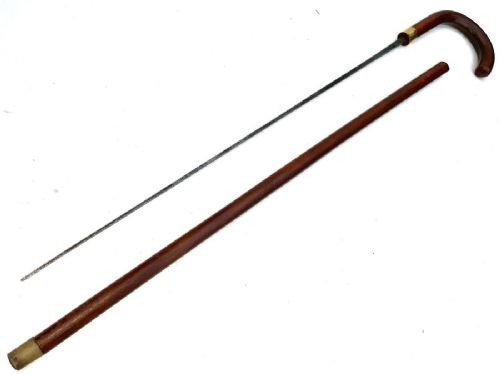
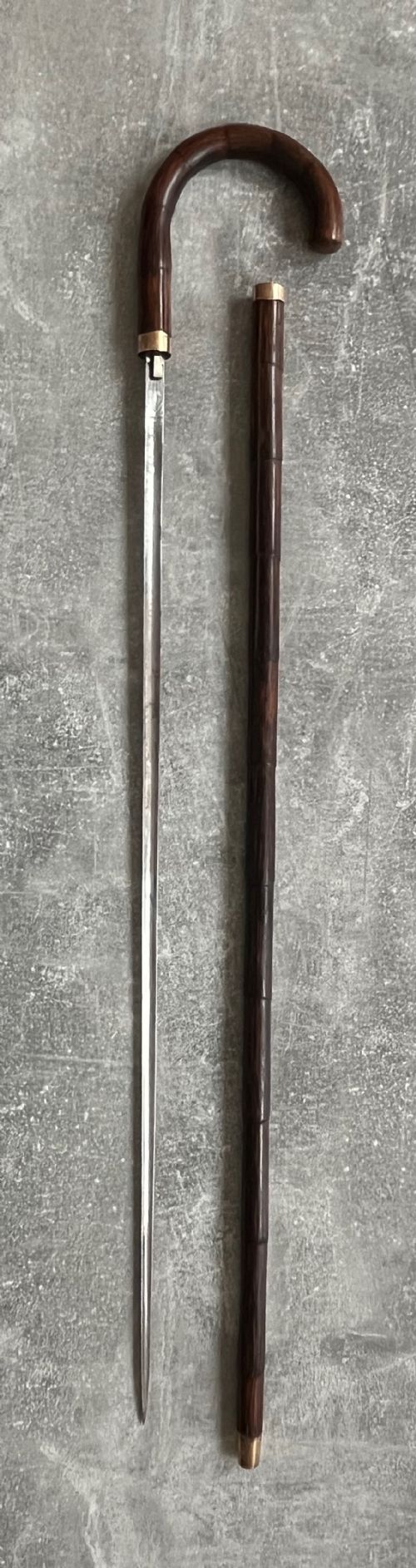
Certain walking sticks from the nineteenth century concealed functional blades or mechanisms within their shafts. These sword sticks and gadget canes served as personal protection or curiosities for gentlemen.
Materials like bamboo, faux bamboo, and wood concealed steel Toledo blades or mechanical components.
How do I care for antique brass?
Antique brass requires minimal intervention to preserve its historic patination and surface finish. Dusting with a dry cloth prevents dirt build-up without stripping the age from the metal.
Avoid harsh chemical polishes that remove the dark oxidation valued by collectors.