
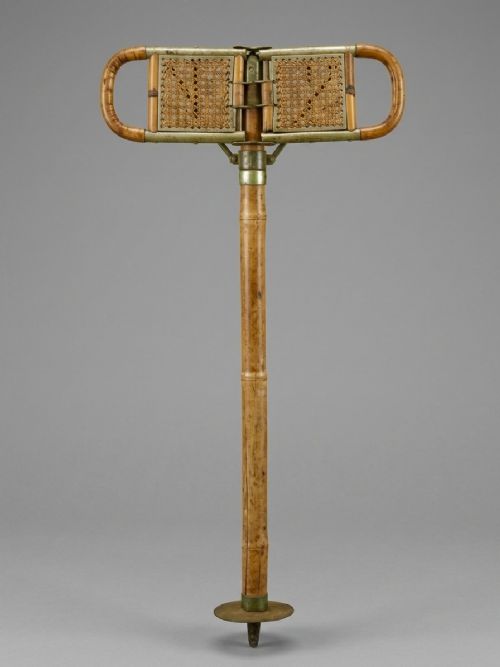
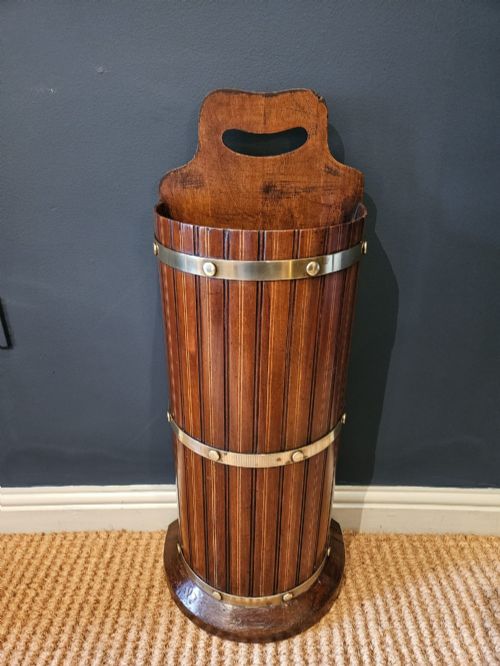
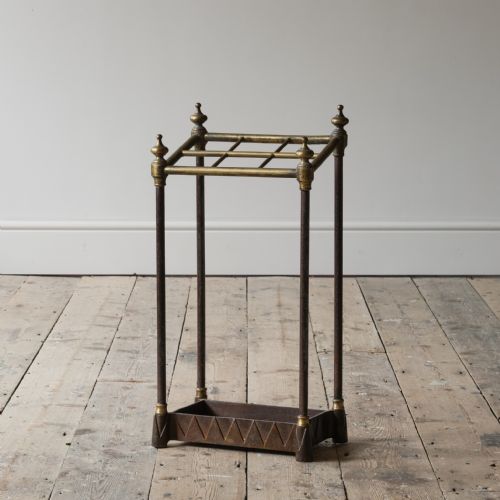
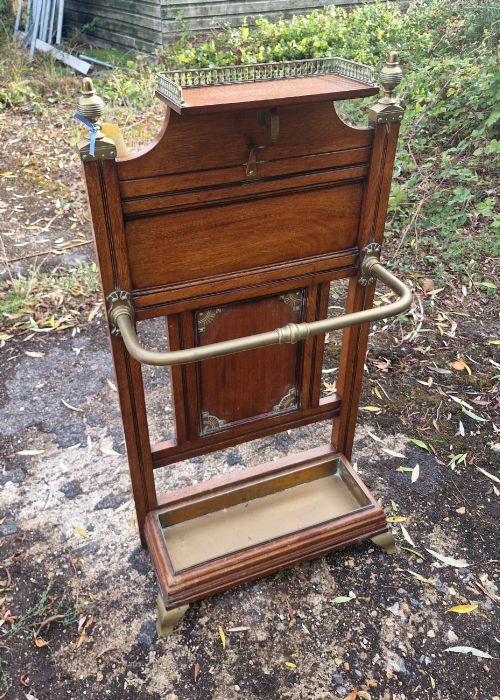
Brass Walking Cane
A brass walking cane combines utility with ingenious concealments, offering collectors a tactile piece of nineteenth-century engineering.
Brass Walking Cane
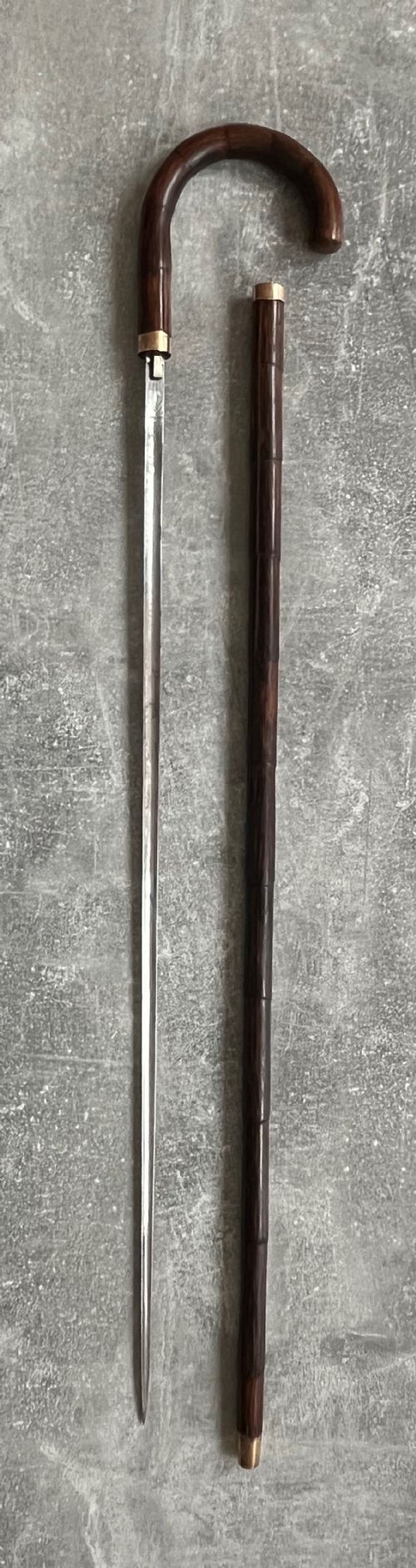
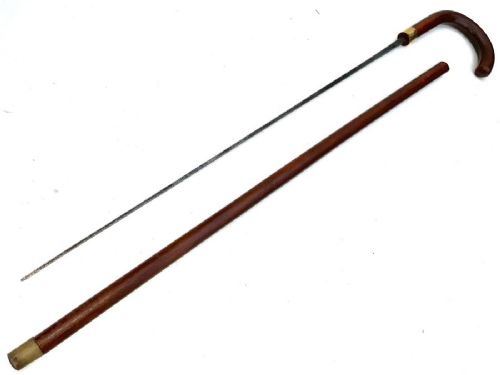
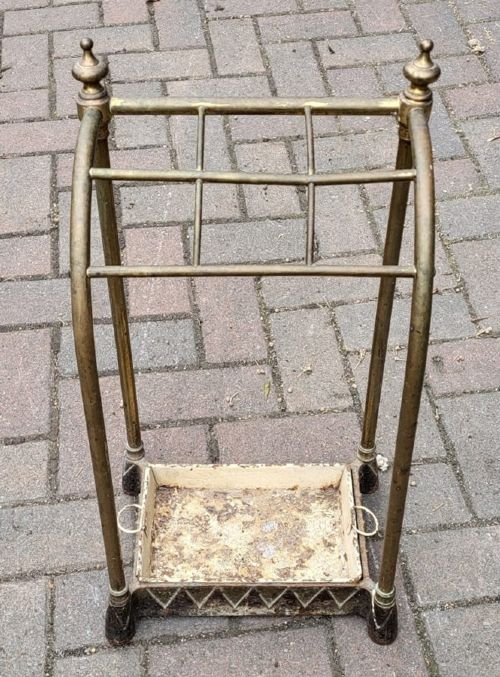
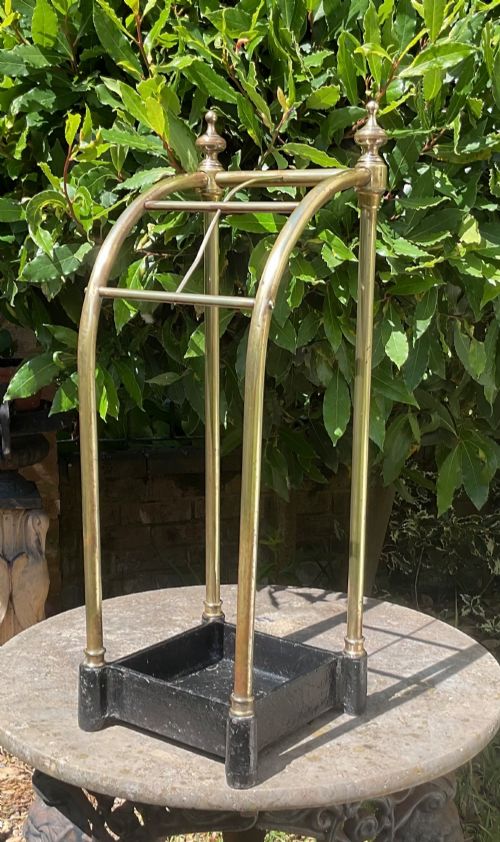
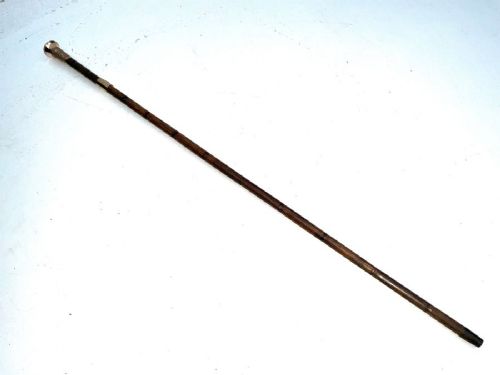
When you search for a brass walking cane, you encounter a specialised form of gentleman's accessory and the hall stands designed to hold them. These objects bridge the gap between daily apparel and functional concealment, often incorporating hidden blades, telescopes or mechanical corkscrews.
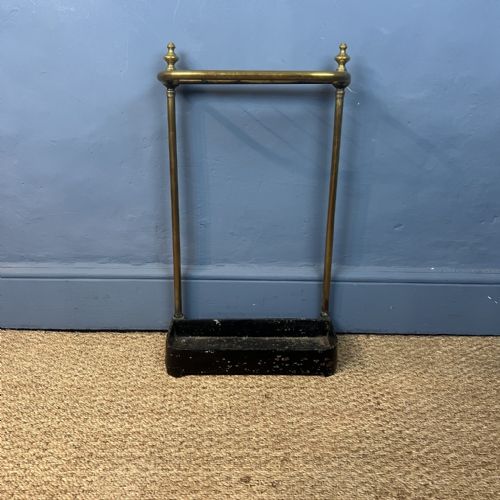
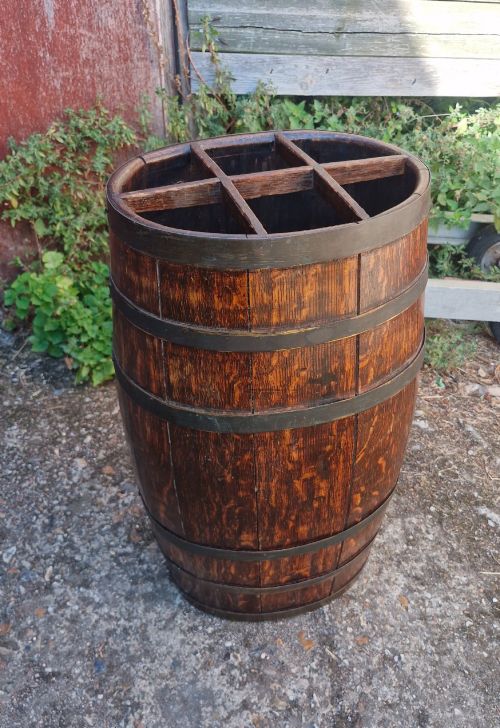
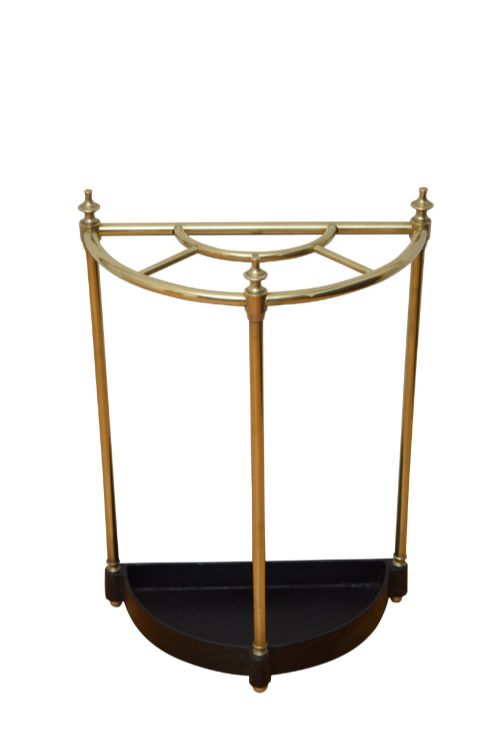
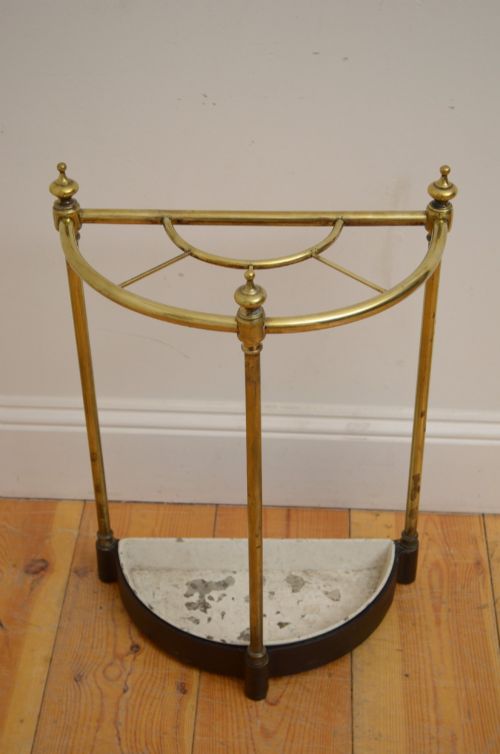
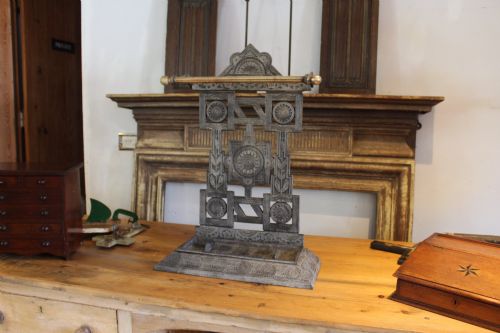
The versions most common in these listings include nineteenth-century sword sticks, gadget canes featuring mechanical elements, and companion hall stands constructed from brass, cast iron and wood. Dating primarily from the Victorian and Edwardian eras, these pieces reflect the practical needs and secretive tastes of their original owners.
Materials and construction
Canes and stands utilise a combination of metals and timbers, frequently pairing polished brass mounts or handles with shafts of wood, faux bamboo, mahogany or oak. Cast iron frequently forms the weighted bases of hallway umbrella stands to provide stability for heavy items.
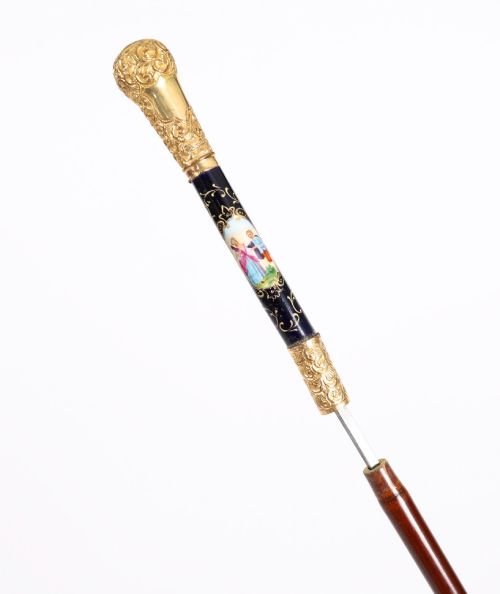
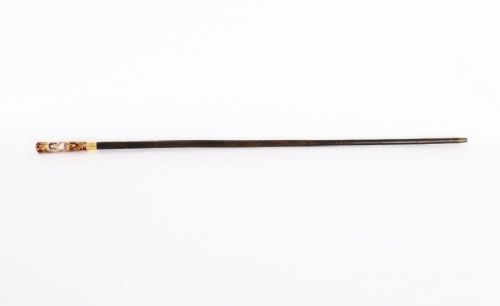
Blade integration and mechanical concealment required precision metalworking, particularly for Toledo steel blades, internal telescopes and folding mechanisms. Brass components were cast, turned and sometimes gold-plated or combined with porcelain elements such as Sevres inserts.
Distinctions in quality
The distinction between standard utility items and superior examples lies in the complexity of the mechanism and the integrity of the materials. Gadget canes with smooth, working concealed elements or signed blades command greater interest than basic turned shafts.
In hall stands, the precision of the brass casting, the heft of the cast-iron base, and the retention of original patination dictate the standing of the piece. Superior examples display crisp decorative motifs, such as Aesthetic Movement or Gothic Revival detailing, rather than mass-produced uniformity.
Thomas Jeckyll·Shoolbred
The Brass Walking Cane Glossary
- Demi-lune
- Half-moon shape designed to sit flat against a hallway wall. This profile allowed stick stands to occupy minimal floor space while accommodating multiple walking canes and umbrellas.
- Gadget cane
- A walking stick housing a concealed tool, weapon or mechanical device. Examples include sticks incorporating corkscrews, telescopes, nutcrackers or hidden blades.
- Swagger stick
- A short, light cane carried by military officers as a mark of authority. These often featured brass or metal caps and occasionally doubled as sword sticks.
- Faux bamboo
- Simulated bamboo carved or moulded into wood or metal. This decorative technique was popular during the nineteenth century for both cane shafts and furniture.
- Cast iron
- Iron poured into a mould to create rigid framework parts. In umbrella stands, it provides the heavy foundation needed to support upright sticks.
Brass Walking Cane: Frequently Asked Questions
Were these canes used as weapons?
Gentlemen carried sword sticks and gadget canes primarily for self-defence and personal protection during urban transit in the nineteenth century. They served as acceptable civilian accessories that offered covert security in unlit streets.
Military officers also carried swagger sticks as part of their walking dress uniform. The inclusion of hidden blades or mechanical tools reflected an era that valued both personal readiness and ingenious craftsmanship.
How should I care for brass hardware?
Brass elements benefit from occasional dusting with a soft cloth to prevent the accumulation of grime in decorative recesses. Preservation of the original dark patination is generally preferred over aggressive polishing that strips away historical character.
Wooden shafts and oak or mahogany stands require standard furniture wax applied sparingly. Metal blades inside canes need light oiling to prevent corrosion within the enclosed wooden scabbard.
What distinguishes Victorian from Edwardian stands?
Victorian umbrella stands often feature heavier cast iron bases and ornate decorative styles such as Gothic Revival or Aesthetic Movement motifs. The brass work tends to be substantial and richly detailed with robust half-moon or barrel profiles.
Edwardian examples transition towards lighter proportions and cleaner lines reflecting changing hallway aesthetics. They frequently utilise simpler brass looping and slender frames while maintaining practical storage for walking canes.