

Brass Vanity Box
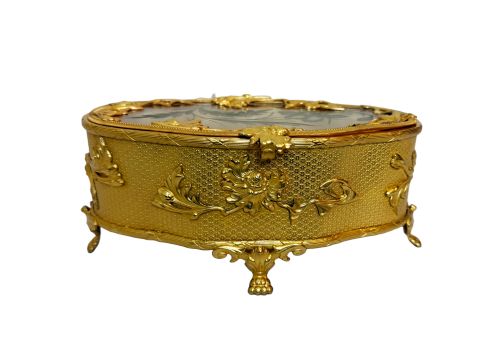
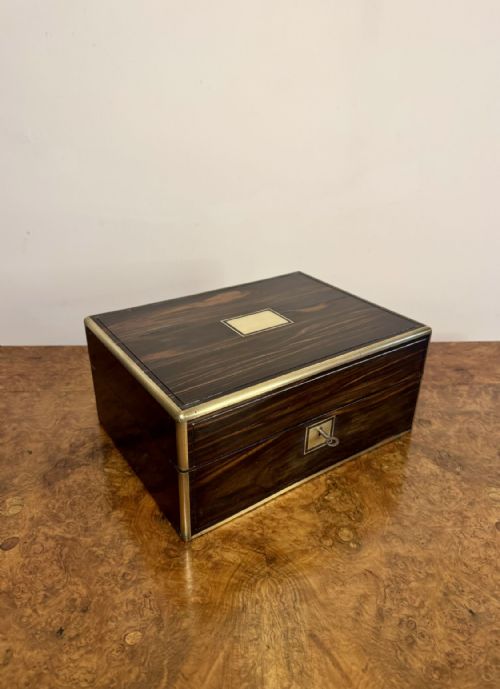
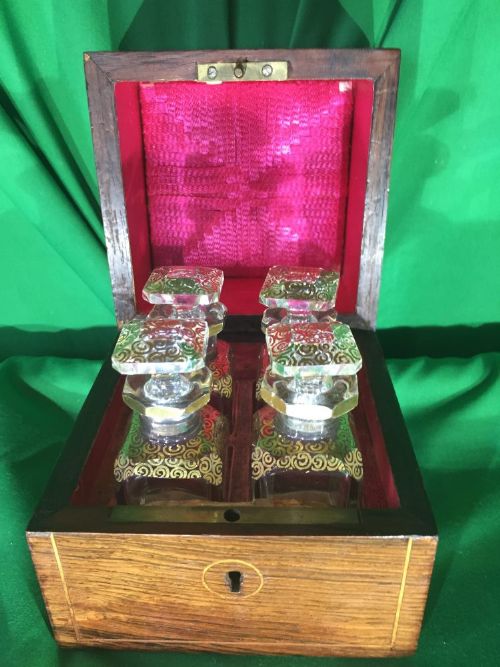
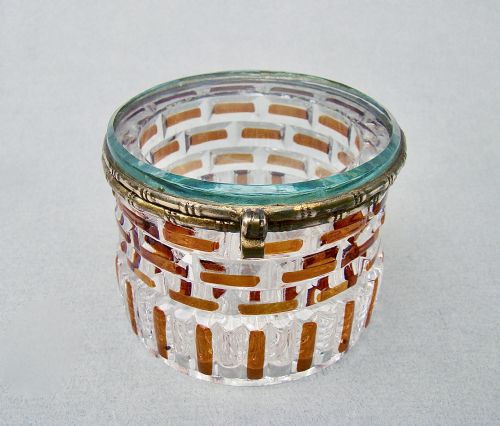
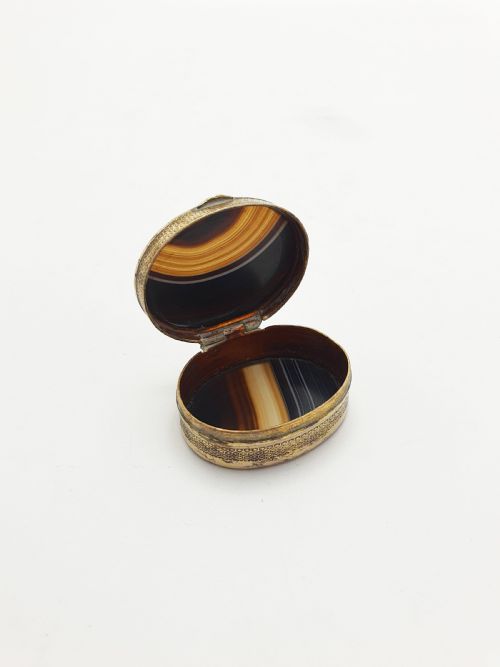
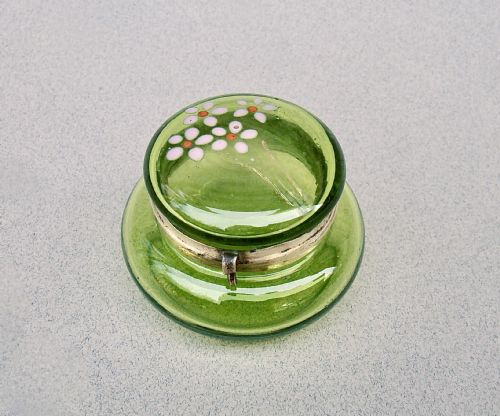
A brass vanity box holds the portable treasures of the dressing table, combining robust brass work with rich timber or glass.
Brass Vanity Box
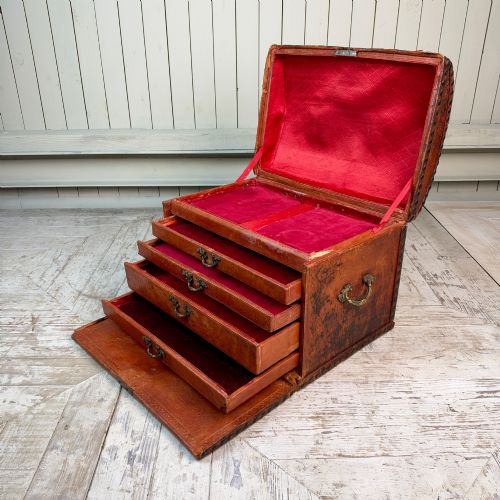
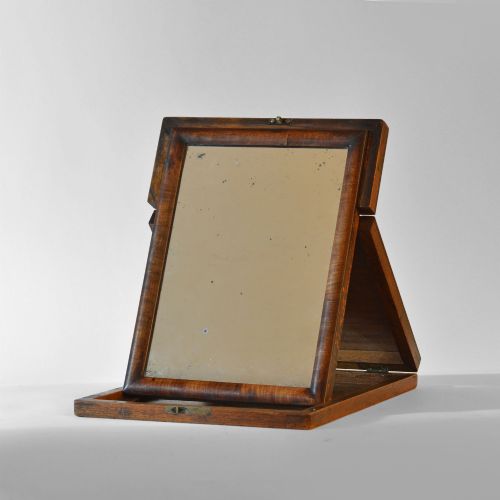
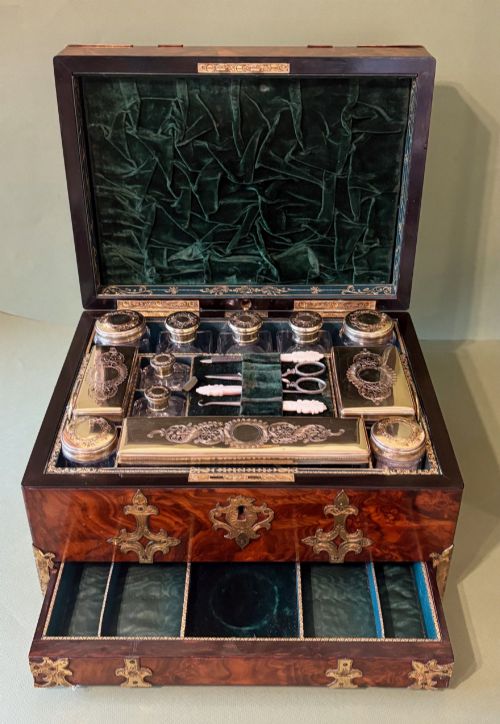
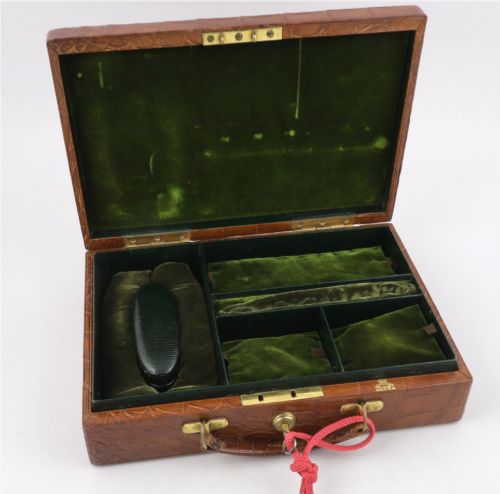
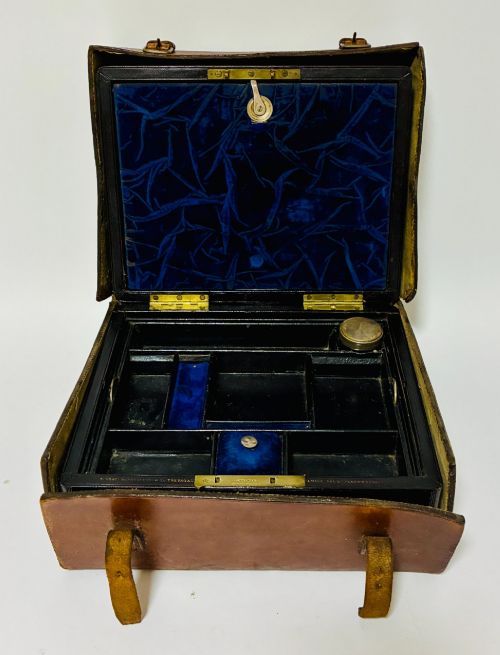
A brass vanity box serves as a portable container for personal adornments, trinkets, and grooming apparatus. When exploring this phrase, collectors encounter various forms including fitted dressing cases, jewellery chests, and scent caskets.
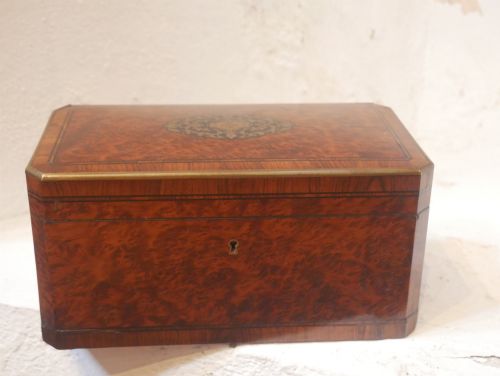
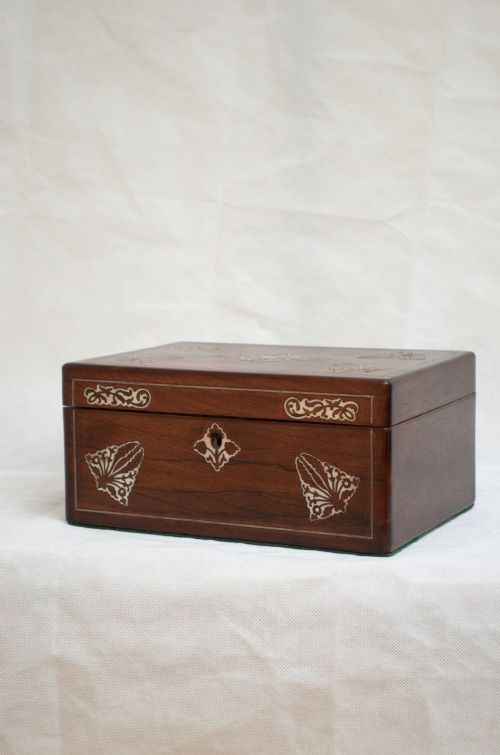
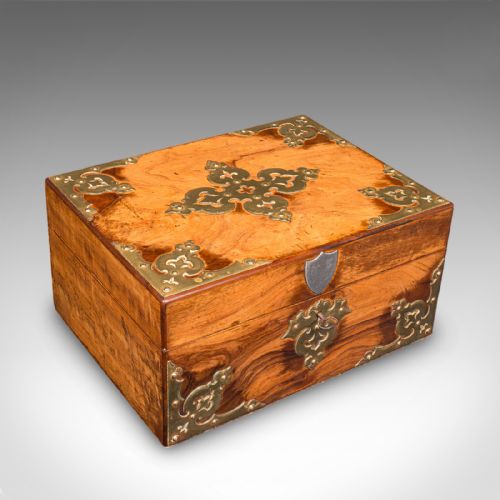
The pieces appearing most frequently originate in the nineteenth century, spanning the Regency and Victorian eras through to the early twentieth century. Common foundation timbers include rosewood, walnut, and mahogany, frequently reinforced with brass corners, straps, or inlays.
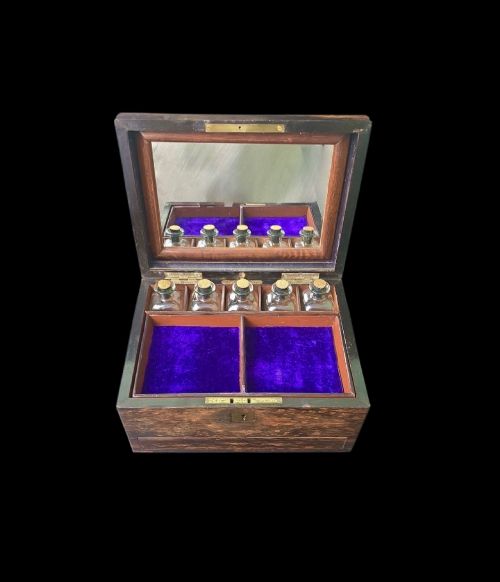
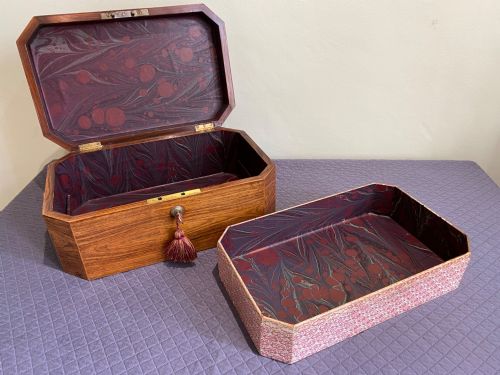
Many examples contain original velvet or silk linings, fitted trays, and compartments designed for bottles or writing utensils. These objects reflect the travel habits and domestic dressing rituals of past owners.
Materials and Construction
Cabinet makers utilised dense hardwoods such as coromandel, burr walnut, and rosewood, applying thick brass banding and flush-fitting campaign handles to withstand travel. Wood was frequently veneered over solid softwood foundations, grain matched with care across the lid and sides.
Metalwork involved cast or hand-beaten brass secured with tiny round-headed screws, alongside gilt bronze mounts and inset escutcheons. Interior compartments were papered, lined in velvet, or fitted with leather trays to protect delicate glass bottles and jewellery.
Brass Vanity Box Retail Price Guide 2026
Typical asking prices for brass vanity box among the pieces listed under this phrase on Sellingantiques today, from the lower quarter to the upper quarter. They describe what is for sale here now, not the wider market.
Several boxes still contain their original working keys, saving future owners from calling upon a locksmith to uncover hidden compartments.
Distinctions in Quality
The grade of a piece rests upon the weight and precision of its brass mounts, the thickness of the timber veneers, and the completeness of its internal fittings. Superior examples feature secret drawers, functioning locks with matching keys, and heavy brass banding inset flush into the wood.
Construction methods also reveal tier; hand-cut dovetails on internal trays and well-seasoned timbers that resist warping represent higher workshop standards. The integrity of the original lining materials and glass components contributes significantly to the standing of an individual piece.
Tahan Paris·J C Vickery·F. West·H Mitchell·Drew & Sons
The Brass Vanity Box Glossary
- Escutcheon
- A protective plate surrounding a keyhole, frequently fashioned from brass or mother-of-pearl. It prevents the timber around the lock from splitting during frequent use.
- Brass bound
- Furniture or boxes edged and reinforced with strips of brass to protect corners and edges. This technique was essential for pieces intended for travel.
- Coromandel
- A dense, heavy timber imported from Asia with dark brown stripes and rich figuring. Makers reserved it for high-status nineteenth-century boxes.
- Campaign style
- Portable furnishings and containers constructed for military officers or travellers. They feature recessed handles and reinforced corners for durability.
- Scent casket
- A specialised small box divided internally to hold glass perfume bottles with stoppers. These often include velvet or satin padded lids.
Brass Vanity Box: Frequently Asked Questions
What is a brass vanity box?
A brass vanity box is a portable chest or case reinforced with brass, designed to hold personal grooming items, cosmetics, or jewellery.
These containers date predominantly from the nineteenth century and feature fitted wooden interiors with compartments for glass bottles and small accessories.
How were these boxes used?
Wealthy individuals utilised them on dressing tables or packed them into carriages and trunks for travel.
They kept valuable items organised and secure, often incorporating secret drawers for currency or confidential documents.
How do I date a brass vanity box?
Dating relies upon timber choices, construction methods, and lock types. Regency pieces often showcase lighter satinwood or rosewood with delicate inlay, while Victorian examples lean toward heavy brass binding and burr walnut.
Maker marks stamped onto leather linings or brass hardware also provide precise chronological markers.
How do I care for the wood and brass?
Maintain timber with appropriate wax polish applied sparingly, and clean brass components with a soft dry cloth to preserve the aged patina.
Keep these boxes away from direct sunlight and fluctuating humidity to prevent veneers from lifting or wood from splitting.