

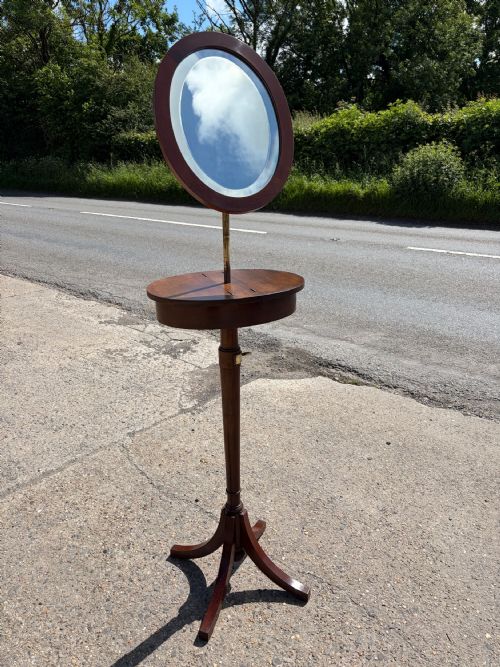
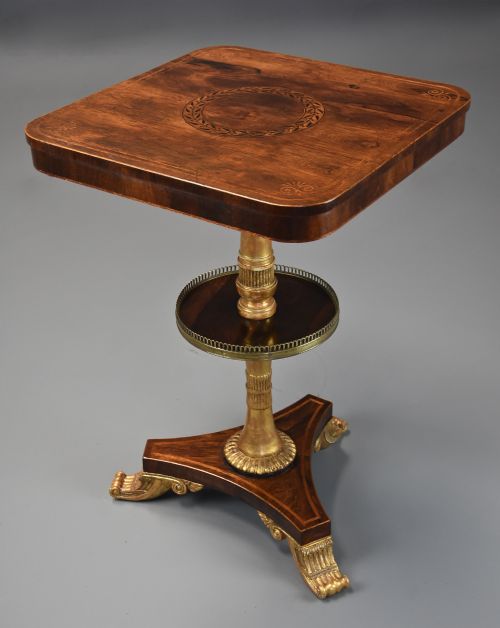
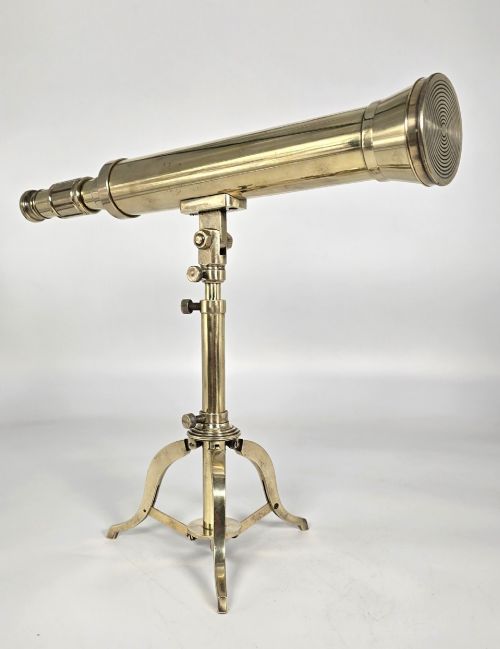
Brass Tripod Stand
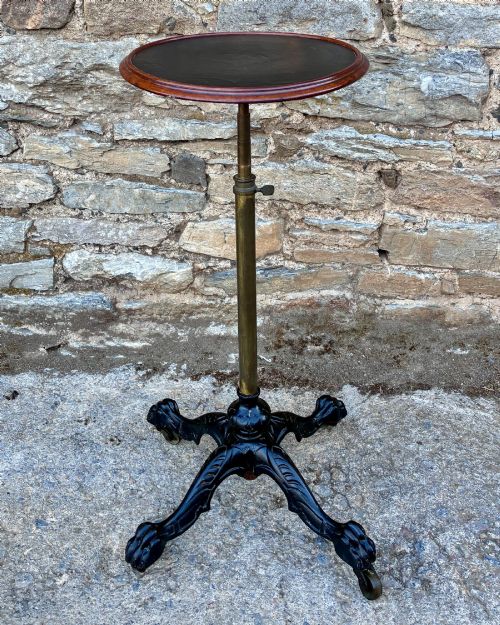
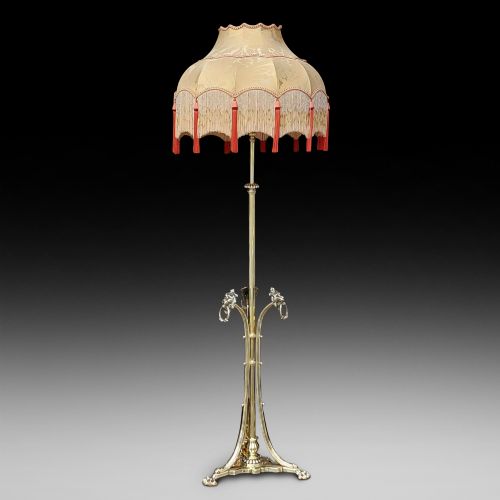
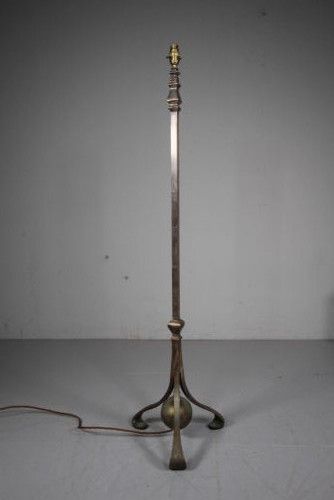
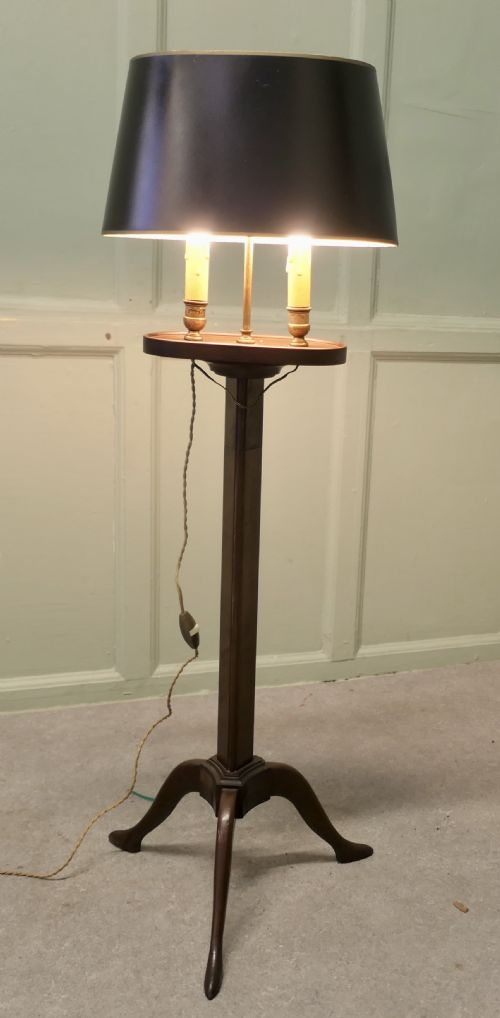
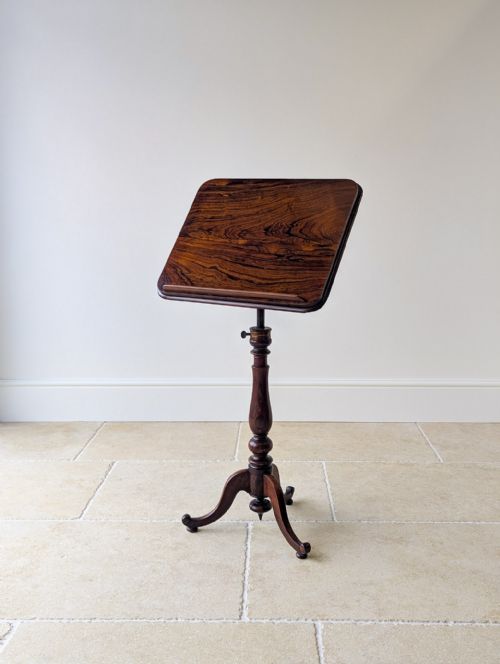
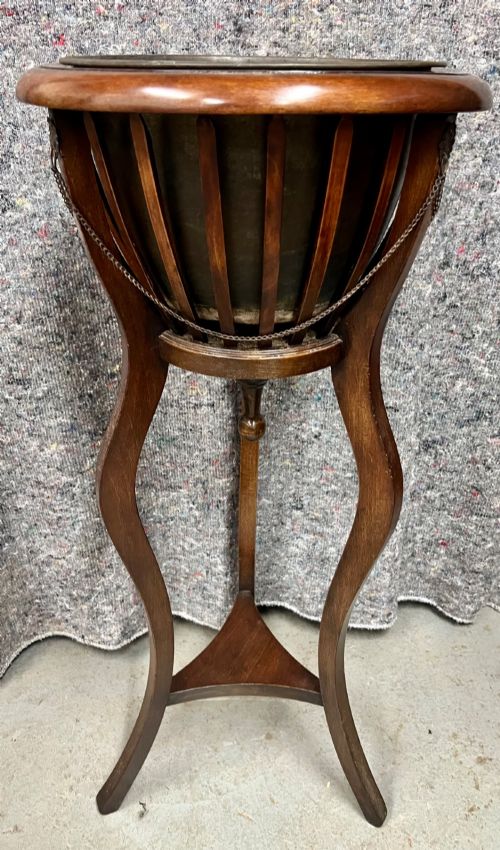
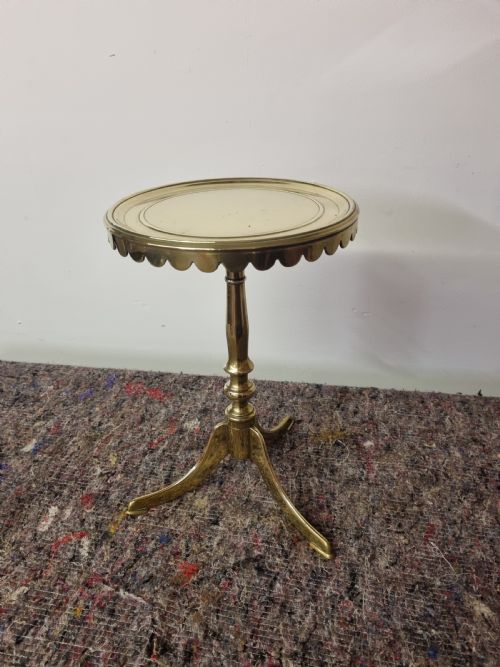
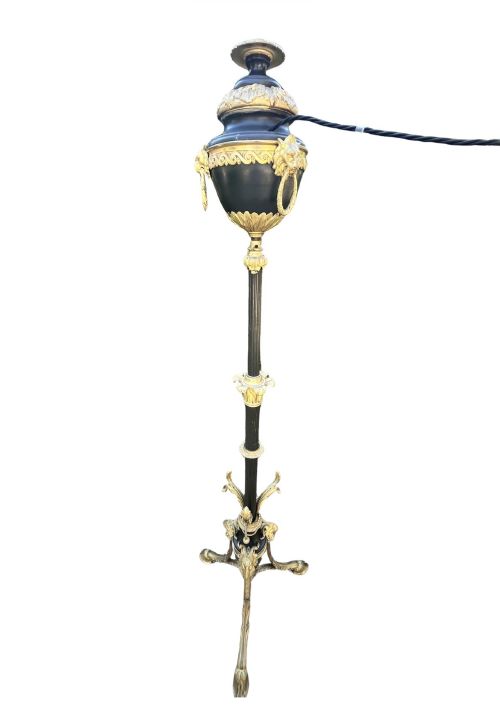
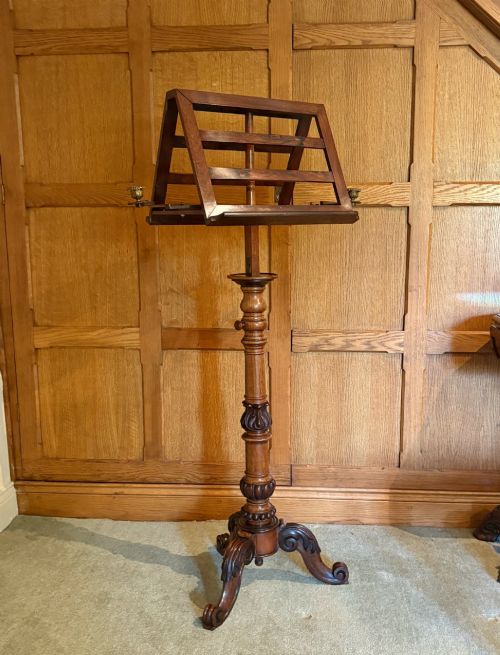
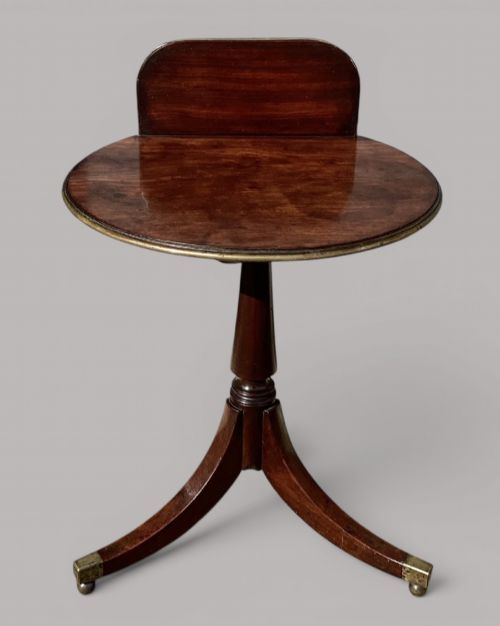
These pieces grouped as a brass tripod stand offer stable three-point support beneath lights, telescopes, tables and plant holders.
Brass Tripod Stand
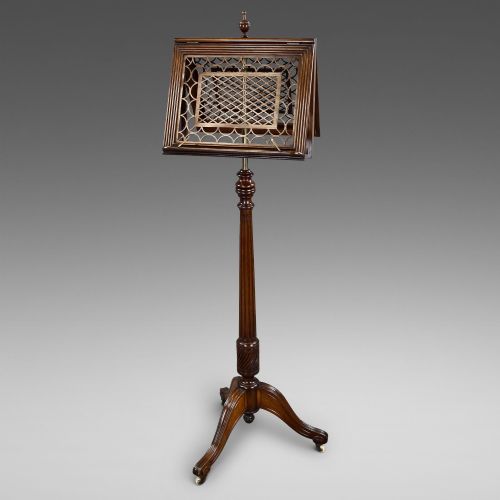
A brass tripod stand forms the stable base for a diverse array of domestic objects spanning the Georgian, Victorian and Edwardian periods. Buyers searching for a brass tripod stand encounter items ranging from floor lamps and standard oil lamps to reading stands, telescopes and occasional tables.
The majority of these pieces combine a cast or tubular metal foundation with timber tops, glass shades or adjustable mechanisms. Utility and decoration merge in designs that served practical functions in nineteenth and early twentieth century interiors.
Materials and construction
Makers utilised cast and sheet brass for legs, collars and mountings, frequently combining the metal with dense timbers such as mahogany, rosewood and walnut. Telescopic shafts and adjustable joints involved machined brass components that allowed height variation.
Foundry casting created the robust three-legged bases required to support heavier elements like oil reservoirs, globes or reading desks without tipping. Secondary materials such as copper, glass and fabric appear in complementary roles across lighting and optical instruments.
The listings show pieces spanning the 18th, 19th and early 20th centuries, utilising brass, mahogany, rosewood and glass across functional domestic forms.
Distinctions in quality
Superior examples display crisp casting detail on the brass feet and knuckles, with smoothly functioning adjustment screws that move without binding. The integrity of the joints between the metal base and the wooden or glass superstructure determines the structural longevity of the piece.
The weight of the metal and the presence of original components rather than replacement parts separate workshop standards. Proportion and balance in telescopic or pivoting designs indicate the skill of the original maker.
Lebegue and Cie·Gillows·George Bullock·Bleriot·Carey·W. and T. Gilbert·Clarkson
The Brass Tripod Stand Glossary
- Tripod base
- A three-legged support structure designed to provide stability on uneven floors. This configuration appears beneath floor lamps, telescopes and small tables.
- Standard lamp
- A tall floor-standing lamp designed to illuminate a room from a fixed position. Many examples utilise adjustable brass columns.
- Pricket candlestick
- A candleholder featuring a sharp central spike to secure the wax candle. These often appear in heavy cast brass or bronze.
- Occasional table
- A small movable table used for specific tasks such as reading or holding drinks. Tops are frequently supported by a central pillar and three legs.
- Telescopic
- An adjustable mechanism allowing an object to extend vertically. This feature is common in reading stands and floor lamps.
Brass Tripod Stand: Frequently Asked Questions
How do I adjust the height on these stands?
Many items feature a sliding column secured by a thumb screw or collar. Loosening this mechanism allows the upper shaft to rise or fall before tightening into place.
Older mechanisms require careful handling to avoid stripping the thread within the brass collar.
Were these stands originally used for lighting?
A significant portion of these supports held oil lamps, candles or early electric fittings. The three-legged design kept heavy metal fonts stable during daily use.
Converted lamps frequently retain their original weighted bases and adjustment keys.
How do I identify the period of a brass base?
Georgian and Regency examples tend to feature heavy cast brass with sharper claw or pad feet. Victorian and Edwardian versions often incorporate telescopic brass tubing and machine-threaded components.
Wear patterns around the pivot joints offer clues to the age of the movement.
Can I use these with modern electrical equipment?
Standard lamps and reading lights generally accommodate modern wiring when inspected by a qualified professional. The structural stability of the tripod makes them suitable for contemporary placement.
Original brass channels often require rewiring to meet current safety standards.