



Brass Trinket Container
A brass trinket container holds small keepsakes, tobacco or snuff, bringing small-scale period metalwork into daily use.
Brass Trinket Container
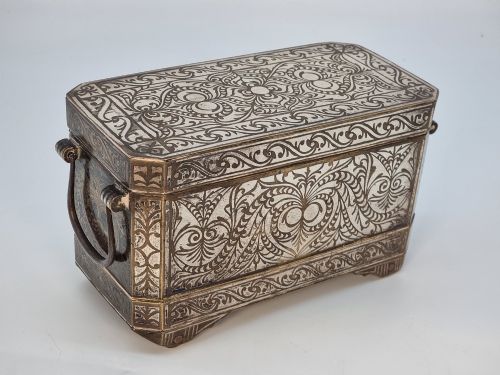
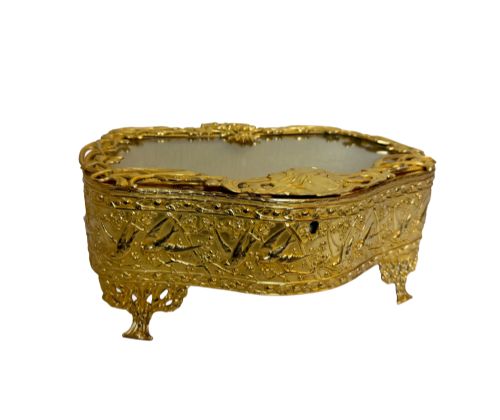
A brass trinket container encompasses small domestic boxes designed for snuff, tobacco, jewellery and personal keepsakes. When exploring this selection, buyers frequently encounter Victorian and Edwardian examples alongside earlier Georgian and Regency pieces.
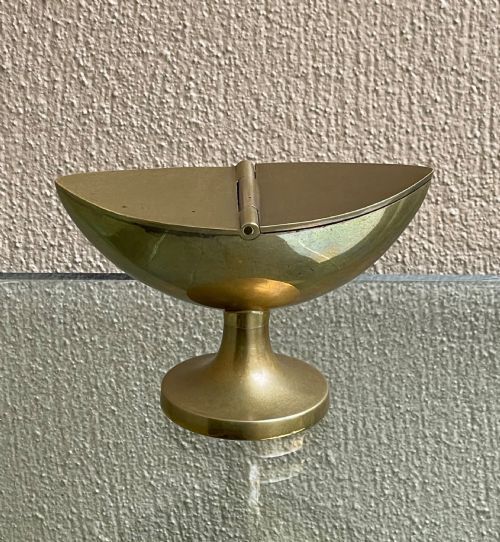
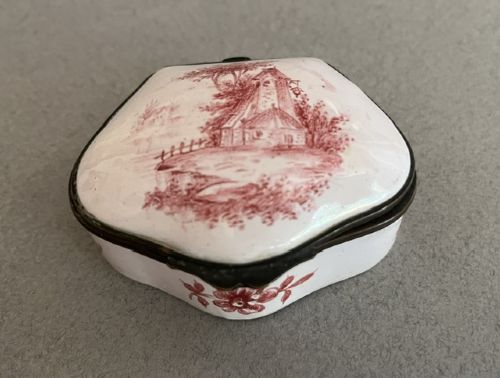
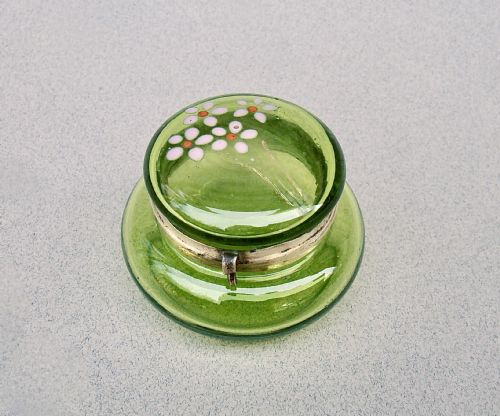
The forms range from navette-shaped table snuff boxes and pocket-sized containers to gilt bronze jewellery caskets and figural boxes featuring bear finials. Materials extend beyond pure brass to incorporate glass, enamel, silver and bronze elements.
Origins span British workshops, French provincial makers and Dutch tobacco box traditions, reflecting diverse utilitarian and decorative purposes. Collectors select these items for their pocket-sized utility and period character.
Materials and construction
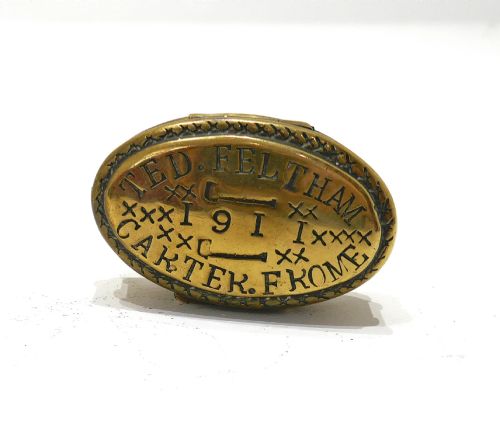
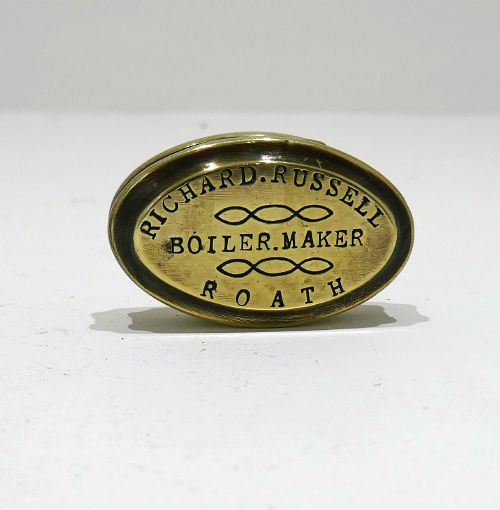
The construction relies heavily on cast and sheet brass, often combined with glass panels, enamel decoration and gilt bronze finishes. Metal components are frequently engraved with names, dates or inscriptions using hand tools.
Specialised forms incorporate applied elements such as bear finials, pineapple motifs or silver inlay set into bronze bodies. These techniques demonstrate period metalworking skills applied to everyday functional objects.
Brass Trinket Container Retail Price Guide 2026
Typical asking prices for brass trinket container among the pieces listed under this phrase on Sellingantiques today, from the lower quarter to the upper quarter. They describe what is for sale here now, not the wider market.
Assessing quality
The distinction between standard containers and finer examples lies in the crispness of the casting and the depth of hand-engraving. Crisp detail on figural finials and deliberate placement of inscriptions elevate individual pieces.
Material combinations, such as enamelled green glass mounted in metal or intricate silver inlay on bronze, indicate greater workshop investment. Surface patination and the integrity of hinges and closures further distinguish superior examples.
The Brass Trinket Container Glossary
- Navette shape
- A narrow, boat-like form with pointed ends, typical of Georgian table snuff boxes and small decorative containers.
- Finial
- A decorative ornament fixed to the top of a box lid, such as a cast metal bear.
- Caddy
- A small container originally used for storing tea, now applied to various desktop or pocket storage boxes.
- Betal box
- A traditional Southeast Asian lidded container used for holding betel quid ingredients.
- Patina
- The surface sheen and colour developed on brass and bronze through age and handling.
Brass Trinket Container: Frequently Asked Questions
What were brass snuff boxes used for?
These pocket-sized containers held dry tobacco snuff for personal consumption during the eighteenth and nineteenth centuries.
Owners carried them daily, often engaging in the social ritual of offering a pinch to acquaintances.
How do I date a brass box?
Dating relies on stylistic clues such as Art Nouveau motifs, Georgian navette shapes or engraved inscriptions recording specific years.
Material combinations like enamelled green glass or gilt bronze also point to distinct manufacturing periods.
Can I use these for modern jewellery?
Small period containers function well for storing rings, cufflinks and small contemporary trinkets on a dressing table.
Their lined or unlined metal interiors keep delicate items secure and contained.
What is a Dutch tobacco box?
These are brass pocket containers, frequently engraved with figural scenes or inscriptions, produced in the Netherlands.
They served as durable receptacles for pipe tobacco carried by travellers and merchants.