



Brass Tea Storage
Brass tea storage items combine functional storage with period craftsmanship, offering collectors tactile pieces of domestic history.
Brass Tea Storage
Brass tea storage primarily comprises tea caddies, decorative boxes, and biscuits barrels produced across the eighteenth and nineteenth centuries. These vessels were designed to secure and preserve dry tea leaves when tea was a costly commodity requiring protection from moisture and light.
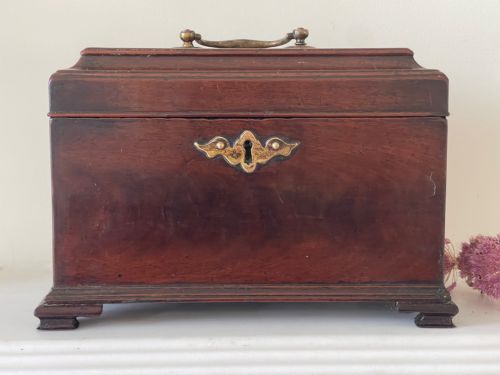
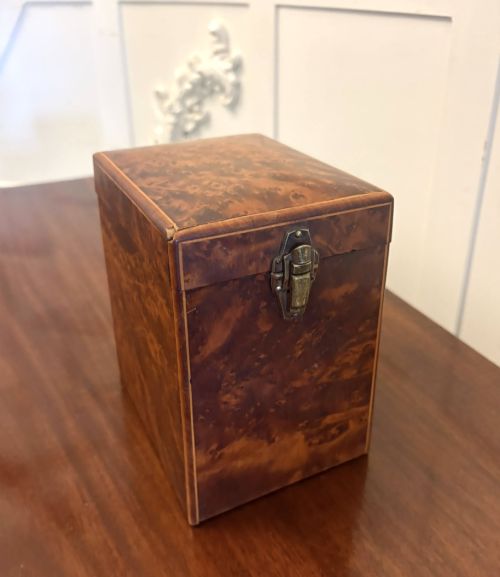
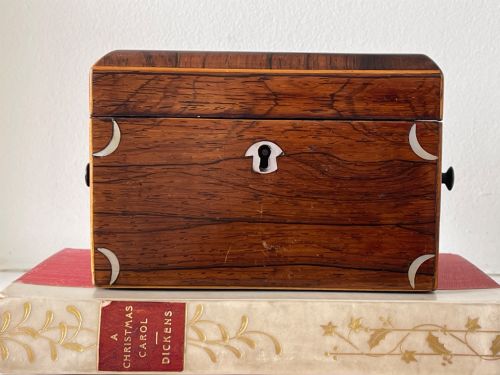
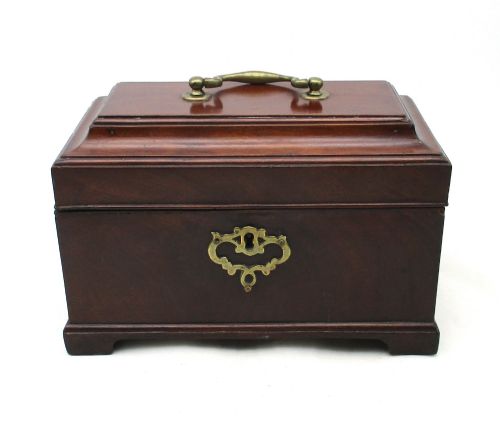
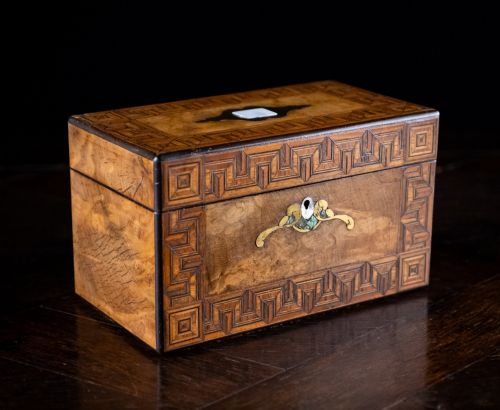
Buyers encounter specimens ranging from Georgian mahogany boxes with subtle brass mounts to heavily decorated Regency rosewood cases inlaid with brass stringing and mother of pearl. Examples span styles from Chippendale through to Victorian and Edwardian periods, reflecting changing domestic tastes.
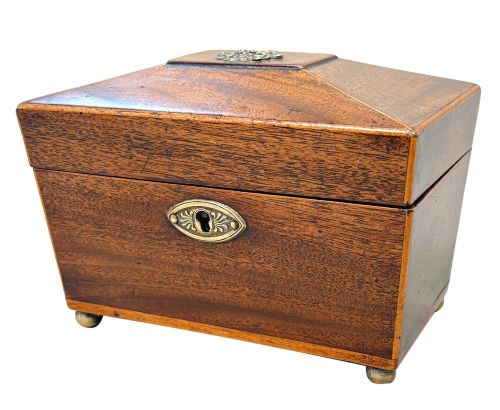
Many pieces take the form of sarcophagus shapes, rectangular chests, or novelty items such as pineapple boxes. Interiors often retain compartments, mixing bowls, or metal canisters that reveal the original domestic function of the box.
Materials and construction methods
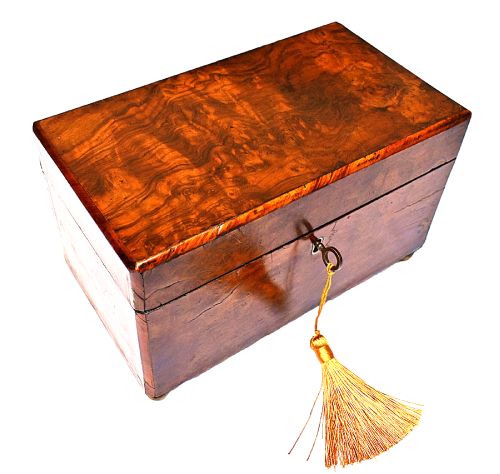
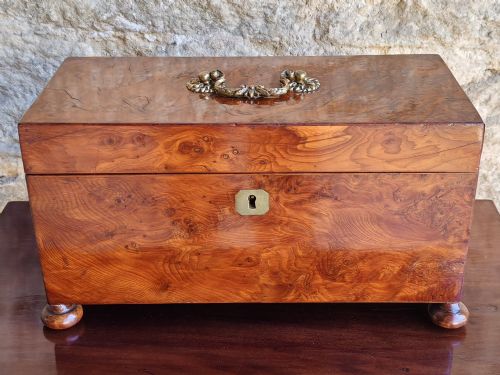
Cabinetmakers utilised dense timbers including mahogany, rosewood, burr walnut, and amboyna as the primary structural foundations for these containers. These woods were selected for their stability and rich grain patterns, often enhanced through polished finishes.
Brass components were integrated through meticulous inlay, escutcheons, corner brackets, and cast handles secured with tiny pins. Metalwork provided both structural reinforcement to vulnerable edges and striking decorative contrast against the dark timber surfaces.
Brass Tea Storage Retail Price Guide 2026
Typical asking prices for brass tea storage among the pieces listed under this phrase on Sellingantiques today, from the lower quarter to the upper quarter. They describe what is for sale here now, not the wider market.
Listings feature brass tea storage spanning from the Georgian period through the Victorian era, utilising mahogany, rosewood, and parquetry.
Judging quality and craftsmanship
Quality rests upon the precision of the cabinetwork and the integration of the brass elements into the wooden body. Superior examples demonstrate tight joinery, flush brass inlay, and retained original internal fittings such as fitted canisters or mixing bowls.
The selection of timber veneers and the crispness of cast brass handles or lion mask mounts separate standard utilitarian containers from exceptional high-status commissions. Gradations in quality also appear in the complexity of internal secret drawers and the survival of functioning locks with matching keys.
The Brass Tea Storage Glossary
- Tea caddy
- A small box or chest designed to store loose tea leaves securely. The word derives from catty, a traditional unit of weight used in the tea trade.
- Escutcheon
- A protective metal plate surrounding a keyhole, frequently cast from brass on these storage boxes. It prevents the surrounding wood from wearing down through repeated use of the key.
- Stringing
- Thin lines of contrasting wood or brass inlaid into the surface of a box to create geometric borders. This technique requires steady hand-cutting and precise fitting into chased channels.
- Sarcophagus
- A coffin-shaped box design featuring a domed or pitched lid, popular during the Regency and Georgian periods. This architectural form lent a monumental appearance to domestic tabletop containers.
- Parquetry
- A geometric mosaic of wood pieces used to create decorative patterns on the exterior of a box. Artisans arranged contrasting timbers to achieve a three-dimensional visual effect.
Brass Tea Storage: Frequently Asked Questions
What was the original purpose of brass tea storage?
These vessels protected valuable tea leaves from humidity, light, and theft when tea was an expensive commodity. Locked containers ensured the household servant or mistress retained control over the daily dispensation of leaves.
Interior compartments allowed different varieties of tea to be stored separately within the same box, often accompanied by a central glass or metal mixing bowl.
How do I identify a Regency period piece?
Regency specimens frequently feature dark timbers such as rosewood decorated with precise brass inlay or brass stringing. Sarcophagus shapes with ring handles or lion mask mounts are also characteristic of this era.
Construction tends to be robust, with attention paid to symmetry and classical proportions that reflect the architectural influences of the early nineteenth century.
What woods were commonly used?
Mahogany dominated eighteenth-century production, followed by rosewood and burr walnut during the nineteenth century. Cabinetmakers also employed exotic accents like amboyna, yew, and boxwood for contrasting details and inlay.
Timber choice often indicates the period, with plain solid mahogany favouring the Georgian era and figured veneers appearing on later Victorian examples.