

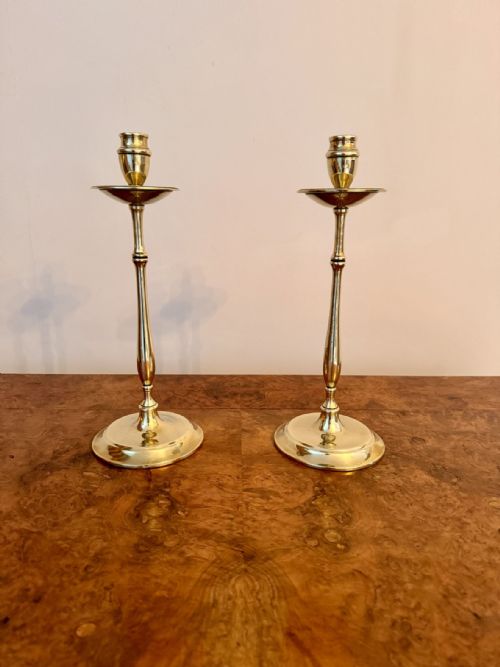
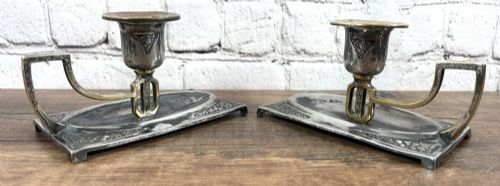
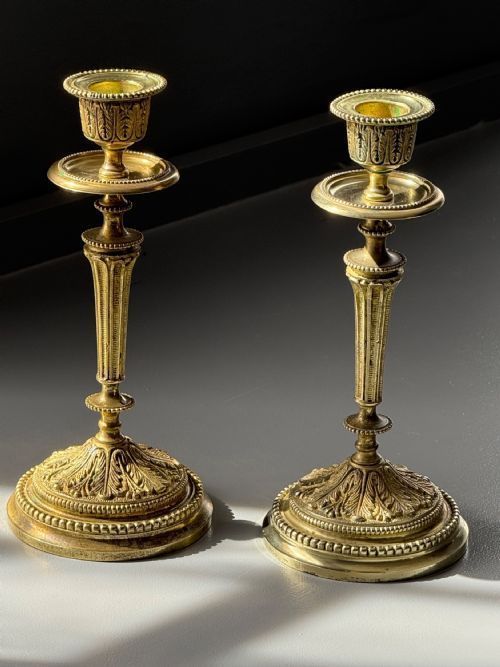

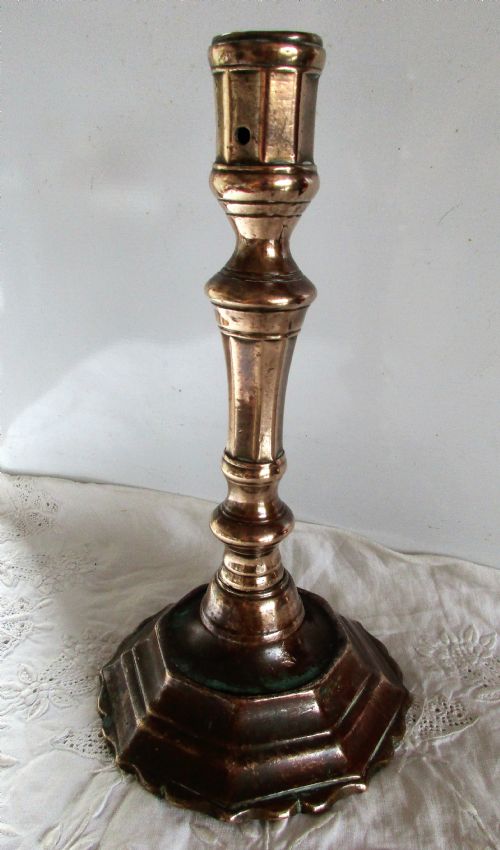
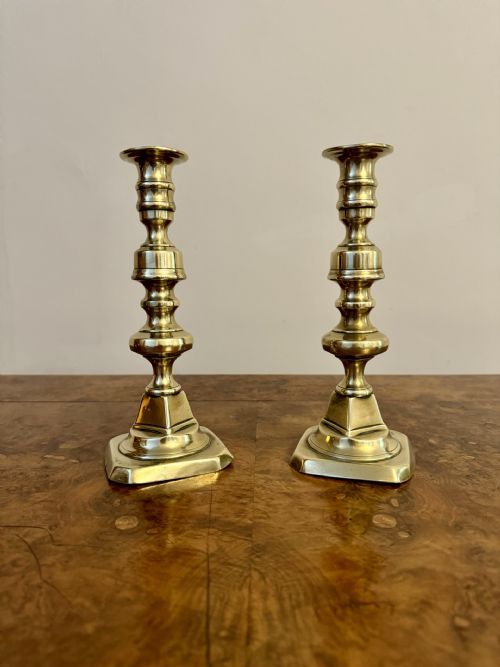
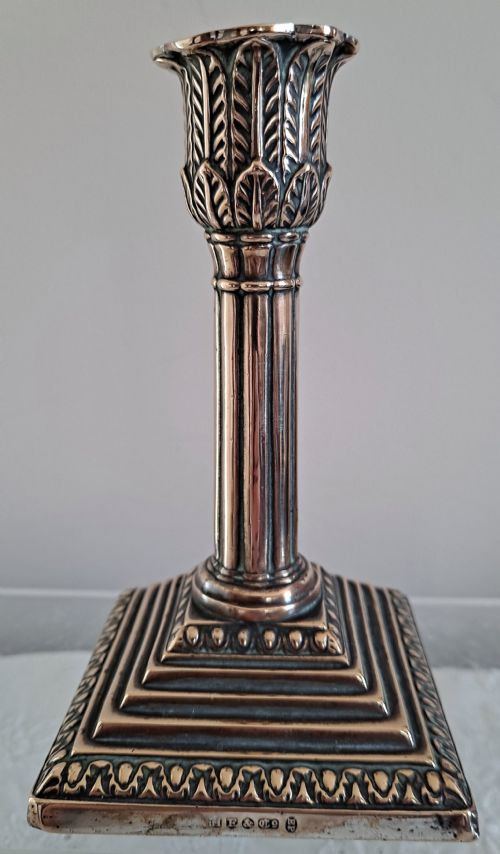
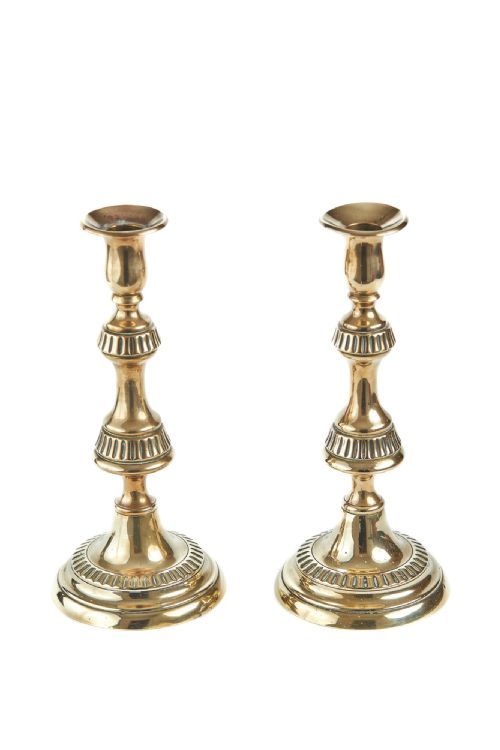

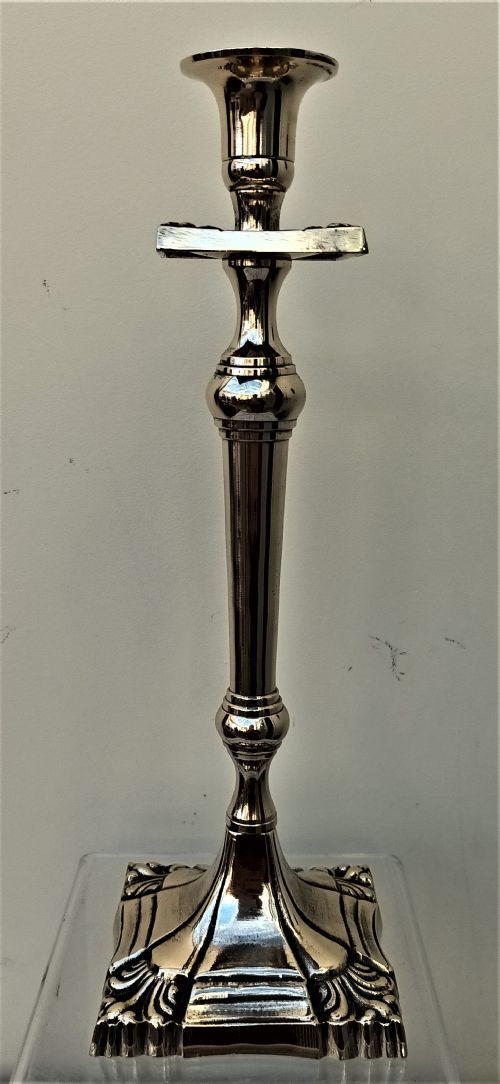
Brass Tapered Candle Stands
Brass tapered candle stands bring functional warmth to a room, offering distinct historical weight through cast metal forms.
Brass Tapered Candle Stands
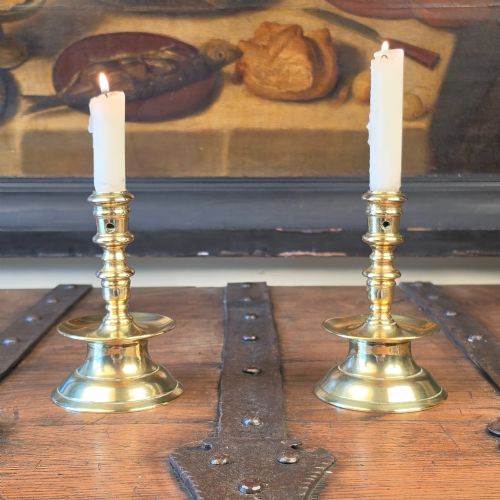
When you search for brass tapered candle stands, you encounter lighting devices primarily styled as candlesticks and candle holders. These objects span periods from the eighteenth century through the twentieth century, taking forms shaped by Victorian, Georgian, Edwardian, and Arts and Crafts movements.
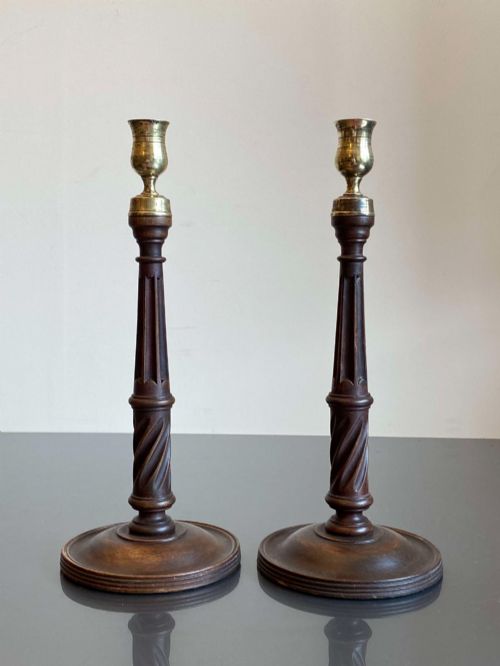
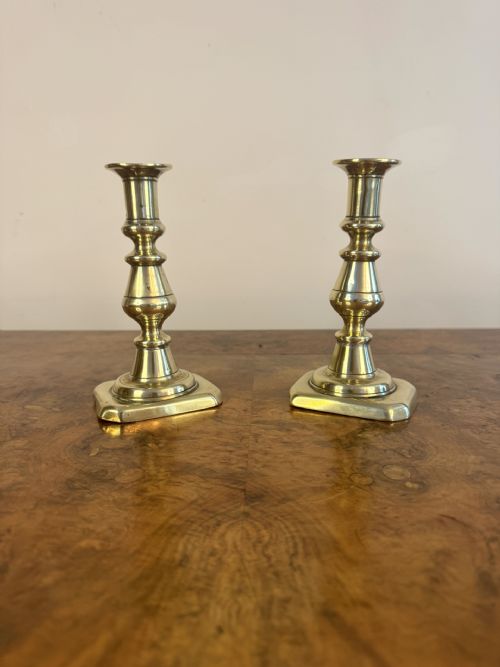
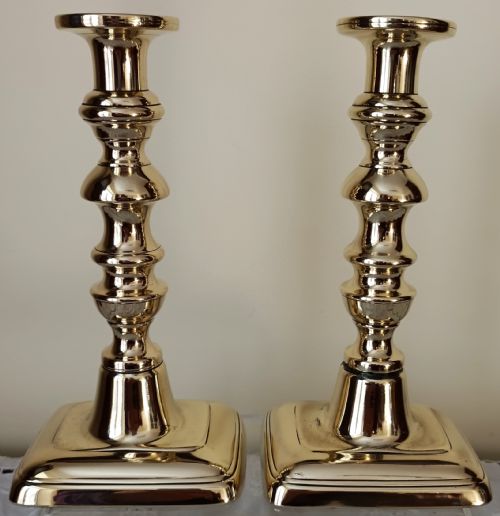
The version you are most likely to meet on this page is a pair of nineteenth century or Victorian brass candlesticks. These items often display turned shafts or column designs, alongside variants incorporating bronze, cast brass, and occasionally mahogany or oak.
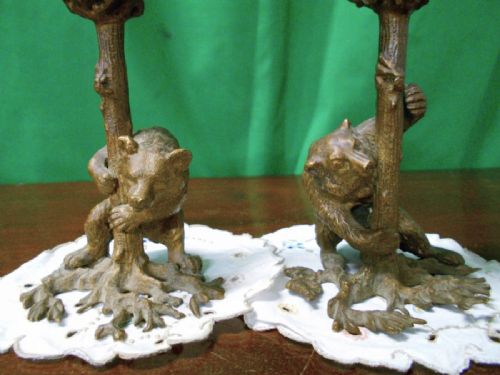
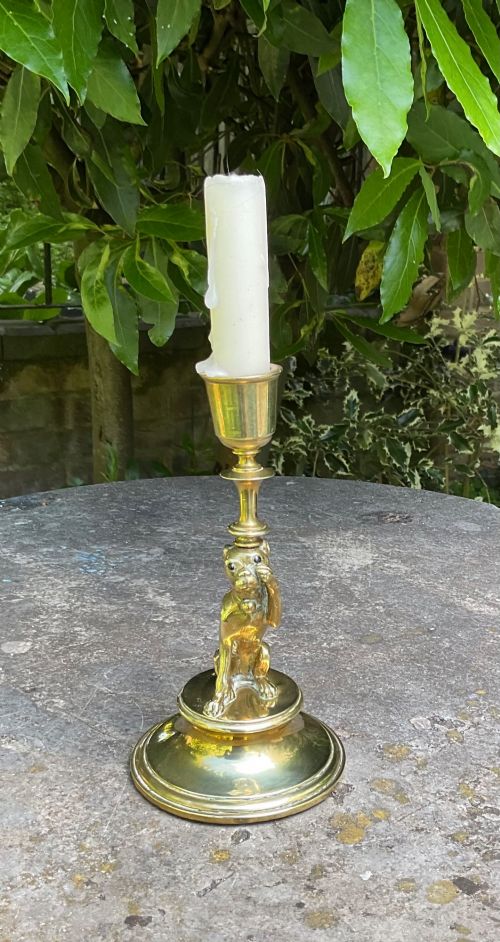
Beyond standard domestic pairs, the selection includes church candlesticks, desk candlesticks, and pieces decorated in Art Nouveau or Art Deco styles. Examples range from simple utilitarian designs to ornate models featuring figural elements like bears and pug dogs.
How they were made
Makers produced these items using brass and bronze, often employing casting techniques to create solid forms or seamed construction for hollow shafts. Seamed brass and bronze components were joined together during manufacturing, reflecting period workshop practices.
Secondary materials such as silver plate, gilt bronze, ormolu, and porcelain appear on specific pieces to add decorative contrast. Wooden elements like mahogany and oak also feature in the construction of certain candlestick bases and bodies.
Surface finishing involved hand engraving, polishing, and casting in styles mirroring prevailing design movements like Gothic Revival and Empire. Workshops also utilised applied ornamentation to enhance the visual texture of the metal.
Brass Tapered Candle Stands Retail Price Guide 2026
Typical asking prices for brass tapered candle stands among the pieces listed under this phrase on Sellingantiques today, from the lower quarter to the upper quarter. They describe what is for sale here now, not the wider market.
Listings feature items from the eighteenth century, nineteenth century, and early twentieth century, spanning Georgian, Victorian, and Edwardian periods.
What varies in quality
The standard of a piece depends heavily on the crispness of the casting and the precision of the turning on the shaft. Better examples display sharp relief in decorative motifs and smooth, well-proportioned taper profiles without distortion.
Material choice and finishing methods also divide standard production from superior work. Gilt bronze, ormolu, and fine hand-engraved details indicate higher workshop ambition than plain, mass-produced brass castings.
Proportion and balance define the integrity of a pair. The most successful pieces maintain visual harmony between the base, stem, and drip pan, demonstrating deliberate design rather than hasty assembly.
J.T. & Co·Frederick J Smith & Co
The Brass Tapered Candle Stands Glossary
- Ejector candlestick
- A type fitted with an internal mechanism to push out the remaining candle stump. This device typically uses a small sliding button on the stem.
- Seamed brass
- Metal formed by rolling sheet brass into a tube and joining the edges down the length. This technique is common in eighteenth-century and nineteenth-century production.
- Petal base
- A candlestick foot shaped to resemble overlapping flower petals. This design is frequently found on eighteenth-century examples.
- Ormolu
- Finely ground high-carat gold applied to a bronze base using a mercury amalgamation process. The method creates a rich, durable golden surface.
- Column candlestick
- A lighting stand modelled after classical architectural orders with a distinct base, shaft, and capital. These pieces mimic stone columns in cast metal.
Brass Tapered Candle Stands: Frequently Asked Questions
How do I clean antique brass?
Clean antique brass gently with a soft cloth to remove dust and preserve the natural patina accumulated over centuries. Avoid harsh chemical cleaners or abrasive scouring pads that can strip the historic surface finish.
For stubborn grime, use mild soap and warm water, then dry the metal thoroughly. Preserving the original tone is standard practice among collectors.
How do I date an old candlestick?
Examine the construction methods, such as whether the shaft is cast in one piece or joined by seams. Tool marks, base shapes, and stylistic cues like Georgian turnings or Art Nouveau lines offer clear chronological clues.
Comparing the weight, metal composition, and wear patterns against known period examples helps confirm the date. Maker marks, where present, provide definitive historical context.
Were these used for lighting rooms?
These stands provided essential portable illumination in homes before the widespread adoption of gas and electric lighting. People carried them from room to room or placed them on tables, desks, and altars.
Shorter desk candlesticks suited close work, while tall church candlesticks illuminated larger spaces or ceremonies. Their design balanced practical utility with domestic decoration.
What is an ejector mechanism?
An ejector mechanism is a clever internal slide designed to raise and remove spent candle stubs easily. A small thumbpiece on the stem moves a disk up the socket to clear the remaining wax.
This feature became common in eighteenth-century and nineteenth-century brass production. It prevents wax from sticking inside the nozzle.