
Brass Table Light Shade
These brass table light shade pieces combine metalwork with decorative glass or fabric to illuminate interiors with period character.
Brass Table Light Shade
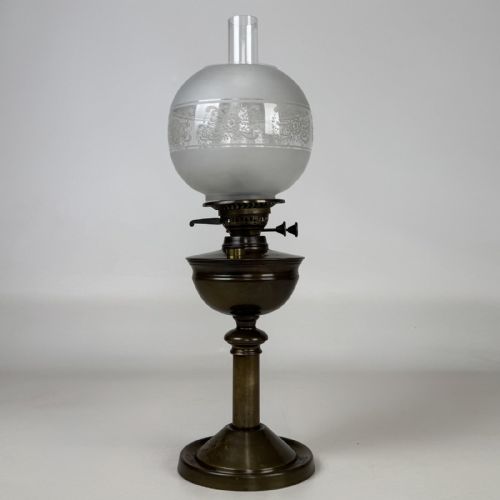
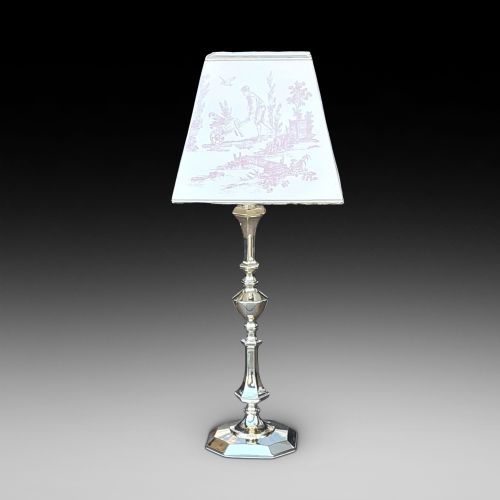
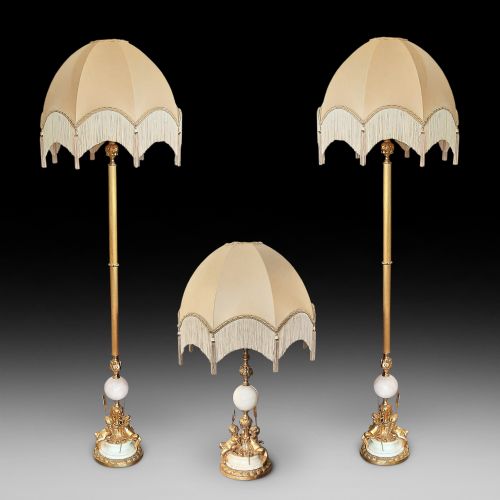
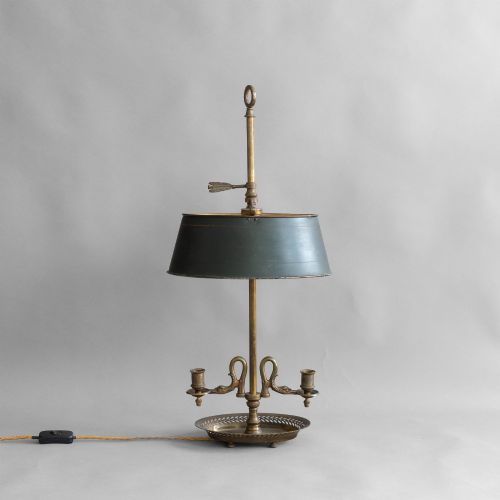
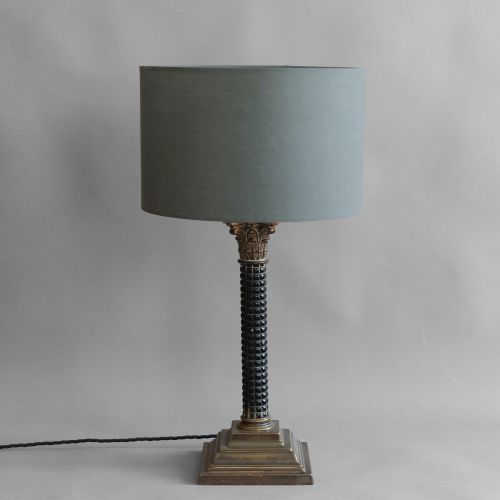
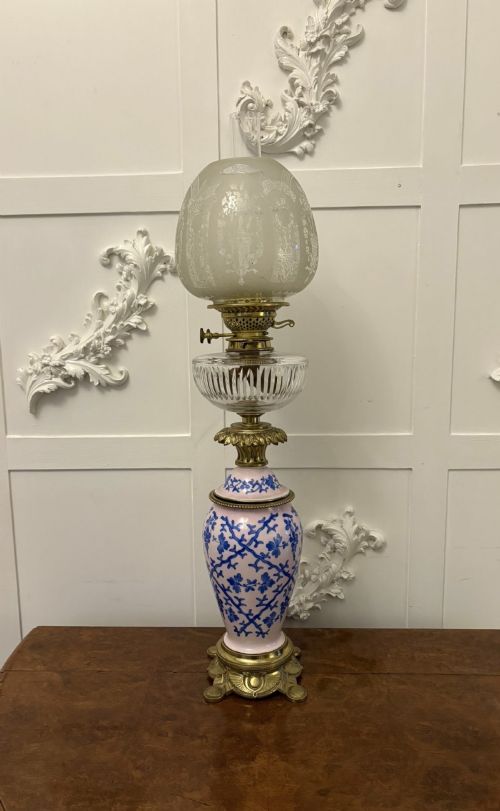
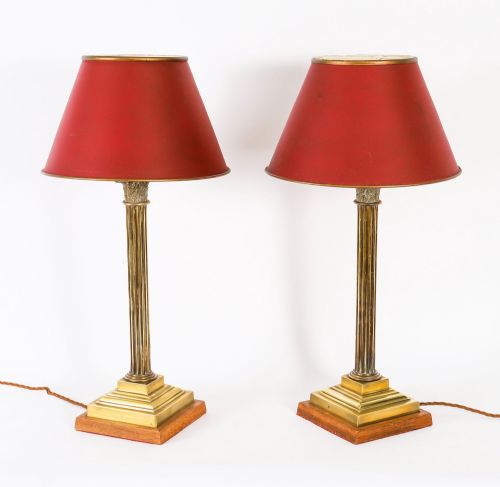
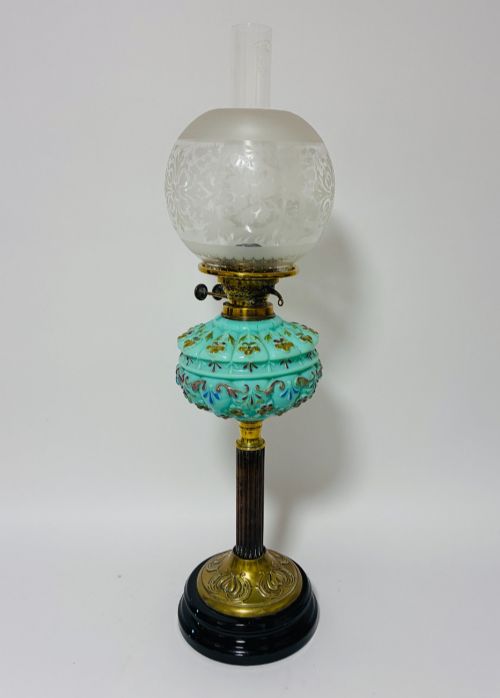
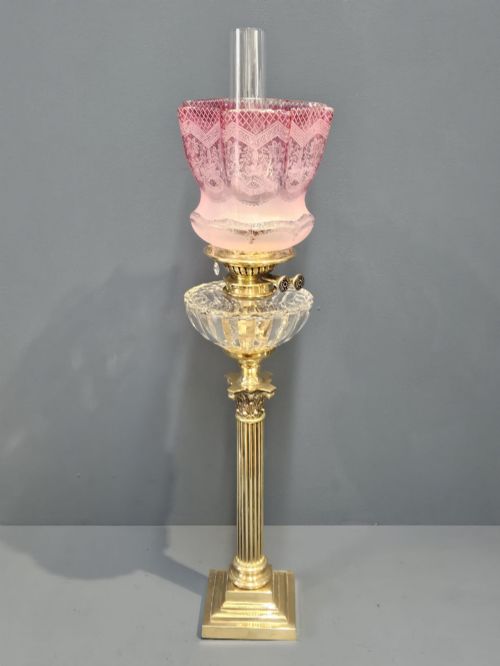
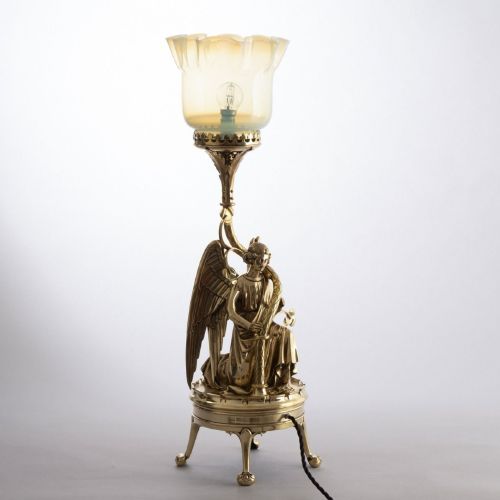
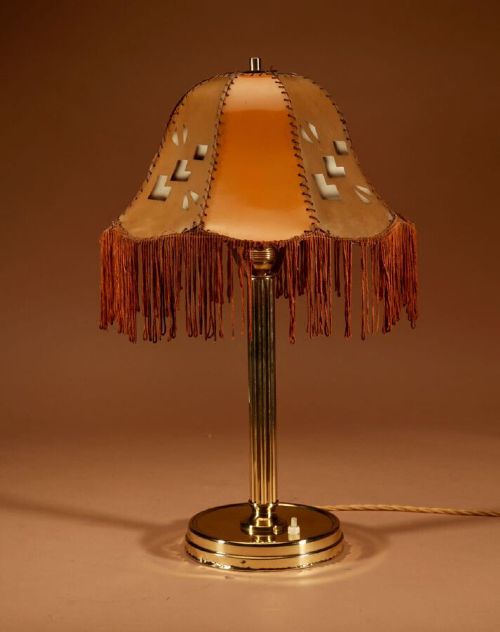
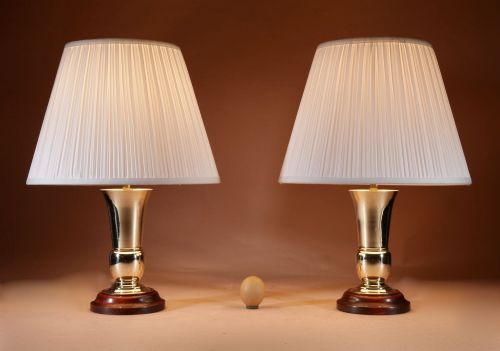
A brass table light shade search reveals items originating across the nineteenth and twentieth centuries, spanning Victorian, Edwardian, Art Deco, and Mid-Century Modern periods. Buyers encounter forms ranging from converted oil lamps and Corinthian column desk lights to bouillotte lamps and candelabra.
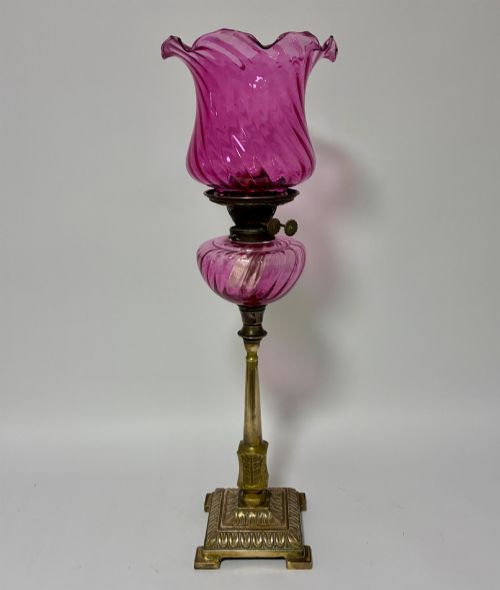
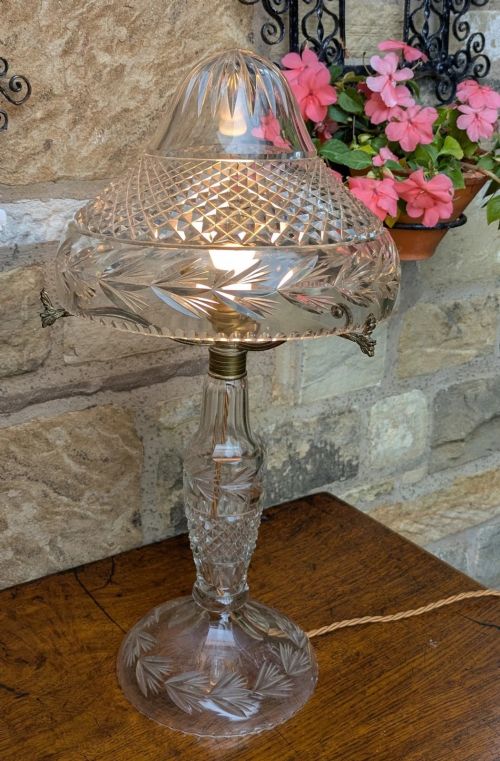
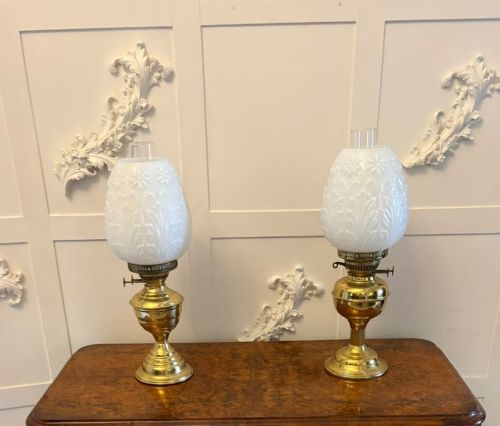
The materials paired with the metal structure vary widely, incorporating opaline glass, cranberry glass, cut crystal, ceramic, and toleware. Many pieces began life as oil-burning lamps or candlesticks before conversion to electricity, retaining their original proportions and heavy brass casting.
Victorian and Edwardian iterations frequently display classical revival motifs such as fluted columns and Corinthian capitals, whilst later twentieth-century examples embrace geometric Art Deco lines or sculptural forms.
Materials and construction methods
Makers utilised cast, spun, and sheet brass for the structural bases and mounts, often combining the metal with hand-blown or pressed glass shades. Ceramic fonts, marble bases, and gilded bronze elements also appear within the construction of these decorative lights.
Shades were produced in specialised glasshouses using techniques including cased cranberry glass, opaline finishes, and hand-painted decoration. Wiring and fittings on older pieces reflect subsequent electrical conversions applied to original oil lamps and desk lights.
Some nineteenth-century brass lamps cleverly double as candle holders, ensuring the room stays illuminated even when the oil runs out.
Distinguishing quality in period lighting
The calibre of a piece rests upon the crispness of the brass casting, the weight of the metal base, and the integrity of the paired glass shade. Heavily detailed Corinthian capitals and substantial weighted columns demonstrate superior workshop standards compared to lighter commercial output.
The relationship between the shade and the base dictates visual balance, with hand-blown glass elements or original hand-painted motifs commanding greater interest than standard replacement components.
Angelo Brotto for Esperia·Gustave Serrurier Bovy·Hinks
The Brass Table Light Shade Glossary
- Corinthian column
- A classical architectural column form featuring ornate acanthus leaves at the capital, frequently utilised for nineteenth-century lamp standards. This design element adds considerable height and architectural weight to desk and table lamps.
- Cranberry glass
- A rich red glass produced by adding gold chloride to the molten batch during manufacturing. It is characteristic of Victorian oil lamp shades and decorative chimneys.
- Opaline glass
- An opaque, milky-white glass popular in the nineteenth century for diffusing light softly. It appears commonly on Victorian and Edwardian table lamp shades.
- Bouillotte lamp
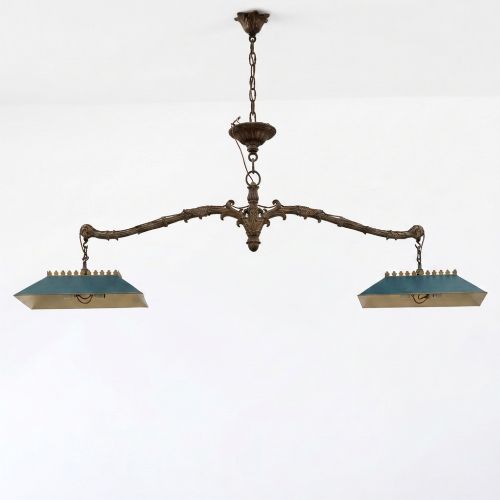
- A traditional French desk lamp comprising a central stem, an adjustable shade, and a tray base for holding small items. The shade is typically constructed from painted metal or toleware.
- Duplex burner
- A double-wick burner mechanism developed in the nineteenth century to produce a brighter flame in oil lamps. Lamps bearing this system often require taller chimneys and specific shade galleries.
Brass Table Light Shade: Frequently Asked Questions
How do I date an antique brass lamp?
Dating relies upon examining the manufacturing techniques, the style of the brass casting, and the accompanying shade materials. Victorian and Edwardian examples often feature heavy metalwork and classical column motifs, whereas Art Deco pieces show geometric lines.
Secondary clues include the type of burner mechanism on converted oil lamps and the wiring configuration, though electrical components are frequently updated for modern safety standards.
Can I replace a broken glass shade?
Replacing a shade requires matching the fitter size - the lower collar diameter that inserts into the metal gallery - alongside the period style. Sourcing period-appropriate opaline or cranberry glass preserves the historical integrity of the lamp base.
Careful measurement of the existing gallery ensures the new shade sits securely without wobbling or straining the metal prongs.
Were these lamps originally electric?
Most nineteenth-century and early twentieth-century examples started as paraffin oil lamps or candlesticks before later conversion to electricity. These converted pieces retain reservoirs, burners, or columns designed for liquid fuel.
Art Deco and Mid-Century Modern designs were typically manufactured specifically for electrical wiring from the outset.
How do I clean brass and glass safely?
Cleaning brass requires a soft cloth and mild soapy water to remove dust without stripping historical patination or applied lacquer. Abrasive polishes should be avoided on antique metal surfaces.
Glass shades can be washed separately in warm soapy water, provided any hand-painted decoration is treated with caution and not submerged in harsh chemical cleaners.