



Brass Strap Bucket
A brass strap bucket is a coopered timber vessel secured with metal bands, prized for bringing traditional hearthside utility and rich warm timber tones into a room.
Brass Strap Bucket
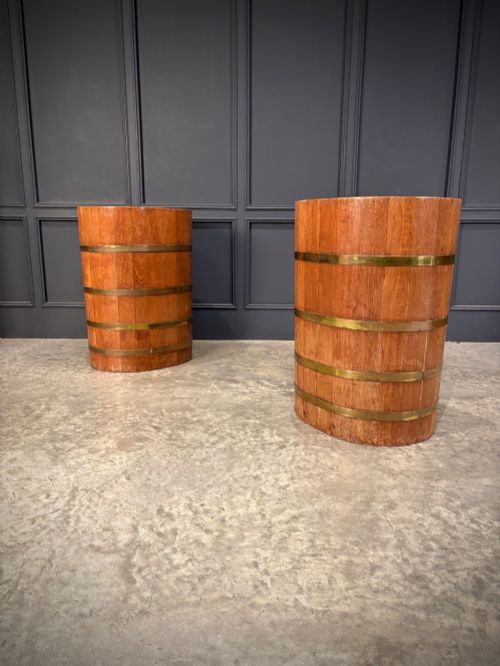
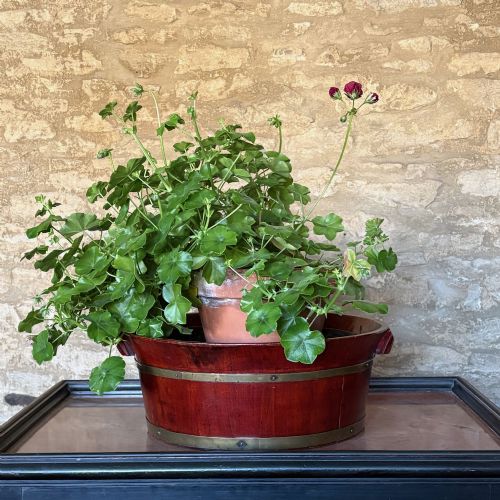
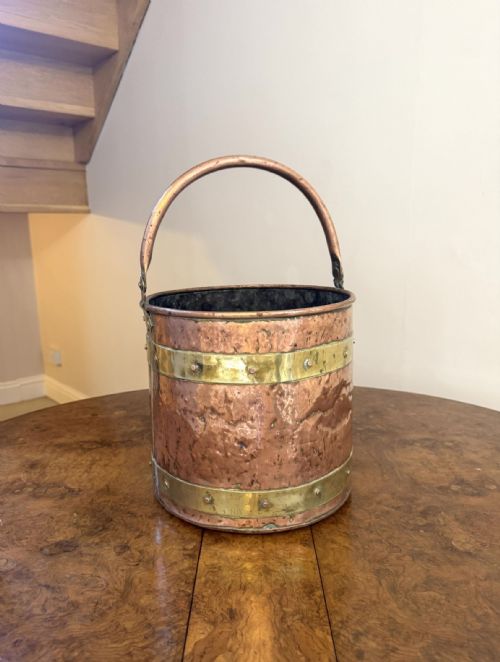
A brass strap bucket takes many forms across domestic use, functioning as coal buckets, fireside stores, wine coolers, umbrella stands and butter barrels. The materials span mahogany, oak, walnut and hardwood, bound with brass or copper straps.
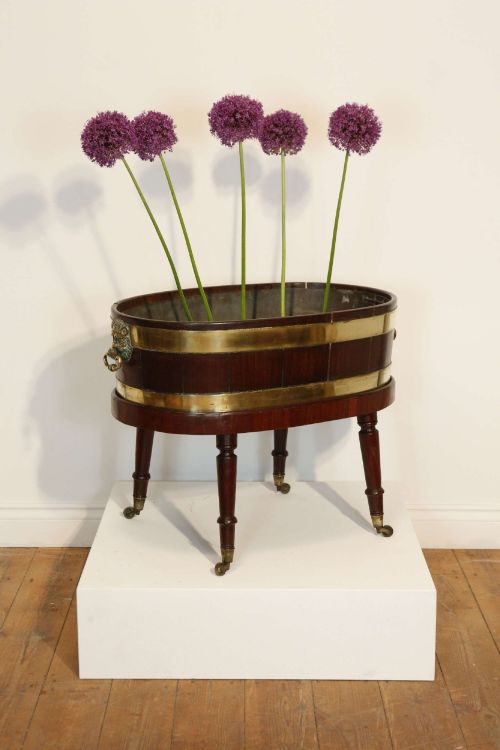
The versions most commonly met on this page date from the Georgian and Victorian periods, alongside George III style interpretations. These vessels combine heavy coopers' construction with decorative metalwork designed for fireside or dining room use.
How they were made
Construction relies on traditional cooperage, joining shaped vertical wooden staves together to form a watertight or sturdy round, oval or triangular vessel. Iron or copper elements sometimes reinforce the internal structure, while brass bands are fitted tightly around the exterior.
Makers utilised dense timbers like mahogany, oak and walnut, finishing the wood to highlight the grain while polishing the brass and copper bands. Handles, swing bails and liners in metal complete the manufacture of these utilitarian storage pieces.
Brass Strap Bucket Retail Price Guide 2026
Typical asking prices for brass strap bucket among the pieces listed under this phrase on Sellingantiques today, from the lower quarter to the upper quarter. They describe what is for sale here now, not the wider market.
Form variations recorded here include triangular fireside bins, oval wine coolers, stick stands and copper-banded coal buckets.
What varies in quality
Quality rests upon the choice of timber and the precision of the coopered joints, where tightly fitted staves indicate superior craftsmanship. The gauge and weight of the brass banding also distinguish finer vessels from simpler utilitarian containers.
Proportion and the retention of original handles or liners elevate certain examples, separating standard workshop pieces from those intended for formal reception rooms.
The Brass Strap Bucket Glossary
- Coopered
- Constructed from staves of wood fitted together side by side to form a rounded vessel. This technique is traditional for barrels, buckets and tubs.
- Stave
- One of the narrow vertical strips of wood that forms the sides of a coopered bucket or barrel. Staves are bevelled to fit tightly against one another.
- Cellarette
- A lockable container used for holding bottles of wine near the dining table. Many examples share the coopered brass-bound construction of buckets.
- Bail handle
- A curved metal handle attached to opposite sides of a bucket. It swings freely to allow lifting and carrying.
Brass Strap Bucket: Frequently Asked Questions
What were brass strap buckets used for originally?
These vessels served practical storage roles around the home, holding coal near the hearth, turf, or cooling wine bottles in dining rooms. Their robust construction handled heavy, messy materials while fitting into domestic interiors.
Over time, forms like umbrella stands and butter barrels joined the repertoire, adapting the same coopered construction for different domestic chores.
How do I tell a Georgian bucket from a Victorian one?
Georgian examples often feature fine mahogany timbers and restrained, elegant proportions designed for dining room wine cooling. Victorian pieces tend to encompass a broader range of timbers including walnut and oak, alongside coal bins and umbrella stands.
Details in the brass work and the specific joinery techniques also offer clues to the period of manufacture.
Can I use a antique bucket by the fireplace today?
Many of these pieces remain sturdy enough to hold logs or kindling beside a modern hearth. Checking the interior condition and lining helps ensure the timber handles dry storage safely.
Placing them away from direct excessive heat protects the historic wood and metal bindings from drying out or splitting.
What is the difference between a wine cooler and a coal bucket?
Wine coolers from the Georgian period typically feature refined mahogany construction and sometimes interior lead linings designed to hold ice and bottles. Coal buckets and fireside bins focus on heavier storage for solid fuel, often utilising oak, walnut or copper.
The intended room dictates the finish, with dining pieces displaying finer cabinet-making than utilitarian hearth storage.