


Brass Standard Oil Lamp
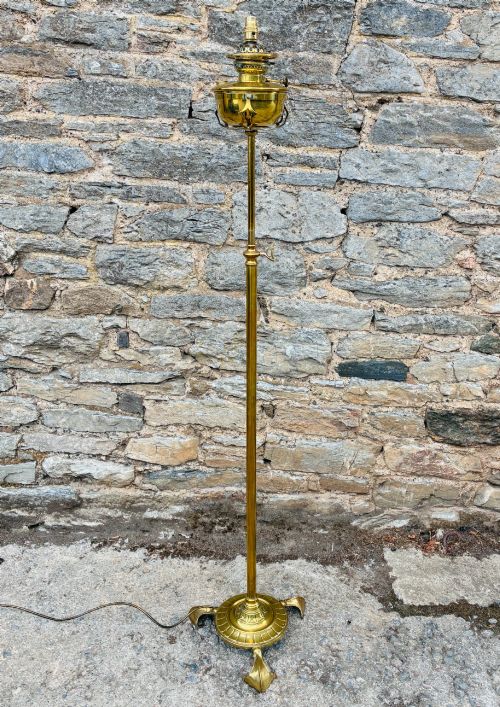
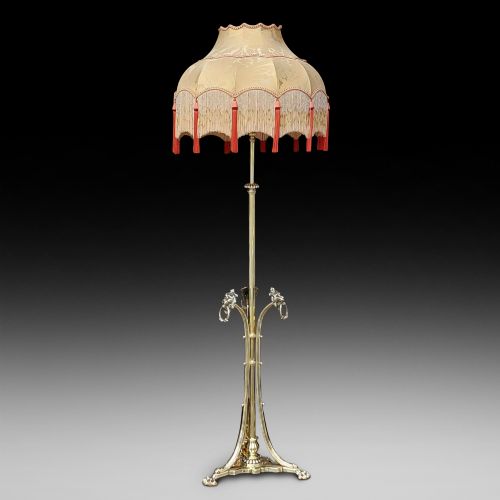
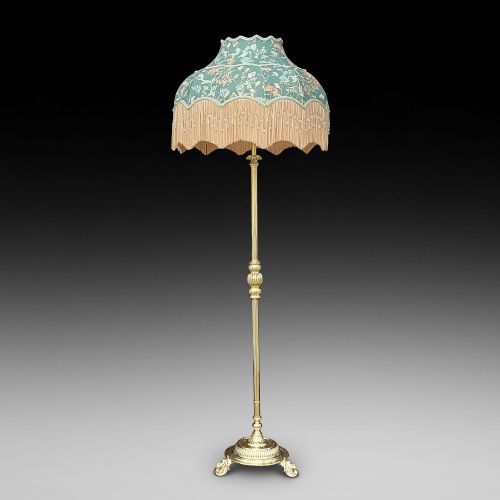
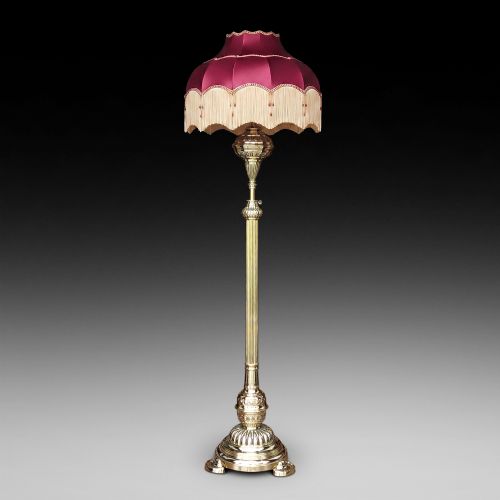
A brass standard oil lamp brings height and adjustable light to a room, standing as a substantial piece of Victorian and Arts and Crafts engineering.
Brass Standard Oil Lamp
A brass standard oil lamp is a tall floor-standing lighting fixture designed to illuminate large living spaces from an elevated burner. When you search for this phrase, you encounter heavy metal columns, often with telescopic mechanisms that allow the height to be adjusted according to need.
The most common examples on this page date from the Victorian period through to nineteen hundred, encompassing styles from classical revival columns to simpler Arts and Crafts designs. Many retain their original proportions despite later conversion to electric lighting.
Makers such as Hinks and Messenger produced sturdy floor lamps in brass, sometimes combined with copper or mounted on heavy weighted bases to ensure stability. Collectors find pieces ranging from plain utilitarian standards to elaborate models incorporating cranberry glass fonts and carved wood elements.
What varies in quality
Quality in a standard oil lamp rests upon the weight of the metal and the precision of the extending mechanism. Heavier gauge brass and solid construction indicate a higher grade of manufacture, preventing the wobble often found in lighter, mass-produced examples.
The refinement of decorative detail also separates ordinary pieces from superior ones. Finely chased Corinthian capitals, complex adjustable screw keys, and the inclusion of high-end glass fonts such as cranberry or ruby glass elevate a standard workshop piece to an exceptional example of period metalwork.
Some Victorian standards travelled the seas as steamer lamps, built with extra weight to stay upright while the floor rolled beneath them.
Hinks of B'ham·Messenger·W A S Benson
The Brass Standard Oil Lamp Glossary
- Standard lamp
- A tall floor-standing lamp designed to illuminate a room from a raised position. These pieces often incorporate adjustable shafts.
- Telescopic
- An extending mechanism formed of concentric tubes that allows the height of the lamp standard to be raised or lowered. This engineering feature was essential for directing light over furniture.
- Corinthian column
- A classical architectural column style featuring an ornate capital decorated with acanthus leaves. Many Victorian brass lamps adopted this decorative form for the main shaft.
- Font
- The oil reservoir sitting at the top of the standard beneath the burner. These vessels appear in brass, copper, earthenware, and coloured glass.
- Steamer lamp
- A specialised standard lamp fitted with a heavy or weighted base designed to remain stable on a moving ship. These pieces reflect maritime utility adapted for domestic interiors.
Brass Standard Oil Lamp: Frequently Asked Questions
Are these lamps still safe to use with oil?
Most surviving standards have been converted to electricity over the decades to suit modern domestic requirements. Using them with actual paraffin oil requires specialist inspection of the original burner and font for structural integrity.
Collectors generally prefer to maintain existing electrical conversions or work with qualified professionals if restoring a piece back to functional oil burning.
How do I clean brass and copper safely?
Dust the metal regularly with a soft dry cloth to prevent the buildup of grime in engraved or chased details. Avoid harsh chemical polishes that strip away the desirable aged patina accumulated over the centuries.
Gentle cleaning with a mild soap solution and thorough drying preserves the warm metallic tones without exposing raw brass to rapid re-tarnishing.
How can I tell Victorian from Arts and Crafts examples?
Victorian standards frequently display ornate classical detailing such as fluted columns, Corinthian capitals, and polished shiny finishes. They emphasise historic revival styles and decorative abundance.
Arts and Crafts examples favour simpler, unadorned surfaces, visible construction methods, and hammered copper details that highlight honest hand-craftsmanship over classical ornament.