

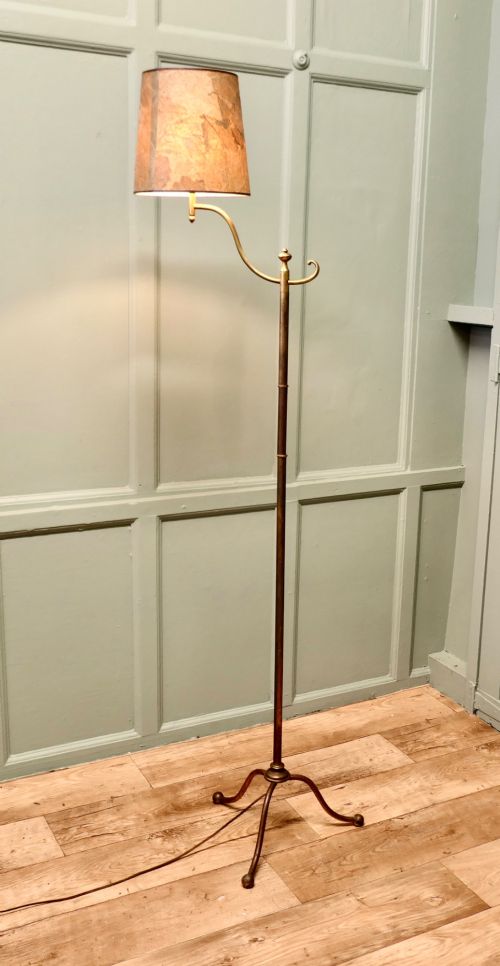
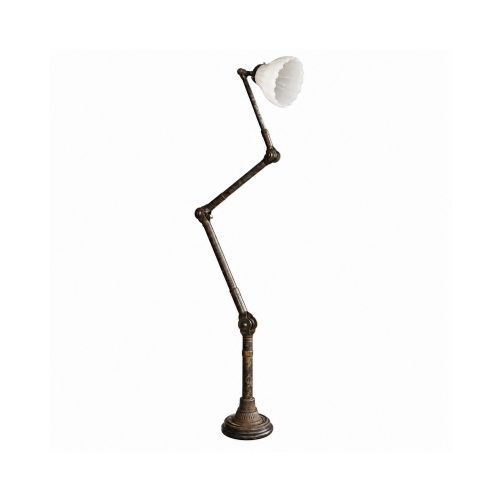

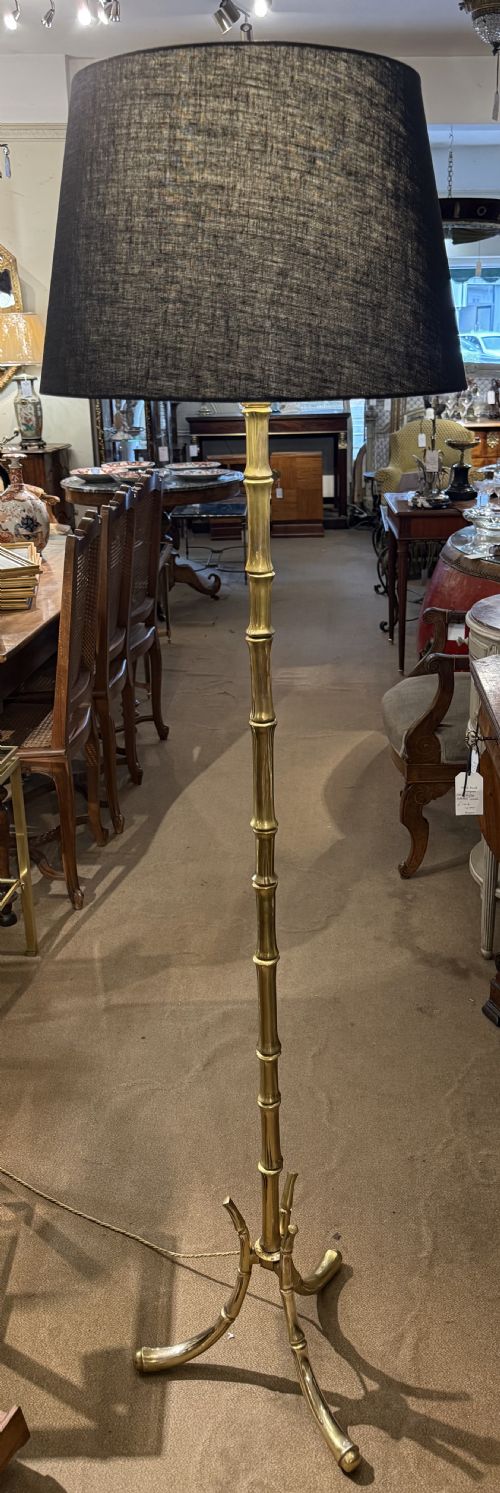
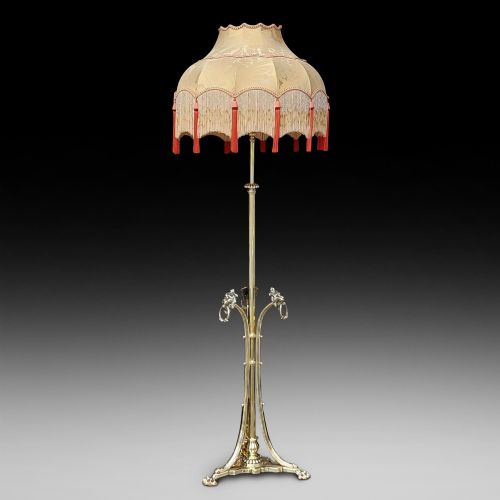
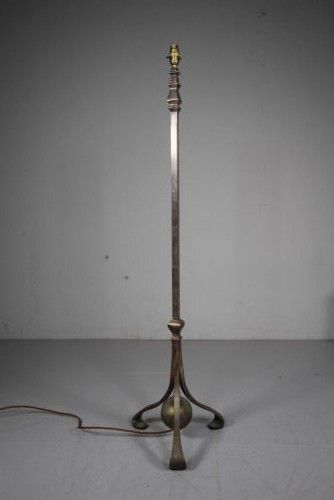
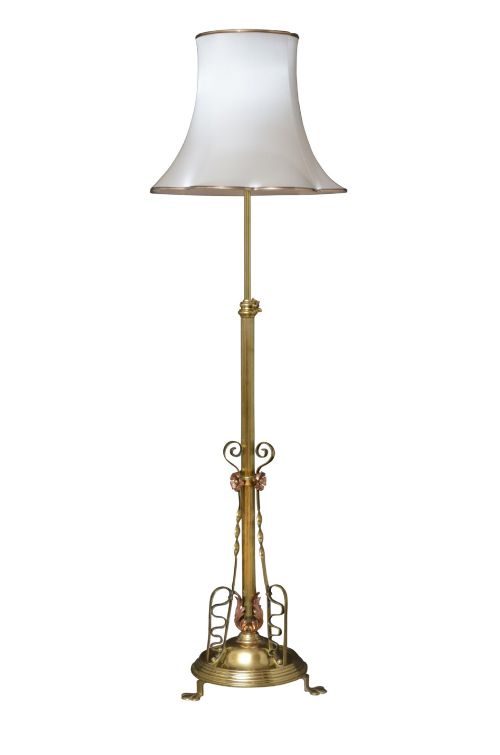
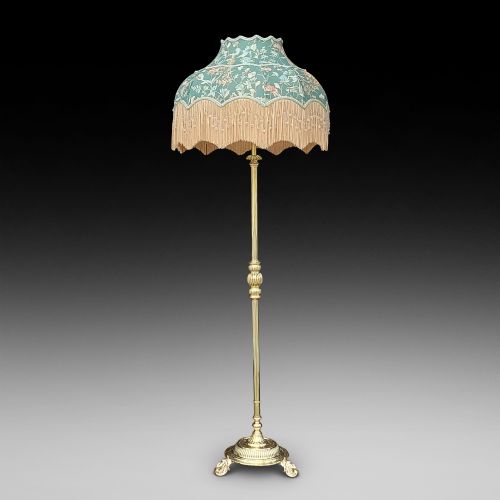
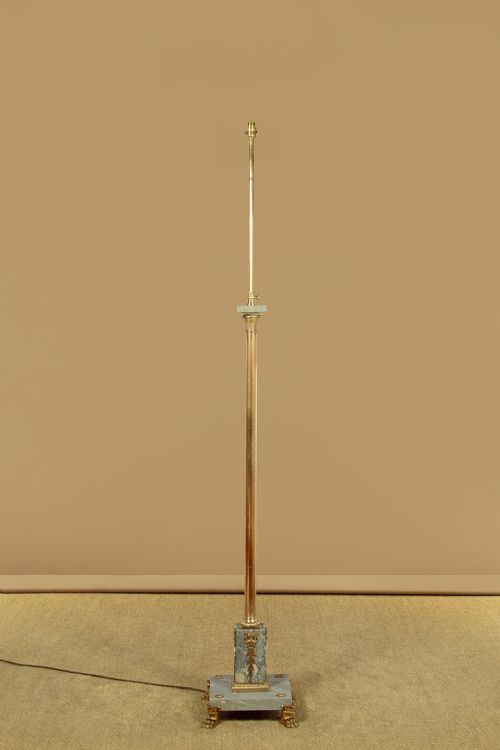

Brass Reading Lamp Stand
A brass reading lamp stand provides directional illumination through an adjustable metal column, combining practical task lighting with period design.
Brass Reading Lamp Stand
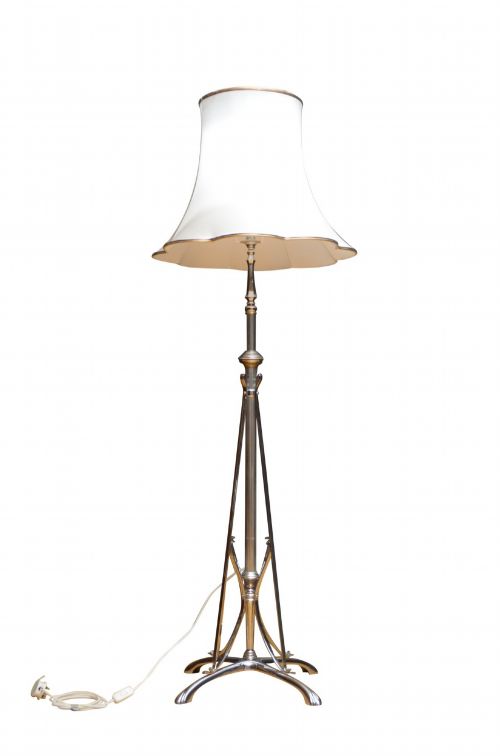
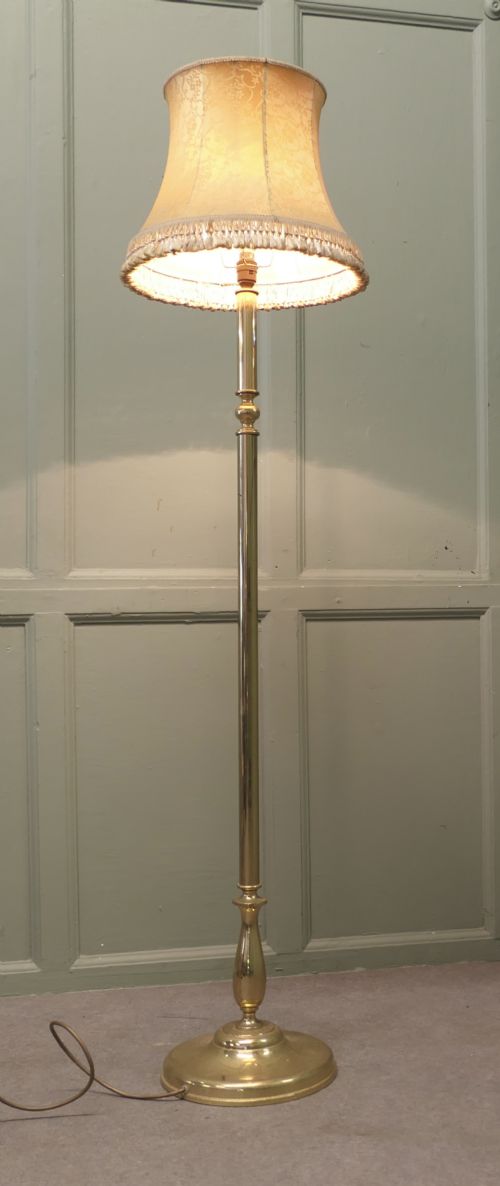
A brass reading lamp stand functions as an adjustable floor or standard lamp designed to direct light downward for reading tasks. These pieces appear frequently in Victorian, Edwardian, and Art Nouveau styles, spanning the nineteenth and early twentieth centuries.
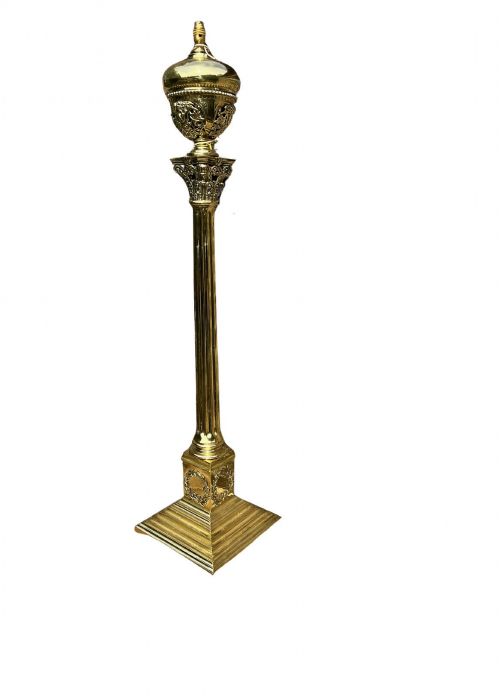
The standard lamp format encompasses telescopic columns, heavy bases, and multi-arm configurations designed for domestic libraries, drawing rooms, and reading spaces. Common design variations include Corinthian columns, tripod bases, and rotating swivel mechanisms.
Originating predominantly from British and French workshops, these stands utilise robust metal construction to support heavy oil fonts, candles, or electrical fittings. Buyers encounter pieces ranging from simple utilitarian library lamps to ornate decorative standards.
Materials and Techniques
Workshops utilised mechanical adjustment systems, including telescopic stems and swivel joints, to allow height variation and directional control of the light source. Metal components were cast, turned, and polished, occasionally incorporating silver plating or patinated finishes.
Brass Reading Lamp Stand Retail Price Guide 2026
Typical asking prices for brass reading lamp stand among the pieces listed under this phrase on Sellingantiques today, from the lower quarter to the upper quarter. They describe what is for sale here now, not the wider market.
Listings demonstrate that brass reading lamp stands span the nineteenth and twentieth centuries, incorporating materials like marble, mahogany, and cranberry glass.
Standards of Manufacture
Quality in a brass reading lamp stand rests upon the heft of the metalwork, the precision of the telescopic adjustment mechanism, and the stability of the base. Superior examples demonstrate substantial weight, clean casting detail in decorative elements, and smooth operation of extending stems.
Lighter or mass-produced alternatives often lack the rigid column support and fine chasing seen in pieces by notable makers such as Hinks or Maison Bagnes. The integrity of the original joints and the quality of secondary materials like marble or coloured glass further distinguish better examples.
Maison Bagues·Hinks
The Brass Reading Lamp Stand Glossary
- Telescopic
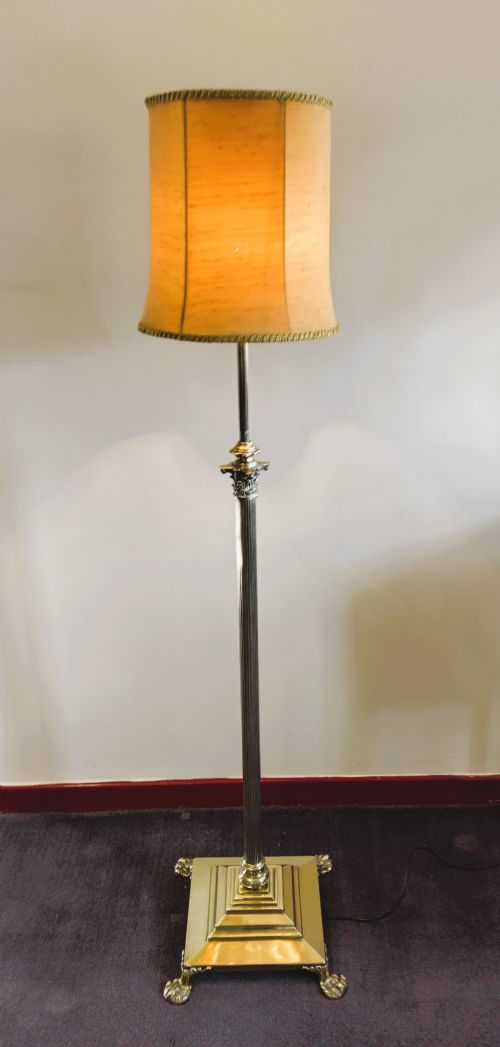
- A design incorporating concentric sliding tubes that allow the height of the lamp stand to be adjusted. This mechanism is frequently found on Victorian and Edwardian reading lamps.
- Corinthian Column
- A decorative column style featuring an ornate capital carved or cast with acanthus leaves. This classical architectural form appears on formal nineteenth-century standard lamps.
- Bouillotte
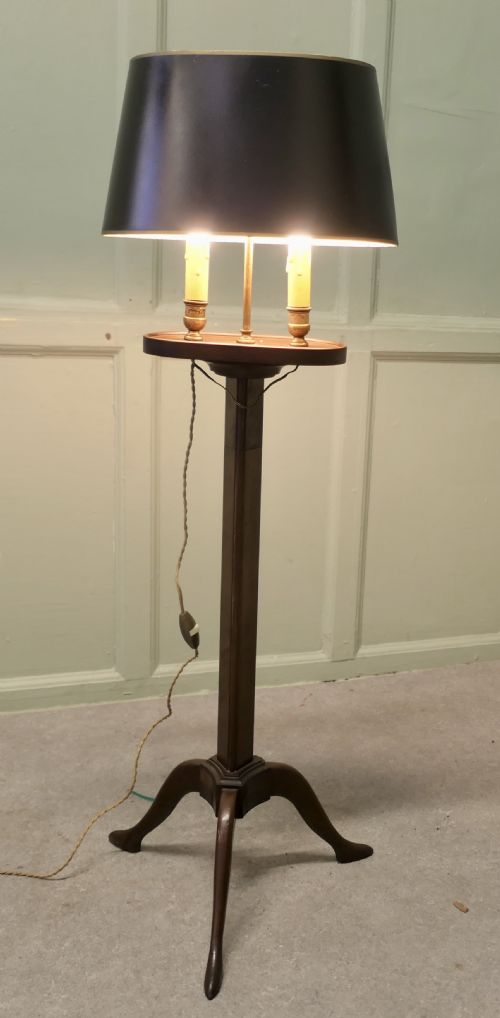
- A type of adjustable metal lamp originally designed for card playing, featuring twin candle sockets or light fittings beneath a shade. French examples frequently employ this form.
- Standard Lamp
- A British term for a floor-standing lamp designed to provide ambient or task lighting in a room. These stands support either electrical components or converted oil fonts.
- Ormolu
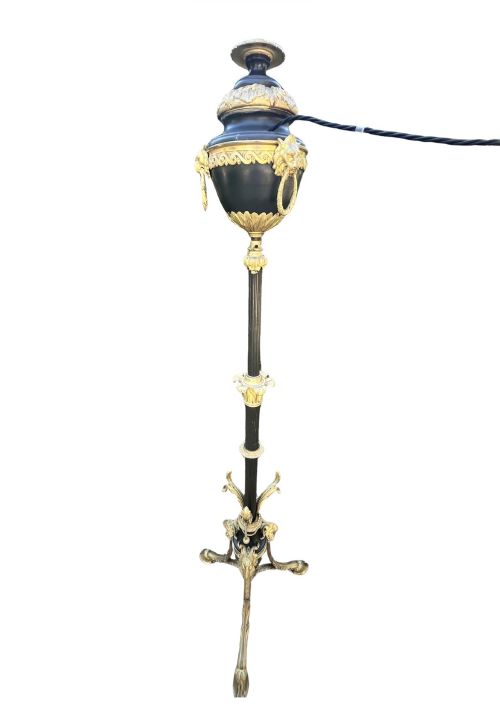
- Gilded bronze or brass applied to decorative furnishings and lamp bases. This technique provides a bright, gold-coloured finish on French and neoclassical pieces.
Brass Reading Lamp Stand: Frequently Asked Questions
How do I adjust the height?
Many period stands use a telescopic mechanism with a thumb screw or collar to raise and lower the central stem. Adjustments should be made gently while supporting the upper section to protect the internal metal fittings.
Older oil lamp standards may have internal weighted counterbalances or sliding ratchets instead of screw threads. Familiarise yourself with the specific locking method before attempting to alter the height.
Were these originally for oil or electricity?
A large portion of nineteenth-century and Edwardian stands started as oil-burning reading lamps before being converted to electricity later in life. Surviving examples retain burners, fonts, or glass chimneys from their original fuel-burning period.
Later Edwardian and 1920s models were frequently manufactured specifically for early electrical wiring. Conversion status does not diminish the utility of the stand as long as modern wiring meets safety standards.
How do I clean brass safely?
Dust the metal surface regularly with a soft, dry cloth to prevent the accumulation of grime in the decorative openwork and fluting. Avoid abrasive metal polishes that can strip the historic patina or damage delicate plating.
If cleaning is necessary, use a mild, pH-neutral soap solution applied sparingly and dried immediately. Preserving the natural ageing of the brass maintains the visual character of the period.
Where should I place a standard lamp?
Position the lamp stand beside an armchair, desk, or reading sofa where the adjustable arm can direct light downward over a book or workspace. Ensure the heavy base rests on a stable, flat floor to maintain balance when the stem is extended.
Because these stands have a significant vertical footprint, keep them away from heavy foot traffic areas where cords or tripod legs might present a hazard.