



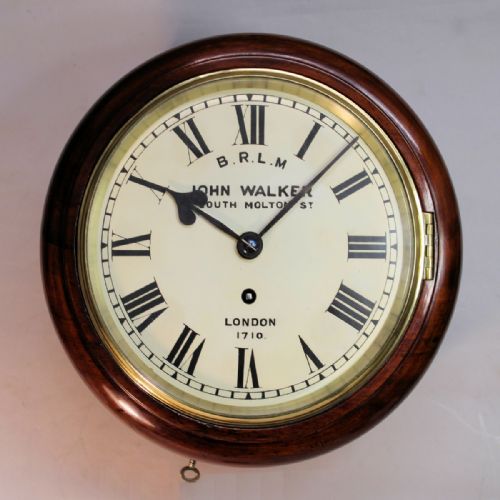
Brass Railway Clock
When you search for a brass railway clock, you are looking for a robust timekeeper built to keep time across the transport network.
Brass Railway Clock
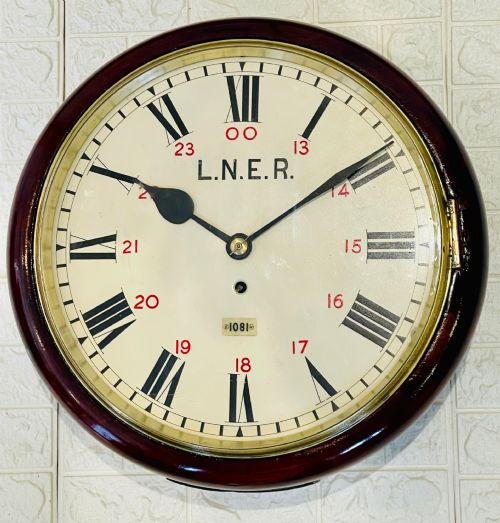
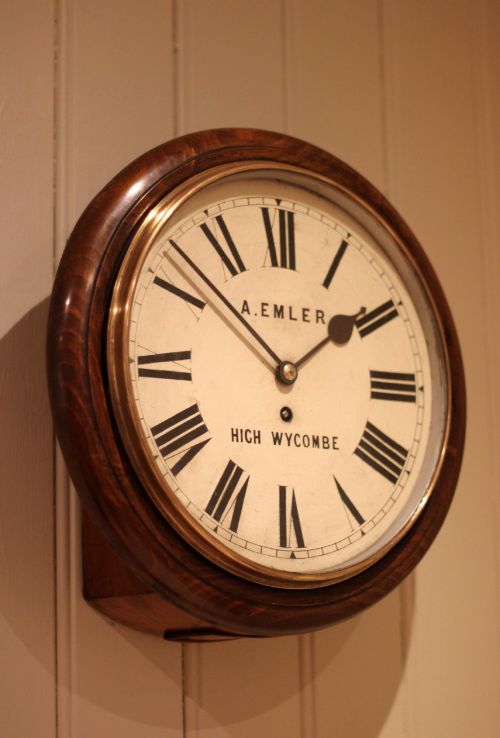
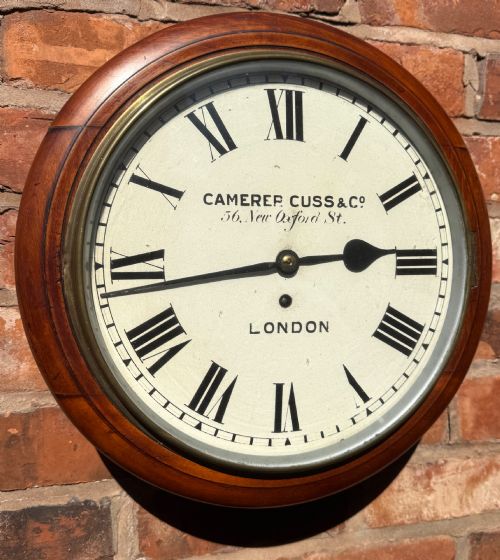
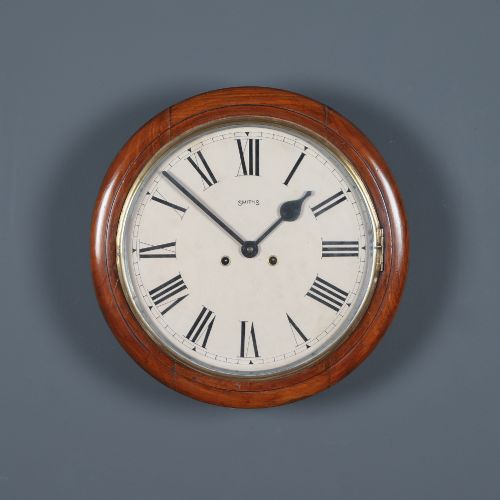
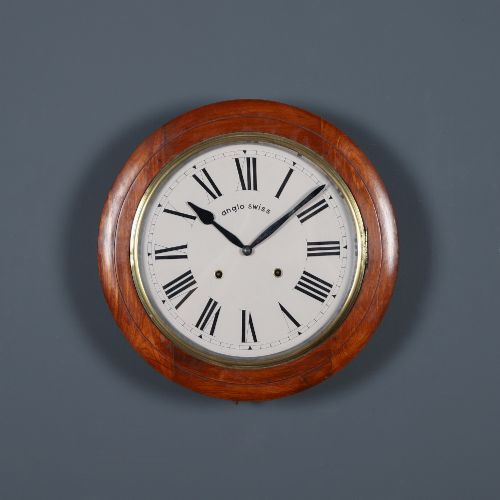
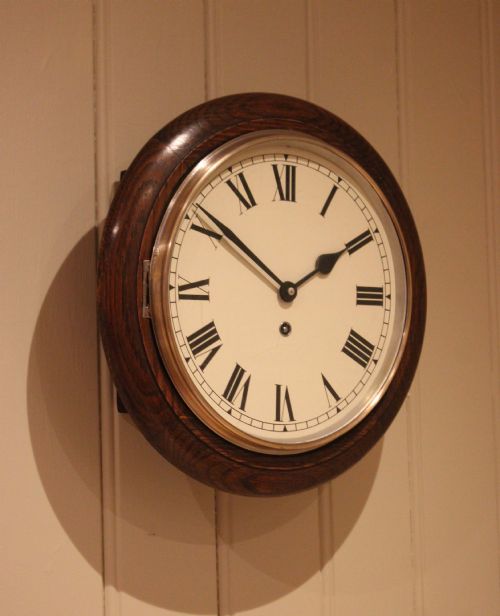
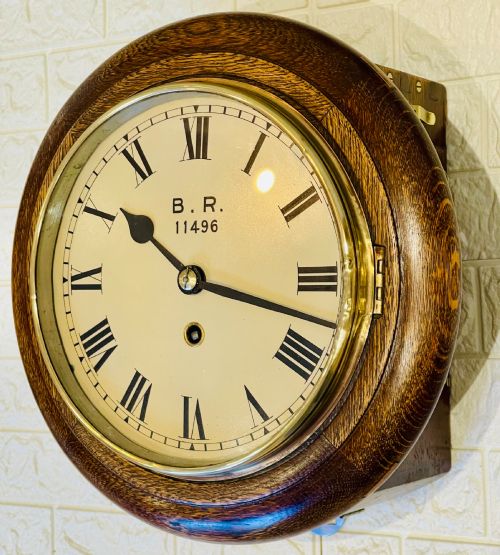
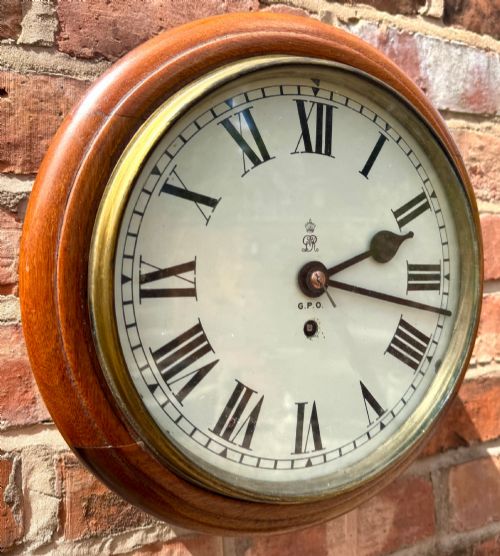
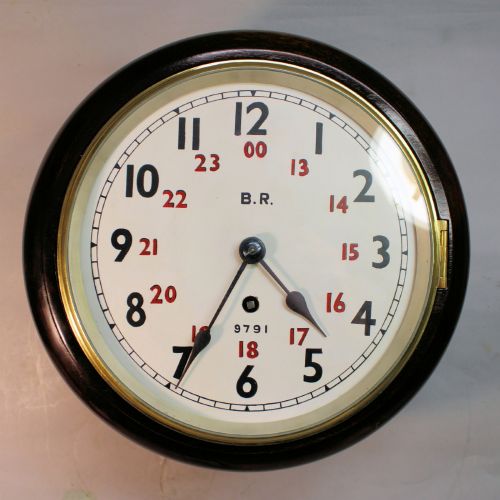
A brass railway clock is a utilitarian timekeeper designed for heavy use in offices, signal boxes, and stations across the transport network. These pieces mostly appear as wall-mounted round dial clocks originating from Victorian and early twentieth-century periods, bearing the names of major regional networks.
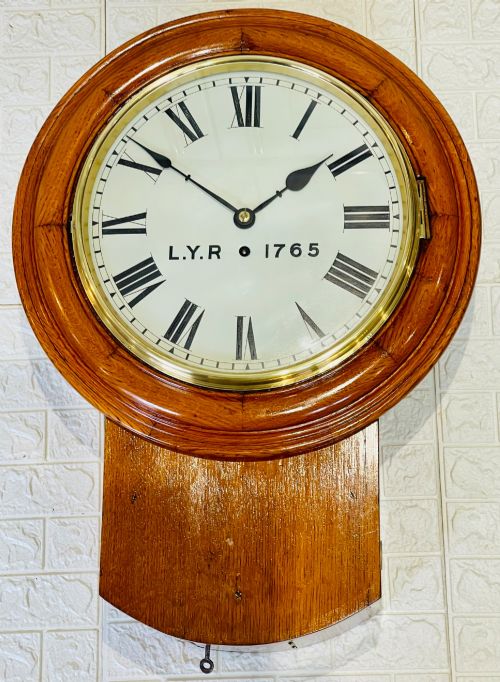
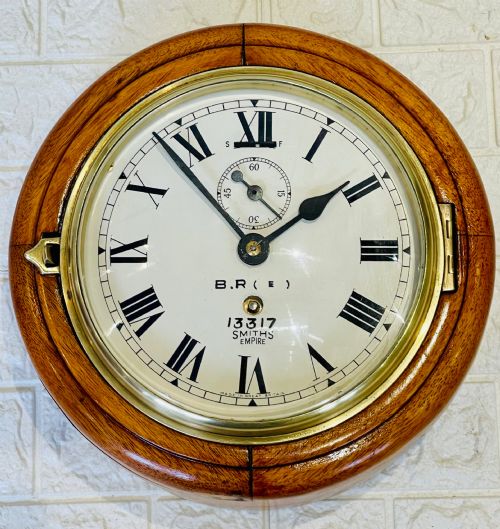
The form is led by clear, legible faces protected by brass bezels and heavy glass, designed to be read easily from a distance. You will frequently encounter mahogany or oak cased examples utilising fusee movements, alongside drop-dial variants built for punctuality.
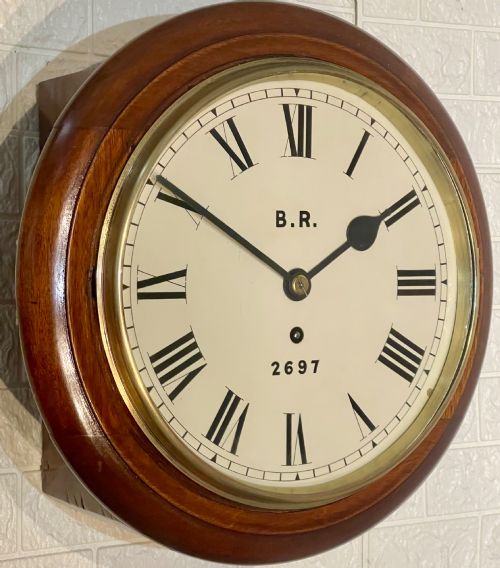
Many of these items carry specific station or line stamps on their dials and numbered timber cases, tying them directly to British railway history. They bridge domestic timekeeping with heavy industrial utility, surviving in working order through decades of service.
How they were made
The casings rely heavily on solid timbers such as mahogany, oak, and beech, joined securely to house heavy mechanical movements. Brass forms the sturdy bezels and framing components, offering resistance to corrosion in bustling station environments.
Movements inside are predominantly fusee or striking mechanisms driven by chain or wire, engineered for reliable timekeeping over extended periods. Dials are painted iron or metal, lettered clearly with company initials or station allocations to withstand daily operational wear.
One recorded piece is a pork pie signal box tool clock, proving railways needed specialised timing even for lunch.
What varies in quality
Quality rests in the crispness of the original dial lettering, the precision of the fusee movement, and the integrity of the timber housing. Finer examples retain matching serial numbers stamped across the wooden case interior and the clock movement, confirming original factory assembly.
The weight and thickness of the cast brass bezel also distinguish standard utility models from higher-grade station master pieces. Originality of components, from the pendulum to the glass-fronted door, dictates the overall integrity of the piece.
Camerer Cuss And Co·John Walker·Kay And Co·Smiths
The Brass Railway Clock Glossary
- Fusee
- A conical pulley used with a chain or cord to maintain even power as the mainspring unwinds. This mechanism ensures consistent timekeeping accuracy across the duration of the wind.
- Drop Dial
- A clock case featuring a circular dial at the top and an extended wooden trunk below to accommodate the pendulum. This design is typical of station and office wall clocks.
- Bezel
- The brass ring that holds the glass face in place over the dial. On railway clocks, this is often hinged with a side latch for easy access.
- Dial
- The face of the clock, painted on iron or metal and marked with numerals and railway company ciphers. Legibility was paramount for staff operating trains.
- Timepiece
- A clock that tells the time without striking the hours or chiming. Many railway wall clocks were simple timepieces to avoid confusion in busy signal environments.
Brass Railway Clock: Frequently Asked Questions
How do I wind a fusee railway clock?
You use a dedicated winding key inserted into the dial hole to gently tension the chain around the fusee cone.
Take care not to overwind the movement, stopping as soon as resistance is felt.
Were these clocks used on trains?
These timekeepers were mounted in fixed locations such as station platforms, booking halls, and signal boxes rather than on rolling stock.
Their heavy timber cases and wall-mounting brackets suited static operational environments.
How do I identify a railway company stamp?
Network initials such as GWR or LNER appear painted directly onto the dial face or stamped into the timber case.
Matching numbers on the wood and movement often indicate official railway stores issue.
Where should I hang a heavy wall clock?
Mount the clock securely into a wall stud or use appropriate heavy-duty fixings to support the substantial timber and brass weight.
Ensure the wall is stable so the pendulum can swing evenly without catching.