

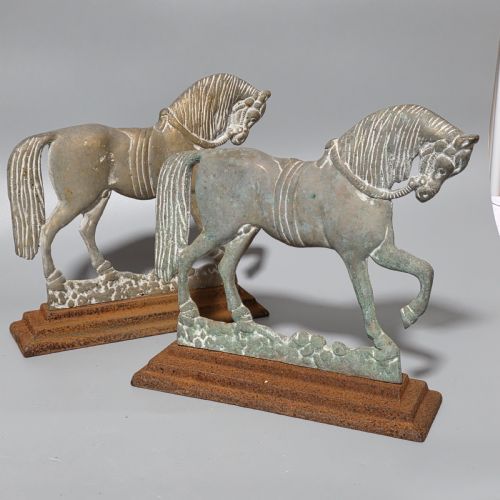


Brass Porter Doorstop
These heavy brass porter doorstop examples keep grand period draughts at bay while anchoring an interior with sculptural weight.
Brass Porter Doorstop
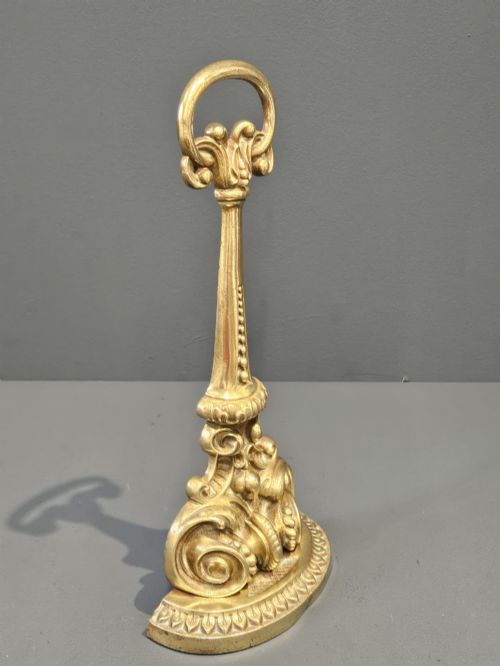
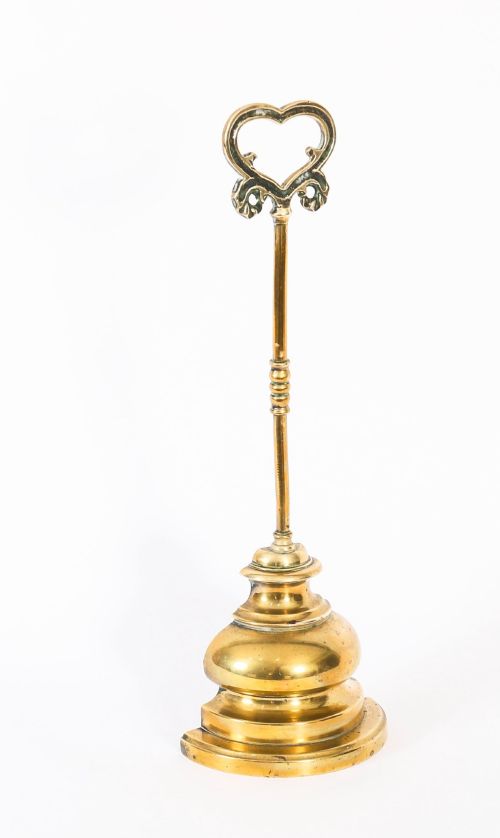
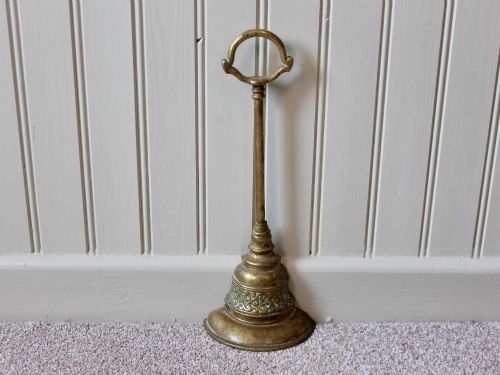
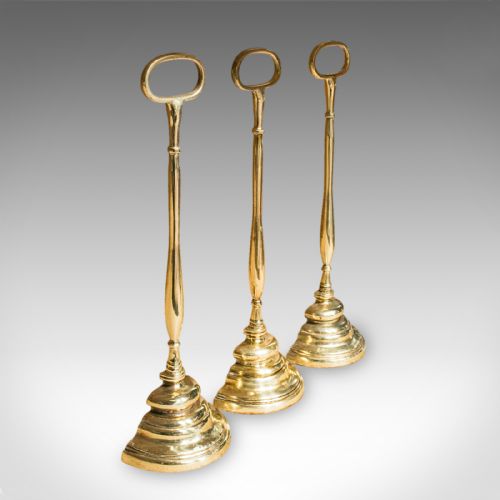
A brass porter doorstop is a substantial heavy object designed to keep heavy interior doors from swinging shut in draughty hallways. The pieces found here span the Georgian, Victorian, and Edwardian periods, stretching from late eighteenth-century examples into the early twentieth century.
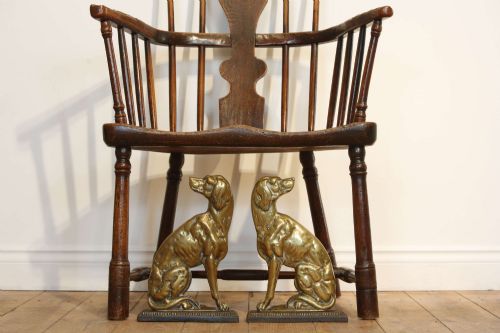
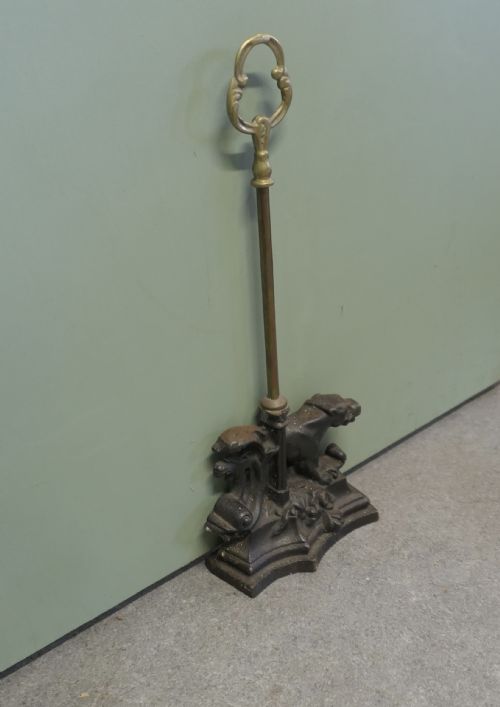
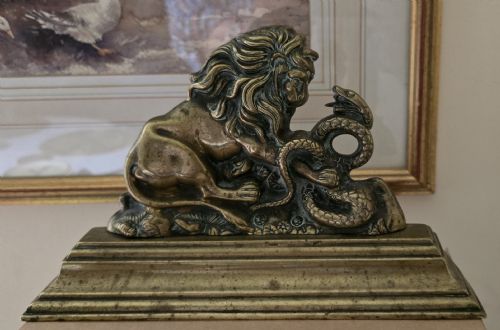
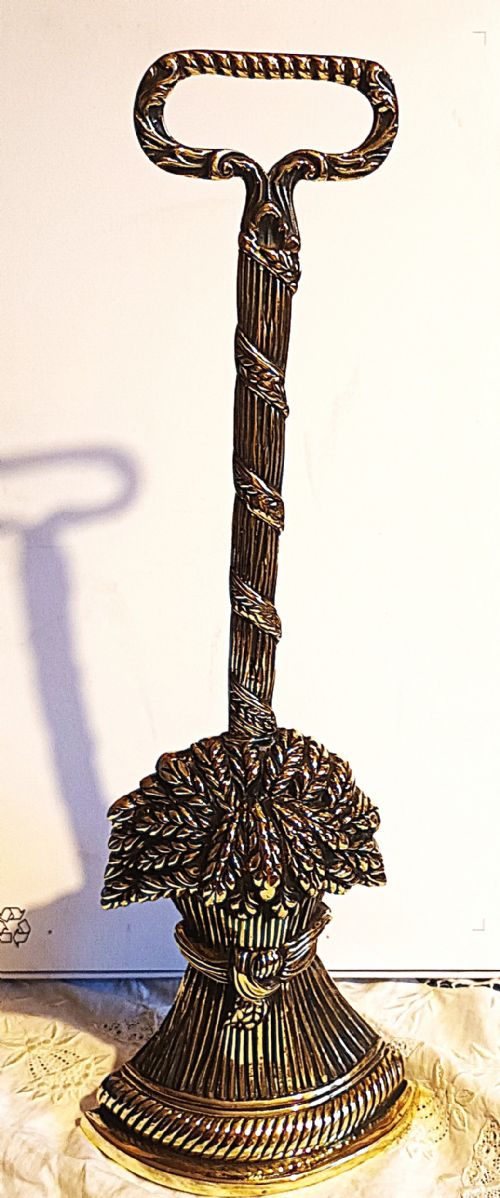
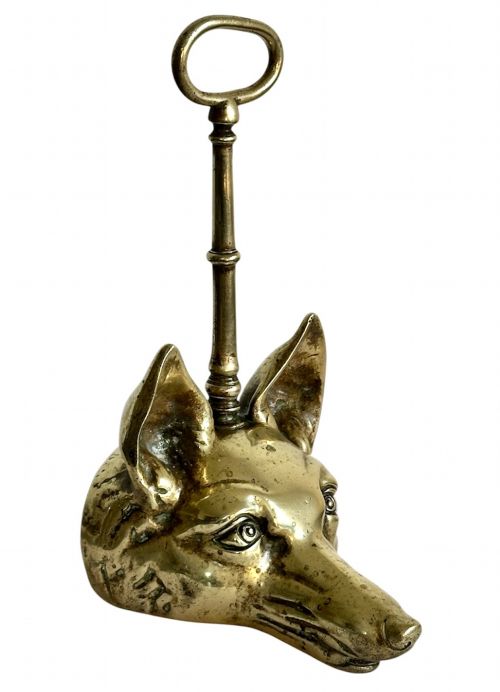
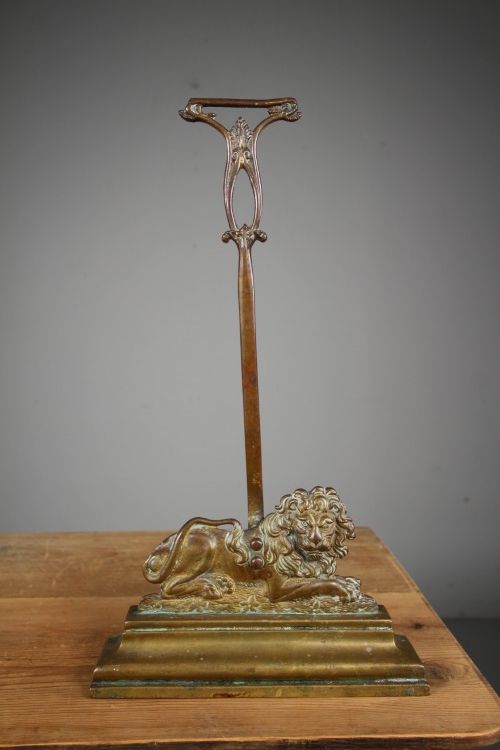
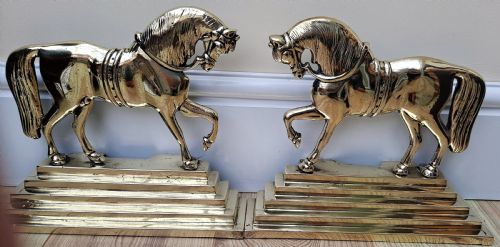
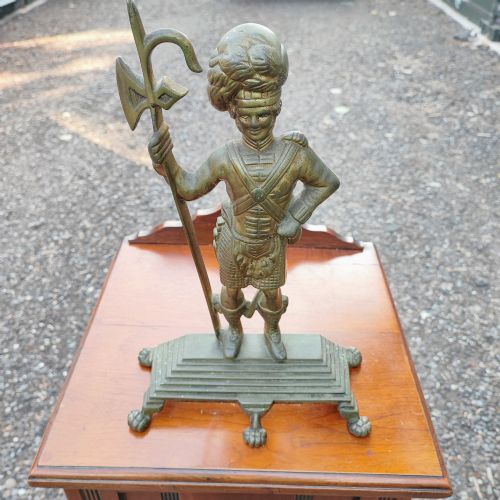
Most items you will meet on this page are cast in brass or cast brass combined with iron or lead weights, taking the form of figures, animals, chimney horses, and classical motifs. Common subjects include lions, horses, soldiers, and mythical creatures such as cherubs and dolphins.
The term door porter is often used interchangeably with doorstop across these English pieces, which range from simple utilitarian keepers to ornate figural sculptures like Mr Punch, Lord Nelson, or Dr Jim.
Materials and casting methods
These items were produced primarily through metal casting, utilising brass as the dominant visible material. Molten brass was poured into moulds to create crisp figural and decorative details.
Many examples incorporate cast iron or lead components, either within the internal structure or as a weighted base, to ensure the necessary heft required to hold heavy doors open. Bronze is also utilised alongside iron and lead in various pieces.
Surface finishes vary from polished brass to patinated bronze effects, reflecting the workshop practises of nineteenth-century foundries and metalworkers.
Brass Porter Doorstop Retail Price Guide 2026
Typical asking prices for brass porter doorstop among the pieces listed under this phrase on Sellingantiques today, from the lower quarter to the upper quarter. They describe what is for sale here now, not the wider market.
Listings feature items from the Georgian, Victorian, and Edwardian eras, utilising brass, cast iron, lead, and bronze.
Defining quality in antique porters
The heft and structural integrity of the piece determine its functional success, with superior items maintaining solid internal weighting using lead or iron without loose components. Maker attribution, such as works associated with Tonks, also elevates the standing of certain Victorian specimens.
Tonks·William Tonks
The Brass Porter Doorstop Glossary
- Porter
- A heavy portable doorstop designed to hold doors open against draughts in large houses. The term is frequently used synonymously with doorstop.
- Chimney horse
- A traditional brass door porter shape historically associated with hearth furniture or equestrian motifs. These often appear in pairs.
- Door butler
- An alternative nineteenth-century name for a heavy door porter or doorstop. This term highlights the utilitarian yet decorative role of the object.
- Regency
- An architectural and decorative style period spanning the early nineteenth century. Pieces from this era often display classical restraint and clean lines.
- Cast brass
- Molten brass poured into a mould to form solid decorative objects. This technique allows for intricate figural and animal designs.
Brass Porter Doorstop: Frequently Asked Questions
What is a brass porter doorstop?
A brass porter doorstop is a heavy, cast metal object used to prop open interior doors in grand houses. They combine utilitarian weight with decorative figural sculpture.
Most examples take the form of animals, historical figures, or decorative handles, serving as both functional hardware and ornamental items.
How do I date a door porter?
Dating relies on stylistic clues, casting quality, and the specific motifs used, ranging from Georgian classical figures to Victorian animal sculptures. Late nineteenth-century pieces often show distinct foundry marks or heavier cast iron components.
Examining the wear patterns and the type of alloy used helps distinguish early nineteenth-century examples from Edwardian reproductions.
Were these used in pairs?
Certain forms, particularly chimney horses and lions, were frequently produced and utilised in matching pairs to flank large double doors. Single figures were equally common for standard single-leaf interior doors.
The presence of a pair often indicates a formal reception room or hallway setting.
How heavy are these doorstops?
These items are exceptionally heavy, often weighing several kilograms to ensure they can hold back solid oak or mahogany doors. Their mass comes from thick brass walls combined with internal lead or cast iron weighting.
This substantial weight is the defining physical characteristic that separates true porters from lightweight decorative stops.