
Brass Planter Pot
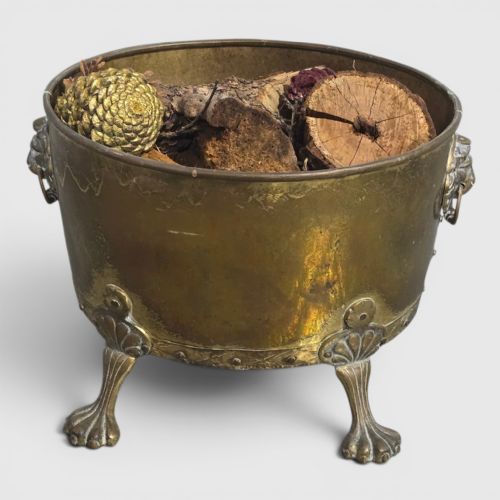
A brass planter pot brings warmth and weight to a room, offering a functional vessel that holds living foliage or stores logs.
What these pieces are
When you search for a brass planter pot, you encounter items designed to hold plants or contain fuel beside a hearth, often described as jardinieres or log bins. These metal vessels bring a reflective surface and a sense of utility into domestic spaces.
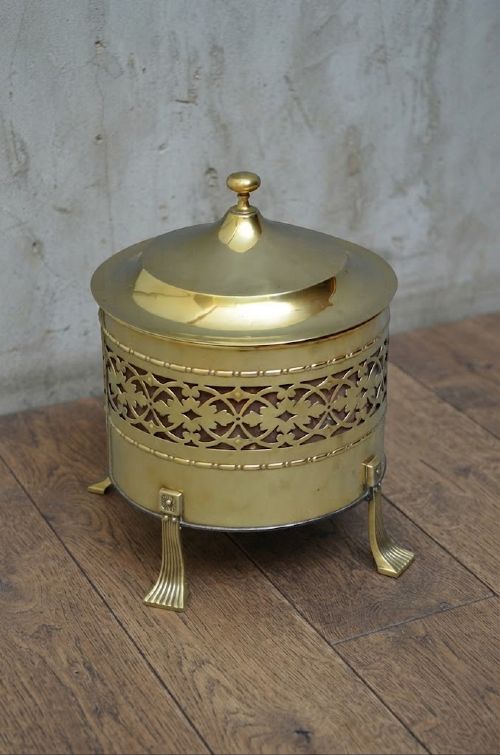
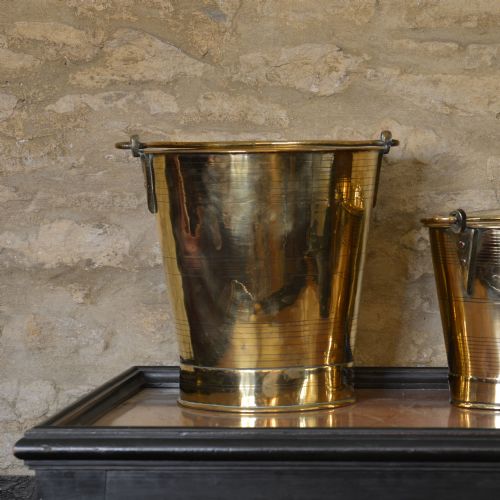
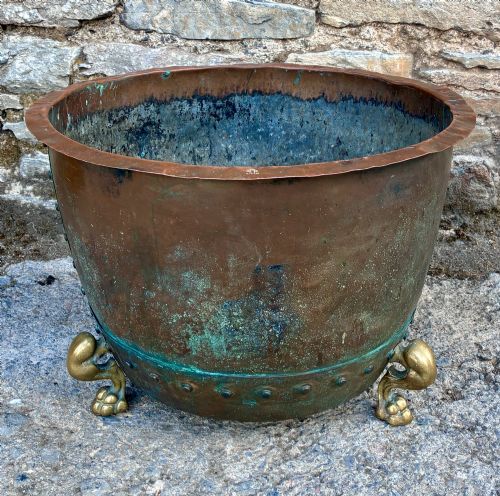
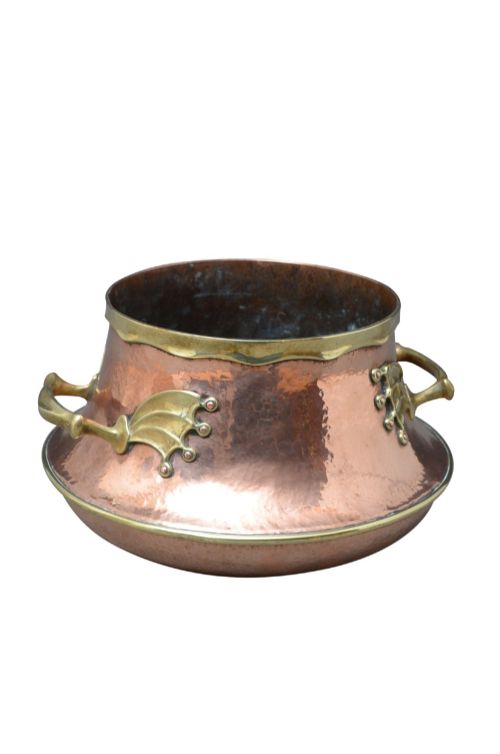
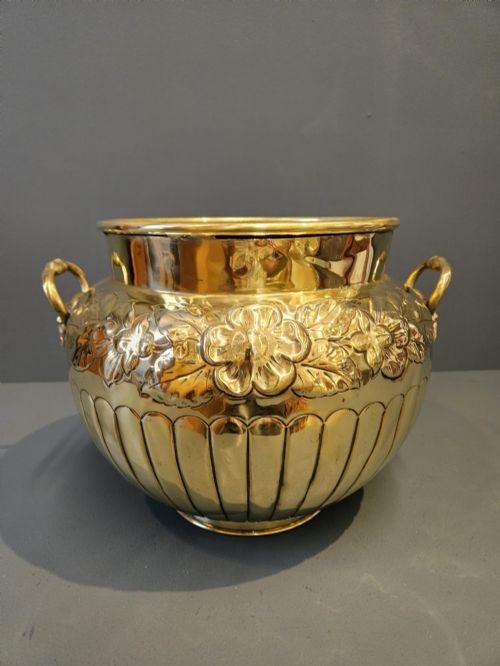
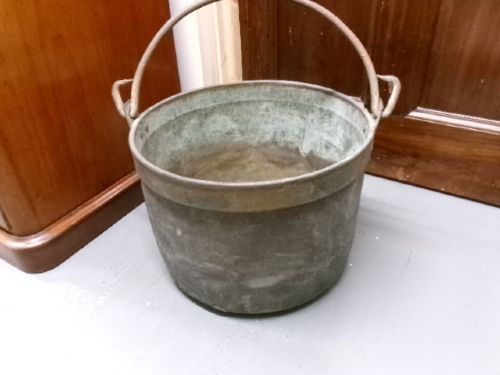
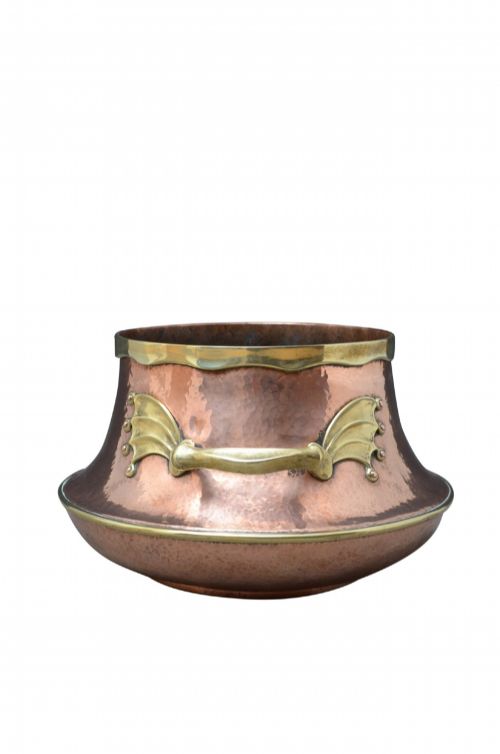
The pieces appearing in this category span the nineteenth century into the early twentieth century, taking forms that range from simple bowls to heavy handled buckets. Victorian examples and Arts and Crafts designs dominate the selection.
Many of these objects serve double duty as decorative cachepots and practical containers. Their origins connect British manufacturing traditions with items sourced from broader global trade networks during the Victorian period.
How they were made
Makers shaped these vessels primarily from brass, sometimes utilising silver plate for specific decorative finishes. Metalworking techniques involved hammering, casting and joining sheet metal to create rigid, waterproof containers.
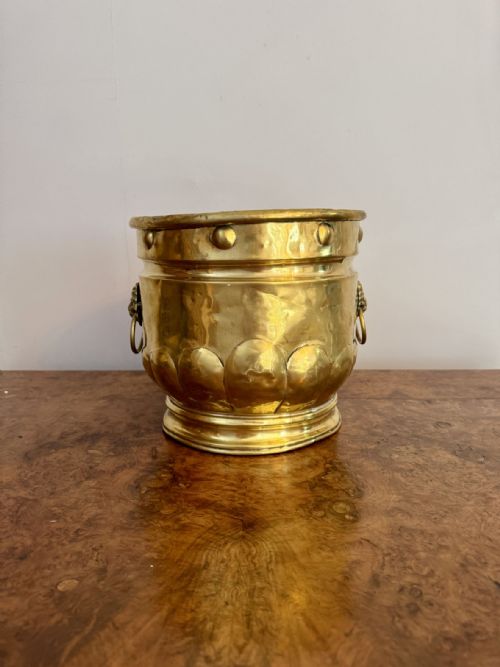
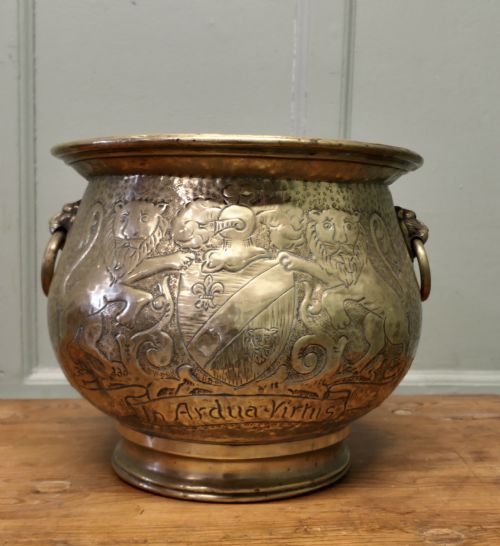
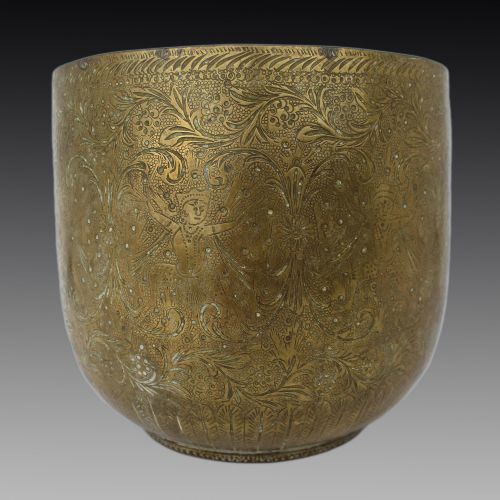
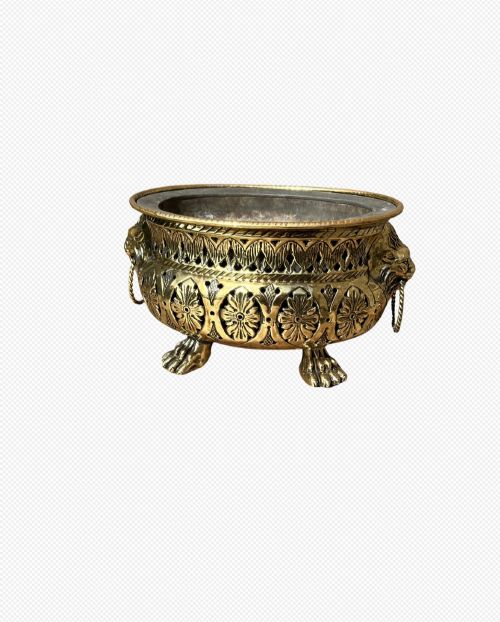
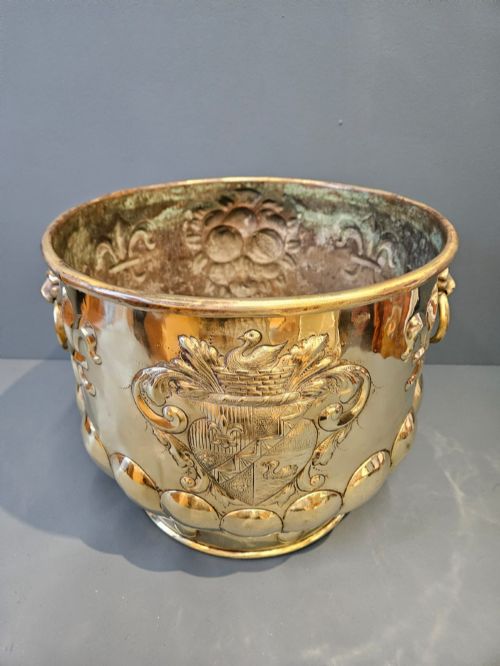
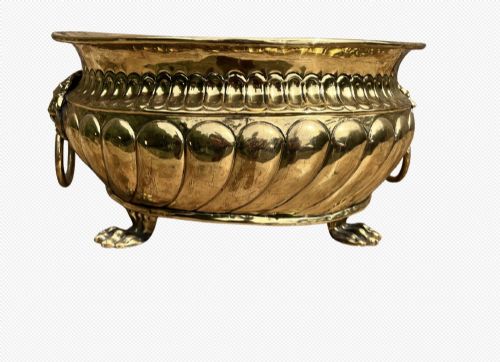
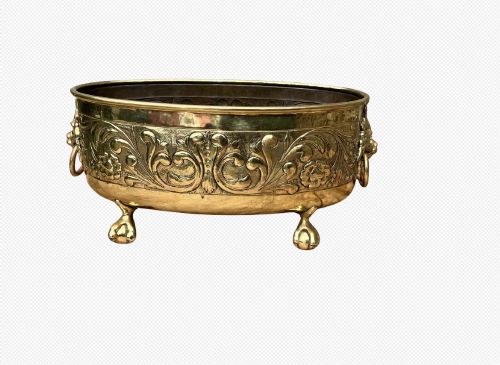
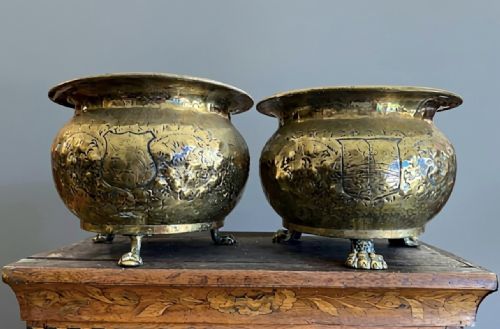
Details such as lion mask handles required skilled casting and attachment to the main body of the pot. Artisans also employed chasing techniques to apply surface patterns, working the metal by hand to create textured ornament.
Retail Price Guide 2026
Typical UK retail prices for brass planter pot, calculated from the Sellingantiques database of over a million retail prices indexed since 2003. This retail price guide relies exclusively on Sellingantiques data; no external sources or auction records are used, so the figures do not describe the wider market.
Some heavy planters wear fierce lion mask handles, ready to guard your ferns from imaginary intruders.
What varies in quality
The distinction between standard utility items and superior pieces rests on the weight of the metal and the crispness of the cast details. Heavier gauge brass retains its shape better and provides greater stability when loaded with earth or heavy logs.
Subtlety in construction separates finer examples from ordinary production, particularly in how handles are secured and seams are finished. The depth and clarity of chased ornamentation reveal the hand of a more accomplished artisan.
The Brass Planter Pot Glossary
- Jardiniere
- An ornamental pot or stand for holding plants or flowers. This term appears frequently in nineteenth-century contexts for large indoor vessels.
- Log Bin
- A heavy container used to store firewood near a fireplace. These items often double in form with plant holders from the same period.
- Cachepot
- An outer pot used to conceal a plain flowerpot that lacks drainage saucer provision. Brass versions serve this exact decorative function indoors.
- Chasing
- A metalworking technique where the artisan punches and hammers patterns from the front side. This pushes the metal inward rather than cutting it away.
- Qing
- The final imperial dynasty of China, spanning from the seventeenth to the early twentieth century. Pieces from this era reflect distinct Eastern manufacturing traditions.
Frequently Asked Questions
Can I plant directly into a brass pot?
Direct planting can introduce moisture and soil acids that accelerate corrosion on the interior surface. Using a plastic liner preserves the metal while keeping the plant secure.
Most antique vessels lack drainage holes to protect interior floors and furniture. Placing a smaller potted plant inside allows for easy watering and removal.
How do I clean an old brass pot?
Dusting with a soft dry cloth removes everyday accumulation without disturbing the aged surface. Avoid harsh chemical cleaners that strip away the historical character.
Many collectors prefer to leave a darker patina intact rather than polishing the metal to a bright shine. Gentle maintenance keeps the material stable over time.
Were these pots used indoors?
Victorian households utilised these vessels primarily inside parlours and drawing rooms to display palms and ferns. They sat on tables or directly on floor surfaces.
Heavier variations stayed by the hearth to hold fuel logs. Their dual roles combined practical storage with domestic decoration.
How do I date a brass planter?
Dating relies on observing construction marks, handle styles and overall design motifs. Pieces from the middle of the nineteenth century often feature heavier casting methods.
Stylistic shifts toward the end of the century introduced Arts and Crafts influences. Comparing manufacturing details helps place a vessel within its appropriate period.