



Brass Pineapple
Brass pineapple objects combine botanical symbolism with warm metalwork, bringing decorative warmth and historic character to interiors.
Brass Pineapple
A brass pineapple search reveals a diverse selection of antique and period items, ranging from lighting to decorative vessels. Buyers seeking this motif encounter objects associated with hospitality and architectural ornamentation from various centuries.
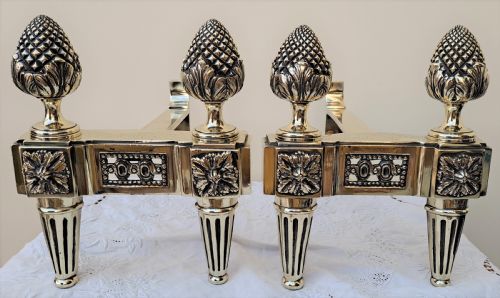
The pieces appearing on this page span several distinct forms, including table lamps, box caddies, and architectural fireplace elements like andirons. Many items incorporate related materials alongside metalwork, connecting the pineapple motif to traditional home furnishing.
Origins and periods represented stretch from the Georgian and Regency eras through the Victorian period and into the early twentieth century. This chronological span offers collectors examples shaped by shifting stylistic preferences across British, French, and international workshops.
Materials and construction
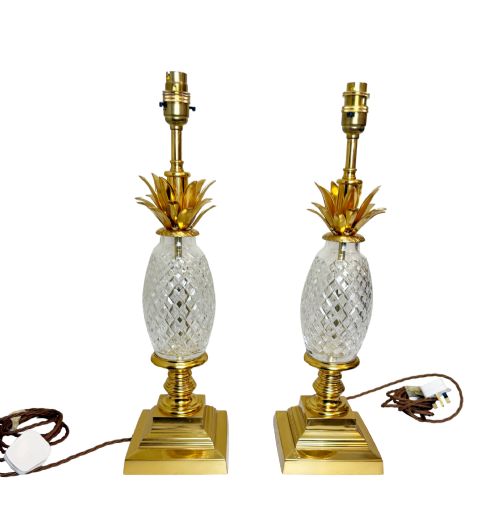
Construction relies heavily on brass and gilt brass, often combined with cut glass or crystal to create textured surfaces that catch the light. Artisans shaped these metals through casting and chiselling to render the scaled skin and leafy crown of the fruit.
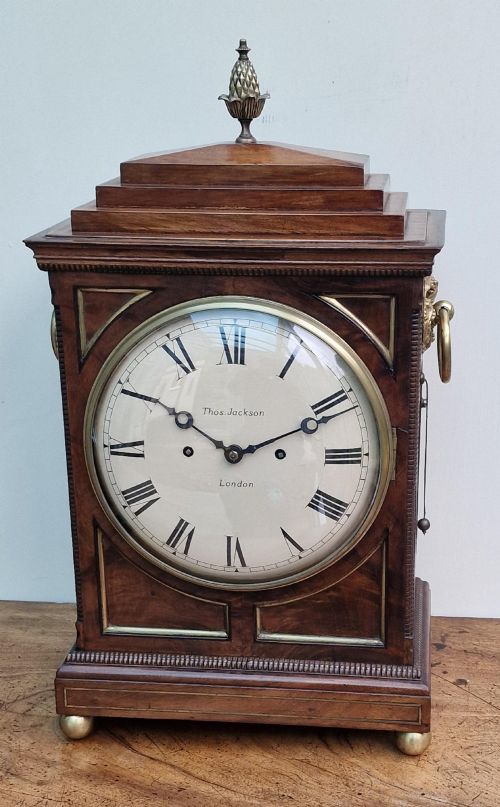
Secondary materials such as mahogany, teak, and ebony appear in associated items like clock cases and storage chests, providing structural support and contrasting tones. Silk and iron also contribute to the assembly of lighting fixtures and fireside accessories.
Brass Pineapple Retail Price Guide 2026
Typical asking prices for brass pineapple among the pieces listed under this phrase on Sellingantiques today, from the lower quarter to the upper quarter. They describe what is for sale here now, not the wider market.
Pineapples were once so prized in Georgian society that hosts would rent real ones simply to display as centerpieces before eating them.
Assessing quality and craftsmanship
Quality in these items is determined by the crispness of the casting and the depth of the hand-chiselling on the metal surfaces. Superior examples show sharply defined facets on the pineapple skin and botanical accuracy in the foliage crown.
The integration of materials also dictates distinction, where heavy gauge brass meets high-grade crystal or carefully turned exotic timbers. Finer specimens maintain structural integrity alongside decorative refinement, reflecting the skill of the original maker.
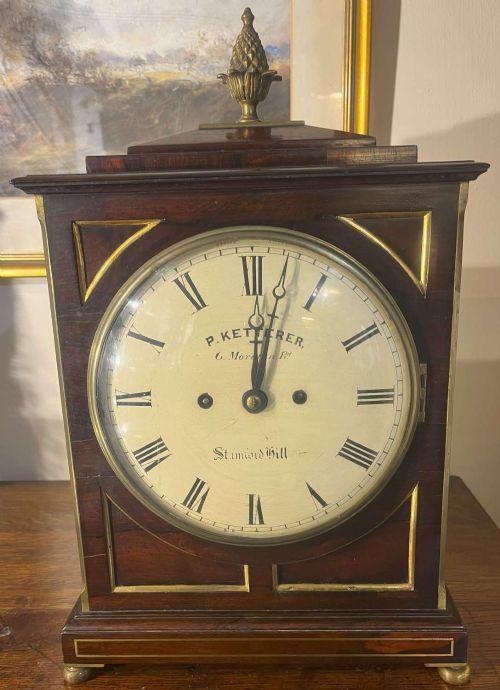
P Ketterer·Charles Pratt London·Thomas Jackson·John Bull of Bedford·Leplastrier of London
The Brass Pineapple Glossary
- Brass
- An alloy of copper and zinc widely used for decorative objects and hardware due to its warm golden hue and malleability. It forms the primary metallic structure for many pineapple-themed items.
- Gilt bronze
- Copper alloy treated with a gold application to produce a lustrous decorative finish. This technique enhances ornamental details on period lamps and luxury items.
- Cut crystal
- High-clarity glass faceted by cutting to maximise light refraction. It frequently pairs with metalwork in period lighting fixtures.
- Bracket clock
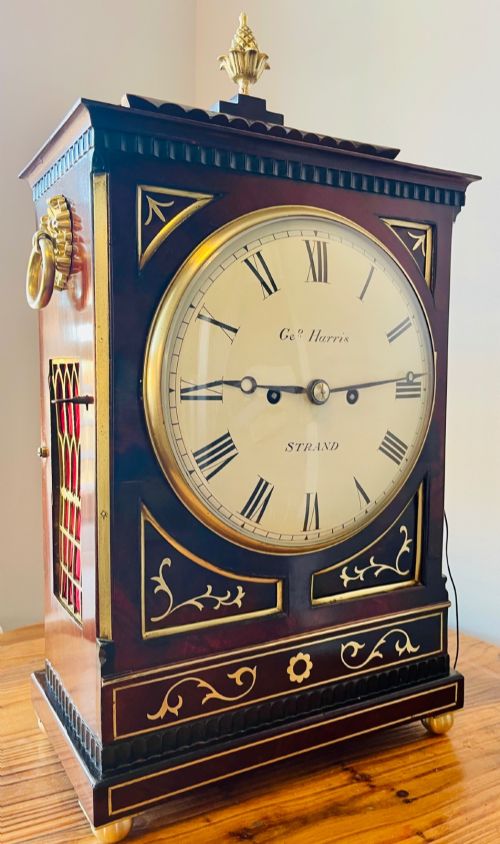
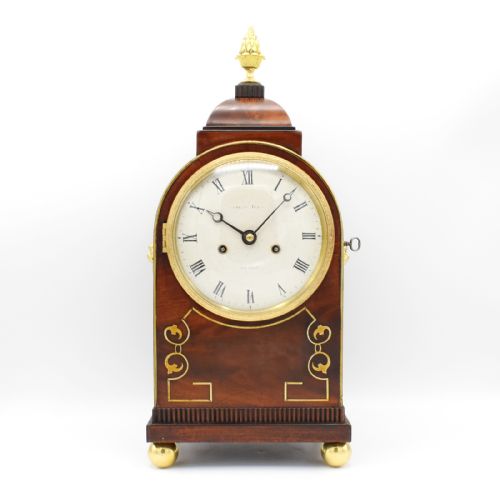
- A portable domestic clock designed to sit on a bracket, table, or mantelpiece. Many examples from the Regency and Georgian periods feature timber cases with brass mounts.
- Andirons
- Horizontal metal supports placed in a hearth to raise logs for better air circulation. Antique pairs often incorporate decorative brass finials including pineapple motifs.
Brass Pineapple: Frequently Asked Questions
What periods do these items originate from?
The pieces span multiple historical eras, including the Georgian, Regency, Victorian, and early twentieth century. Each period imparts distinct stylistic characteristics to the metalwork and associated materials.
Design trends evolved from classical symmetry in the early nineteenth century toward more eclectic decorative expressions in later decades, influencing how the pineapple motif was rendered.
How should I clean brass items?
Maintenance requires gentle dusting and occasional cleaning with appropriate metal care products designed for historical surfaces. Avoid harsh abrasives that can remove patination or gilding.
Preserving the natural age and finish of the metal maintains the historical character and visual depth of the object over time.
Where were these pieces used historically?
Objects featuring this motif served decorative and functional purposes in principal rooms, drawing rooms, and hallways of period homes. Lighting fixtures and mantel clocks occupied central positions in domestic interiors.
Storage caddies and fireside accessories were integrated into daily household routines, combining utility with symbolic hospitality.
What materials accompany the metalwork?
Metal components frequently appear alongside cut crystal, glass, and various hardwoods such as mahogany and teak. These combinations provide textural contrast and structural stability.
Lighting elements may incorporate silk components, while fireside items utilise iron frameworks to withstand high temperatures.