
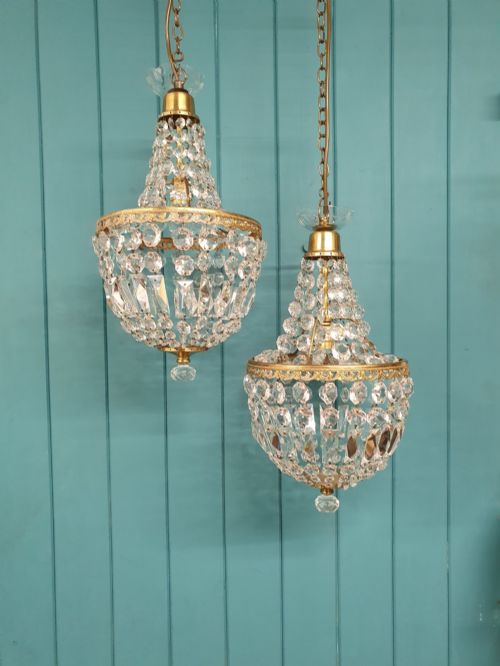
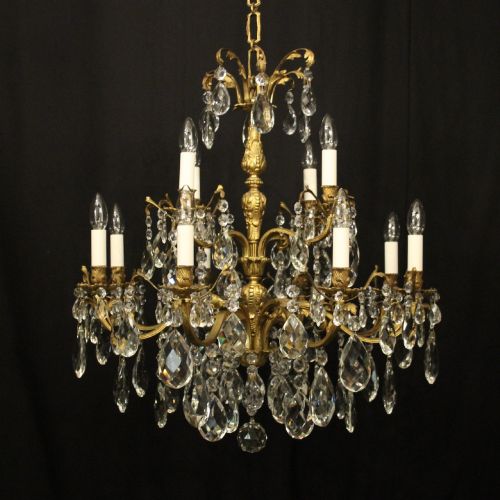
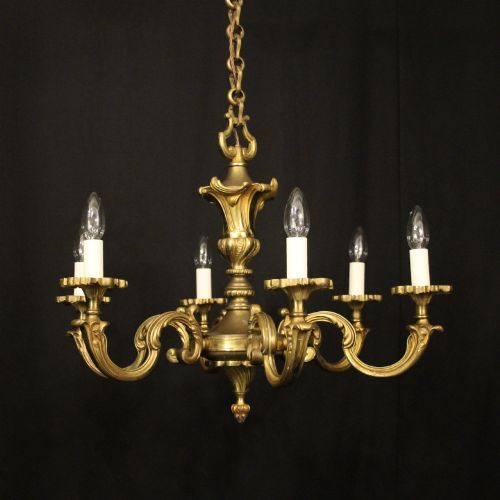
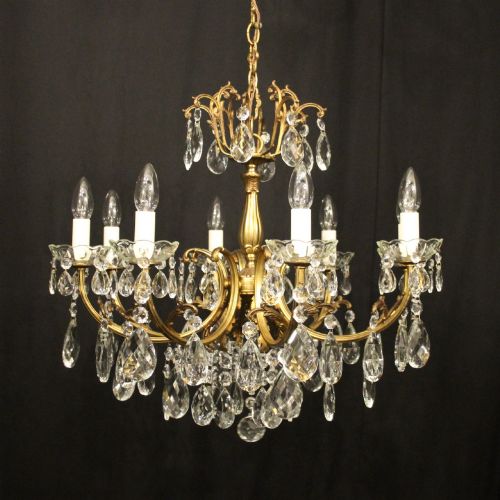
Brass Pendant Fitting
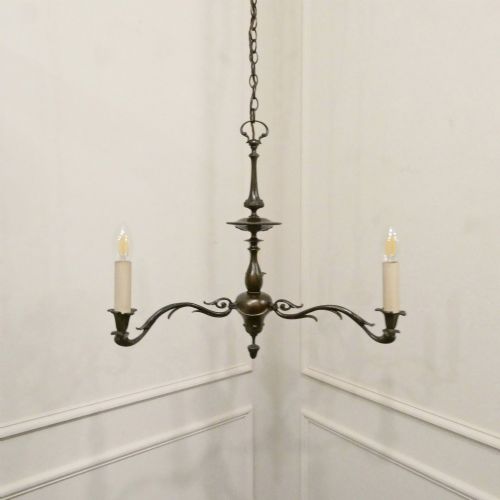
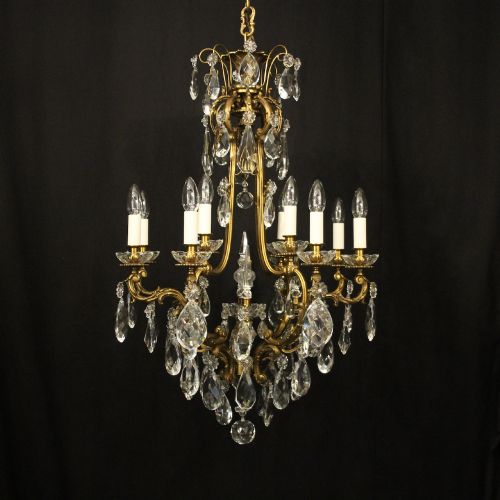
A brass pendant fitting brings historical weight to a ceiling through cast metalwork and glass.
Brass Pendant Fitting
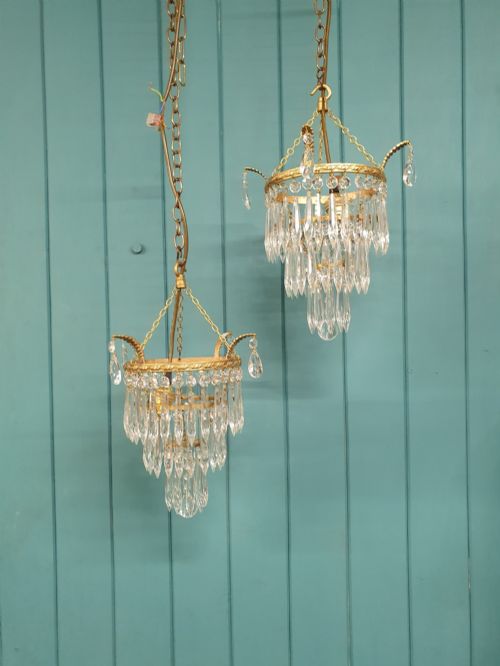
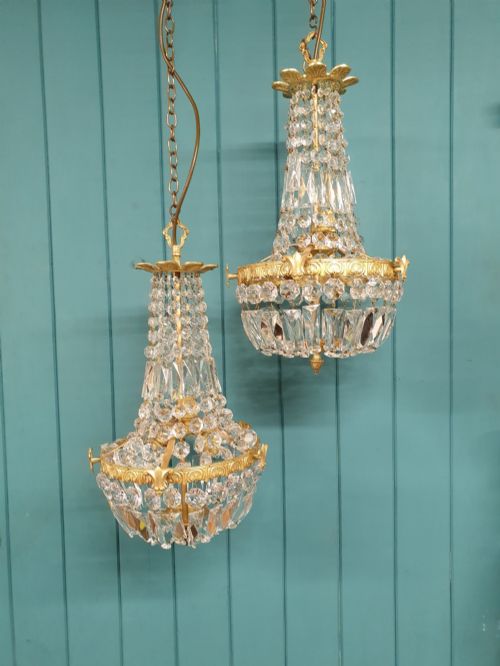
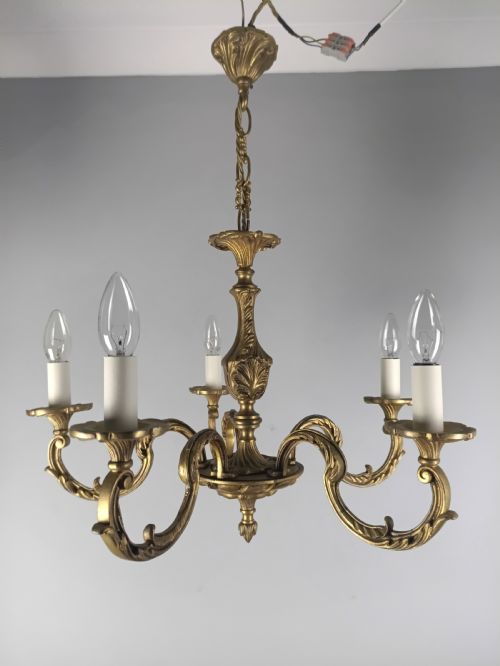
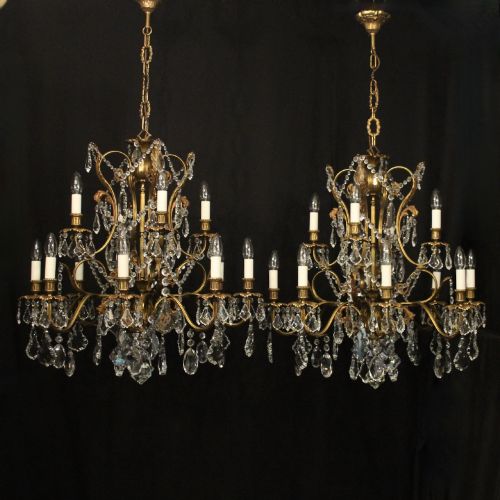
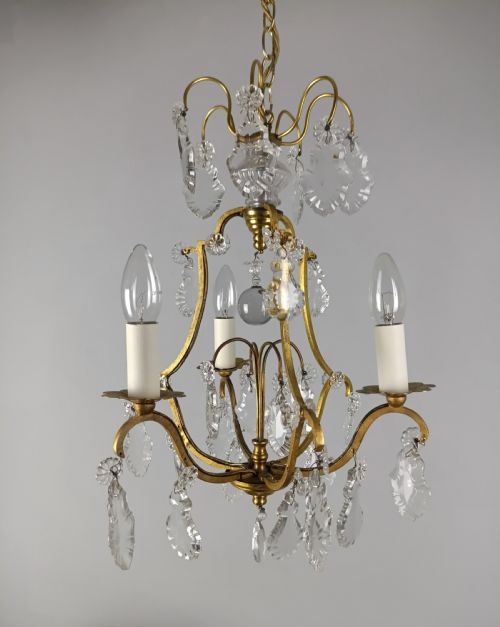
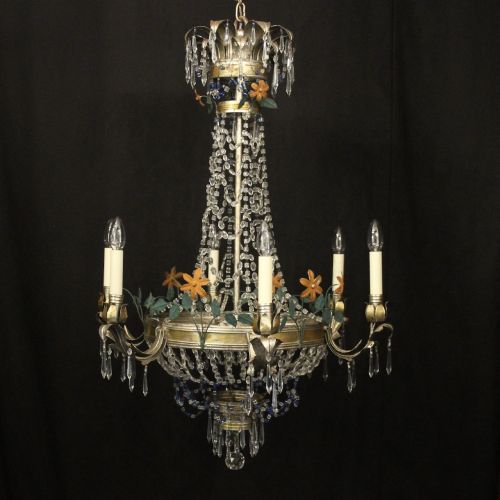
A brass pendant fitting is a ceiling-hung light fixture designed to illuminate a room from above. When you search for this phrase, you encounter chandeliers, ceiling lanterns, and hanging lights that span from the nineteenth century through the art deco period.
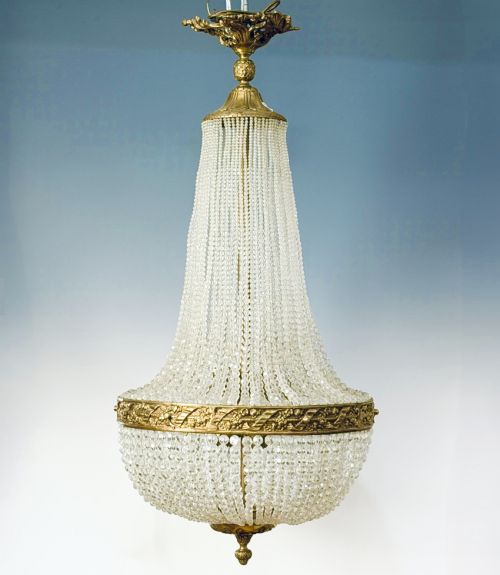
The pieces on this page lean heavily towards French origins, particularly in styles such as French Empire, Rococo, and Neoclassical. Alongside these, you find English and Italian examples ranging from simple three-arm lights to multi-tier crystal arrangements.
Most items date from the early decades of the twentieth century, including Edwardian designs and pieces from the nineteen-twenties and thirties. Industrial and Arts and Crafts examples also appear, showing simpler lines and local municipal provenance.
How they were made
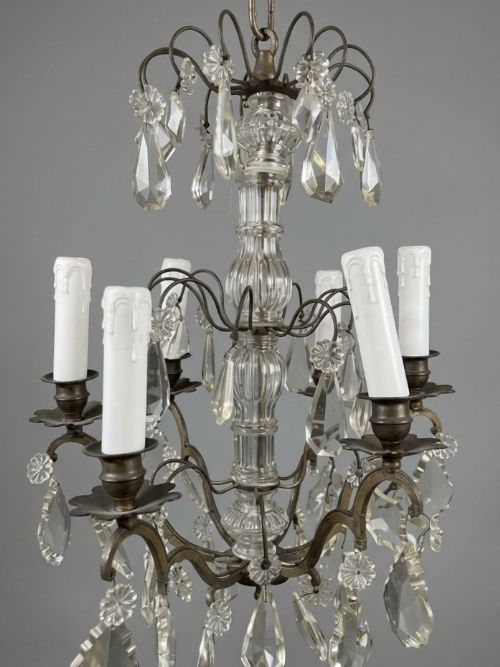
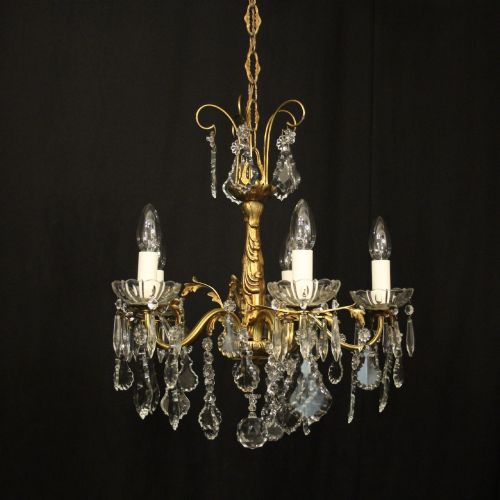
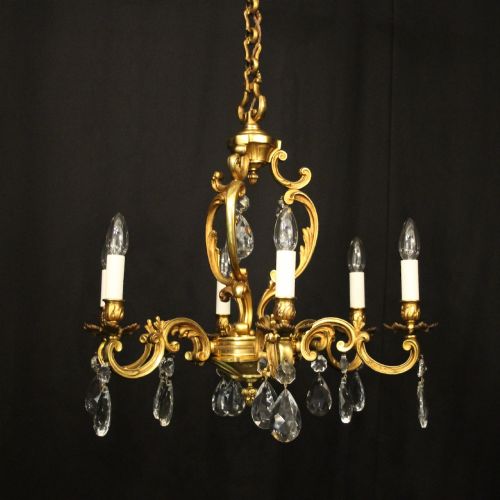
Makers constructed these fittings primarily from cast or pressed brass, bronze, and ormolu, often applying gilt finishes to enhance the metallic lustre. Metal components were shaped into arms, frames, and ceiling plates to support the overall structure.
Workers integrated cut glass, crystal drops, and leaded panes into the metal frameworks to diffuse light. Porcelain flowers, ceramic elements, and ebonised details supplemented the primary metal and glass construction in specific decorative styles.
Listings feature brass, bronze, gilt bronze, and ormolu paired with cut glass and crystal across Edwardian, Art Deco, and nineteenth-century periods.
What varies in quality
Quality depends on the crispness of the casting in the brass or bronze work and the precision of the cut glass drops. Finer pieces display sharply defined ornamentation and heavier gauge metal that holds its structural integrity across multiple arms.
The integration of materials dictates the visual depth of the fixture, where hand-cut crystal prisms and well-preserved gilding elevate the piece above simpler utilitarian lighting. Original components and balanced proportions distinguish superior examples.
The Brass Pendant Fitting Glossary
- Ormolu
- A gilded bronze technique used extensively in French decorative lighting to provide a rich golden surface finish. It involves applying an amalgam of gold and mercury to bronze.
- Tent and waterfall
- A specific configuration of crystal drops where upper strings form a triangular tent shape that cascades down into a wider bowl or tier of pendants. This arrangement maximises light refraction.
- Plafoniere
- A ceiling-mounted light fixture that sits relatively flat against the ceiling surface rather than hanging on a long chain. These often incorporate brass frames holding moulded or cut glass bowls.
- Gilding
- The application of a thin layer of gold leaf or gold powder to the surface of bronze, brass, or wood. This technique protects the underlying metal while giving it a wealthy appearance.
Brass Pendant Fitting: Frequently Asked Questions
How do I hang a heavy antique chandelier?
Suspension requires fixing directly into ceiling joists or using a substantial metal hook rated for the total weight of the brass and crystal. Professional installation ensures the electrical wiring safely handles the multi-bulb capacity.
Ceiling heights dictate the chain length required to position the fitting at the correct clearance above furniture or floor traffic.
What periods do these light fittings come from?
The available lighting spans from the nineteenth century through the early twentieth century, including Edwardian, Art Deco, and nineteen-thirties designs. Revival styles mimicking earlier French periods also feature prominently.
Stylistic markers help identify the era, such as neoclassical symmetry or the geometric lines typical of the nineteen-twenties.
Can I replace the electrical wiring safely?
Modern electricians can rewire antique brass fittings to meet current safety standards without altering the external metal or glass structure. Rewiring allows older fixtures to accept standard modern lamp holders.
Checking the internal channels ensures new wiring threads securely through the arms and centre column.
How do I clean crystal and brass safely?
Dust glass and crystal components regularly with a soft cloth while they remain suspended, or remove them individually for washing in warm soapy water. Avoid harsh chemical cleaners on gilt or ormolu surfaces to preserve the original finish.
Brass benefits from gentle dusting and occasional specialist metal care depending on the desired level of shine.