

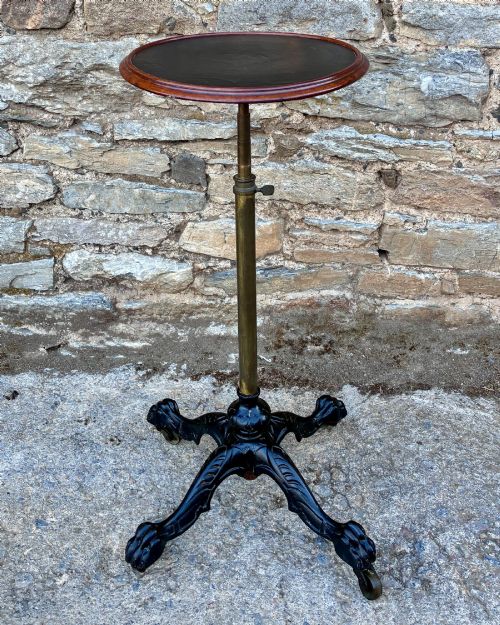
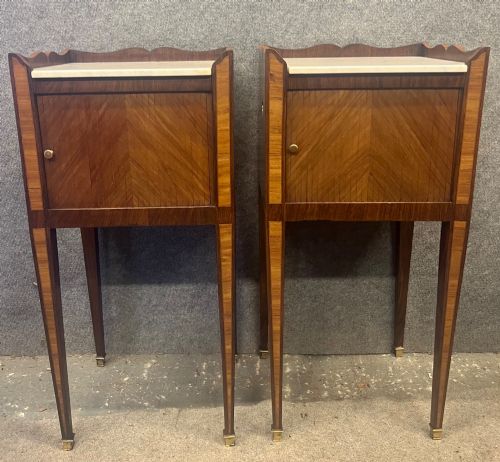
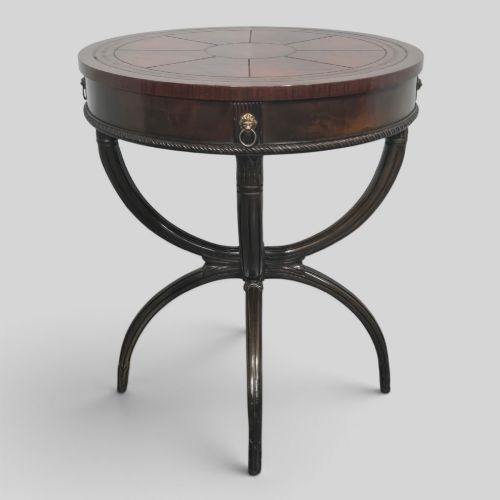
Brass Pedestal Side Table
A brass pedestal side table brings structural metalwork and polished timber together to anchor a room.
Brass Pedestal Side Table
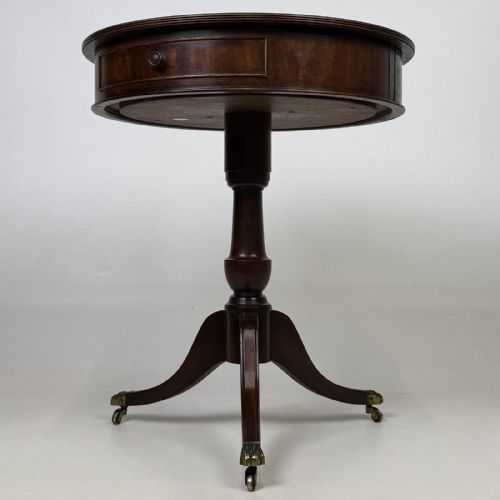
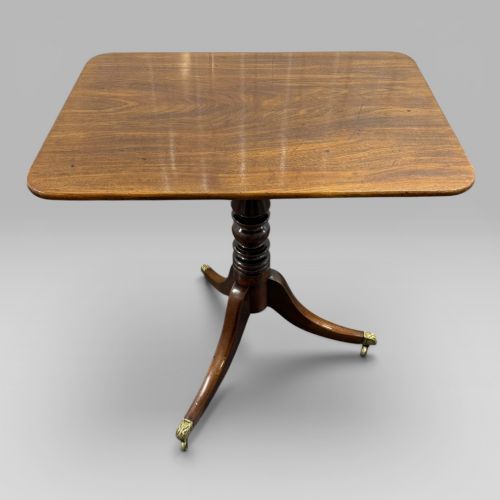
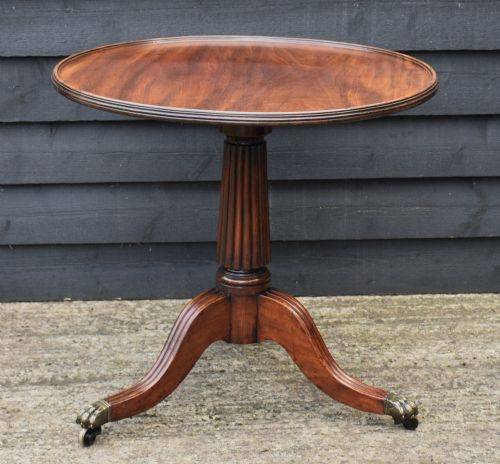
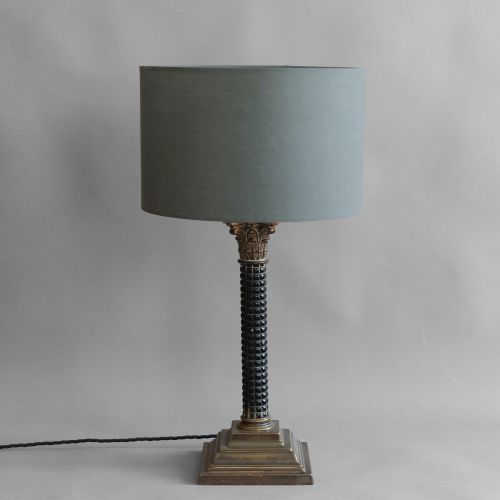
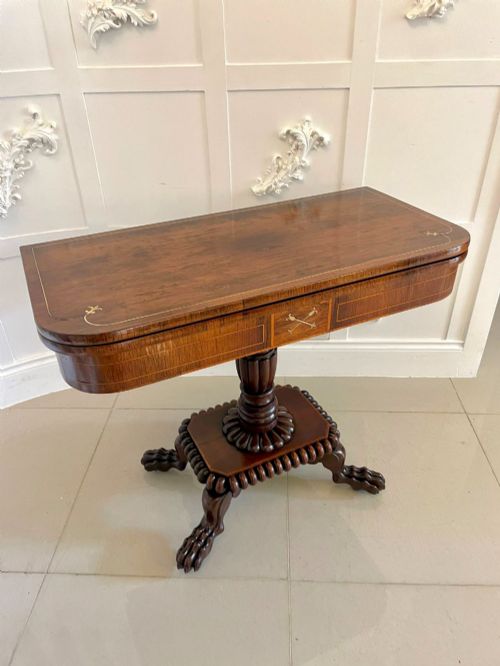
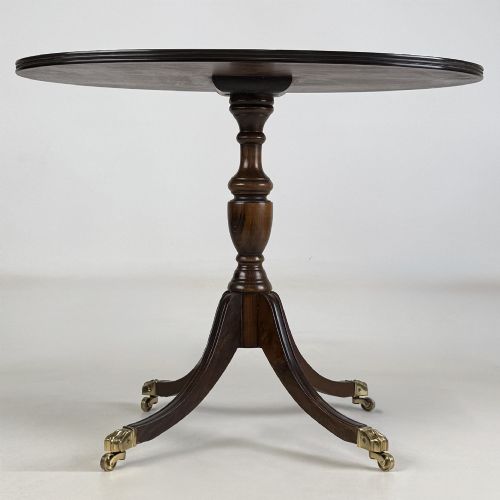
A brass pedestal side table combines a central metal column or support with a timber, marble, or glass top, serving as an occasional surface for lamps, books, or displays. The phrase covers a broad range of forms, from compact lamp and plant stands to larger tilt-top, card, and occasional tables.
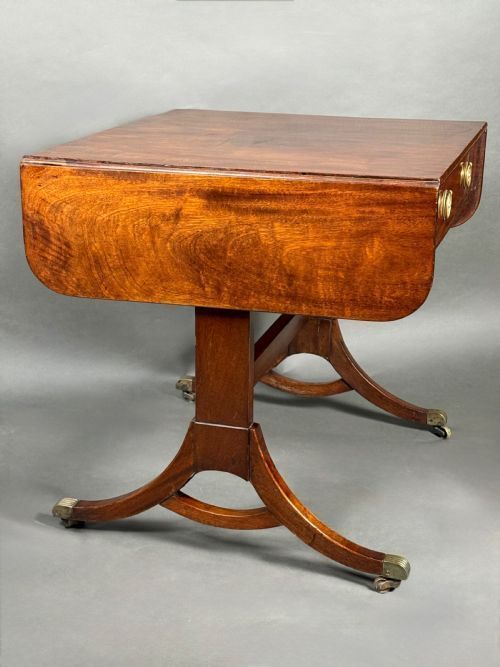
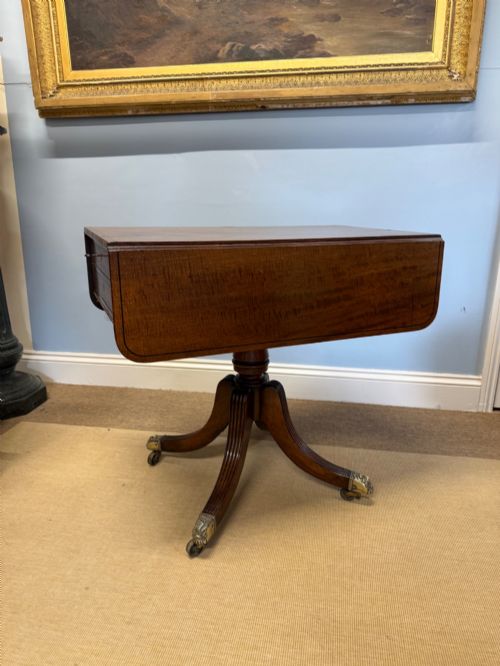
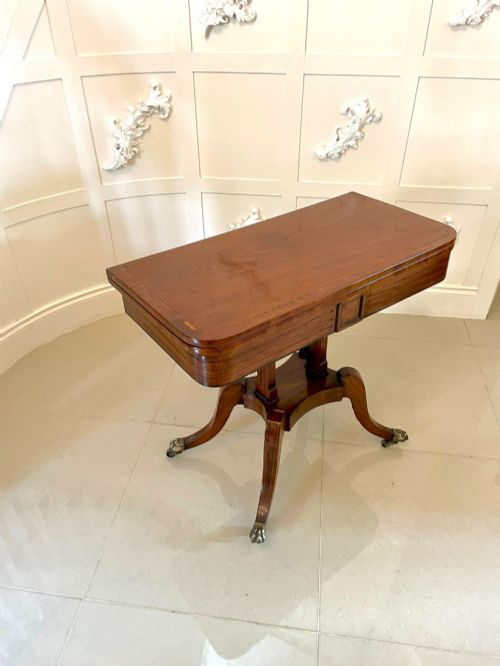
The versions most frequently met on this page date from the nineteenth century and the Regency period, though later twentieth-century interpretations also appear. These pieces often feature timber bases accented with brass inlay, mounts, or casters, or comprise fully metallic pedestals paired with stone or glass tops.
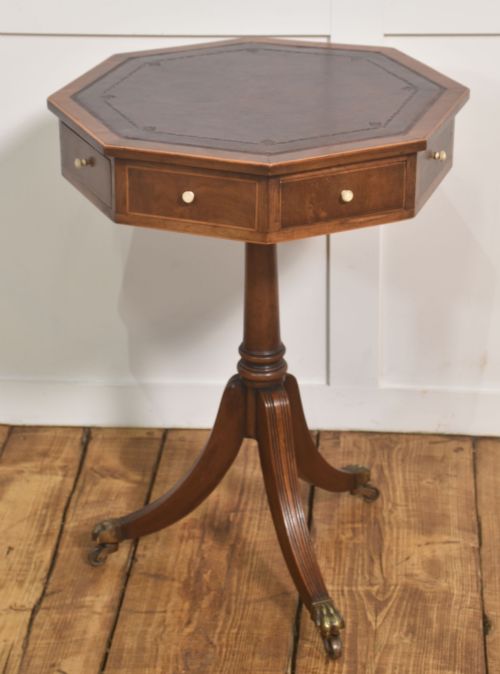
Makers and designers drew upon Georgian, Victorian, French Empire, and Regency styles, resulting in tables that range from austere geometric drums to heavily ornamented revival pieces. Such variety means buyers encounter everything from simple tripod occasional tables to elaborate French Rococo designs.
Materials and construction
Makers utilised dense hardwoods such as mahogany, rosewood, walnut, and burr oak for the primary structures, often finishing surfaces with polished veneer or detailed brass stringing and inlay. Ormolu and cast brass mounts provided decorative contrast against the dark grains of the timber.
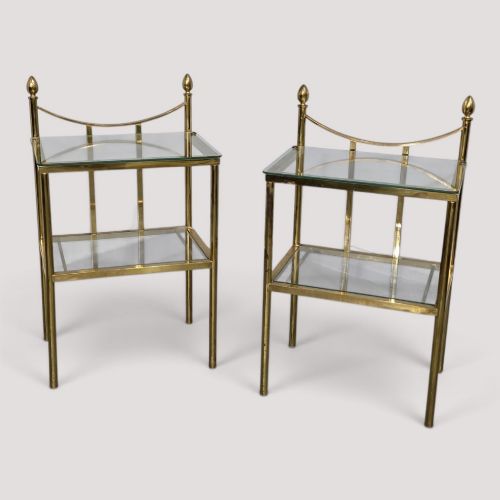
Stone and glass frequently formed the upper surfaces, particularly in French Empire and twentieth-century examples where rouge marble, onyx, or mirror glass met cast or chiseled brass pedestals. Metal components were cast, chased, or worked into openwork patterns before being fixed to central columns.
Support mechanisms required precise engineering, particularly for tilt-top tables, drop-flap Pembroke designs, and adjustable display stands. Central pillars often terminated in tripod or quatrefoil feet fitted with brass casters to ensure stability.
Some tables double as chess boards, proving that past owners took their parlor games very seriously indeed.
Distinctions in quality
Quality rests upon the crispness of the brass casting and the precision of any metal inlay set into the timber. Superior examples display sharply defined ormolu mounts and finely chased details rather than soft, mass-produced edges.
The choice and execution of the primary materials dictate the tier of the piece, with figured mahogany, rosewood, and genuine marble tops representing higher standards of manufacture. Joinery in the pedestal and undercarriage must remain rigid to support the weight of stone or heavy timber tops without wobble.
François Linke·George Bullock·A Hugnet Paris
The Brass Pedestal Side Table Glossary
- Ormolu
- Gilded bronze used for decorative mounts on furniture. It provides a bright metallic accent against dark woods.
- Tilt-top table
- A table with a mechanism allowing the surface to pivot to a vertical position when not in use. This allowed the piece to be stored against a wall.
- Gueridon
- A small French occasional table supported by a central column or figures. They frequently feature marble tops and brass detailing.
- Cairoware
- Metalwork featuring intricate silver, copper, and white-metal inlay on a brass ground. Pieces often originate from the late nineteenth or early twentieth century.
- Pembroke table
- A small rectangular table with hinged drop flaps on either side. It typically includes a single drawer and slender legs.
Brass Pedestal Side Table: Frequently Asked Questions
What is a brass pedestal side table used for?
These pieces serve primarily as occasional surfaces for lamps, drinks, or decorative items within sitting rooms and bedrooms. Their compact footprints allow them to sit beside seating or in corners where larger furniture would not fit.
Historically, specific variations fulfilled designated domestic roles, such as holding tea service or displaying small objets d'art. Today, they function both as practical umbrella stands or lamp bases and as decorative focal points.
How do I identify a Regency period table?
Regency tables generally display classic architectural proportions, dark figured mahogany or rosewood timbers, and restrained brass inlay or stringing. Tripod bases and pillar supports are common structural elements from this era.
Examining the construction methods beneath the top helps confirm the era, looking for hand-cut dovetails and traditional fixings. Ormolu mounts and sabots on the feet also point toward the refined tastes of the early nineteenth century.
Can I use a marble top table daily?
Stone surfaces provide a durable platform for everyday items like cups and reading materials, provided coasters are utilised. Marble resists heat well but remains susceptible to acids found in citrus and wine.
Wiping the surface with a damp cloth maintains the polish without harming the stone. The underlying brass pedestal requires only occasional dusting to keep the metal bright.
How do French Empire and English Regency styles differ?
French Empire pieces rely heavily on cast ormolu mounts, architectural symmetry, and contrasting stones like rouge marble. The visual weight often centres on bold metallic ornamentation against dark mahogany.
English Regency design tends to emphasise the natural grain of rosewood and mahogany, using fine brass stringing and geometric inlay rather than heavy metal sculpture. Proportions remain slender, prioritizing linear elegance over monumental presence.