
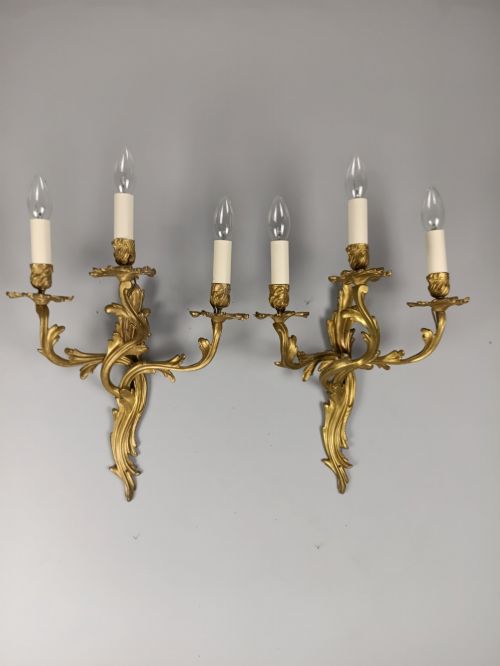


Brass Ormolu Lamp Pair
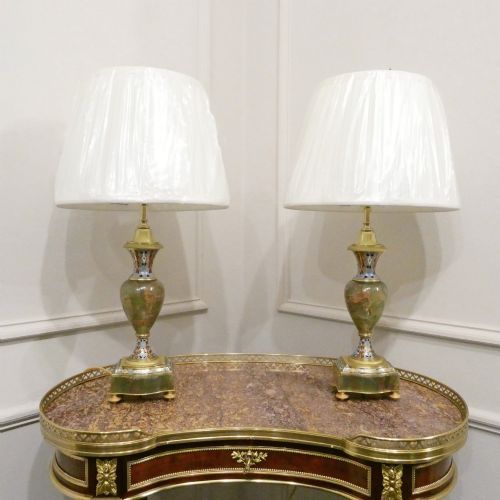
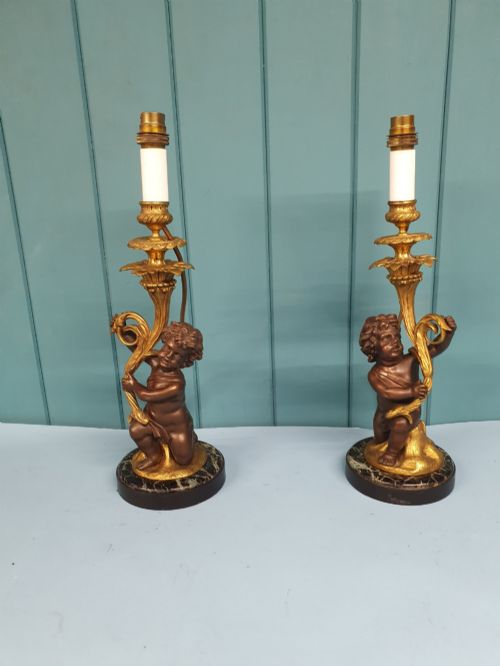
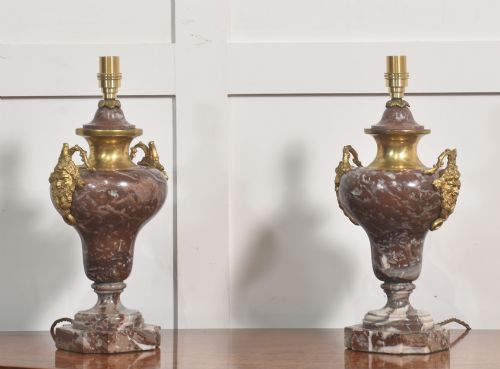
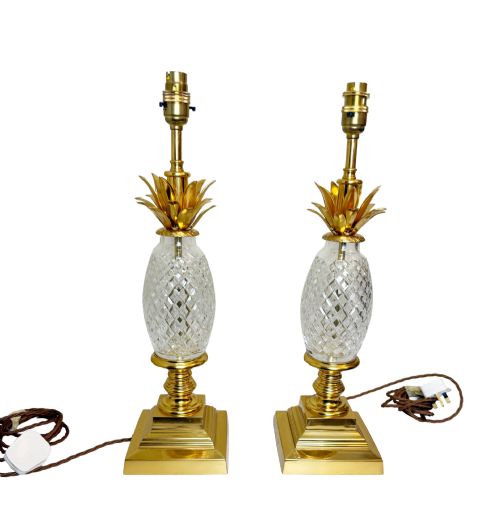
A brass ormolu lamp pair brings heavy French bronze, marble, and crystal into a room with matched symmetry.
Brass Ormolu Lamp Pair
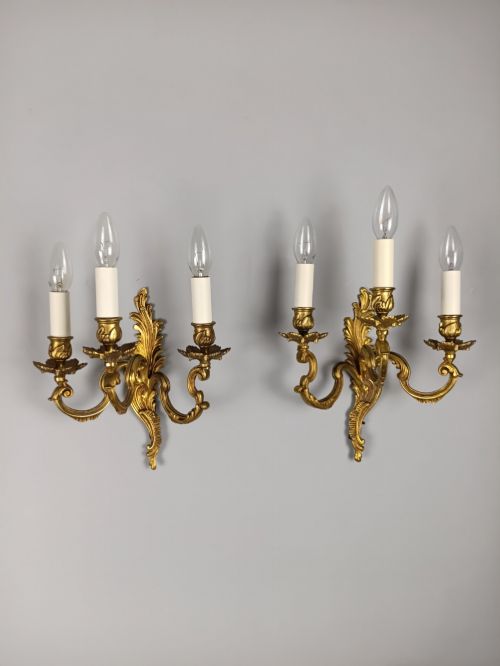
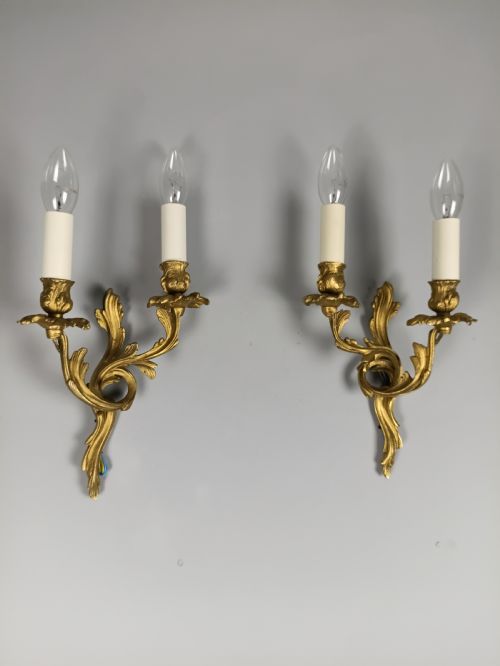
A brass ormolu lamp pair consists of matched lighting fixtures produced primarily in nineteenth and early twentieth century France. Buyers searching for a brass ormolu lamp pair typically encounter table lamps and wall sconces combining gilded metal with contrasting elements. These pieces draw heavily on Neoclassical, Empire, and Rococo design traditions.
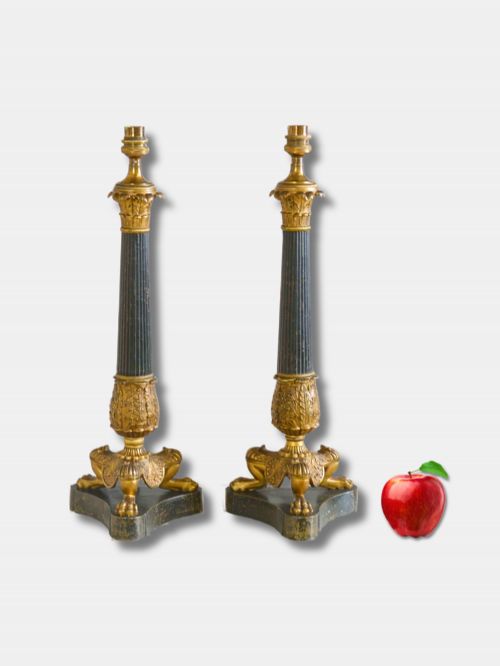
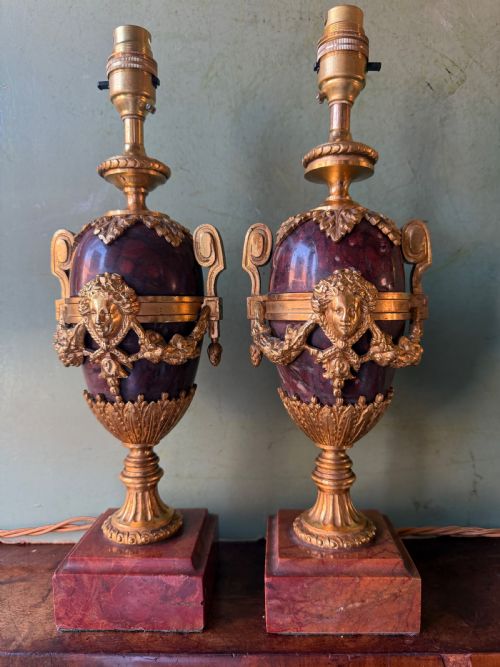
The most common formats on this page combine cast bronze or brass with rouge marble, Siena marble, or painted porcelain. Many examples started life as candlesticks or cassolettes before conversion into electrified lamps. They appear most frequently as symmetrical pairs intended for mantelpieces, side tables, or flanking mirrors.
How they were made
Makers cast bronze, brass, and gilt metal components using traditional foundry methods before applying mercury gilding or modern electroplating to achieve the characteristic ormolu finish. Artisans combined these metallic mounts with turned marble columns, hand-painted porcelain bodies, and cut crystal lustres. Structural stability depended on threaded central rods holding heavy stone bases and metal mounts tightly together.
Wiring and electrical components represent later adaptations, as these fixtures originated during the oil and candle eras. Original fabric shades rarely survive, leaving modern mountings to carry contemporary pleated or silk covers. Stonework and porcelain elements often feature hand-chased brass collars securing the joints.
Listings feature table lamps, wall sconces, and side tables utilising ormolu, brass, marble, porcelain, and crystal across French Neoclassical, Empire, and Rococo styles.
What varies in quality
Quality rests in the crispness of the chased metalwork and the depth of the fire gilding. Superior examples display sharply defined acanthus leaves, cherubs, or lion paw feet without softening from worn moulds. The weight and selection of the underlying marble or porcelain body also separate standard production from exceptional studio output.
Matched symmetry dictates value in a pair, where identical height, patina, and casting detail matter immensely. Lesser items show discrepancies in the mounting alignment or mismatched components assembled during later restorations.
The Brass Ormolu Lamp Pair Glossary
- Ormolu
- Gilded bronze or brass, typically created through mercury amalgamation or later electroplating techniques. This golden surface treatment protects the base metal from tarnishing while providing a rich decorative sheen.
- Cassolette
- A decorative vase or vessel featuring a reversible lid, often converted into a lamp base during the nineteenth century. These pieces frequently incorporate marble bodies with ornate gilt bronze mounts.
- Champlevé
- An enamelling technique where troughs are carved into the metal surface and filled with vitreous paste before firing. This colourful decoration often appears alongside brass and ormolu mounts on Victorian and Edwardian pieces.
- Pâte sur pâte
- A porcelain manufacturing method where liquid white clay is painted in successive layers onto a coloured ceramic body to create a low relief cameo effect. These panels frequently serve as the central columns for luxury lamps.
- Regency
- An English design period spanning the early nineteenth century defined by classical restraint and archaeological revival motifs. Pieces from this era often integrate dark patinated bronze with bright ormolu accents.
Brass Ormolu Lamp Pair: Frequently Asked Questions
How do I wire an old lamp safely?
Rewiring requires threading modern heat-resistant flex through the original central channels without damaging the historical metal or stone structure. Professional electricians should handle these conversions to ensure earth continuity across metal bodies.
Original brass lamp holders are often replaced with certified modern fittings while preserving the exterior antique components untouched. Felt pads added underneath protect delicate marble bases from scratching furniture surfaces.
What periods do these lamps come from?
The inventory spans the nineteenth century through the early twentieth century, encompassing Regency, Victorian, and Edwardian production eras. French workshops dominate the selection, producing items styled after earlier Louis XVI and Empire reigns.
Later Edwardian and Art Deco interpretations appear alongside genuine nineteenth-century castings. Dating relies on stylistic cues, mounting construction, and the type of marble or porcelain integrated into the design.
Can I polish ormolu metal safely?
Ormolu surfaces require minimal intervention beyond gentle dusting with a soft dry cloth to prevent abrasion of the thin gold layer. Aggressive metal cleaners strip away the remaining gilding and expose the base brass or bronze underneath.
Accumulated dust in deep recesses is best cleared using a soft artist brush. Professional conservation methods should be consulted for heavily tarnished or structurally compromised metalwork.
Why are some lamps converted candlesticks?
Many nineteenth-century lighting pieces began as oil lamps, candelabra, or candlesticks before electrification became standard in homes. Workshops adapted these high-status decorative objects by drilling through bases or running external cords.
This conversion practice preserves the sculptural quality of antique bronze and porcelain bodies within a functional modern lighting format. Matching pairs frequently demonstrate minor drilling variations due to individual workshop adaptations.