

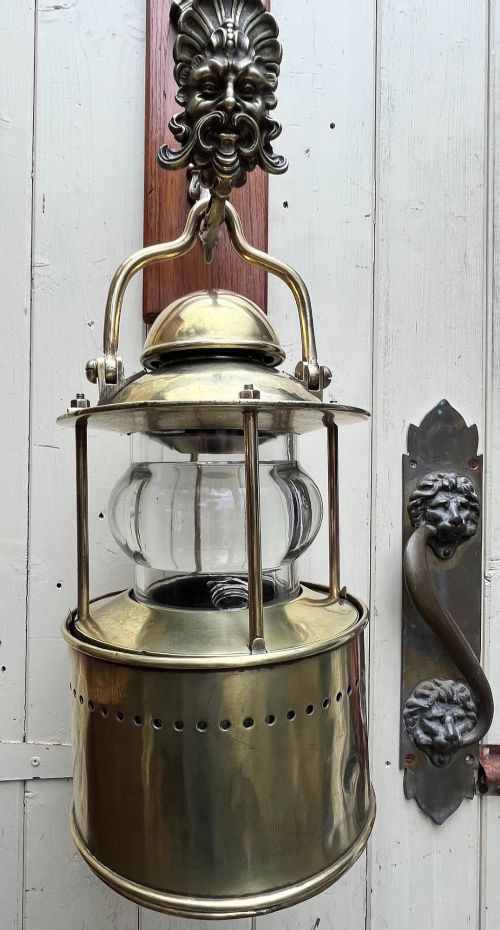
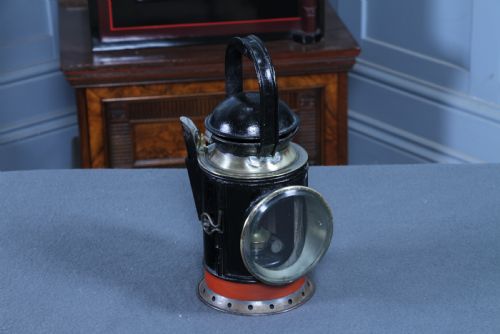


Brass Oil Lantern
A brass oil lantern brings practical history into a modern room, offering warm light through enduring metal and glass construction.
Brass Oil Lantern
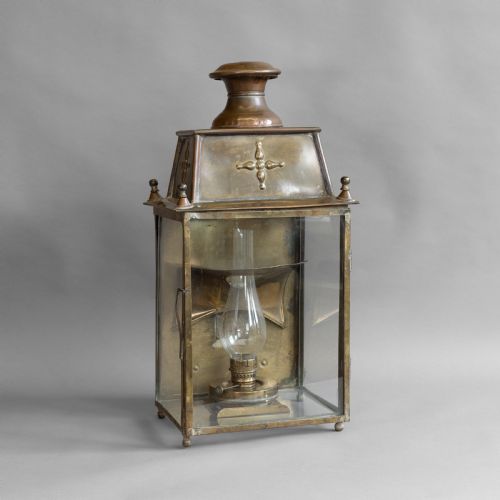
A brass oil lantern is a utilitarian lighting fixture designed to burn liquid fuel safely, combining functional metalwork with glass components. When searching for a brass oil lantern, buyers encounter domestic table lamps, hanging parlor lights, and rugged transport markers used across railways and ships.
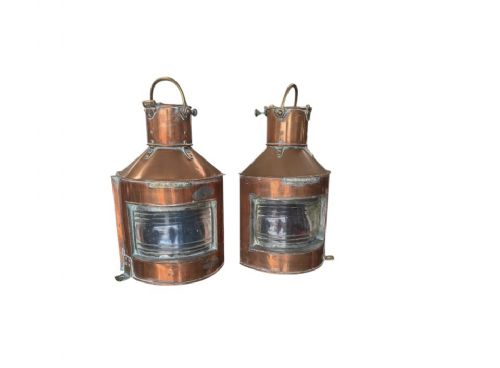
The pieces available span the Victorian and Edwardian eras through to the mid-twentieth century, capturing both domestic elegance and industrial utility. Maritime and railway examples in copper, brass, and painted steel reflect the practical demands of their original working environments.
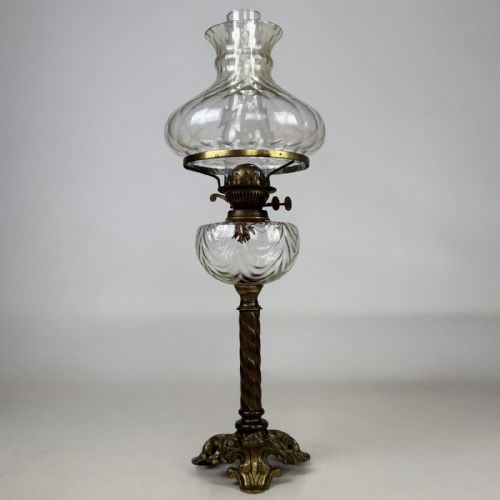
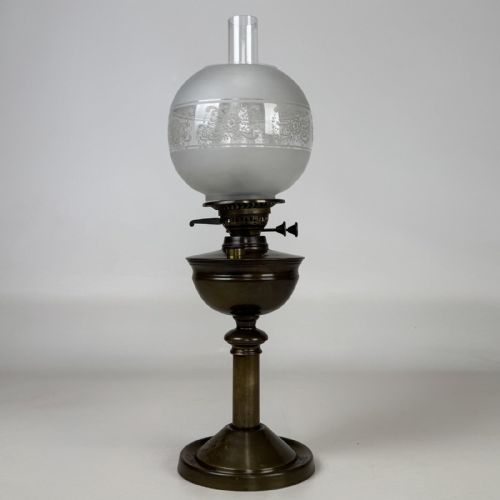
Domestic variants often feature decorative ceramic or milk glass fonts paired with burners, whilst transport lanterns emphasise heavy-gauge brass and iron frames built to withstand vibration and weather. Each object demonstrates the transition from household paraffin lighting to specialised industrial signaling devices.
Materials and Construction
Makers utilised spun or cast brass and copper for bodies and fonts, providing corrosion resistance and a stable weight. Iron and painted steel reinforced structural elements on railway and ship variants where durability took precedence over interior ornament.
Blown and moulded glass formed the protective chimneys, shades, and coloured lenses necessary to shelter flames and direct light. Specialised burners, such as those by Hinks, regulated the wick and air supply to ensure a steady, smokeless flame.
Brass Oil Lantern Retail Price Guide 2026
Typical asking prices for brass oil lantern among the pieces listed under this phrase on Sellingantiques today, from the lower quarter to the upper quarter. They describe what is for sale here now, not the wider market.
Materials across the selection range from polished brass and copper to milk glass, ceramic fonts, and painted steel.
Judging Quality and Craftsmanship
Quality rests upon the heaviness of the metal gauge and the integrity of the structural joints, distinguishing robust workshop output from lighter decorative pieces. Superior examples retain original burners, undamaged glass components, and legible manufacturer stamps.
The refinement of surface finishing and the precision of mechanical parts, such as adjustable galleries and mounting brackets, indicate higher manufacturing standards. Pieces that preserve their original patination and operational fittings command greater interest among collectors.
Eli Griffiths & Sons·Alderson & Gyde Ltd·Hinks
The Brass Oil Lantern Glossary
- Font
- The lower reservoir that holds the paraffin or oil. It is frequently made of glass, ceramic, or brass.
- Burner
- The mechanical assembly mounted atop the font that controls the wick and flame. Makers like Hinks produced notable examples.
- Chimney
- A tall glass cylinder placed over the burner to steady the draft and protect the flame from drafts.
- Port and Starboard
- Nautical terms designating the left and right sides of a vessel, traditionally marked by red and green lenses on marine lanterns.
- Paraffin
- The refined petroleum fuel commonly burned in late nineteenth and early twentieth-century domestic lamps.
Brass Oil Lantern: Frequently Asked Questions
How do I clean brass and copper safely?
Use a soft cloth and mild soapy water to remove dust and surface grime without disturbing the historic patination. Avoid abrasive metal polishes that strip away the aged character accumulated over decades of service.
Dry the metal thoroughly after cleaning to prevent water spots, particularly around riveted joints and iron brackets. Gentle micro-wax can be applied to protect the surface from tarnishing further.
How do I date a railway or ship lantern?
Examine the piece for stamped railway company initials, patent dates, or manufacturer touchmarks on the metal collar. Railway pieces often bear specific regional designations like GWR or LNER which narrow their era of use.
Construction methods also aid dating, as heavy cast brass components are more typical of Victorian production, whilst later twentieth-century items incorporate stamped steel and simpler fittings.
Can I hang a wall lantern outdoors?
Original antique lanterns were designed for interior cabins, protected railway carriages, or covered station porticos rather than open exposure to rain. Hanging them outdoors without proper weather sealing will accelerate corrosion on the iron parts and degrade old solder joints.
If you intend to place a piece in a garden or porch, consult a conservator about protective coatings or keep the lantern in a sheltered, dry environment.