

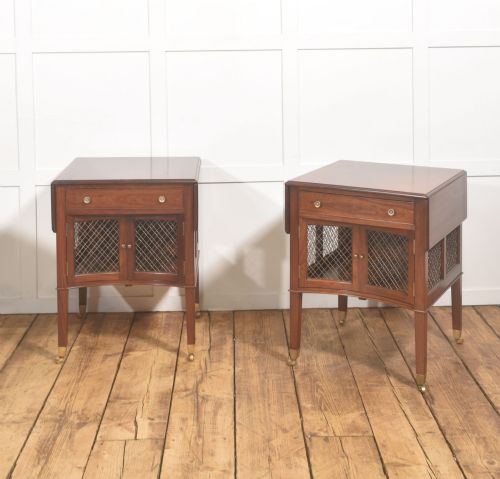
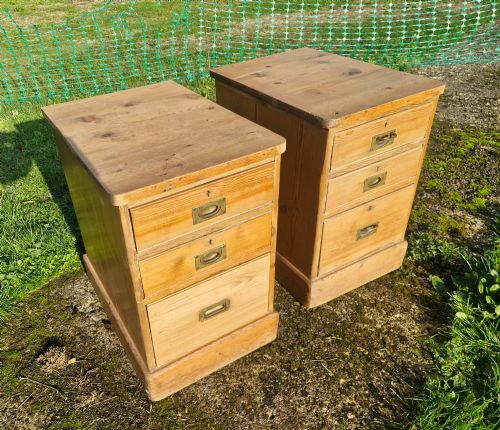
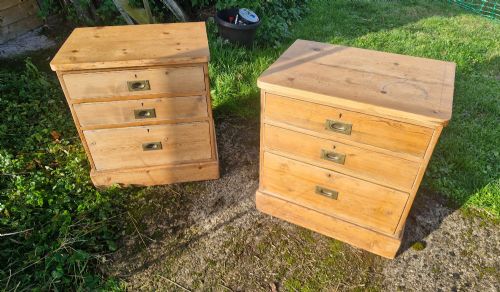
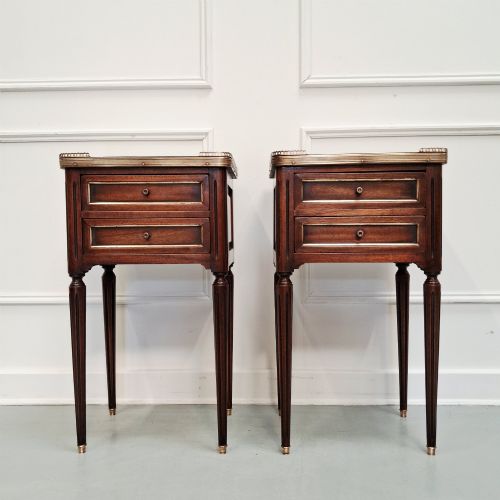
Brass Nightstand Cabinet
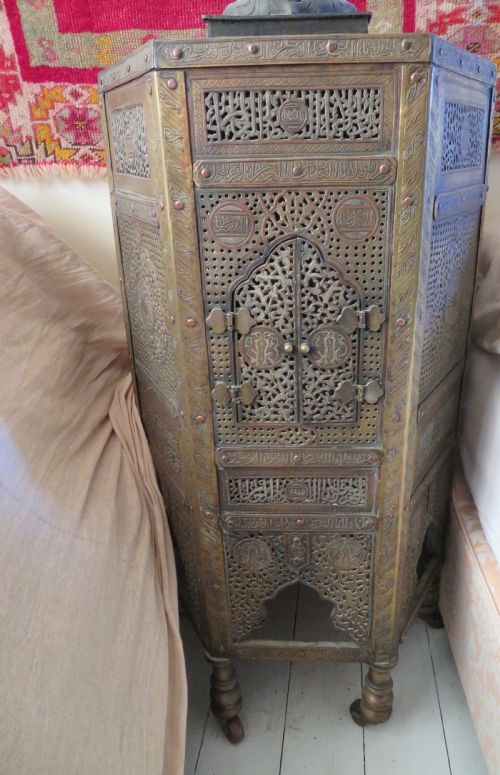
A brass nightstand cabinet brings functional bedside storage together with decorative metalwork across various French and Victorian periods.
Brass Nightstand Cabinet
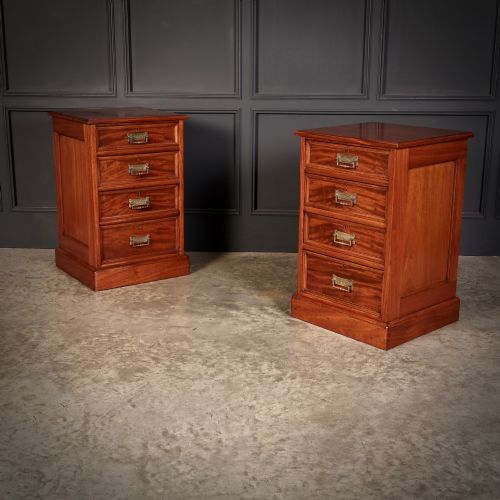
A brass nightstand cabinet is a compact bedside piece designed to hold evening essentials while introducing period character to a bedroom. When searching this phrase, buyers encounter bedside tables, bedside cabinets, and side cabinets originating from the Victorian era through the early twentieth century.
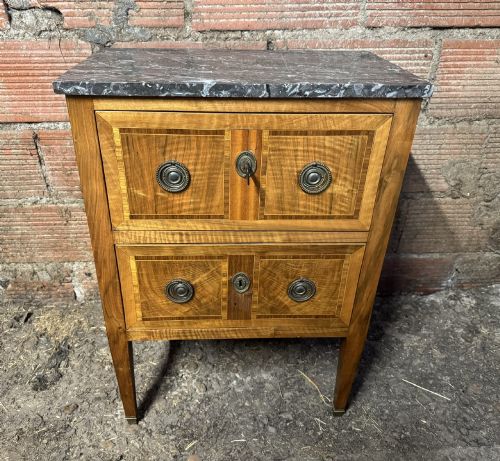
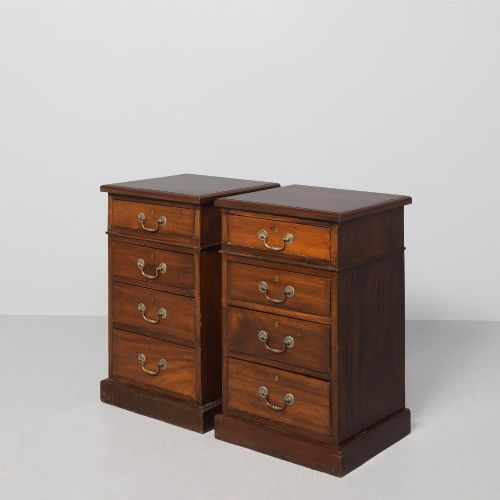
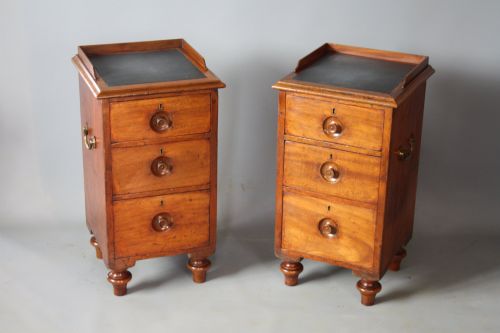
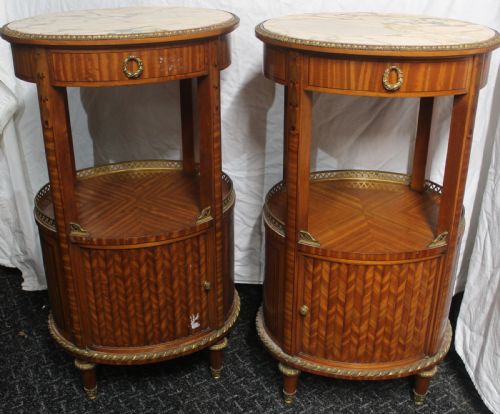
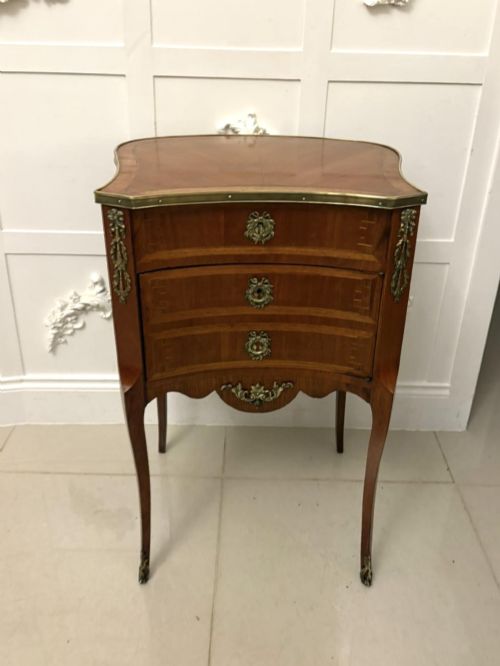
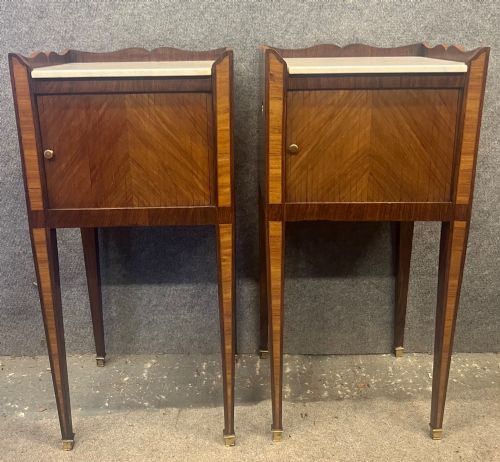
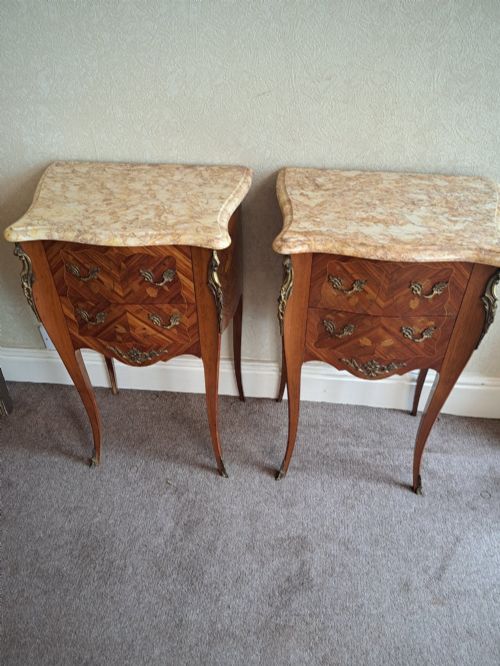
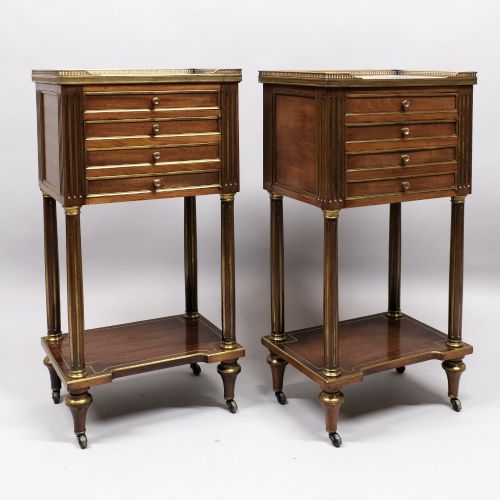
The selection leans heavily toward continental forms, particularly French Louis XV and Louis XVI styles alongside Campaign designs. These pieces appear as single items, matched pairs, or near pairs finished in mahogany, walnut, kingwood, and rosewood.
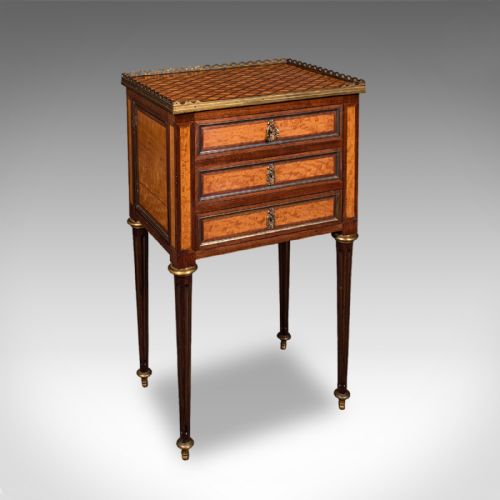
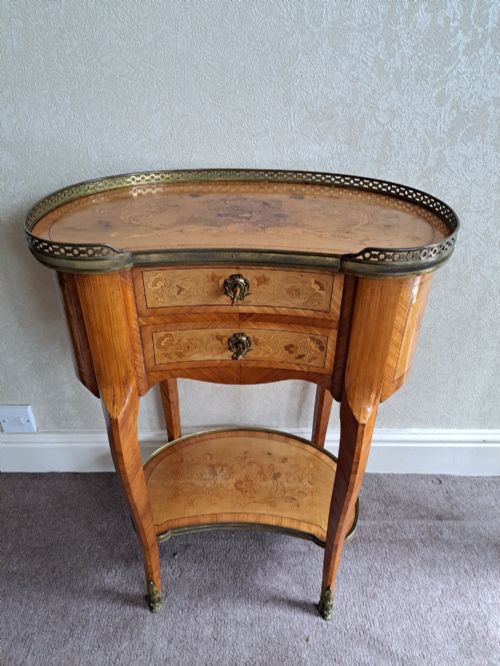
Many incorporate marble tops, marquetry inlay, and brass handles or mounts to elevate their utility into decorative furnishings. They function primarily beside a bed but adapt easily as small side tables in a hallway or sitting room.
How they were made
Cabinet makers utilised dense hardwoods including mahogany, walnut, and exotic veneers such as kingwood and rosewood over sturdy carcases. These woods provided a stable canvas for detailed marquetry patterns and contrasting stringing.
Cast brass mounts, ormolu details, and brass handles were secured to the exterior to accent corners, drawer pulls, and gallery rails. Selected pieces incorporated white marble slabs fitted neatly to the top surface for durability.
Joinery relied on traditional techniques suited to small furniture, allowing cabinets to withstand daily bedside use while maintaining precise geometric lines and door alignments.
Brass Nightstand Cabinet Retail Price Guide 2026
Typical asking prices for brass nightstand cabinet among the pieces listed under this phrase on Sellingantiques today, from the lower quarter to the upper quarter. They describe what is for sale here now, not the wider market.
Some nineteenth century French cabinets hid chamber pots behind clever cupboard doors disguised as stacks of decorative drawers.
What varies in quality
The refinement of the surface marquetry and the crispness of the brass castings distinguish standard examples from finer workshops. Superior pieces display intricate floral or geometric wood veneers that align seamlessly across drawers and doors.
The integration of materials determines the overall standard of the piece, particularly where marble tops sit flush against wooden frames or where ormolu mounts are chiselled by hand. Subtleties in proportion and the selection of figured timber elevate certain tables above utilitarian equivalents.
The Brass Nightstand Cabinet Glossary
- Marquetry
- A decorative technique where small pieces of coloured wood veneer are assembled to form pictorial or geometric patterns on a surface.
- Ormolu
- Gilt bronze mounts applied to furniture for decorative enrichment, common in French Empire and Louis styles.
- Campaign
- Portable furniture constructed in sections with brass corners and recessed handles for military transport.
- Kingwood
- A dense, richly grained tropical timber utilised extensively for high-end French cabinet making.
- Chevet
- A French term for a small bedside table or cabinet designed to sit adjacent to a bed.
Brass Nightstand Cabinet: Frequently Asked Questions
What is a brass nightstand cabinet used for?
These cabinets serve as bedside storage units for books, lamps, and personal items while adding decorative presence to a bedroom.
They also function as small occasional tables or lamp chests in drawing rooms and hallways.
How do I identify a French Louis style cabinet?
Look for curved cabriole legs, delicate marquetry, and symmetrical ormolu mounts characteristic of Louis XV and Louis XVI designs.
These pieces often feature shaped marble tops and subtle wood veneers.
Are these cabinets sold as pairs?
Many listings include matching pairs or near pairs of bedside cabinets intended to flank a bed symmetrically.
Single cabinets also appear frequently for standalone placement.
What woods were used in these cabinets?
Cabinet makers utilised mahogany, walnut, rosewood, and kingwood, frequently enhanced with contrasting wood veneers.
Marble tops and brass hardware complete the primary material palette.
How do I care for a veneer and brass cabinet?
Maintain the wood with a gentle wax polish and avoid placing the cabinet in direct sunlight to protect the veneer.
Dust brass mounts carefully with a dry cloth to preserve their finish.