





Brass Mounted Dressing Desk
A brass mounted dressing desk combines practical writing space with a dressing surface, finished with metal mounts that catch the light.
Brass Mounted Dressing Desk
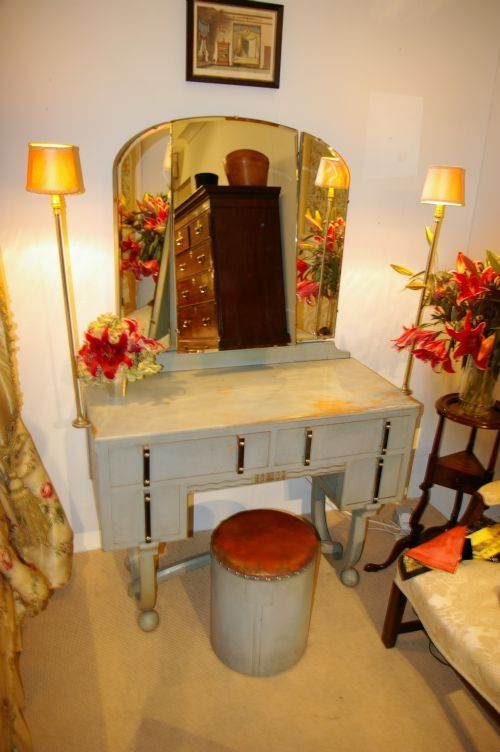
A brass mounted dressing desk serves as both a writing surface and a dressing table, bringing together two distinct domestic functions into one refined piece of furniture. When you search for this phrase, you encounter forms ranging from compact Victorian work tables and poudreuses to substantial Georgian and 18th century examples.
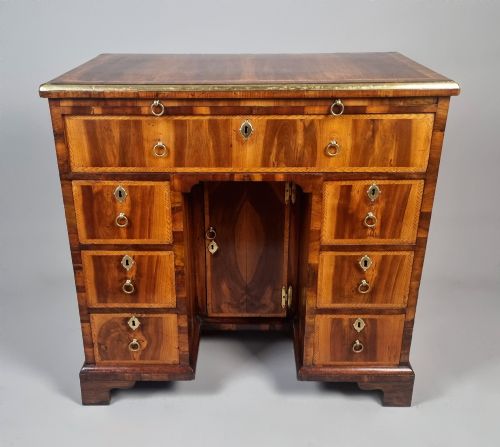
The pieces appearing on this page span several centuries, with particular representation from the Georgian and Victorian eras alongside French revival styles. You will find variations such as campaign dressing chests, rosewood bonheur du jour designs, and mahogany kneehole desks featuring integrated compartments.
Makers utilised various timber foundations to support the characteristic brass mounts, creating versatile furniture intended for bedrooms and private studies alike. The forms vary from straightforward utilitarian writing tables to ornate French provincial and Louis XV revival pieces.
How they were made
Cabinet makers constructed these desks using dense hardwoods such as mahogany, rosewood, walnut, and yew wood, often selecting burr veneers for decorative effect. They incorporated teak and oak for specific functional requirements, particularly in maritime or campaign contexts.
Brass fittings, ormolu accents, and glass components were applied to corners, edges, and handles to protect high-wear areas and provide visual contrast against the dark timber. Parquetry and intricate inlay techniques further enhanced the surfaces of the more decorative examples.
Brass Mounted Dressing Desk Retail Price Guide 2026
Typical asking prices for brass mounted dressing desk among the pieces listed under this phrase on Sellingantiques today, from the lower quarter to the upper quarter. They describe what is for sale here now, not the wider market.
The listings on this page span the eighteenth, nineteenth, and early twentieth centuries, featuring timbers from oak and mahogany to exotic rosewood.
What varies in quality
Quality reveals itself in the crispness of the brass mountings and the selection of timber grain, where highly figured burr walnut or rich rosewood sets certain pieces apart. The integration of original brasses and well-executed parquetry indicates a higher level of original craftsmanship.
Structural integrity depends on the precision of the joinery within the drawers and writing compartments, distinguishing refined bespoke furniture from more standard workshop production.
The Brass Mounted Dressing Desk Glossary
- Poudreuse
- A French dressing table featuring folding tops and internal compartments designed for cosmetics and grooming utensils. These pieces often conceal mirrors and small wells beneath the surface.
- Bonheur du jour
- A light lady's writing desk featuring a small cabinet or set of pigeonholes on the upper surface. This form gained popularity during the nineteenth century for correspondence and light reading.
- Ormolu
- Gilded bronze used for decorative mounts and feet on furniture, particularly prominent in French revival pieces. The technique provides a rich metallic finish that mimics solid gold.
- Campaign desk
- Portable furniture constructed for travel, typically featuring recessed brass handles and corner brackets for protection during transit. These pieces are built with robust timbers to withstand movement.
- Kneehole desk
- A writing table with a central recess for the user's legs, flanked by pedestals of small drawers. This form provides substantial storage while maintaining a compact footprint.
Brass Mounted Dressing Desk: Frequently Asked Questions
What is a brass mounted dressing desk used for?
These pieces function primarily as writing surfaces and dressing tables, offering compartments for stationery or grooming items.
They provide a dedicated space for correspondence and personal preparation within a bedroom or study.
How do I identify a Victorian dressing desk?
Victorian examples often display heavier timber selection, such as burr walnut, combined with substantial brass mounts and robust drawer construction.
They frequently incorporate revival styles reflecting earlier French or domestic design traditions.
Are these desks suitable for daily writing use?
Most of these pieces are built from sturdy hardwoods like mahogany and oak, making them entirely practical for everyday writing tasks.
Their historical nature simply requires care with the finished timber and original brass fittings.