

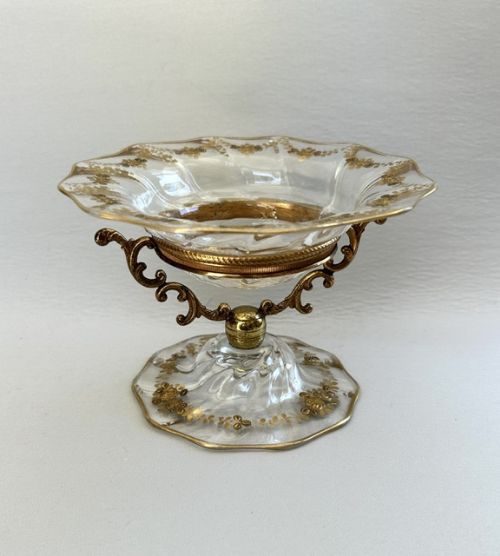


Brass Mounted Dish
A brass mounted dish combines utility and display, bringing polished metalwork and glass or stone into domestic settings.
Brass Mounted Dish
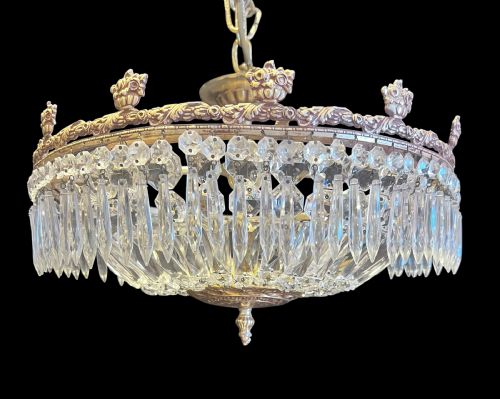
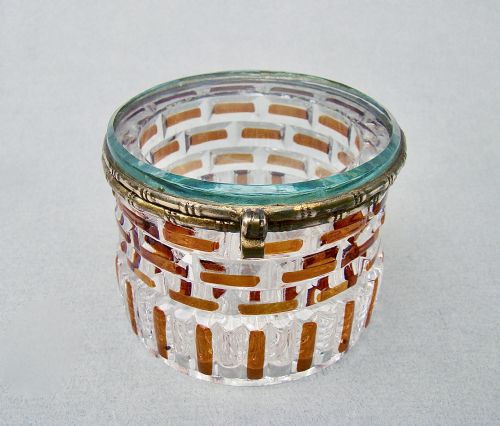
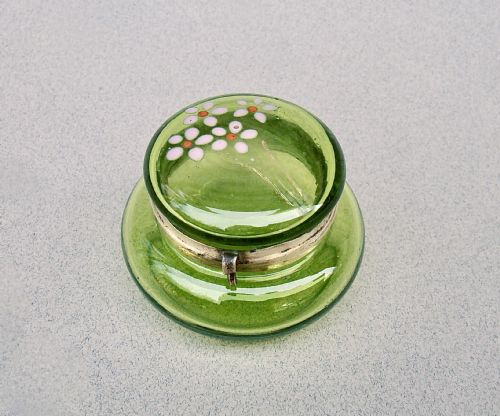
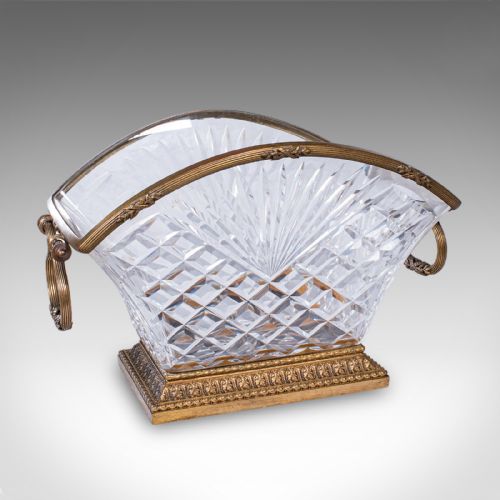
A brass mounted dish brings together metal framing and a vessel body of glass, enamel, or stone, serving as a decorative table or dresser accessory. When you search for a brass mounted dish, you encounter varied forms including trinket boxes, centerpiece bowls, comports, and light fittings dating from the eighteenth century to the early twentieth century. French designs strongly influence the selection, alongside English, Italian, and Japanese examples.
The objects span multiple periods, featuring Georgian enamel patches, Victorian cut glass bowls, and later pieces from the Belle Epoque and 1930s. Vessel forms range from small patch boxes to large chargers and hanging plafonieres. Metal mounts secure or elevate the primary material, functioning as decorative frames, stands, or suspension hardware.
Materials and construction
Makers combined cast and chased brass or ormolu with blown, cut, and lead crystal glass, alongside cloisonne and Bilston enamels. Metal mounts were shaped to fit the contours of glass bowls, stone plaques, and enamel boxes, secured with pins or screws.
Surface treatments include fire gilding on bronze and ormolu mounts, hand-cut facets on heavy glass vessels, and intricate enamel work depicting pictorial scenes. Alabaster and pietra dura inlay provide solid foundations for metal rims and pedestals in Italian pieces.
Brass Mounted Dish Retail Price Guide 2026
Typical asking prices for brass mounted dish among the pieces listed under this phrase on Sellingantiques today, from the lower quarter to the upper quarter. They describe what is for sale here now, not the wider market.
Markers of quality
Quality rests upon the crispness of the metal chasing and the weight of the glass or stone vessel. Finer mounts display sharp detail in cast foliate or classical motifs, fitting snugly against the glass without excessive solder or visible gaps.
The clarity of the cut glass and the richness of the enamel decoration distinguish superior examples. Heavy lead crystal with deep hand-cut facets and vibrant, undamaged enamel surfaces represent the upper tier of production.
The Brass Mounted Dish Glossary
- Ormolu
- Gilded bronze, usually mercury-gilded, used extensively for decorative mounts on decorative vessels and furniture.
- Pietra dura
- An Italian technique of inlaying cut and fitted polished coloured stones to create pictorial designs.
- Comport
- A raised dish or bowl on a foot or pedestal, used for serving fruit or display.
- Plafonnier
- A ceiling-mounted light fixture or bowl fitted close to the surface, often utilising brass mounts and frosted or cut glass.
- Cloisonne
- Enamelwork in which thin metal wires are soldered to a metal base to form compartments filled with paste and fired.
Brass Mounted Dish: Frequently Asked Questions
What is a brass mounted dish used for?
These pieces functioned variously as small trinket containers, table centerpieces for fruit, and hanging light fittings. Their primary purpose shifted between utilitarian domestic storage and decorative interior display.
Over time, smaller boxes held personal items like patches or jewellery, while larger bowls and comports sat on dining tables or sideboards to catch the eye.
How do I date a brass mounted dish?
Dating relies on identifying the style of the metal mounts, the manufacturing technique of the glass or enamel, and the assembly methods. Georgian and Victorian pieces often display distinct hand-cut facets and heavier cast brass.
Later nineteenth-century and Edwardian examples show influences from French Rococo Revival, Empire, or Belle Epoque styles, marked by lighter gauge brass and machine-assisted finishing.
Are these dishes French or English?
The selection includes prominent French designs alongside English, Italian, and Japanese examples. French makers produced many of the ormolu and cut glass pieces found in Empire and Belle Epoque styles.
English workshops contributed enamel boxes from centres like Bilston, while Italian and Japanese artisans supplied pietra dura and cloisonne pieces mounted in brass.
How should I clean brass mounts?
Maintaining brass mounts requires gentle dusting with a soft cloth to prevent the accumulation of dirt in the chased details. Avoid harsh chemical polishes that can strip original gilding or damage adjacent glass and enamel surfaces.
If the metal requires deeper cleaning, use a mild, non-abrasive cleaner applied sparingly with a cotton swab, keeping moisture away from the mounted stone or glass.