





Brass Mounted Caddy
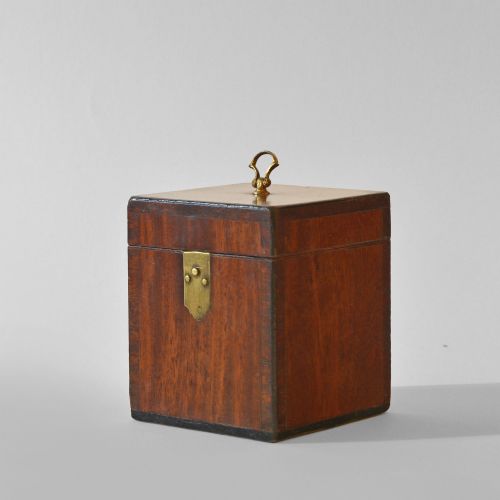
A brass mounted caddy brings enduring warmth and formal structure to a room through rich timber and disciplined metalwork.
Brass Mounted Caddy
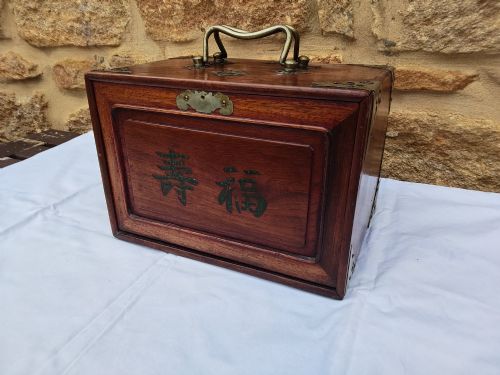
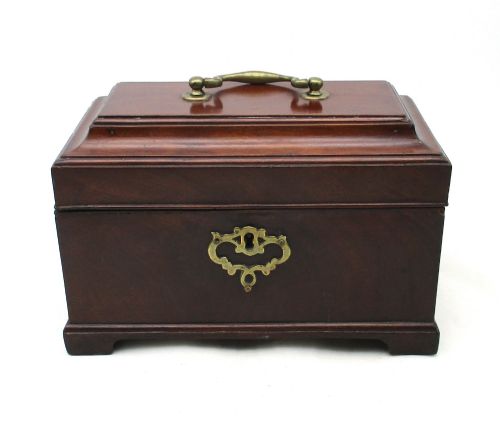
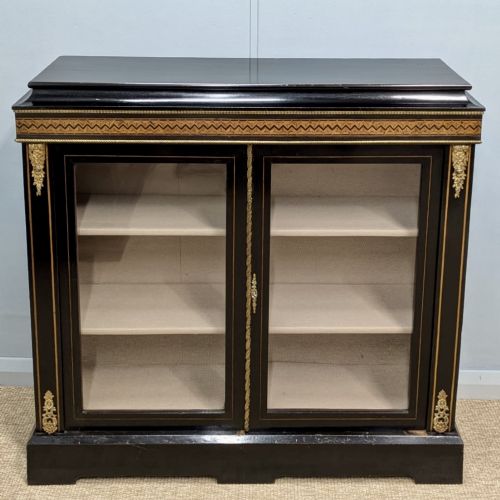
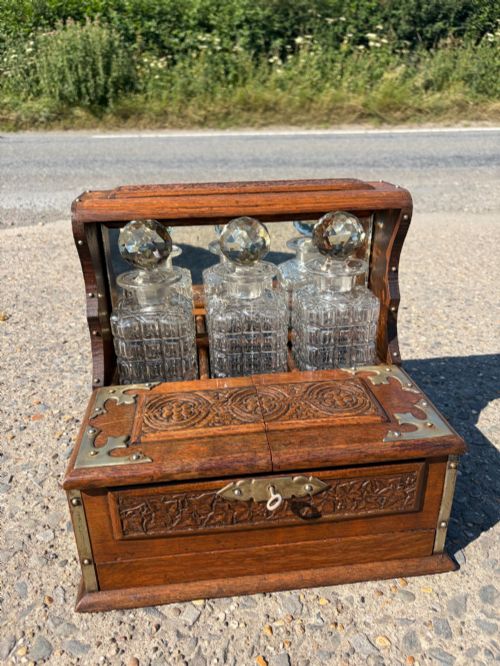
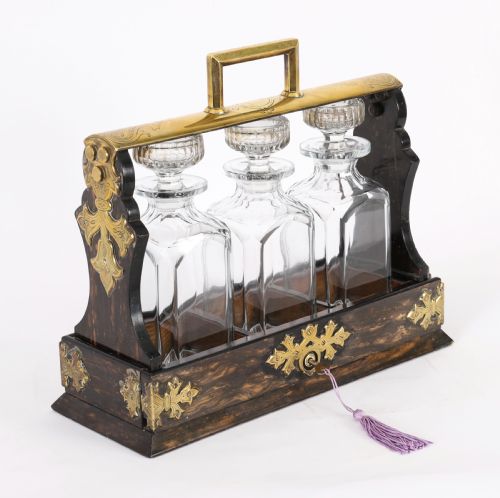
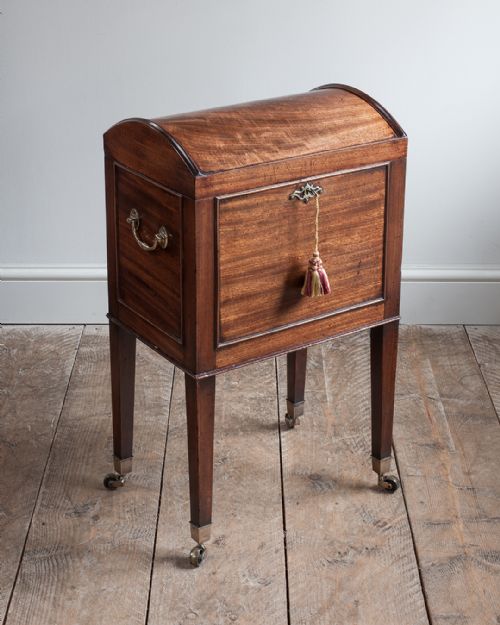
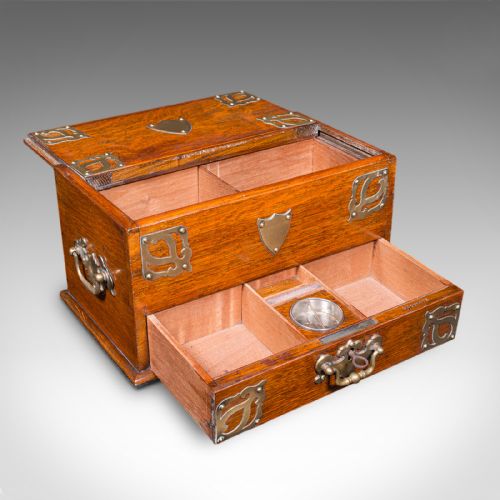
A brass mounted caddy provides a secure vessel for storing precious commodities like tea leaves, documents, or spirits within domestic spaces. Buyers seeking this phrase encounter a variety of forms spanning tea caddies, tantaluses, and stationery boxes from Georgian and Victorian eras.
The objects combine robust timber construction with decorative and protective metal hardware. Most examples on this page reflect the aesthetic preferences of the eighteenth and nineteenth centuries, utilising native and exotic woods framed in polished brass.
How they were made
Cabinetmakers constructed these pieces from dense hardwoods such as mahogany, oak, burr walnut, and coromandel, often shaped over solid carcases to provide stability. Timber surfaces received careful planing and polishing to highlight natural grain patterns.
Brass components, including hinges, escutcheons, corner brackets, and carrying handles, were cast or sheet-cut and fastened with flush-fitting screws to reinforce vulnerable joints and corners.
Brass Mounted Caddy Retail Price Guide 2026
Typical asking prices for brass mounted caddy among the pieces listed under this phrase on Sellingantiques today, from the lower quarter to the upper quarter. They describe what is for sale here now, not the wider market.
Some caddies include hidden compartments for secret letters and tea spoons that pop up when unexpected buttons are pressed.
What varies in quality
The refinement of the timber selection dictates much of the distinction between standard and superior examples. Master makers utilised highly figured veneers like burr walnut or meticulously matched mahogany grains that wrap seamlessly around the form.
The execution of the brass mounts also separates grades of production. High-quality items display hand-chased metalwork, neatly mitred corners, and tightly integrated locking mechanisms that operate smoothly within the wooden body.
Henry Jones·Lenzkirch·John Taylor
The Brass Mounted Caddy Glossary
- Escutcheon
- A protective plate surrounding a keyhole, frequently cast in brass to prevent timber wear.
- Caddy
- A small container or box historically utilised for storing tea leaves.
- Tantalus
- A locking frame holding decanters visible yet secured from unauthorized access.
- Cellarette
- A cabinet or box designed to hold bottles of wine or spirits, often lined for temperature control.
- Veneer
- A thin layer of decorative wood applied over a secondary timber foundation to produce rich surface patterns.
Brass Mounted Caddy: Frequently Asked Questions
What is a brass mounted caddy?
A brass mounted caddy is a wooden storage box strengthened and decorated with brass hinges, escutcheons, and banding. These items served functional roles in period households for organising luxury goods.
Over time, they evolved from utilitarian storage containers into decorative cabinet pieces displaying the fine joinery skills of their makers.
How do I date a brass mounted caddy?
Dating relies on observing the timber species, construction joints, lock mechanisms, and overall stylistic influence. Georgian pieces often display simpler architectural lines, whereas Victorian examples favor heavier ornamentation and exotic veneers like coromandel.
Examining interior fittings and secondary woods helps confirm the manufacturing era.
Where were these caddies used?
These boxes occupied prominent positions in reception rooms, libraries, and dining spaces of country houses and urban residences. Tea caddies sat on side tables while stationery boxes inhabited writing desks.
Tantaluses and cellarettes stood in drawing rooms or dining areas to dispense refreshments to guests.
How do I care for wooden caddies?
Maintain stable indoor humidity levels and keep wooden surfaces away from direct heat sources and strong sunlight to prevent timber splitting or veneer lifting. Gentle dusting with a dry cloth preserves the finish.
Occasional application of appropriate wax maintains the lustre of the wood without harming the brass elements.