

Brass Low Coffee Table
A brass low coffee table brings warmth and proportion to a room, offering a grounded surface with metallic lustre.
Brass Low Coffee Table
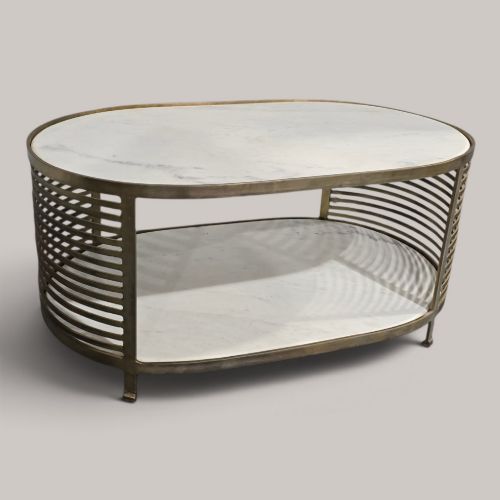
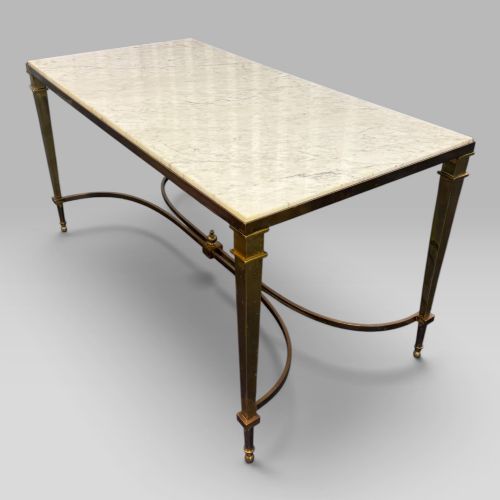
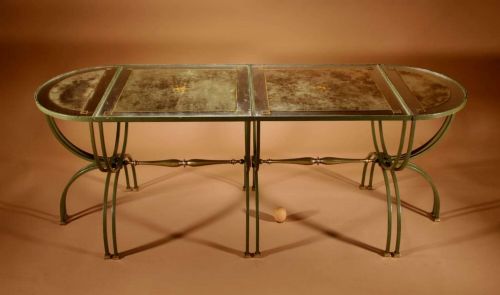
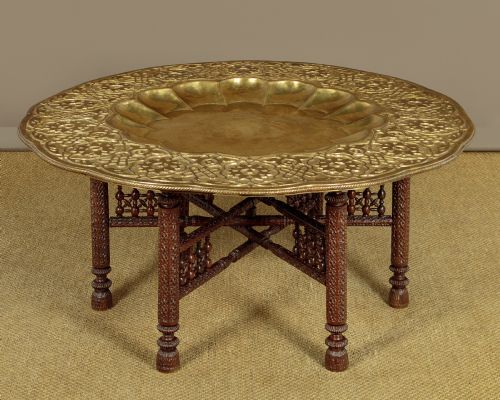
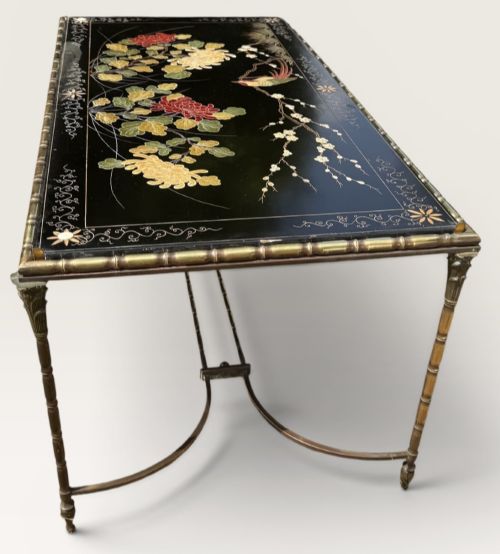
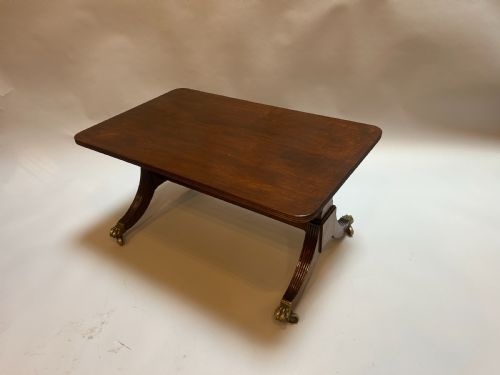
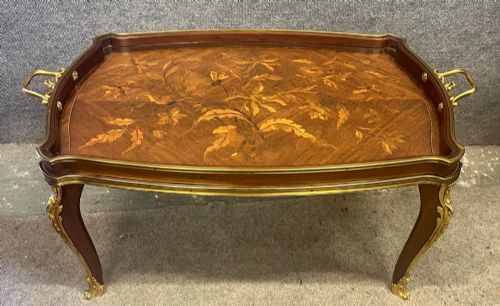
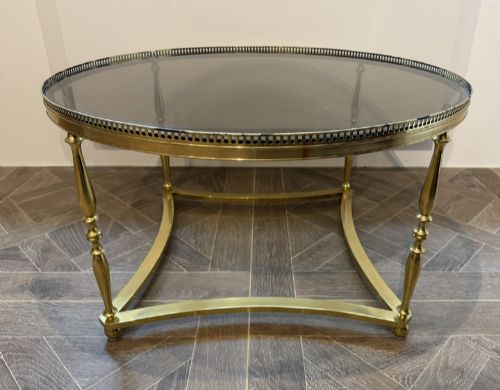
A brass low coffee table brings together metal framing with timber, marble or glass surfaces, sitting low to the ground for relaxed reception spaces. When you search for a brass low coffee table, you encounter diverse forms ranging from French tray tops and campaign styles to Indian low tables and Regency mahogany designs adapted for modern living.
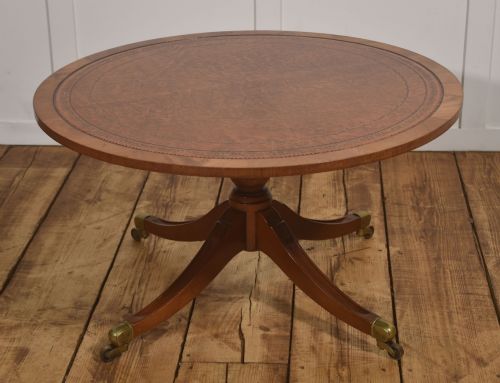
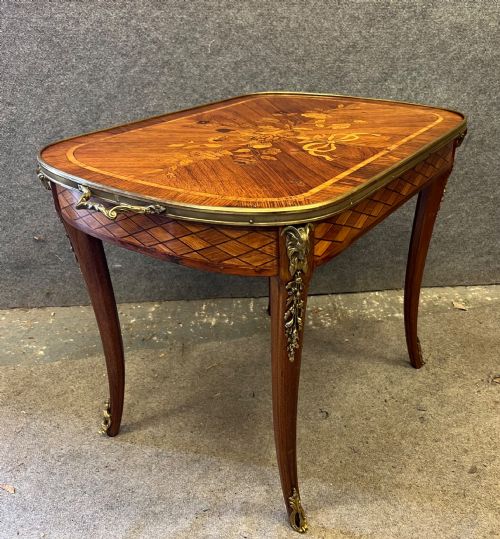
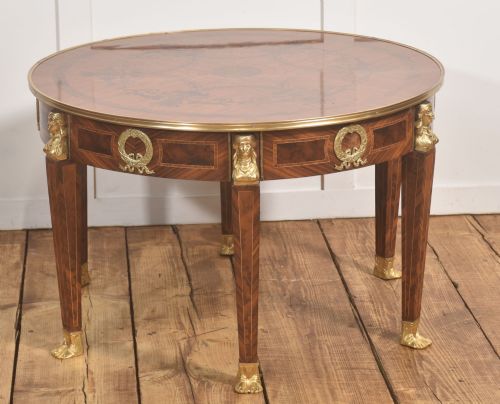
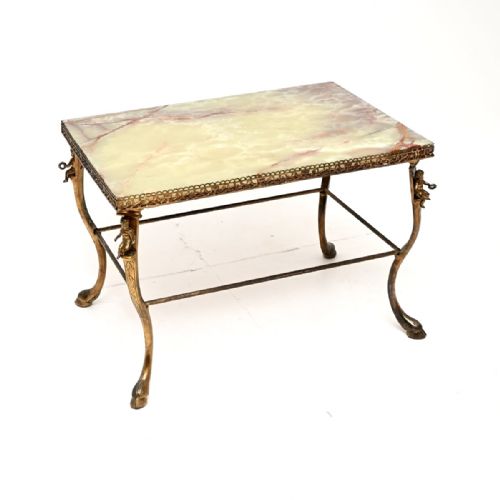
The selection on this page draws heavily from early twentieth-century French workshops, mid-century interpretations, and nineteenth-century occasional or centre tables lowered for contemporary use. These pieces often combine polished or gilt brass with mahogany, walnut, marble or onyx, offering substantial presence within a compact height.
Materials and construction
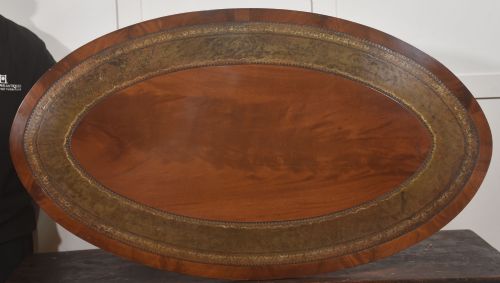
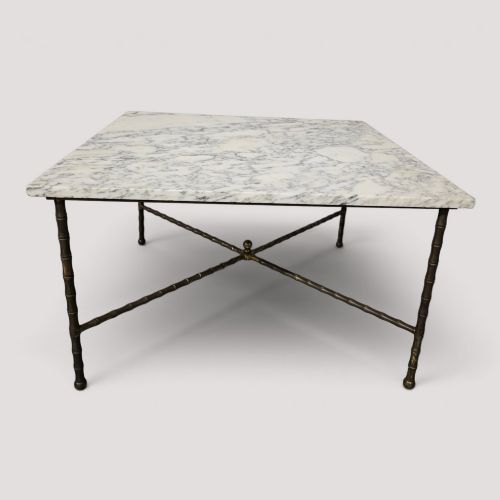
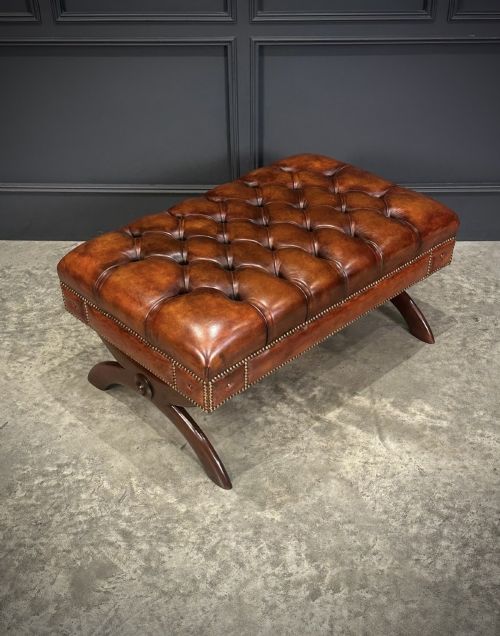
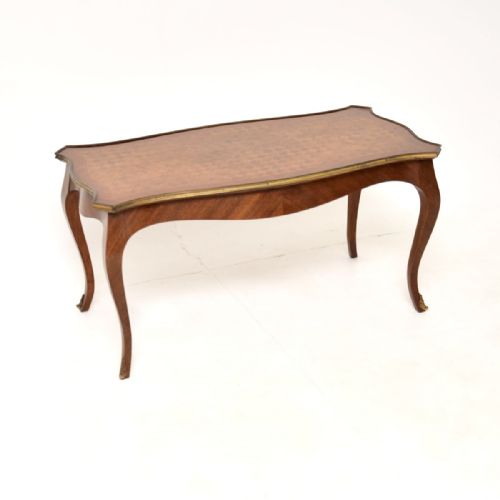
Makers utilised solid brass, gilt metal and wrought iron for structural frames and decorative mounts, pairing them with dense hardwoods such as mahogany, rosewood and oak. Table tops frequently incorporate inset white or onyx marble, polished glass, parquetry inlay or hand-dyed leather, reflecting traditional cabinet-making skills.
French and English workshops employed specialised joinery, marquetry and lacquering techniques, seen particularly in chinoiserie tray tables and campaign designs with folding or removable elements. Metal components were cast, chased or gilded to create crisp decorative detail that complements the natural grain of the timber.
Brass Low Coffee Table Retail Price Guide 2026
Typical asking prices for brass low coffee table among the pieces listed under this phrase on Sellingantiques today, from the lower quarter to the upper quarter. They describe what is for sale here now, not the wider market.
Listings feature brass combined with mahogany, marble, walnut, leather and glass across Regency, Victorian and mid-century periods.
Assessing quality and craftsmanship
The distinction between ordinary and superior pieces rests on the weight of the brass, the precision of the parquetry or inlay, and the integrity of the underlying timber frame. Finer examples display hand-chased mounts, genuine marble or onyx slabs rather than synthetic substitutes, and stable joinery that maintains rigidity without excessive modern reinforcement.
Design pedigree and decorative restraint further separate standard production from exceptional pieces produced by recognised Parisian ateliers or quality English cabinet makers. The harmony between the metalwork and the top surface determines the overall balance and visual impact of the table.
Maison Jansen·Maison Bagues·Maison Ramsay
The Brass Low Coffee Table Glossary
- Campaign style
- Furniture constructed for travel, featuring recessed brass handles, corner brackets and folding legs or frames. This practical military origin ensures robust construction and distinctive hardware.
- Parquetry
- Geometric wood-mosaic work used for decorative surfaces on table tops. Small pieces of contrasting timber are arranged to create intricate patterns.
- Gilt brass
- Brass coated with a thin layer of gold or gold-coloured finish to enhance brilliance and prevent tarnish. It provides a rich decorative surface on French-inspired frames.
- Tray top
- A removable surface with raised edges, originally designed for serving and supported by a folding or fixed stand. These pieces offer versatility and portability.
- Marquetry
- The art of applying pieces of veneer to a structure to form decorative patterns and pictorial designs. It requires high skill in cutting and fitting various wood types.
Brass Low Coffee Table: Frequently Asked Questions
What defines a brass low coffee table?
A brass low coffee table combines a metallic brass structure with a surface of wood, marble or glass, designed with reduced height for living room placement.
Many examples originate from earlier occasional, tray or centre tables adapted to sit lower than traditional dining or parlour furniture.
How do I care for marble and brass?
Marble requires gentle cleaning with mild, neutral soap and water to avoid staining or etching from acidic substances. Brass benefits from periodic dusting and occasional gentle wiping to maintain its lustre without stripping patination.
Harsh chemical abrasives should be avoided on both surfaces to preserve the original finish and material integrity.
Are these tables sturdy enough for daily use?
Most pieces are constructed from dense hardwoods and sturdy metal frames designed to withstand everyday domestic demands. Their robust joinery and quality materials ensure they function reliably as central furniture items.
Proper weight distribution and avoiding excessive loads help maintain the structural stability of older frames and joints.
How do I identify French styles?
French pieces often display gilt brass mounts, fine parquetry, onyx tops and references to Louis styles or Hollywood Regency aesthetics. These details reflect sophisticated Parisian design traditions focused on decorative elegance.
Workshops from the early twentieth century frequently combined classic proportions with lighter, more streamlined frames suitable for modern interiors.