







Brass Lidded Jars
Brass lidded jars bring tactile weight and historic utility to a room, ranging from Dutch delft tobacco containers to Japanese cloisonné vessels.
Brass Lidded Jars
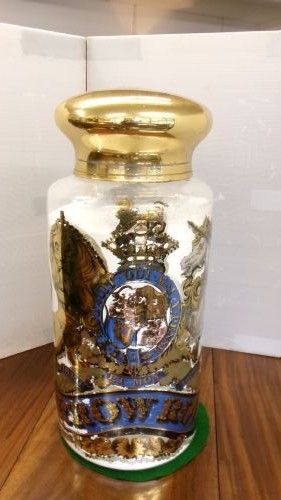
When searching for brass lidded jars, collectors encounter a diverse group of domestic and decorative containers spanning the eighteenth, nineteenth, and early twentieth centuries. These pieces encompass utilitarian vessels such as tobacco jars and apothecary containers alongside highly ornamental ginger jars and trinket boxes.
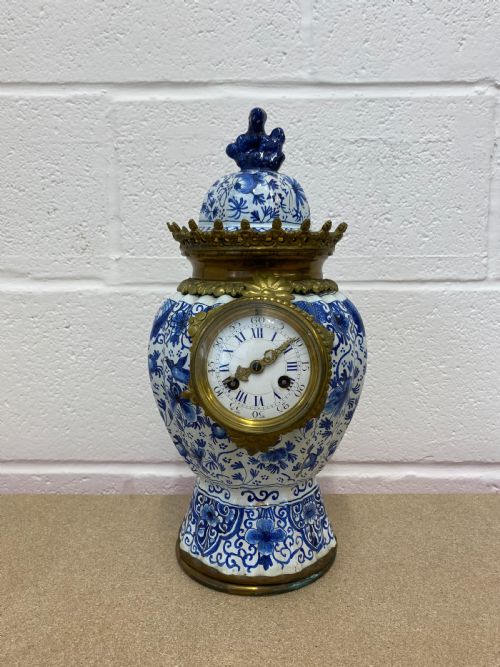
The assortment on this page frequently bridges different materials and cultures, incorporating glass, porcelain, tin-glazed earthenware, and linden wood alongside metalwork. Many examples originate from Victorian Britain and continental Europe, while others reflect Japanese Meiji and Edo period craftsmanship.
Forms vary from classic ginger jars and gourd pots to carved animal figures and chiseled pineapple caddies. Each vessel combines a durable container body with a fitted lid, serving both practical storage and decorative display roles.
Materials and construction
Construction methods rely heavily on metalworking, ceramic firing, and woodworking traditions. Brass and copper provide durable metallic structures, often shaped through casting, chiseled detailing, or repurposing artillery shells.
Ceramic and glass vessels introduce tin-glazed earthenware, enamel, and porcelain techniques. Wooden examples utilise linden wood, shaped through detailed hand carving to form sculptural humidor boxes.
Brass Lidded Jars Retail Price Guide 2026
Typical asking prices for brass lidded jars among the pieces listed under this phrase on Sellingantiques today, from the lower quarter to the upper quarter. They describe what is for sale here now, not the wider market.
Materials represented across the inventory feature brass, copper, glass, porcelain, tin-glazed earthenware, gold leaf, and linden wood.
Assessing quality
Quality rests in the precision of the manufacturing and the clarity of decorative surface work. Finely chiseled metal surfaces and sharp, deliberate wood carvings distinguish superior examples from simpler utilitarian objects.
The integrity of the materials also dictates standard, where clean enamel work, well-fitted lids, and preserved original patination elevate the standing of a vessel.
The Brass Lidded Jars Glossary
- Cloisonne
- A decorative metalwork technique where enamel is applied within compartments created by soldered wire strips. This method produces intricate patterns across ginger jars and vases.
- Humidor
- A specialised storage box designed to keep tobacco moist. Nineteenth-century examples often employ carved linden wood in figurative shapes.
- Famille Rose
- A palette of opaque enamel colours dominated by pink, used in ceramic decoration. This style appears on nineteenth-century porcelain vessels.
- Apothecary Jar
- A functional container originally used by chemists to store dried herbs, roots, or medicines. These vessels are typically formed from heavy glass with fitted covers.
Brass Lidded Jars: Frequently Asked Questions
What were brass lidded jars used for?
These vessels served various domestic and commercial functions, primarily storing dry goods, tobacco, or medicinal ingredients. Many were designed for daily utility in homes and shops.
Over time, more decorative versions transitioned into purely ornamental display objects, prized for their craftsmanship and material richness.
How do I tell different periods apart?
Dating relies on observing manufacturing techniques, material choices, and stylistic traits. Eighteenth-century pieces often feature tin-glazed earthenware, while Victorian items lean towards glass, chiseled brass, and detailed wood carving.
Asian imports from the Meiji and Edo periods typically showcase distinct cloisonné enamel work and specific vessel forms like gourd pots.
Are all these jars made entirely of brass?
Despite the search phrase, many listed pieces incorporate brass primarily as a lid or mounting material rather than the primary body. Materials frequently include glass, porcelain, tin-glazed earthenware, copper, and linden wood.
The metal component often provides a secure closure and a contrasting rim or finial to the main ceramic or wooden body.
How should I clean a historic jar?
Preserving the original surface requires gentle maintenance suited to the specific material. Metal components benefit from minimal intervention to retain aged patination rather than aggressive polishing.
Glass, ceramic, and wooden surfaces should be dusted carefully with a dry cloth, avoiding abrasive cleaners that might damage glazes or hand-carved details.