


Brass Kitchen
These brass kitchen antique pieces bring warmth and utility into domestic spaces through enduring metallic forms.
Brass Kitchen
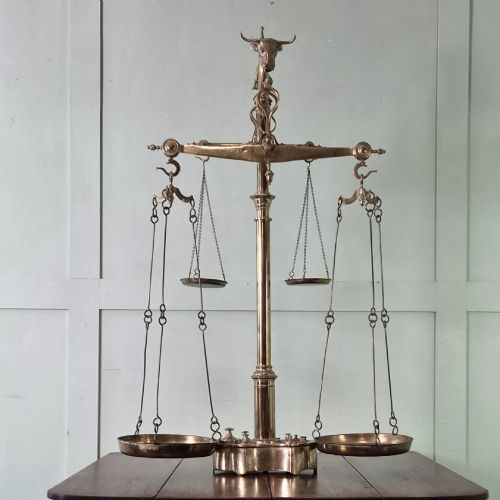
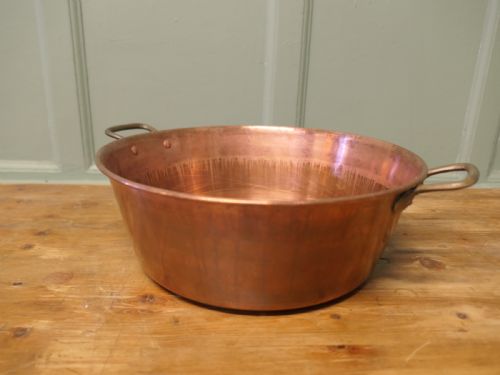
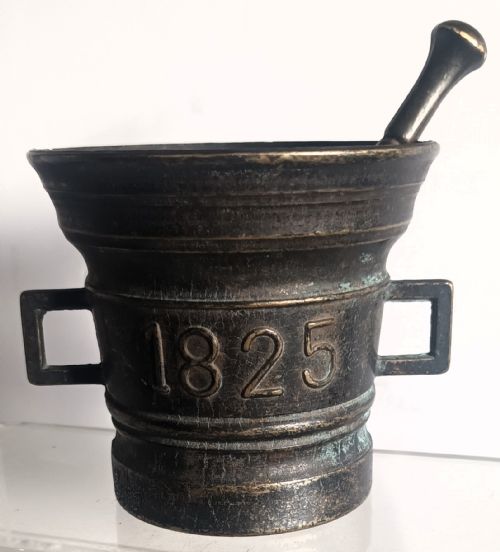
When buyers search for a brass kitchen antique, they encounter a range of functional culinary equipment and domestic accessories spanning several centuries. The selection encompasses cookware such as heavy saucepans, preserve pans, ladles, and skimmers forged for utilitarian household tasks. Alongside these vessels, the category includes weighing apparatus like grocers scales and apothecary mortars with pestles.
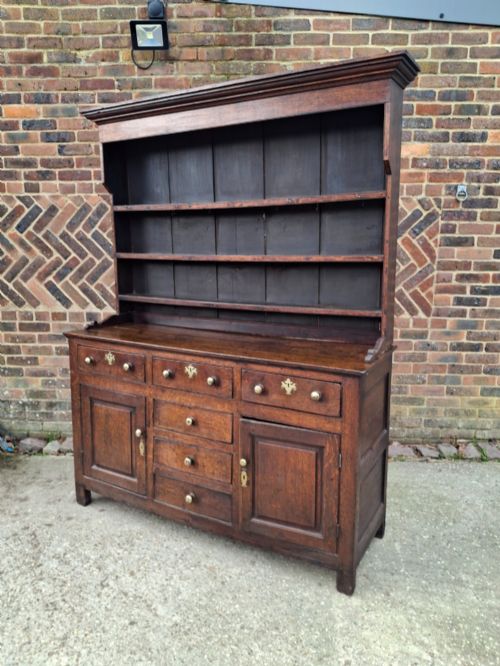
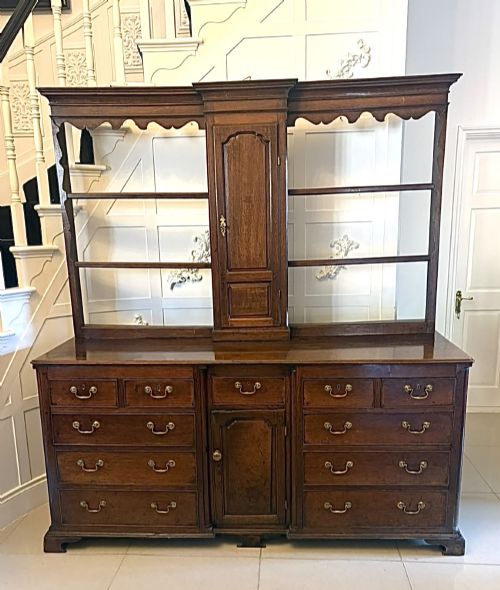
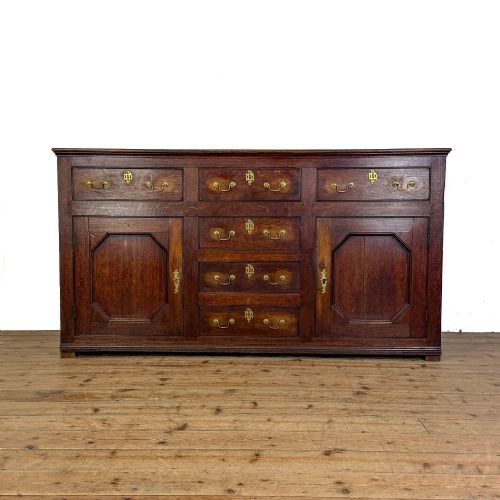
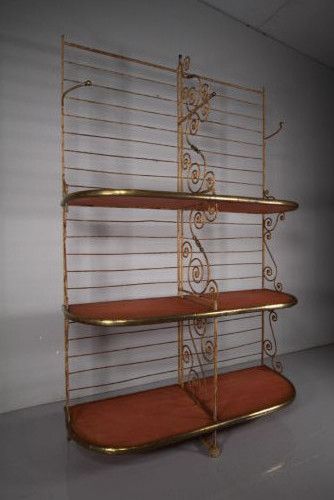
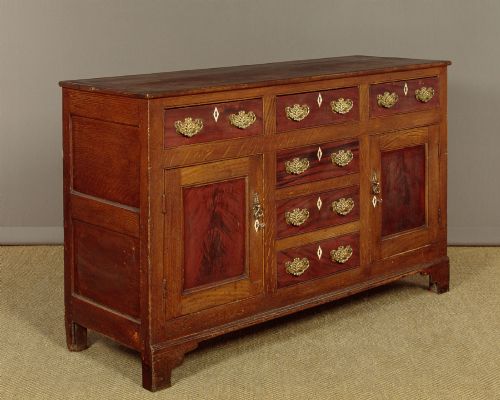
The pieces appearing most frequently originate from the nineteenth century and the Georgian era, though items stretch from the seventeenth century through to the art deco period. Common domestic forms involve copper and brass preserving pans fitted with secure handles alongside oak dressers and bakers racks that housed such items. These objects reflect the practical requirements of period kitchens and dairies.
Materials and Construction
Makers utilised durable metals such as brass, copper, and bronze, often combining them with iron, steel, and hardwoods like oak and pine. Preserve pans and saucepans typically feature hammered or spun copper and brass bodies joined to iron or brass handles through riveting.
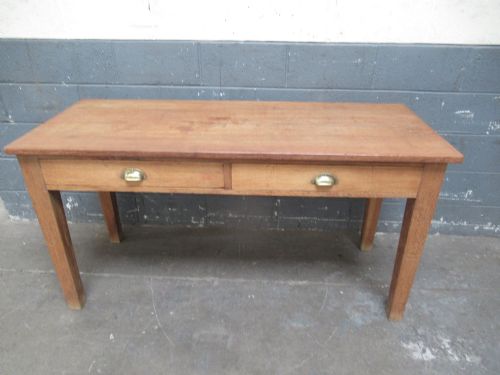
Mortars and scales demonstrate casting techniques in bronze and brass, producing heavy, stable implements designed for daily measurement and preparation. Wooden elements on dressers, tables, and butter barrels employ traditional joinery and cooperage to support the weight of heavy metallic kitchenware.
Brass Kitchen Retail Price Guide 2026
Typical asking prices for brass kitchen among the pieces listed under this phrase on Sellingantiques today, from the lower quarter to the upper quarter. They describe what is for sale here now, not the wider market.
A sturdy butter barrel found among the listings proves that even historical dairy products required expert cooperage and brass binding.
Assessing Quality and Execution
Quality in these items rests upon the weight of the metal and the integrity of the original construction rather than decorative embellishment alone. Heavier gauge copper and brass indicate substantial domestic utility, while sturdy iron handles and secure dovetailing or riveting show superior craftsmanship.
The distinction between standard utility items and finer examples often lies in the balance of the piece and the preservation of original makers marks or stamps. Pieces that retain their genuine components without heavy modern replacement parts demonstrate higher enduring integrity.
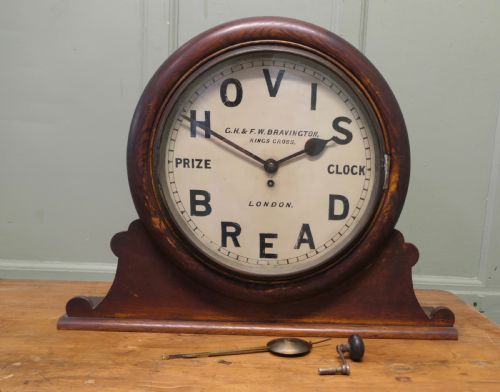
Dubois of Lyon·G.H.& F.W. Bravington London·Hodges & Sons·Osler
The Brass Kitchen Glossary
- Mortar and pestle
- A heavy bowl and club-shaped tool used for grinding and crushing spices, medicines, or food ingredients. These were commonly cast in bronze or brass during the Georgian and earlier periods.
- Preserve pan
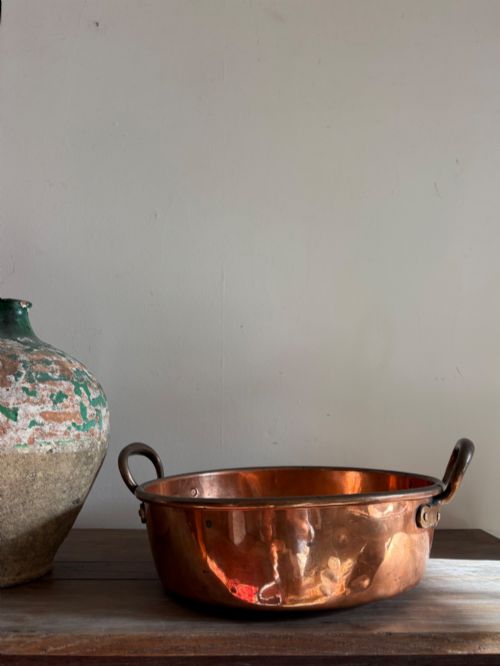
- A wide, open vessel designed for boiling fruit and sugar to make jams and preserves. They are frequently constructed from heavy gauge copper or brass with sturdy handles.
- Dresser
- A traditional kitchen or dining room storage unit featuring shelving or a plate rack above drawers and cupboards. Early examples often incorporate oak and potboards.
- Coopered
- Built from wooden staves bound together with metal hoops, much like a barrel. This technique was utilised for items such as butter barrels.
- Balance scales
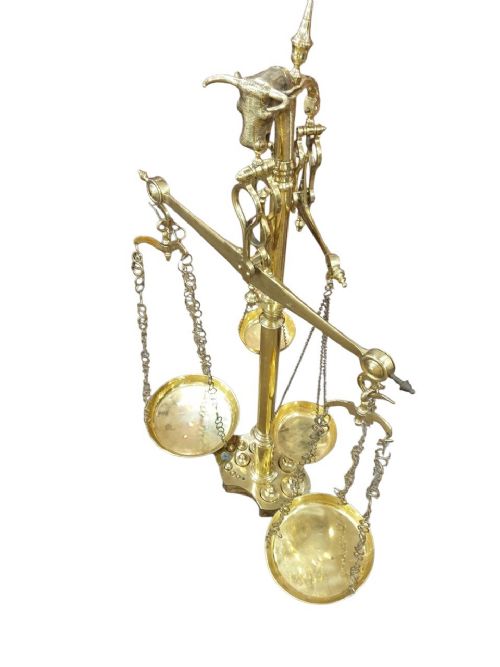
- A weighing device utilising a central pivot with suspended pans on either side. Grocers and butchers relied on these robust mechanical units for trade.
Brass Kitchen: Frequently Asked Questions
How were brass kitchen items used?
Domestic cooks and tradespeople utilised these heavy metallic vessels for food preparation, preserving fruits, measuring ingredients, and grinding spices.
Heavier pans managed direct heat on hearths or stoves, while balance scales and mortars facilitated commercial trade and apothecary work.
How do I date an antique brass pan?
Dating relies upon examining the manufacturing methods, handle attachments, and the composition of the metal alloys used in the vessel.
Hand-beaming, early riveting styles, and specific maker stamps help place pieces within Georgian, Victorian, or earlier periods.
Can I use antique brass cookware today?
Many buyers prefer to utilise these robust metal vessels for decorative display within modern kitchens rather than active daily cooking.
Historic cookware often requires careful maintenance and assessment to ensure the interior surfaces suit contemporary culinary standards.