


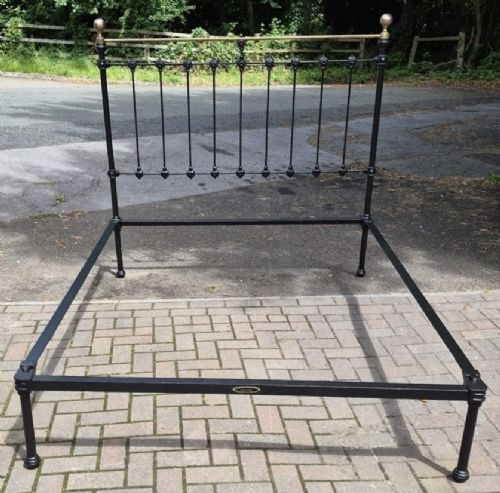
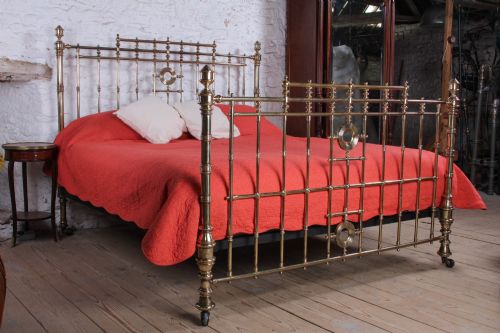
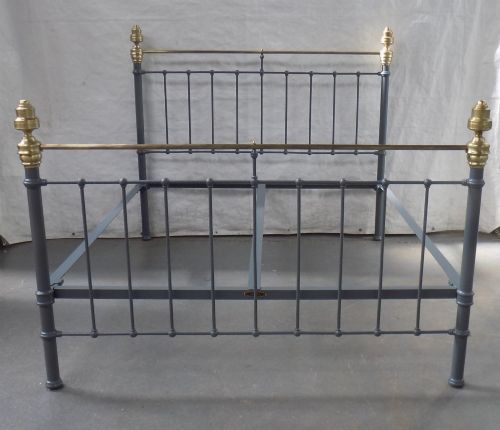
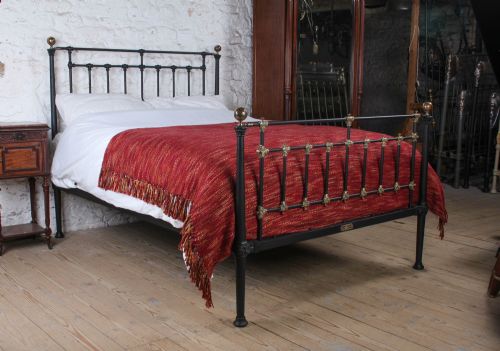


Brass King Size Bed
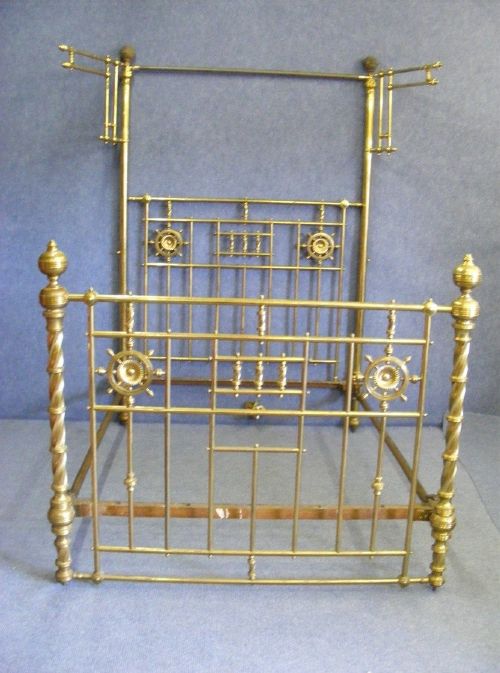
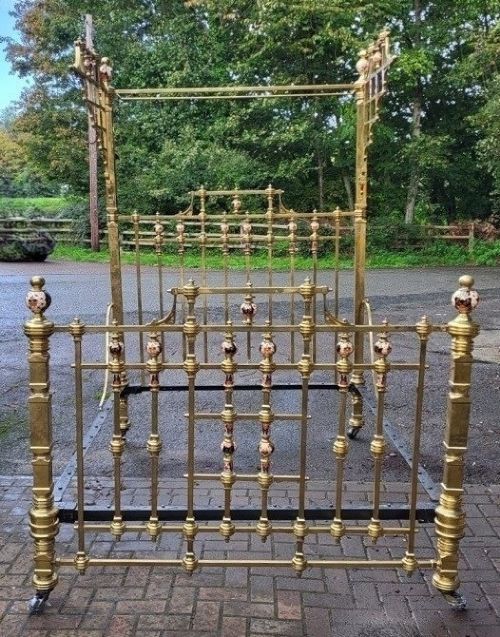
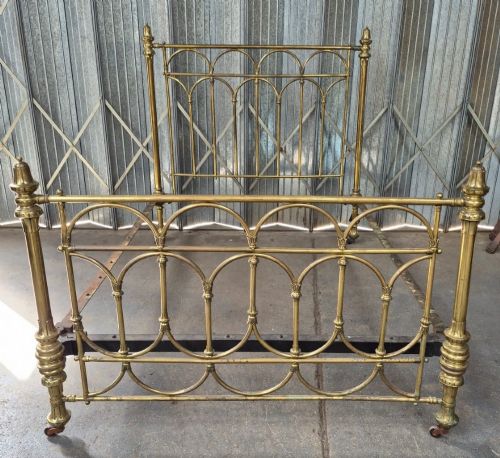
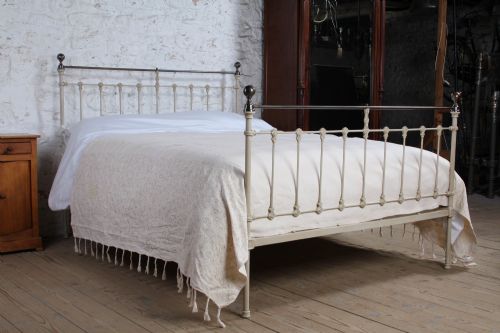
A brass king size bed offers substantial presence and enduring metal construction, bringing nineteenth and early twentieth century proportion to a modern bedroom.
Brass king size bed forms and origins
When you search for a brass king size bed, you encounter grand sleeping frames originating primarily from the Victorian and Edwardian periods, alongside early twentieth-century examples. These large scale pieces span generous proportions, including standard five-foot widths and broader formats designed for substantial sleeping quarters.
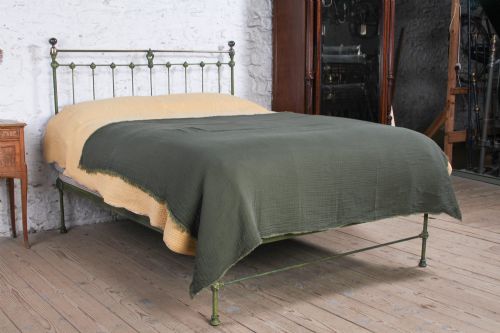
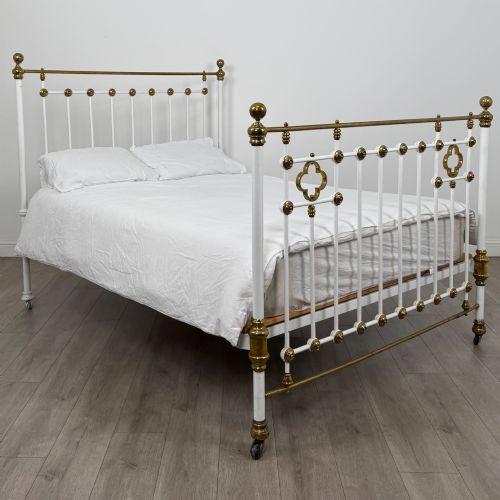
The selection ranges from all-brass constructions featuring tapered posts and aged metal finishes to hybrid combinations pairing polished brass with cast iron frameworks. Many examples present traditional head and footboard assemblies, while lower height and no end configurations appear frequently across both domestic British and continental European workshops.
Materials and construction techniques
The primary construction combines heavy brass tubing and sheet metal with sturdy cast iron internal components to ensure structural integrity and support. Metal elements are shaped, joined with mechanical clamps, and finished with decorative castings that secure the framework.
Surface detailing involves hand-chased foliate patterns, polished metal finishes, and specialist paint applications such as basalt blue or black enamel on iron sections. Certain pieces incorporate applied brass inlay or antiqued patination to enhance the visual depth of the metal.
Retail Price Guide 2026
Typical UK retail prices for brass king size bed, calculated from the Sellingantiques database of over a million retail prices indexed since 2003. This retail price guide relies exclusively on Sellingantiques data; no external sources or auction records are used, so the figures do not describe the wider market.
Listings demonstrate a strong presence of Victorian and Edwardian periods, utilising combinations of solid brass, cast iron, and specialist paint finishes.
Distinctions in manufacture and design
Quality differences rest upon the complexity of the castings and the weight of the metal utilised throughout the frame. Superior examples display crisp hand-chased detail on the brass elements, robust corner clamps, and heavy-gauge tubing that resists bending.
Design ambition separates standard production from exceptional pieces, with tapered posts, unusual shaping, and fully original components marking the upper tier of the range. The integration of maker-marked elements or sophisticated decorative upstands further elevates the standing of a frame.
Winfield
The Brass King Size Bed Glossary
- Bedstead
- A framework of a bed consisting of head, foot, and side rails designed to support a mattress and base. This term specifically denotes traditional metal or wooden structures separate from modern divan bases.
- Castings
- Decorative metal components poured into moulds and attached to the main bed frame. These often take the form of floral, geometric, or classical motifs at structural junctions.
- No End
- A bed configuration featuring a standard headboard but lacking a high footboard, or possessing a very low lower rail. This design suits rooms with limited spatial clearance or provides an open visual aspect.
- Upstand
- An elevated decorative metal section rising above the main profile of the headboard or footboard. It provides an ornamental finish characteristic of Victorian framing.
- Hand-Chased
- Metal surface decoration worked directly with small chisels and hammers to create fine relief patterns. This technique distinguishes high-end decorative brasswork from mass-produced stamped components.
Frequently Asked Questions
Will a vintage brass king size bed fit modern mattresses?
Many antique frames measure around five feet in width, aligning closely with standard king size proportions. However, slight variations in nineteenth-century sizing mean checking exact internal dimensions is advisable before purchasing a modern mattress.
Adjustment or custom support slats may be required to accommodate contemporary mattress depths securely within the original side rails.
How do I care for polished or aged brass surfaces?
Routine maintenance involves gentle dusting with a soft, dry cloth to prevent the accumulation of airborne particles. Avoid harsh chemical cleaners that can strip original lacquer or alter historical patination.
For unlacquered brass showing natural tarnishing, a specialist non-abrasive metal cleaner restores brightness if a polished appearance is preferred over an aged patina.
Are iron and brass beds difficult to assemble?
These frames typically utilise heavy-duty iron corner brackets and wedge-action dovetail joints that lock together without requiring complex tools. Two people can easily slot the side rails into the head and footboards.
Care should be taken when handling heavy cast components to protect surrounding flooring during the assembly process.
How do I distinguish Victorian from Edwardian brass beds?
Victorian examples dating from the mid to late nineteenth century frequently display heavier ornamentation, elaborate cast metal details, and darker iron frameworks combined with bright brass. They often feature robust proportions and high footboards.
Edwardian pieces from the early twentieth century tend towards lighter visual weight, simpler linear forms, and occasionally tapered posts reflecting emerging neoclassical or art nouveau preferences.