





Brass Jam Pot
A brass jam pot brings warmth and historic utility to a kitchen or hearth.
Brass Jam Pot
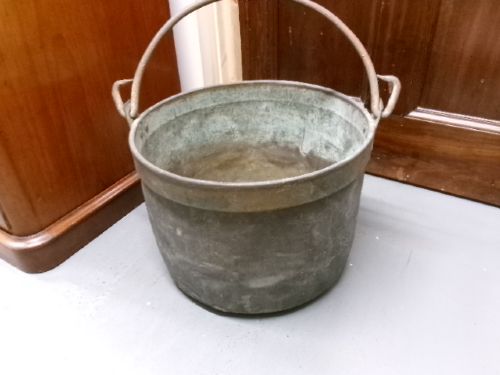
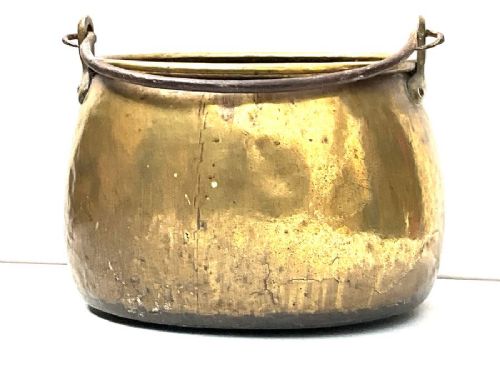
A brass jam pot or preserve pan serves as both a historic kitchen implement and a decorative object for the modern interior. Buyers searching for a brass jam pot will find vessels originating from the Georgian and Victorian periods, often categorized under cookware, kitchenware, or hearth accessories.
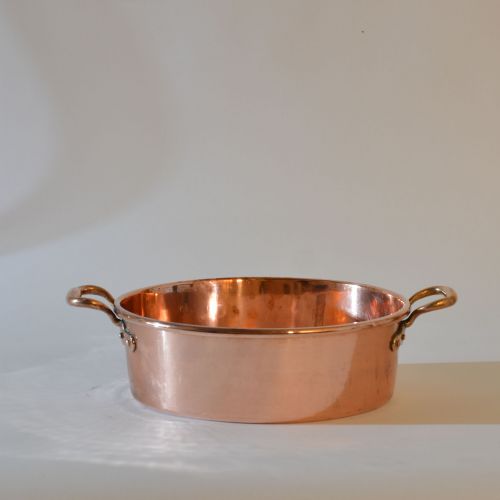
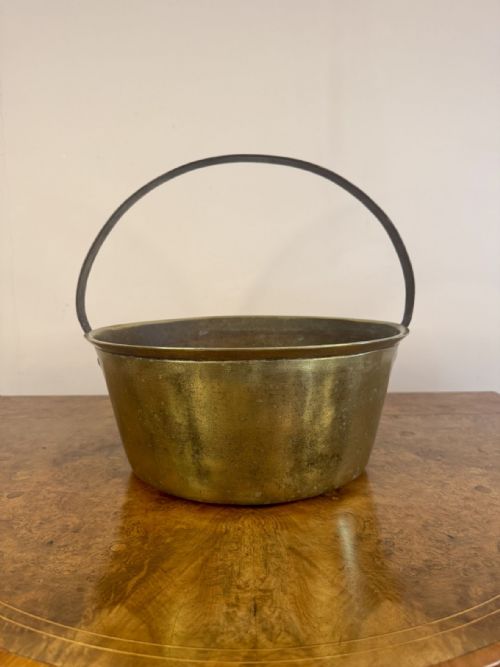
Most examples encountered here are heavy metal pans designed for open fire or stove cooking, featuring either iron or brass handles. These pieces range from small riveted brass vessels to large double-handled pans, reflecting their original domestic utility in country kitchens.
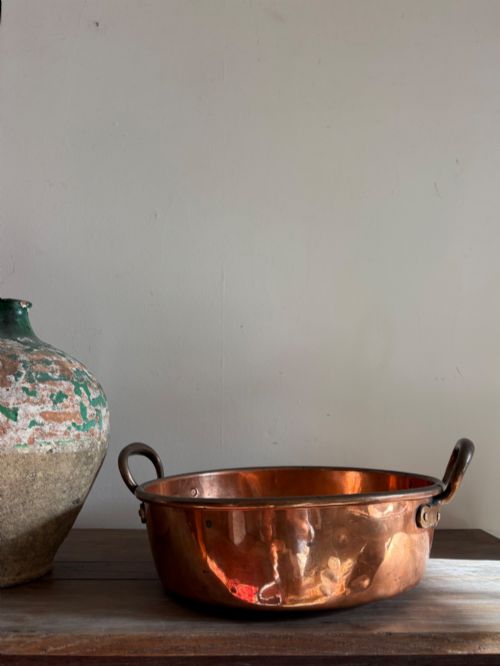
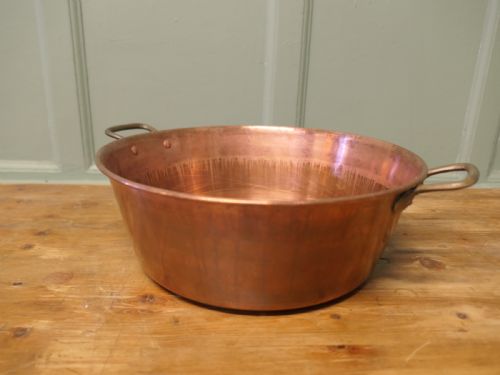
Alongside traditional metal preserving pans, the selection includes related kitchenware such as copper pans with brass handles, swing-handled cauldrons, and even cranberry glass preserve dishes with silver gilt mounts. This variety shows how diverse everyday preserving equipment was across the eighteenth and nineteenth centuries.
Materials and Construction
These vessels are primarily constructed from brass or copper, frequently complemented by iron handles or wrought iron fittings. Metalworkers hammered, riveted, and cast these materials to create sturdy cookware capable of withstanding direct heat.
Surface textures vary from smooth polished finishes to mottled or embossed designs, depending on the manufacturing methods of the nineteenth century. Bronze and silver gilt also appear in specific decorative preserving items and fireside pieces.
Brass Jam Pot Retail Price Guide 2026
Typical asking prices for brass jam pot among the pieces listed under this phrase on Sellingantiques today, from the lower quarter to the upper quarter. They describe what is for sale here now, not the wider market.
Some heavy brass pans were evidently repurposed to hold hearth ash long after their jam-making days ended.
Assessing Quality and Character
Quality in these pans rests upon the weight of the metal and the integrity of the construction, such as secure riveting on handles. Heavier gauge brass and copper indicate sturdier domestic or display pieces designed to endure.
The presence of maker details, such as those by Hodges and Sons, along with harmonious patination from age, distinguishes finer examples. Subtle differences in handle attachment and metal thickness separate standard kitchenware from superior items intended for display.
The Brass Jam Pot Glossary
- Preserve pan
- A wide, open vessel designed for boiling fruit and sugar into jam. These pans ensure even heat distribution across the base.
- Swing handle
- A movable handle attached to the sides of a pot via loops or lugs. This allows the vessel to be tipped or hung over a fire.
- Riveted
- Joined together using metal pins hammered flat on either side. This method secures handles firmly to the body of heavy pans.
- Silver gilt
- Silver that has been coated with a thin layer of gold. It appears on decorative preserving dishes and tableware.
- Cranberry glass
- A rich pinkish-red glass produced by adding gold chloride to the molten batch. It is often paired with metal baskets in Victorian serving pieces.
Brass Jam Pot: Frequently Asked Questions
What is a brass jam pot?
A brass jam pot is a heavy metal vessel traditionally used for boiling fruit and sugar in domestic kitchens. These pans were designed for regular use over an open hearth or stove.
Today, they are valued as decorative items or historic kitchenware that brings a warm metallic tone to modern interiors.
How were these pans used?
Historically, cooks utilised these wide pans to make preserves, jams, and creams because the metal conducted heat evenly. Their open tops allowed steam to escape efficiently during long boiling processes.
Some smaller versions functioned as fireside accessories or warming vessels rather than active cookware.
How do I clean brass and copper?
Cleaning depends on whether you prefer a bright polished look or an aged historic patina. Many collectors choose to leave the natural oxidation and warmth that builds up over centuries.
If polishing is desired, use a gentle metal cleaner suited for brass or copper to avoid scratching the surface.
How do I date an antique pan?
Dating relies on observing manufacturing techniques, handle styles, and materials. Georgian and Victorian examples often feature hand-hammered surfaces and heavy iron or brass fittings.
Maker stamps, where present, provide direct clues to the workshop and decade of production.