



Brass Instrument Set
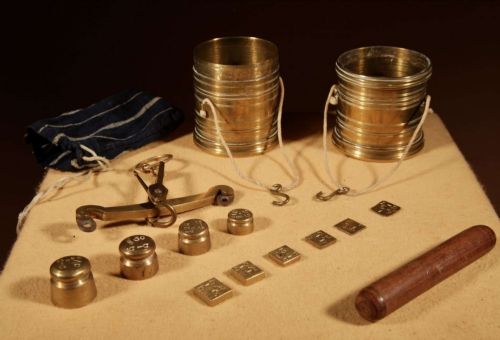
These brass instrument set pieces range from optical test kits to precision scales, offering functional utility and historical craftsmanship for the discerning collector.
Brass Instrument Set
A brass instrument set encompasses various scientific, medical, and technical collections housed within fitted enclosures. Buyers searching for a brass instrument set frequently encounter 19th-century and Edwardian examples that reflect period utility.
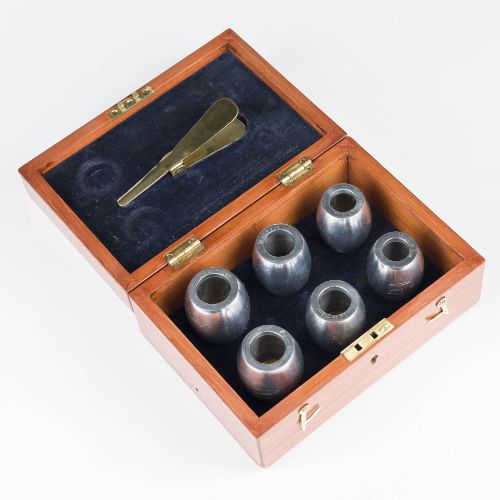
The selections span medical cupping collections, optician test glass kits, draughtsman tools, and meteorological instruments. Many survive with their original fitted wooden boxes lined in velvet or leather.
Origins stretch from English workshops to Dutch makers and Parisian presentations, showing diverse applications from maritime navigation to chemical precision.
Materials and construction
Components rely heavily on polished brass, frequently paired with fitted timber cases made of mahogany or oak. Interior elements incorporate glass lenses, steel tools, bone details, and velvet or leather linings.
Enclosures utilise precise joinery to secure delicate components during transport. Metal elements demonstrate period casting, turning, and engraving techniques suited to scientific precision.
Brass Instrument Set Retail Price Guide 2026
Typical asking prices for brass instrument set among the pieces listed under this phrase on Sellingantiques today, from the lower quarter to the upper quarter. They describe what is for sale here now, not the wider market.
Listings feature scientific instruments, medical collectables, weather devices, and desk compendiums spanning the 1800s to the mid-20th century.
Evaluating craftsmanship
Superior examples retain complete component complements alongside original fitted cases bearing maker signatures. The crispness of engraved markings and the smooth operation of moving parts distinguish high-grade items.
Condition of delicate internal elements, such as glass tubes or precision needles, directly influences overall standard. The quality of housing materials, from figured mahogany to stamped brass plaques, indicates original commissioning standards.
De Grave Short And Co·John Millikin·A Hurlimann Paris·Warners Of London·Oertling·John Lilley And Son
The Brass Instrument Set Glossary
- Brass
- A copper and zinc alloy utilised for durability and corrosion resistance in scientific apparatus. It forms the primary structural and decorative material for these instruments.
- Hydrometer
- A device used for measuring specific gravity of liquids, typically scaled for alcohol or spirit testing. These are often found housed in specialised fitted wooden boxes.
- Pantograph
- A mechanical linkage instrument used for copying maps and drawings at different scales. It relies on precise pivoted arms made of brass and wood.
- Geissler Tube
- A sealed glass vessel used to demonstrate electrical discharge through gases. They appear in late period scientific instructional collections.
- Cupping Set
- A medical collection utilised for traditional bloodletting or suction therapies. These historically included scarificators and glass or metal cups within fitted cases.
Brass Instrument Set: Frequently Asked Questions
What is inside a typical optical test kit?
These sets contain precision glass lenses and trial frames used by optometrists for sight testing. They are usually organised within velvet-lined wooden cabinets.
Such collections demonstrate late-period diagnostic methods and retain their original calibration markings.
How were technical drawing sets used?
Draftsmen and cartographers utilised these instruments for precise ink and pencil line work. The contents typically include compasses, ruling pens, and divider tools.
Each implement rests in a tailored velvet recess inside a polished wooden case.
Where were precision beam scales deployed?
Chemists and assayers employed these balance scales for accurate weight measurements in laboratories. They feature sensitive brass beams supported on knife-edge fulcrums.
Many examples survive with dedicated glazed wooden display cabinetry.
How should these cased instruments be displayed?
Display them away from direct sunlight and fluctuating humidity to protect wood finishes and interior fabrics. Keeping cases closed preserves the delicate metal surfaces from oxidation.
Allowing adequate space lets the fitted boxes function as standalone decorative objects.