
Brass Inlaid Wood
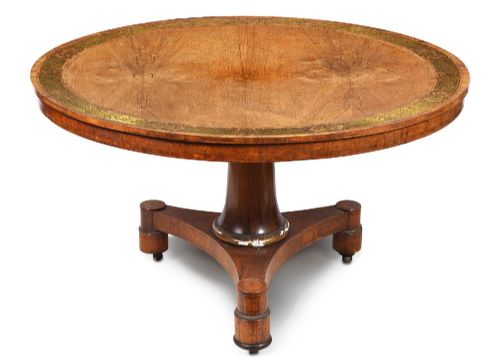
Brass inlaid wood brings together rich timber and bright metal in pieces ranging from Regency card tables to Edwardian occasional tables.
Brass Inlaid Wood
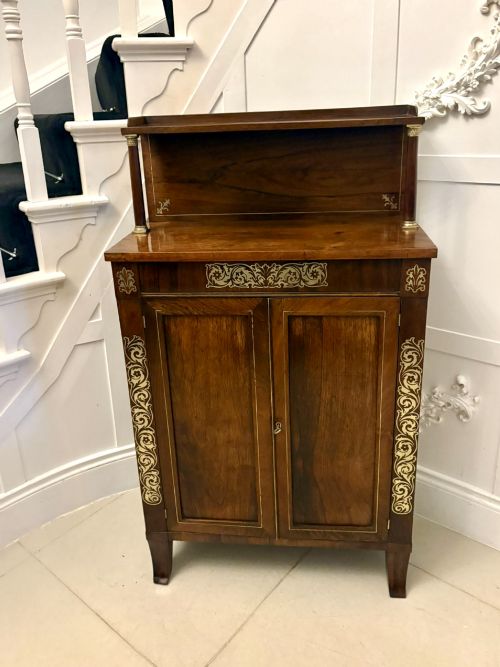
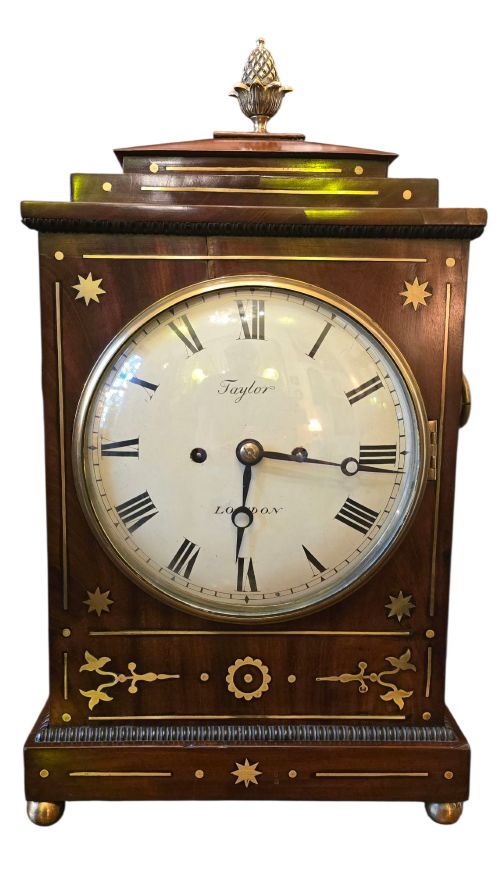
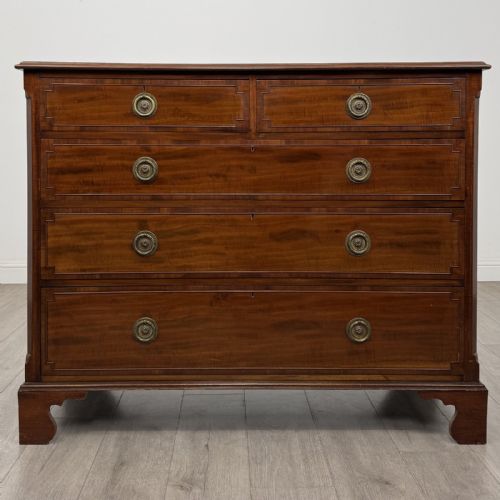
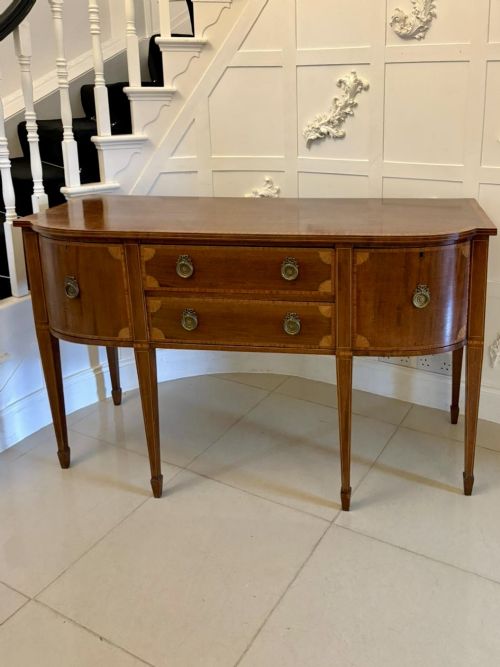
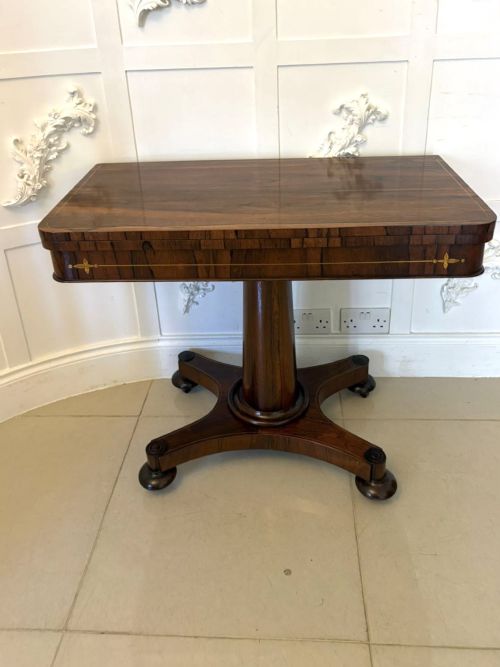
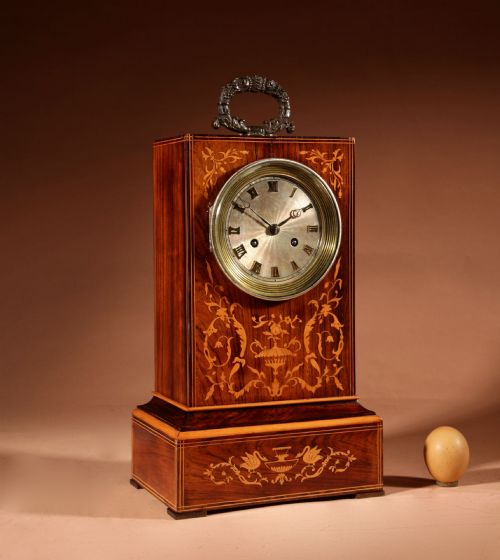
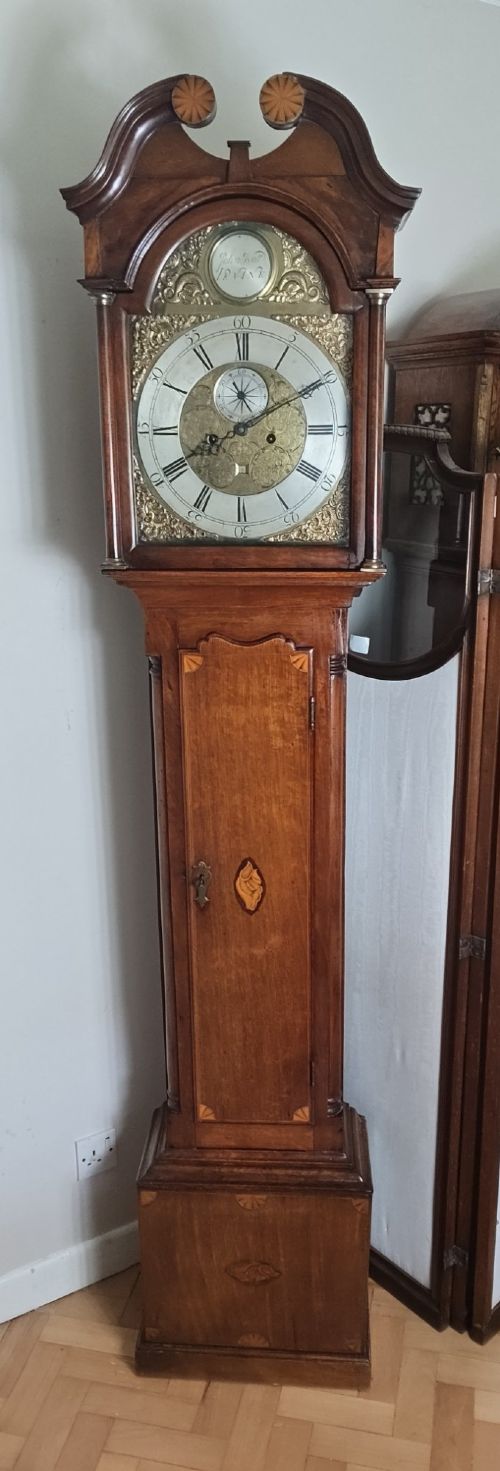
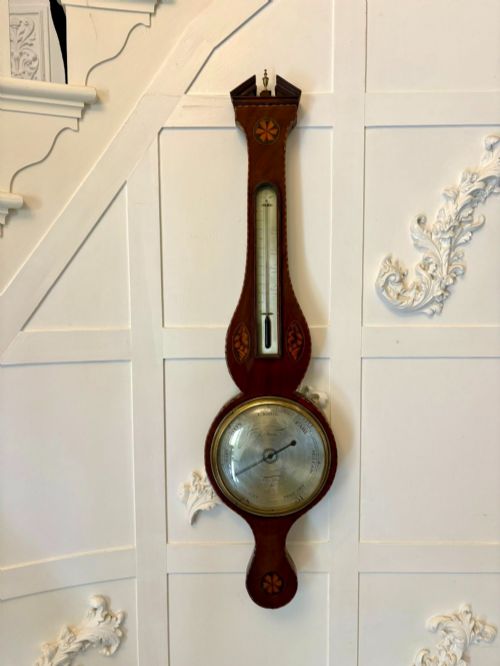
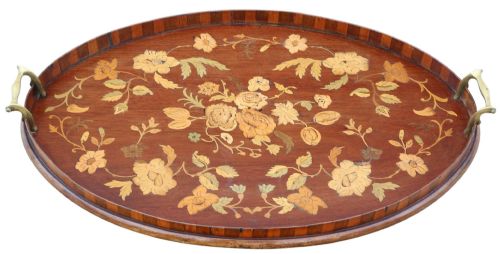
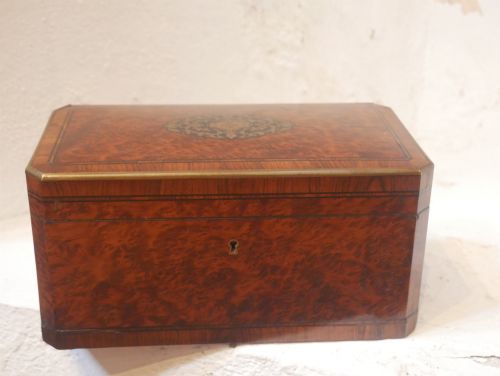
Brass inlaid wood encompasses furniture and decorative objects from the Georgian, Regency, Victorian, and Edwardian periods where metal stripwork decorates dark timber surfaces. When seeking brass inlaid wood, buyers regularly encounter tables, cabinets, clocks, and small boxes.
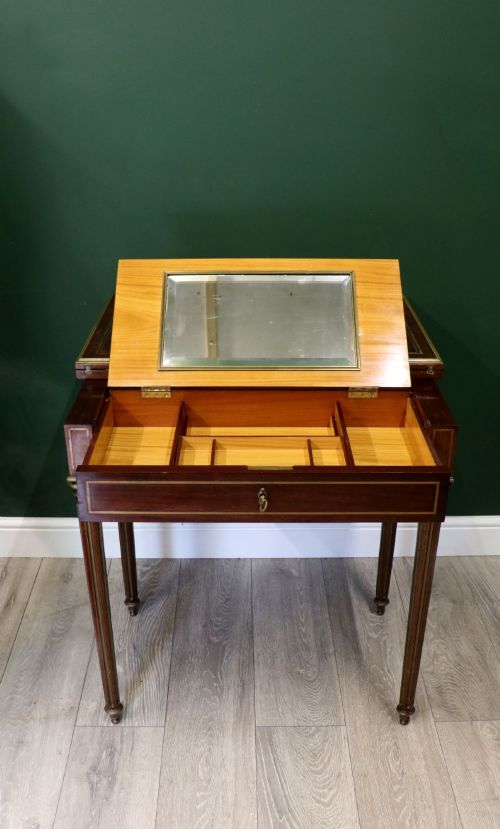
The material combinations span rosewood, mahogany, and satinwood, often reflecting Regency and Edwardian design idioms. Items like card tables, sideboards, and wall clocks demonstrate how metal inlay accentuates the structural lines of the wood.
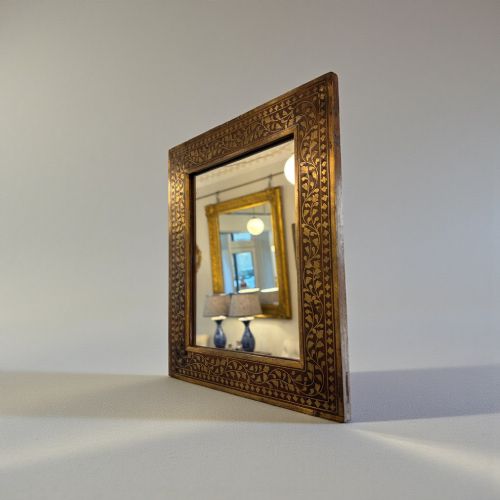
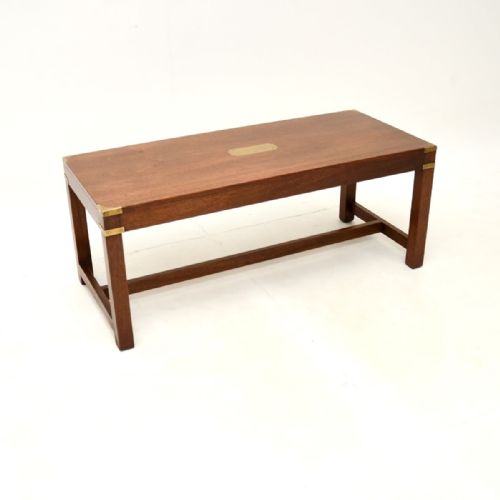
Origin points range from British workshops to French cabinets and Kashmiri or Hoshiarpur craft traditions. This variety ensures that pieces fulfill both functional roles as coffee tables or side cabinets and decorative roles in traditional interiors.
Materials and construction methods
Cabinet makers utilised dense hardwoods such as mahogany, rosewood, kingwood, and amboyna as the primary foundation for inlay work. These timbers provide the dark, stable surface necessary to hold fine brass stringing and cut-metal motifs.
Craftsmen recessed thin sheets of brass into channels hand-carved into the wood grain, securing the metal flush with the polished timber surface. This technique requires precise hand-fitting to prevent the metal from lifting as the wood responds to atmospheric changes.
Materials paired with brass inlay include mahogany, rosewood, satinwood, kingwood, walnut, amboyna, burr oak, and ebony.
Judging the standard of execution
The precision of the brass cutting and the tightness of the fit within the timber channel separate standard pieces from finer examples. Superior work shows minimal gap between the metal and the surrounding wood, even at complex corners and curves.
The selection of the underlying veneer and timber grain dictates the overall visual impact of the piece. Highly figured rosewood or mahogany provides greater depth and contrast against the bright brass inlay than plain secondary woods.
Taylor of London·Tahan·Thomson of London·Hewetsons London·George Bullock·Barnard·Edwards and Roberts
The Brass Inlaid Wood Glossary
- Brass stringing
- Thin lines of brass inlaid into grooves cut into the wood surface to form geometric borders or outlines. This linear decoration defines panels and tabletops.
- Crossbanding
- A border strip of veneer laid around the edges of a tabletop or drawer front with the grain running perpendicular to the main panel. It frames the central timber and any inlay work.
- Marquetry
- The art of creating decorative pictures or patterns using fitted pieces of various wood veneers and sometimes other materials. It differs from inlay by assembling the pattern before fixing it to the carcass.
- Parquetry
- A geometric mosaic of wood pieces used for decorative floors and tabletops. It relies on repeating angular shapes rather than curved pictorial designs.
- Fusee
- A conical pulley used in clock movements to maintain even driving force as the mainspring unwinds. This mechanism appears in better quality bracket and wall clocks.
Brass Inlaid Wood: Frequently Asked Questions
How do I clean brass inlaid wood?
Dust surfaces regularly with a soft, dry cloth to prevent grit accumulation in the grooves around the metal. Avoid abrasive polishes that can scratch the surrounding wood or wear down the brass.
Feed the timber periodically with appropriate wax to maintain the moisture balance of the wood. Keep metal cleaning agents away from the timber to prevent staining the grain.
Where were these pieces made?
Production centres span British workshops, French cabinet makers, and specialised overseas craft traditions such as Hoshiarpur and Kashmir. European makers favoured rosewood and mahogany for formal furniture.
Regional variations appear in the choice of secondary woods and the specific motifs used in the brass work. Examining the construction methods helps identify the likely origin.
Can I use a card table daily?
Folding card tables serve well for occasional use, though the hinge mechanisms and fold-over tops require gentle handling. Avoid placing heavy loads on the unsupported leaf when opened.
Position tables away from direct heat sources and strong sunlight to protect both the timber finish and the brass inlay. Consistent indoor climates prevent the wood from expanding and loosening the metal work.
How do I date these items?
Dating relies on combining stylistic evidence with construction details like drawer linings, backboards, and movement types in clocks. Regency pieces often feature bold brass stringing on dark rosewood.
Later Edwardian reproductions and adaptations draw on earlier Georgian and Regency forms. Examining the timber preparation and secondary woods clarifies the manufacturing era.